中国南方电网有限责任公司

Search documents
南方电网:加速构建电鸿生态 电力物联迈入统一底座时代
Zhong Guo Zheng Quan Bao· 2026-01-04 07:28
Group 1 - The core viewpoint of the article emphasizes the development of the "Dianhong" operating system by China Southern Power Grid, which aims to provide a unified digital foundation for the new power system both domestically and globally, integrating capabilities such as "perception terminals + power IoT + digital twin + artificial intelligence" to address the challenges of a clean, low-carbon, safe, and economically efficient power system [1][2] - The "Dianhong" system has established a "six-core" architecture that covers a full spectrum of terminals from smart switches and sensors to high-performance servers, achieving compatibility with over a hundred domestic mainstream chips, and reducing real-time kernel response time from hundreds of microseconds to under 10 microseconds [1] - The development plan for "Dianhong" is divided into three phases: the first phase focuses on creating an ecological system with a unified core for all terminal types; the second phase aims to overcome core technical bottlenecks and establish a middleware system for software-defined power capabilities; the third phase will deepen the integration of artificial intelligence to realize a collaborative business model [1] Group 2 - "Dianhong" serves as an important application of the open-source HarmonyOS in vertical industries, enhancing the open-source ecosystem while providing a solid digital foundation for power applications in the new power system [2] - As of August 2025, China Southern Power Grid has released the 3.0 version of the "Dianhong" IoT operating system and has initiated research for version 4.0, focusing on the integration of "Dianhong + AI" to prepare for future intelligent applications [2] - The company plans to continue its application-driven approach, expanding the number of city-level demonstration units by 2026, and promoting the typical application of "Dianhong" in distribution networks to accelerate large-scale transformation and support the construction of the new power system [2]
比特与瓦特加速融合,电力物联迈入“统一底座”时代
2 1 Shi Ji Jing Ji Bao Dao· 2026-01-04 07:17
Core Insights - The integration of digital technology and energy power, termed "bit and watt," is becoming a crucial pathway for constructing a new type of power system as the new round of technological revolution and industrial transformation deepens [1] - The Southern Power Grid is focusing on enhancing key core technology breakthroughs and building common capability platforms to promote collaborative upgrades in the digital grid technology equipment industry chain [1][2] Group 1: Digital Grid Ecosystem Development - The Southern Power Grid has implemented the "Sunshine Co-chain" platform, aggregating over 247 units to build a technically complete and self-controllable digital grid ecosystem [2] - The energy industry's trusted data space has been selected as a national pilot, enabling cross-industry data product listings and scenario integration [2] - The "Electric Harmony" (电鸿) ecosystem covers 80% of core business in the power grid and has established a national AI application pilot base to open services for the industry chain [2] Group 2: Electric Harmony System Progress - Since the release of the Electric Harmony operating system version 1.0 in 2023, it has achieved significant development, gathering over 500 ecological partners and completing nearly 1,900 terminal adaptations [2][3] - The Southern Power Grid plans to add a batch of city-level demonstration units by 2026 to promote application and product innovation widely [3] - The Electric Harmony system aims to address industry pain points by providing a comprehensive solution that connects chips, terminals, platforms, and applications [3] Group 3: Future Development Plans - The Electric Harmony system will advance in three phases, focusing on creating a unified ecosystem from micro-sensors to high-performance servers, overcoming core technology bottlenecks, and deepening AI integration [4] - The Southern Power Grid has initiated research for version 4.0 of the Electric Harmony system, primarily focusing on Electric Harmony + AI to lay the foundation for future intelligent applications [4] - The integration of electricity, carbon, and computing is seen as a core support for the new power system and the national integrated computing network [5] Group 4: Carbon Management Initiatives - The Southern Power Grid is integrating carbon management into core operations, exploring new value growth points through a systematic approach [5] - The company has established an internal carbon market system covering multiple levels, linking carbon emissions costs and reduction benefits directly to unit assessments [5] - These initiatives signify a strategic shift in carbon management from compliance to enhancing international competitiveness and expanding into emerging business areas [5] Group 5: Vision for the Future - The Southern Power Grid emphasizes the need for technology innovation driven by the demands of the new power system, with a forward-looking layout for AI-native applications and autonomous key technology systems [6] - The company aims to deepen open collaboration and ecological co-construction to release multiplier effects of digital empowerment for high-quality development in the energy and power industry [6]
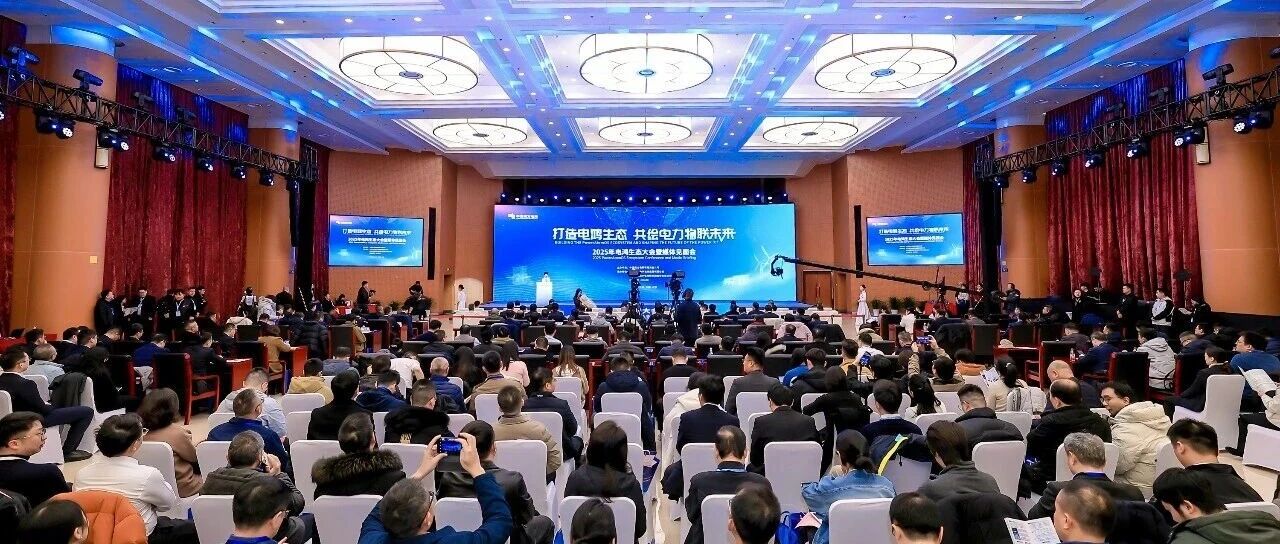
共筑开源生态 赋能能源转型 2025年电鸿生态大会在京举行
Jing Ji Wang· 2025-12-31 09:57
Core Insights - The 2025 Electric Hong Ecological Conference aims to gather industry strength and focus on the collaborative construction of the Electric Hong open-source ecosystem, discussing key paths from technological collaboration to industrial prosperity [1] - The conference emphasizes the importance of digitalization and intelligence transformation in the energy sector, supporting the construction of a new power system and energy system [1] Group 1: Conference Highlights - The conference was hosted by China Southern Power Grid Co., Ltd., with nearly 400 representatives from government, industry organizations, energy companies, and academic institutions attending [1] - The Electric Hong system is the first unified IoT operating system in the power industry, addressing industry pain points and achieving full-stack integration from chips to applications [1] - The conference showcased a complete innovation system for Electric Hong, providing a solid "Southern Grid Solution" for the digital transformation of the energy sector [1] Group 2: Strategic Goals - The development and application of Electric Hong are seen as actions to support national energy strategies and promote technological innovation [2] - Electric Hong aims to evolve from an industry-level platform to an international solution, integrating capabilities such as perception terminals, power IoT, digital twins, and artificial intelligence [2] - The initiative seeks to provide a Chinese model for addressing the challenges of clean, low-carbon, safe, and efficient energy systems globally [2] Group 3: Open Source Community - The launch of the Open Atom Electric Hong Open Source Community was announced, marking a strategic shift from enterprise-level products to an industry-level collaborative platform [3] - The community aims to gather various ecological forces from state-owned enterprises and research institutions to enhance the open-source system in the energy sector [3] - This initiative represents a significant breakthrough in applying open-source technology within a vertical industry [3] Group 4: Theoretical Framework and Recognition - The conference introduced the "Electric Hong Theoretical System," providing a methodological foundation for the digital transformation of the power sector [4] - The "Electric Hong Ecological Star" awards were established to recognize outstanding partners contributing to the ecosystem [4] - Various representatives shared their experiences in collaborative innovation with Electric Hong, emphasizing the ecosystem's philosophy of enabling better outcomes for enterprises [4] Group 5: Future Directions - The energy sector is adopting an open-source approach to integrate industry strengths and tackle core technologies [5] - Electric Hong will continue to uphold the principles of openness, co-construction, and sharing, collaborating with various parties to support the construction of a new power system and advance digital China [5] - The initiative aims to contribute more Chinese wisdom, solutions, and strength to global energy governance and digital transformation [5]
杜韶辉:为能源行业打造统一智能开放的物联底座
中国能源报· 2025-12-31 08:05
Core Viewpoint - The conference focused on building an open and collaborative energy digitalization ecosystem, emphasizing the importance of creating an open industry ecosystem rather than just achieving technical capabilities [2][4]. Group 1: Event Overview - The 2025 Electric Hong Ecosystem Conference was held in Beijing, organized by China Southern Power Grid Co., with nearly 400 representatives from various sectors attending [2]. - The event aimed to outline a digitalization blueprint for the energy sector, promoting collaboration among government, industry organizations, energy companies, and academic institutions [2]. Group 2: Technical Innovations - The Electric Hong operating system was introduced to address challenges in the energy IoT sector, such as protocol unification and insufficient intelligence levels [4]. - The system features six core designs tailored to different device requirements, including small microkernels for resource-limited devices and high-performance kernels for complex scenarios [4]. - A significant advancement was made in real-time capabilities, reducing response time from hundreds of microseconds to under 15 microseconds, meeting application standards in control and protection fields [4]. Group 3: Security and Trustworthiness - The Electric Hong system has achieved the highest level of trusted security architecture certification in China, ensuring a secure operating environment from hardware to platform [5]. - A comprehensive technology stack was developed, enabling efficient collaboration between devices and applications, allowing for plug-and-play capabilities and flexible cloud management [5]. Group 4: Practical Applications and Future Plans - In the transmission sector, the system has evolved through various stages, with future developments aimed at real-time evaluation and predictive capabilities using AI [6]. - The distribution sector is highlighted as the largest application area, with plans to automate operations and replace traditional manual processes [6]. - The Electric Hong team aims to achieve breakthroughs in real-time control and large-scale AI applications, ultimately establishing a unified technical foundation for the energy industrial internet and exporting solutions internationally [6].


刘智勇:广州电鸿全场景应用 赋能新型电力系统建设
中国能源报· 2025-12-31 07:36
Core Viewpoint - The article discusses the "Electric Hong Ecosystem" and its role in shaping the future of power IoT, emphasizing the need for a unified IoT operating system to address challenges in the power industry and enhance the new power system's capabilities [2][4]. Group 1: Key Developments in the Electric Hong Ecosystem - The Electric Hong Ecosystem aims to create a collaborative digital energy blueprint, with participation from over 400 representatives from various sectors [2]. - Guangzhou, as a national central city, serves as an ideal testing ground for the new power system due to its high load density and diverse scenarios [4]. Group 2: Innovations in Core Operations - The Electric Hong system has improved the efficiency of dynamic maintenance for over 55,000 power distribution areas by 90%, achieving a data accuracy rate of 98% [5]. - In the transmission sector, the system has enhanced smart inspection efficiency by over 50% and increased the timely identification rate of external hazards by 70% [5]. Group 3: Collaboration and Data Sharing - The implementation of the Electric Hong system has transformed monitoring operations into a "transparent factory," increasing operational efficiency by over 80% through real-time data sharing with manufacturers [6]. Group 4: Enhancements in Service Delivery - A new power IoT architecture has been established to address issues with traditional charging stations, resulting in a 10% increase in the comprehensive utilization rate of clean energy [7]. - The Electric Hong system has facilitated real-time carbon emission calculations for electricity consumption, generating 5,743 carbon rating reports and saving companies over 5 million yuan in financing costs [7]. Group 5: Expanding the Energy Service Ecosystem - The Electric Hong system has reduced the commissioning time for micro-energy networks from 90 days to 30 days, improving interaction efficiency with the grid [8]. - The system has supported the successful power supply for major events, ensuring zero power interruptions during the 15th National Games [8]. Group 6: Future Outlook - The Guangzhou Power Supply Bureau plans to continue enhancing the Electric Hong ecosystem by focusing on core operations, collaboration, service delivery, and expanding the energy service ecosystem [8].
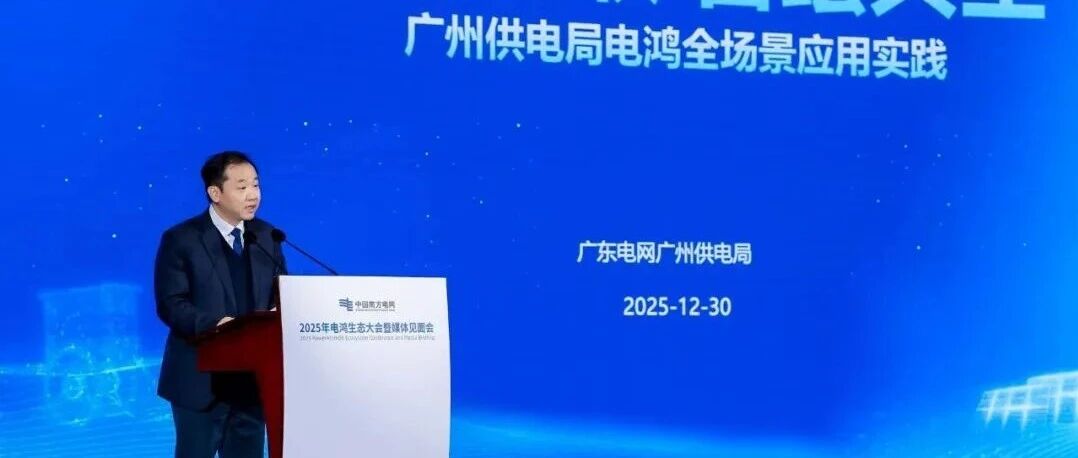
丁晓兵:电鸿生态助力新型电力系统发展
中国能源报· 2025-12-31 07:06
Core Viewpoint - The development of a new power system is essential for implementing the national energy security strategy and driving the energy revolution, with a focus on digitalization as a key requirement for sustainability and efficiency in operations [4][5]. Group 1: New Power System Development - The new power system is driven by structural changes on the source side, primarily through renewable energy, which is becoming the main force in the energy landscape [4]. - The distribution network is evolving from a traditional radial structure to an active network, with distributed renewable energy sources increasingly integrated, leading to a significant rise in installed capacity [4][5]. - The demand for a unified power IoT foundation is growing due to the emergence of innovative applications like virtual power plants and vehicle-grid interactions, necessitating real-time coordination of distributed resources and user-side devices [4][5]. Group 2: Digitalization and Software-Defined Power - A deeper level of digitalization is deemed an inevitable choice for the new power system, with efficient operation of numerous smart terminals and the management of a "digital grid" being crucial for sustainable operation [5]. - The traditional expansion model of equipment has reached its limits, and a digital paradigm revolution, termed "software-defined power," is proposed as a solution [5][6]. - The Ministry of Industry and Information Technology is advancing the construction of a national-level open-source technology system to support the architectural innovation and large-scale application of software-defined power [5][6]. Group 3: The Concept of "Dianhong" - "Dianhong" represents an interconnected, open, and shared power industrial IoT system tailored for the new power system and energy framework, built on open-source foundations [6]. - It aims to support a diverse range of power industry applications through a rich middleware system, ensuring safety and autonomy in operations [6][7]. - The development path includes three phases: establishing a unified device core system, overcoming core technology bottlenecks, and integrating artificial intelligence for broader industry application [7]. Group 4: Future Outlook - Future efforts will focus on deeper standardization to facilitate digitalization in the energy sector, promoting standardized access and communication protocols for power terminals [8]. - Enhanced coordination across multiple links will support the modernization of the power industrial system, enabling data integration and analysis across devices and platforms [8]. - The goal is to expand the reach of power infrastructure into various industries and households, fostering new models and business formats for green and low-carbon energy services [8].

谢戎彬:凝聚产业共识,助推电鸿生态蓬勃发展
中国能源报· 2025-12-31 06:04
Core Viewpoint - The article emphasizes the importance of the "Dianhong" ecosystem in promoting digital transformation in the energy sector, highlighting its role as China's first power IoT operating system that connects various energy components for enhanced data interoperability and operational efficiency [2][4]. Group 1: Event Overview - The 2025 Dianhong Ecosystem Conference was held in Beijing, organized by China Southern Power Grid, with nearly 400 representatives from government, industry organizations, energy companies, and academic institutions attending [2]. - The conference aimed to outline a collaborative digitalization blueprint for the energy sector, focusing on open cooperation and innovation [2]. Group 2: Achievements and Developments - The Dianhong ecosystem has made significant progress, transitioning from the demonstration phase to a comprehensive ecosystem construction, showcasing the commitment of China Southern Power Grid to energy digitalization [4]. - Key achievements include the full application of the Dianhong system in the Nansha demonstration area and the successful operation of an intelligent maintenance system during the 15th National Games, which ensured reliable power supply [4]. Group 3: Future Prospects - The ongoing development of the Dianhong ecosystem is expected to lead to innovative applications in the energy sector, such as smart substations and user-side energy storage, facilitating deeper intelligent interconnectivity among energy devices [5]. - The ecosystem's growth relies on collaboration with ecological partners, and the media plays a crucial role in promoting communication and sharing successful practices within the industry [5]. Group 4: Call to Action - The article calls for industry consensus and collaborative efforts to advance the Dianhong ecosystem, positioning it as a vital engine for high-quality development in the energy sector and a strong driver for China's energy digital transformation [6].

王威伟:开源鸿蒙在电力行业应用走深向实
中国能源报· 2025-12-31 05:33
Core Viewpoint - The conference focused on building the "Electric Hong" ecosystem and the future of power IoT, emphasizing the importance of open-source technology in driving innovation and enhancing the resilience and security of the industrial chain [2][4]. Group 1: Conference Overview - The 2025 Electric Hong Ecosystem Conference was held in Beijing, organized by China Southern Power Grid Co., Ltd., with nearly 400 representatives from government, industry organizations, energy companies, and academic institutions in attendance [2]. - The conference aimed to collaboratively outline a digital blueprint for energy through open collaboration [2]. Group 2: Key Messages from Officials - Wang Weiwei, Deputy Director of the Information Technology Development Department of the Ministry of Industry and Information Technology, highlighted that promoting the open-source Hongmeng ecosystem is a practical approach to integrating technological and industrial innovation [4]. - The application of open-source Hongmeng in the power sector has deepened over the past two years, transitioning from concept validation to engineering implementation and from successful pilot projects to large-scale expansion [4]. Group 3: Future Directions - The company is encouraged to maintain a demand-driven and innovation-driven approach, positioning "Electric Hong" as a benchmark for long-term commitment [4]. - The "Electric Hong" community is expected to leverage the open-source model to establish an efficient, transparent, and scientific governance structure [4]. - The Open Atom Open Source Foundation is urged to play a neutral platform role, supporting "Electric Hong" in achieving ecological synergy with open-source Hongmeng [4]. - There is a call for "Electric Hong" to actively engage in international exchanges and cooperation, providing an excellent "Chinese solution" for the global power industry's digital transformation [4].
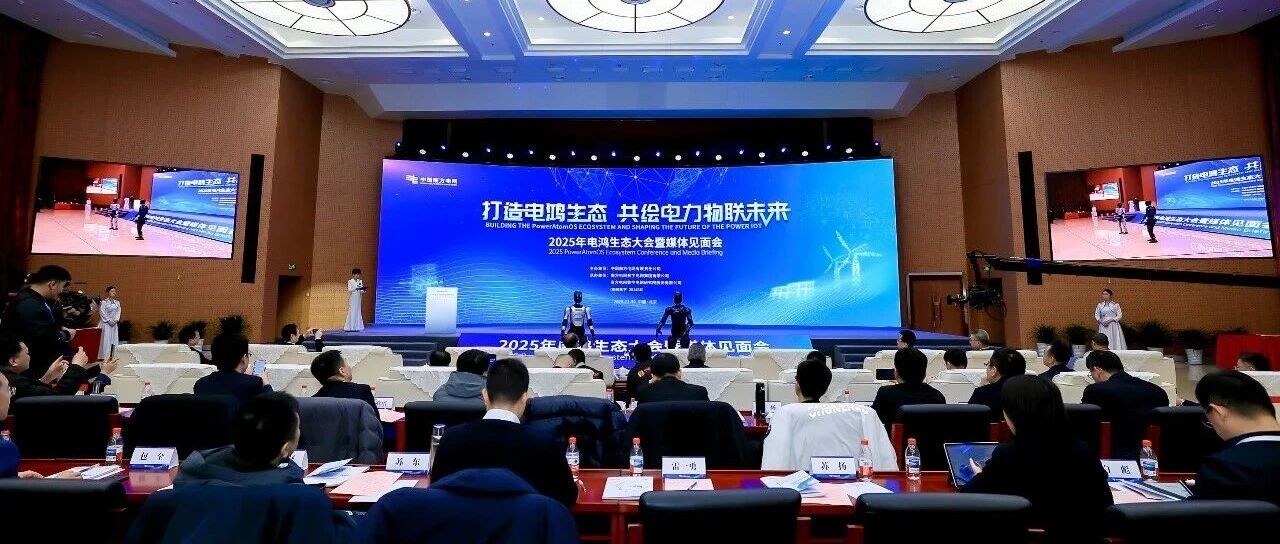
吴小辰:持续做大做强电鸿生态 筑牢能源强国数字根基
中国能源报· 2025-12-31 05:04
Core Viewpoint - The article emphasizes the importance of the open-source "Dianhong" IoT operating system in enhancing energy security, promoting green development, driving innovation, improving energy services, and increasing international influence in the context of China's energy transformation and digitalization efforts [2][4][6][7]. Group 1: Energy Security - The open-source "Dianhong" system aims to enhance energy security by achieving deeper standardization and self-control, addressing the challenges of interconnectivity and data integration among vast power equipment [5][6]. - It is designed to build a comprehensive, self-sufficient immune system for critical energy infrastructure, significantly improving the management of large-scale, distributed, real-time power systems [5][6]. Group 2: Green Development - The system is expected to foster new business models and practices, such as energy substitution and energy conservation, which will drive the transformation of industries like manufacturing, smart transportation, and smart homes towards greener practices [6][7]. - The goal is to achieve a significant increase in the share of non-fossil energy in power generation, targeting around 50% by 2030 [4]. Group 3: Innovation Strategy - "Dianhong" focuses on core technology breakthroughs, promoting advancements in integrated sensing, computing, and control technologies, as well as new communication and measurement technologies [6][7]. - The initiative aims to enhance the level of technological and industrial innovation, contributing to the development of new digital energy technologies and infrastructure [6][7]. Group 4: Energy Services - The system will facilitate extensive data sharing and multi-party collaboration, connecting various segments of the energy supply chain to enhance energy service offerings [6][7]. - It aims to meet diverse and high-quality energy needs of the public by expanding energy service supply through innovative collaborative scenarios [6][7]. Group 5: International Influence - The integration of "Dianhong" with technologies like AI and digital twins is expected to provide comprehensive solutions for the challenges of clean, low-carbon, and economically efficient energy systems [7]. - The initiative positions China to contribute solutions for global energy transitions, enhancing its international influence in the energy sector [7][8].

共建电鸿生态 夯实能源数字化基础——2025年电鸿生态大会暨媒体见面会在京举行
中国能源报· 2025-12-31 04:33
Core Viewpoint - The integration of energy and digital revolutions is crucial for establishing a new power system, with a focus on digitalization and intelligence as key drivers for innovation and industry collaboration in the energy sector [2][4]. Group 1: Event Overview - The 2025 Electric Hong Ecosystem Conference was held in Beijing, focusing on building a unified power IoT foundation to support the new power system [2]. - The conference gathered nearly 400 representatives from government, industry organizations, energy companies, universities, and innovation partners to discuss energy digitalization and intelligent transformation [2]. Group 2: Challenges and Solutions - The transition from traditional centralized power systems to complex, collaborative systems requires addressing challenges such as heterogeneous terminal access, rapid business scenario iterations, and cybersecurity risks [4]. - The "Electric Hong" open-source IoT operating system aims to standardize underlying technology and resolve issues related to protocol unification and data connectivity, thereby enhancing the safety and flexibility of the energy system [4][5]. Group 3: Technological Advancements - The Electric Hong initiative emphasizes a digital paradigm shift centered on "software-defined power," which is essential for supporting the operation of the new power system [5]. - The initiative has led to the establishment of the Open Atom Electric Hong Open Source Community, marking a strategic transition from enterprise-level products to an industry-level collaborative platform [7]. Group 4: Ecosystem Development - The Electric Hong ecosystem has attracted over 560 partners and adapted nearly 1,900 terminal devices, covering mainstream power chip systems, indicating a growing collaborative industry ecosystem [8]. - The ecosystem's collaborative effects are becoming evident, with partnerships enhancing the influence and reach of Electric Hong [10]. Group 5: Practical Applications - Electric Hong is being validated through large-scale applications in key areas such as grid operation and energy services, demonstrating its value as a unified digital foundation [11]. - In Guangzhou, the implementation of Electric Hong has led to significant improvements in distribution network management, achieving a 98% accuracy rate in automatic maintenance of over 5.5 million meters [12]. Group 6: Future Prospects - The future vision for Electric Hong includes integrating capabilities such as sensing terminals, power IoT, digital twins, and artificial intelligence to provide comprehensive solutions for the energy sector [13]. - The initiative is positioned to contribute to global energy digital transformation, offering a replicable Chinese model for balancing clean, low-carbon energy with economic efficiency [13].