
ICICI Bank

Search documents
Sensex closes 296 points lower at 82,269, Nifty skids 98 points to 25,320; stock markets dragged lower by metal, IT stocks
BusinessLine· 2026-01-30 11:05
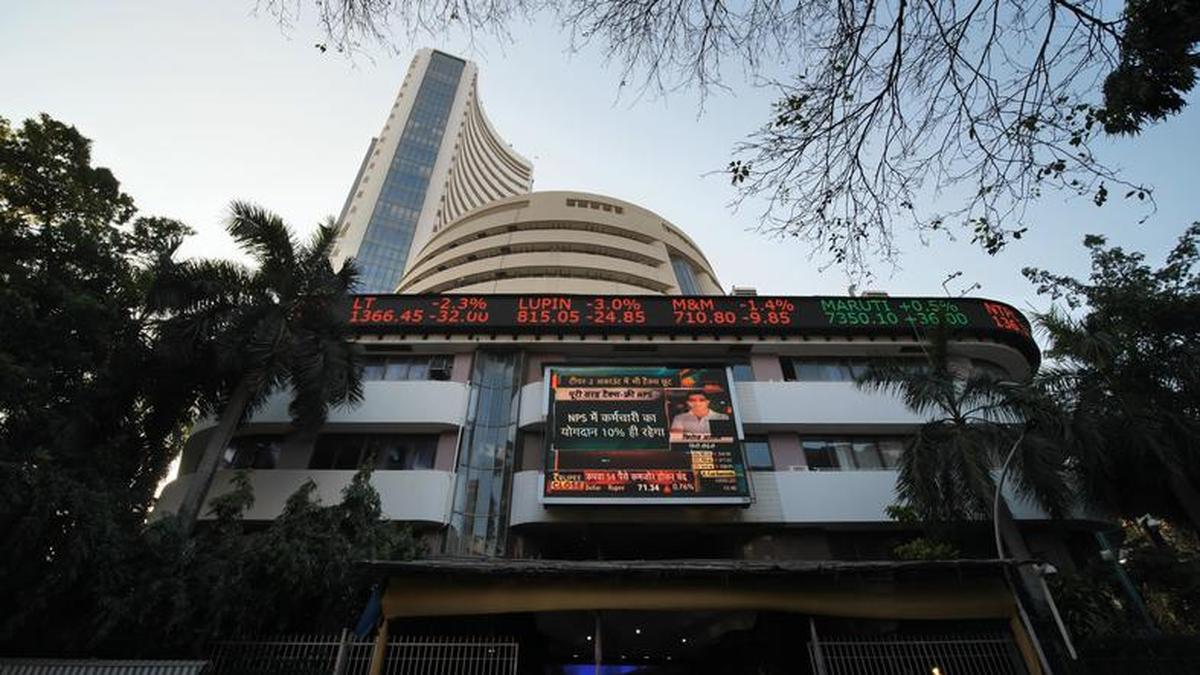
Benchmark equity indices Sensex and Nifty ended lower on Friday, snapping a three-day rally, dragged by metal, IT stocks and caution ahead of the Budget presentation on February 1. Fresh foreign fund outflows and weakness in the rupee also added to the bearish trend in the equity markets. The 30-share BSE Sensex declined 296.59 points or 0.36 per cent to settle at 82,269.78. During the day, it tumbled 625.34 points or 0.75 per cent to 81,941.03. The 50-share NSE Nifty dropped 98.25 points or 0.39 per cent ...


Stock markets snap 3-day rally dragged by metal, IT stocks
The Hindu· 2026-01-30 10:53
Market Performance - Benchmark equity indices Sensex and Nifty ended lower, with Sensex declining by 296.59 points or 0.36% to settle at 82,269.78, and Nifty dropping by 98.25 points or 0.39% to end at 25,320.65, snapping a three-day rally [1][2] - The decline was influenced by selling pressure in metal and IT stocks, with Tata Steel experiencing the largest drop of 4.57% among Sensex firms [2] Foreign Investment Activity - Foreign institutional investors sold equities worth ₹393.97 crore on January 29, 2026, while domestic institutional investors purchased stocks worth ₹2,638.76 crore [3] Economic Outlook - India's economy is projected to grow by 6.8-7.2% in the upcoming fiscal year, maintaining its status as the fastest-growing major economy despite global trade risks and volatility [5] Market Sentiment - The Indian equity markets exhibited volatility ahead of the Union Budget, with cautious sentiment due to persistent foreign fund outflows and rupee depreciation [4][7] - Analysts noted that market participants are balancing pre-Budget positioning against external headwinds, contributing to a cautious market environment [7]
FD Rates Up To 8% For Senior Citizens: Top Lenders Offer Attractive Returns On Long-Term Deposits — Check Details
Www.Ndtvprofit.Com· 2026-01-28 12:55
Fixed deposits (FDs) are an important financial instrument used for saving and steady income. They are considered a safe option as they come with guaranteed returns and low risk. This makes them ideal for short-term investments and for investors who prefer certainty over high returns. Their simple structure and fixed tenure make them suitable for people with limited time to track markets. This means that certain groups such as elderly investors can choose FDs for regular interest income and capital safety. ...

Sensex jumps 646 points in early trade on optimism over India-EU FTA
The Hindu· 2026-01-28 04:54
Market Performance - Equity benchmark indices Sensex and Nifty surged in early trade on January 28, 2026, with Sensex jumping 646.49 points to 82,503.97 and Nifty rising 196.7 points to 25,372.10, driven by optimism over the India-EU free trade agreement [1] - Major gainers included Axis Bank, Reliance Industries, NTPC, Bharat Electronics, ICICI Bank, and Bajaj Finance [1] Company Performance - Asian Paints experienced a nearly 6% drop after reporting a 4.83% decline in consolidated net profit to ₹1,073.92 crore for the December quarter of FY26, attributed to exceptional items related to the new labour code and impairment losses in a subsidiary [2] - Other laggards included Maruti, HCL Tech, Kotak Mahindra Bank, and State Bank of India [2] Trade Agreement Impact - India and the European Union finalized a landmark free trade agreement on January 27, 2026, aimed at creating a market of two billion people and enhancing trade and defense cooperation [3] - The agreement will reduce tariffs on 99% of Indian exports to the EU and on over 97% of EU exports to India, accounting for nearly a quarter of global GDP [4] Investment Trends - Foreign institutional investors sold equities worth ₹3,068.49 crore, while domestic institutional investors purchased stocks worth ₹8,999.71 crore, indicating a shift in market dynamics post-trade deal [4] - The Chief Investment Strategist at Geojit Investments noted that the India-EU trade deal is a significant long-term positive, with investors now focusing on the upcoming Union Budget [6]
Mysa Bags $3.4 Mn To Strengthen AI-Based Finance Automation
Inc42 Media· 2026-01-27 07:02
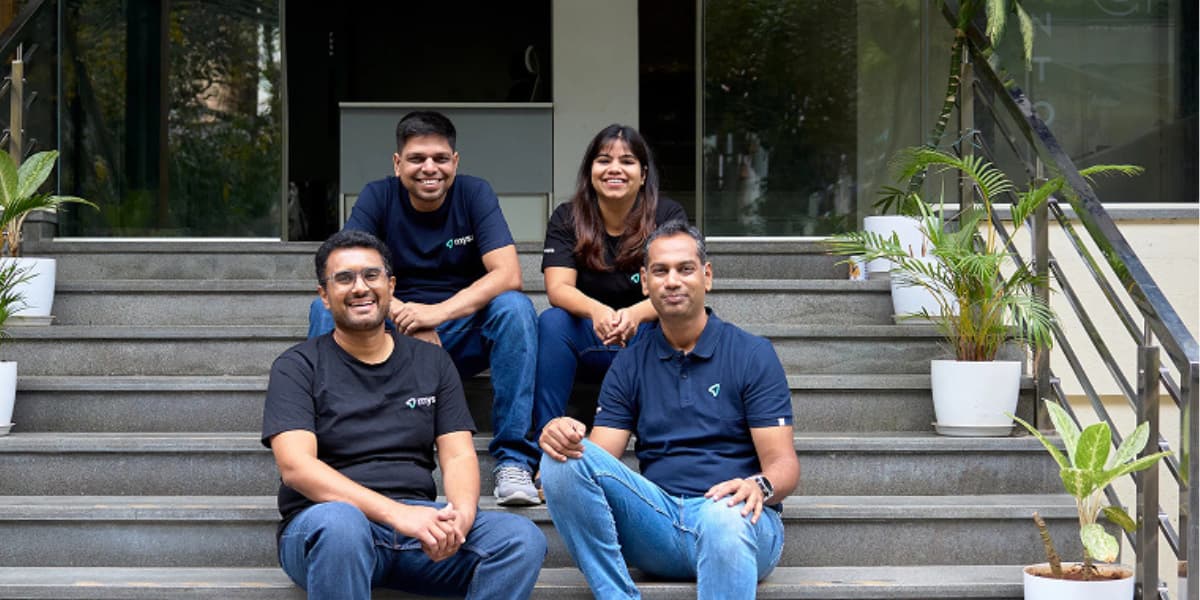
Company Overview - Mysa is a fintech SaaS startup founded in 2023 by Arpita Kapoor and Mohit Rangaraju, offering finance automation and financial services tailored for mid-sized enterprises [1][4] - The platform utilizes AI-driven invoice processing, automated accounting, tax workflows, and integrated payment capabilities through partner bank accounts [4] Funding Details - Mysa has raised $3.4 million (approximately INR 31.2 crore) in its pre-Series A funding round, co-led by Blume Ventures and Piper Serica, with participation from several other investors [1][5] - Prior to this, Mysa raised $2.8 million in seed funding in February 2025 [5] Product and Service Offerings - The startup plans to enhance its AI capabilities and banking product offerings, including AI-enabled procurement, UPI-driven expense management, and a corporate credit card [2] - Mysa aims to expand bank partnerships and scale distribution to improve capital access for businesses [2] Market Position and Clientele - Mysa has partnered with over 15 banks, including major institutions like Axis Bank, YES Bank, IDFC First Bank, ICICI Bank, and HDFC Bank [6] - The startup claims to have customers across various sectors, including quick commerce, manufacturing, hospitality, fintech, and real estate [5] Industry Context - The fintech sector in India continues to attract significant investment, with startups raising approximately $2.5 billion across 120 deals last year, maintaining the top position in funding [6] - The overall fintech landscape is evolving with new technological advancements and consumer trends, as highlighted by recent developments at the Global Fintech Summit [7]
Bank strike today: Are public sector banks open for customers?
The Times Of India· 2026-01-27 05:29
Core Viewpoint - The United Forum of Bank Unions (UFBU) has called for a nationwide strike on January 27 due to the government's failure to address their demand for all Saturdays to be declared holidays, which was agreed upon in the 12th Bipartite Settlement signed in March 2024 [2][5][8] Group 1: Impact on Banking Services - Branch-level services such as cash deposits, withdrawals, cheque clearances, and administrative work at public sector banks like State Bank of India (SBI), Punjab National Bank (PNB), and Bank of Baroda are expected to be disrupted for five consecutive days [2][3][8] - Operations at major private sector banks, including HDFC Bank, ICICI Bank, and Axis Bank, are anticipated to remain largely unaffected as their employees are not part of the striking unions [4][8] - Digital banking services, including UPI, mobile, and internet banking, will continue to function, although ATM cash availability may face localized issues due to logistical delays [4][8] Group 2: Union Demands and Statements - The unions are advocating for a five-day work week, emphasizing that this change is essential for a sustainable and efficient banking system, and that they are willing to work an extra 40 minutes daily from Monday to Friday to accommodate this [5][8] - Union leaders assert that the strike is not intended to inconvenience customers but to promote a balanced workforce that enhances financial stability [5][8] Group 3: Government and Bank Responses - An urgent meeting was convened by the Department of Financial Services to discuss measures to ensure the smooth functioning of customer services, digital channels, and ATM cash availability during the strike [6][8] - Public sector banks, including SBI, have communicated to stock exchanges about the potential impact of the strike, indicating that while arrangements have been made for normal operations, disruptions are likely [7][8]
Stock markets bounce back after falling in early trade
The Hindu· 2026-01-27 04:49
Equity benchmark indices Sensex and Nifty recovered their early lost ground and were trading higher on Tuesday (January 27, 2026) morning, tracking a firm trend in global markets and buying in blue-chip bank stocks. The 30-share BSE Sensex dropped 417.68 points to 81,120.02 in early trade. The 50-share NSE Nifty declined 111.1 points to 24,937.55. However, soon after both the benchmark indices bounced back and were trading in positive territory. The BSE benchmark quoted 298.06 points higher at 81,814.74, an ...
Nationwide Bank Strike LIVE Updates: SBI, PNB, BoB operations expected to be hit; why are employees protesting?
MINT· 2026-01-27 04:49
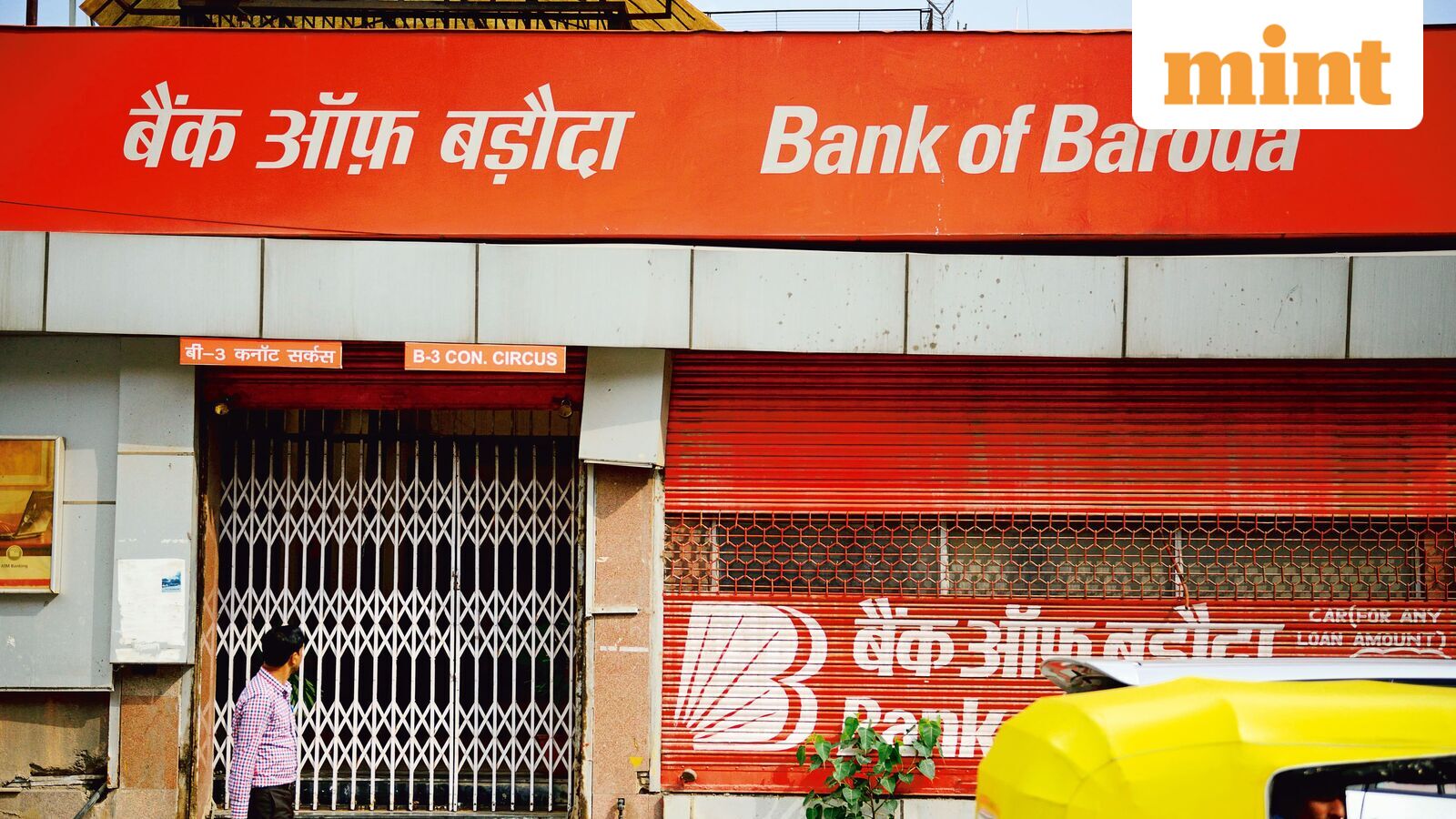
Nationwide Bank Strike LIVE Updates: Operations at public sector banks like SBI, PNB, BoB and Canara bank are expected to be disrupted as a host of employee unions have called for a nationwide bank strike on Tuesday, 27 January.The nationwide SBI, PNB, BoB bank strike today is expected to add to the issues of common people, who saw bank holidays for the past three days due to the fourth Saturday, Sunday and the national holiday on 26 January for Republic Day.The disruption in bank operations are set to come ...
Nationwide bank strike today: Will SBI, PNB, BoB remain closed on 27 January? What services will be affected?
MINT· 2026-01-27 01:50
Core Viewpoint - A nationwide bank strike in India, led by the United Forum of Bank Unions (UFBU), is expected to disrupt operations of public sector banks on January 27, following a series of bank holidays, impacting customer services significantly [1][2][3]. Group 1: Impact on Banking Operations - Public sector banks, including State Bank of India (SBI) and Punjab National Bank (PNB), will likely experience closures and service disruptions due to the strike [1][9]. - Services such as cash deposits, withdrawals, cheque clearances, and administrative work at branches of public sector banks are expected to be significantly affected [6][9]. - Digital banking services, including UPI and internet banking, will remain operational despite the strike, ensuring some continuity for customers [6][9]. Group 2: Reasons for the Strike - The strike is primarily driven by employee unions' demands for the implementation of a five-day work week and the declaration of all Saturdays as holidays [7][8]. - A conciliation meeting held on January 23 with the chief labour commissioner did not yield a positive outcome, prompting the unions to proceed with the strike [7]. Group 3: Affected and Unaffected Banks - Private sector banks such as HDFC Bank, ICICI Bank, IDFC First Bank, and Axis Bank are expected to operate normally, as their employees are not part of the unions participating in the strike [5].
Will banks work on Tuesday? Public sector banking ops likely to be hit as unions strike for 5-day week
The Times Of India· 2026-01-26 13:34
Core Viewpoint - A nationwide strike by bank unions in India is set to disrupt operations at public sector banks, demanding the implementation of a five-day work week, which they claim was agreed upon in a previous settlement but has not been enacted by the government [5][8][9] Group 1: Impact on Banking Services - Branch-level services such as cash deposits, withdrawals, cheque clearances, and administrative work at public sector banks like State Bank of India (SBI), Punjab National Bank (PNB), and Bank of Baroda are expected to be significantly affected [3][8] - Major private sector banks, including HDFC Bank, ICICI Bank, and Axis Bank, are anticipated to remain largely unaffected as their employees are not part of the striking unions, and digital banking services will continue to function, although ATM cash availability may face localized issues [4][8] Group 2: Reasons for the Strike - The unions are advocating for all Saturdays to be declared holidays, a demand they assert was agreed upon during the 12th Bipartite Settlement with the Indian Banks' Association in March 2024, but has yet to be officially recognized by the government [5][9] - Union leaders emphasize that the strike is intended to enhance the efficiency and sustainability of the banking system rather than inconvenience customers, arguing that a balanced workforce is essential for financial stability [6][8] Group 3: Communication from Banks - Several public sector banks, including SBI, have communicated to stock exchanges about the potential impact of the strike, indicating that while they have made arrangements for normal operations, disruptions are likely [7][8]