
Sony Group

Search documents
Balika Vadhu star’s brand gets an offer of Rs 1.8 crore investment from Shark Tank judges. Who is Neha Marda?
The Economic Times· 2026-01-28 11:14
Instead of beginning with numbers and charts, the founders opened their presentation with a lively qawwali, instantly grabbing the attention of the sharks. Once the creative introduction ended, they moved on to their ask, seeking an Phitku positions itself as a natural alternative to conventional deodorant sticks. The product is crafted using refined alum stone combined with select natural components and promises odor protection for up to an entire day. Explaining the inspiration behind the brand, Neha sp ...



ARM hires 50 AI experts laid off by Sony Israel
En.Globes.Co.Il· 2026-01-27 18:52
A group of about 50 AI experts laid off by Sony Israel has moved to the Israel offices of British chip giant ARM, "Globes" has learned. Sony Israel, based in Hod Hasharon, announced in November that it was shutting down its R&D office in Israel after 10 years. To support its employees, Sony promised to help finance the re-establishment of Altair, the Israeli startup it acquired in 2016, which was then developing 4G cellular communication chips. It was believed that only some of the 200 employees would be ...
OneFootball Chooses BuyDRM to Secure OneFootball Channels
PRWEB· 2026-01-27 13:59
"BuyDRM's KeyOS platform gives us the confidence that their livestreams are protected with the highest security standards while maintaining a seamless and top-quality experience our digital-native users expect nowadays." - Yannick Manuel Ramcke, General Manager OTT at OneFootball Post this More than 30 leading football broadcasters and streaming services have launched a OneFootball Channel to date, delivering live matches, highlights, and other football-related video content to millions of fans worldwide, ...

Five years after the GameStop mania, retail investors have become a force Wall Street can’t ignore
CNBC· 2026-01-27 11:21
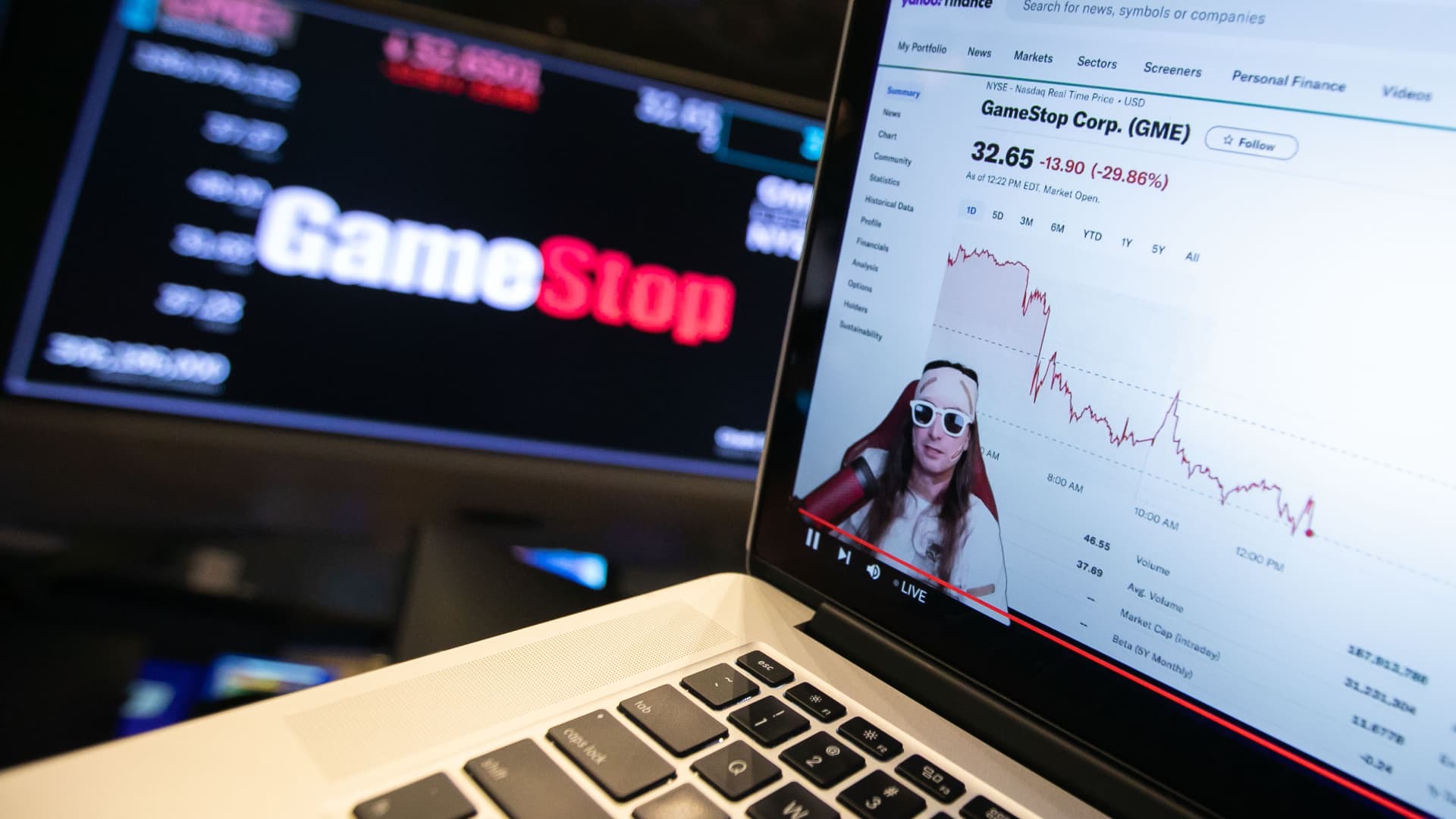
Core Insights - The influence of retail investors has proven to be more durable and long-lasting than expected, reshaping trading dynamics and pushing hedge funds to adapt [1][2] Retail Investor Participation - Retail trading participation in U.S. equities has risen to nearly 20% of daily trading volume, up from low single digits before the COVID-19 pandemic [4] - On high-volume days, retail participation can reach close to 40% in equities and up to 50% in options [5] - Retail investors have continued to deploy capital, with inflows jumping nearly 60% in 2025 compared to the previous year, surpassing the previous peak set in 2021 [7] Market Dynamics and Institutional Response - Hedge funds and short sellers have learned to respect retail investors, who can quickly mobilize capital and influence market movements [10][11] - Many hedge funds have scaled back short exposure and diversified portfolios to avoid becoming targets of coordinated buying by retail investors [11] Evolution of Retail Investors - The current retail investor is more informed and engaged, utilizing various tools for trading and information [8] - The democratization of access to markets and information has significantly changed the landscape for retail investors [9] Wealth Transfer and Future Participation - Retail investors are expected to gain even more influence due to a looming generational wealth transfer, with millennials and Gen Z set to inherit approximately $120 trillion over the next 20 years [16][17] - Brokerage firms are adapting by offering tools and services that cater to younger investors, including 24/7 trading and access to cryptocurrencies [17] Behavioral Trends - A significant increase in young investors moving funds from checking to investment accounts has been observed, with 37% of 25-year-olds in 2024 doing so compared to just 6% in 2015 [18]

Motorola Signature review: A polished flagship debut that plays it safe, but gets the fundamentals right
The Economic Times· 2026-01-27 09:32
Core Insights - Motorola is making a significant return to the flagship smartphone market with the launch of the Signature, marking a shift from its previous focus on design-led models like the Razr [1][2][24] - The Signature is priced at Rs 59,999 and aims to compete with established players like Samsung and OnePlus, emphasizing a balanced flagship experience over gimmicks [4][24] Design and Build - The Motorola Signature features a premium design with a linen-inspired textured back, aluminum frame, and Gorilla Glass Victus 2, ensuring durability and a refined aesthetic [6][10][24] - The device is slim at just under 7mm and weighs around 186 grams, making it comfortable to hold for extended periods [7][10] - The camera module is integrated into the back panel, enhancing stability when placed flat and contributing to the overall elegance of the design [8][10] Display - The phone boasts a 6.8-inch quad-curved AMOLED LTPO display with a 1.5K resolution and a refresh rate of up to 165Hz, providing a smooth and vibrant user experience [11][14] - While the display may not be the most color-accurate in its segment, it offers good brightness levels for outdoor use and is suitable for media consumption [13][14] Software and Performance - Powered by the Snapdragon 8 Gen 5 chipset, the Signature supports up to 16GB of RAM and 1TB of storage, delivering fast and reliable performance across various tasks [15][19] - The device runs on Hello UI based on Android 16, with a promise of seven years of Android updates and security patches, enhancing its long-term value [19][25] Battery and Charging - The Motorola Signature is equipped with a 5,200mAh battery, providing over a full day of usage and often close to two days under regular conditions [20][25] - It supports 90W fast charging, wireless charging, and reverse wireless charging, adding convenience for users [20][25] Camera - The device features a triple rear camera setup, all with 50MP sensors, including a primary camera with optical image stabilization, an ultra-wide camera, and a periscope telephoto lens [21][25] - The camera performs well in daylight and low-light conditions, producing sharp images with good detail and balanced colors, although it is described as dependable rather than class-leading [22][25] Conclusion - The Motorola Signature represents a confident return to the flagship market, focusing on essential features such as design, performance, and long-term software support, appealing to users who prioritize balance and longevity over flashy features [23][25]

Japan's Nikkei rises as yen weakens, chip-related shares advance
The Economic Times· 2026-01-27 09:21
Market Performance - The Nikkei rose 0.85% to close at 53,333.54, while the broader Topix ended 0.31% higher at 3,563.59, driven by technology stocks [1][7] - Advantest jumped 5.85% and Tokyo Electron rose 2.53%, contributing to the overall market gains [3][7] - Tokyo Electric Power fell 7.925%, becoming the worst percentage loser on the Nikkei after announcing plans to cut about 3.1 trillion yen ($20 billion) in costs over 10 years [7] Currency and Economic Context - The yen had spiked against the U.S. dollar, reaching a more than two-month high, but weakened towards the end of the session, which supported the market [1][2] - Speculation grew over coordinated currency intervention by U.S. authorities following remarks from Japan's prime minister and a leading currency diplomat [2][7] - The current level of the yen is viewed as negative for exporters but positive for the election campaign, as stated by Hiroyuki Ueno, chief strategist at Sumitomo Mitsui Trust Asset Management [6][7] Political Developments - Japanese political parties began an election campaign on Tuesday after Prime Minister Sanae Takaichi called for a national election on February 8 [6][7] - A stronger yen is seen as positive for Takaichi, who supports loose monetary policy, while a weaker yen raises import costs and drives inflation, putting pressure on the central bank [6][7]


Financial Neutrality in 2026: Why Crypto Is No Longer Optional
Yahoo Finance· 2026-01-26 13:58
Individual Level - Ordinary households are using crypto-exchanges as a "financial VPN" to move money and protect savings from unpredictable political actions [1] - Cryptocurrency has become a practical infrastructure for families to maintain purchasing power amid economic instability and hyperinflation [36][39] - In countries like Venezuela and Iran, crypto serves as a lifeline for families facing financial turmoil, allowing them to bypass local economic failures [38][39] Corporate Level - Corporations in developed markets are increasingly adopting cryptocurrency to bypass traditional banking systems and enhance financial resilience [26] - Retail businesses are experiencing higher conversion rates and average order values through crypto transactions, with significant growth in sectors like luxury fashion and electronics [27][28] - Companies like Sony Honda are integrating blockchain technology into their products, creating decentralized ecosystems that enhance user experience and financial independence [30][32] Sovereign Level - Nations are rethinking financial security in light of "strategic instability," with a focus on maintaining operational continuity through alternative financial systems [2] - The U.S. dollar and SWIFT network are being used as tools of geopolitical control, prompting countries to seek financial neutrality [7] - Venezuela's economic isolation serves as a case study for how dependence on foreign-controlled infrastructure can undermine national resilience [11][13] Financial Neutrality - The concept of "financial neutrality" is emerging, allowing states, corporations, and individuals to store and transfer value independently of politically controlled financial systems [5] - Digital assets are increasingly viewed as strategic hedges against asset freezes and sanctions, with countries like El Salvador leading the way in integrating Bitcoin into national reserves [20][19] - Iran's use of cryptocurrency has become integral to its economic operations, contrasting with Venezuela's more superficial adoption of blockchain technology [21][25]

How to disable ACR on your TV (and why doing so makes such a big difference)
ZDNET· 2026-01-26 02:00
Core Insights - The article discusses the use of Automatic Content Recognition (ACR) technology in smart TVs, which tracks viewing habits and collects data for targeted advertising [3][12][17] - In 2022, advertisers spent approximately $18.6 billion on smart TV ads, with expectations for continued growth in this area [4] - ACR technology captures up to 7,200 images per hour, providing detailed insights into viewer preferences and personal information [6][17] Group 1: ACR Technology Overview - ACR operates in the background, identifying content displayed on screens by capturing screenshots and cross-referencing them with a media database [5] - This technology allows marketers to tailor content recommendations and track the effectiveness of advertisements [7] - The data collected includes sensitive personal information, raising concerns about potential misuse and privacy risks [8][18] Group 2: Privacy Concerns and User Control - Many users are unaware of ACR's presence and find it challenging to opt out due to complex settings [9][12] - The article provides instructions for disabling ACR on various smart TV brands, emphasizing the effort required to protect privacy [10][16][20] - Disabling ACR may limit some smart features of the TV, but it is recommended for those concerned about data privacy [16][18]
Media firms look beyond the home screen, eye eyeballs offshore
MINT· 2026-01-25 13:28
Core Insights - Indian media firms are seeking growth opportunities abroad due to revenue pressures in the domestic market [1][2] - Global partnerships are being formed to tap into higher-paying diasporic audiences [1][5] Industry Trends - The Indian media and entertainment market is experiencing challenges with low subscription prices, pressured advertisement rates, and intense competition [2][6] - Companies are diversifying their portfolios by exploring international markets, which offer better monetization opportunities [5][13] Strategic Partnerships - IN10 Media Network's MovieVerse Studios has partnered with Beacon Media to create a global content alliance focused on stories from the Global South [3][7] - SonyLIV has announced a partnership with YouTube TV to expand its subscription services in multiple countries [3] Revenue Potential - Overseas users can contribute up to 40% of overall revenues for some platforms, highlighting the financial incentive for global expansion [4] - Diaspora-heavy markets provide higher per-user revenue compared to the Indian market [5][9] Content Creation and Distribution - The partnership with Beacon Media aims to produce culturally relevant content for digital-first platforms [7][8] - Indian content has an existing audience in markets like the US, UK, and Australia, which can lead to increased licensing and distribution opportunities [9] Challenges in Global Expansion - Adapting storytelling and marketing strategies for international audiences is crucial, as what works in India may not resonate abroad [11] - The global market is competitive, requiring sharper curation and branding to stand out against various international productions [12]
JioStar moves Supreme Court against CCI probe over alleged abuse of dominance in Kerala TV market
MINT· 2026-01-25 07:04
Core Viewpoint - JioStar, owned by Reliance Industries, is challenging the Competition Commission of India's (CCI) investigation into alleged abuse of dominance and discriminatory pricing in Kerala's television distribution market [1][9]. Legal Proceedings - A Supreme Court hearing is scheduled for JioStar's appeal against a Kerala High Court ruling that upheld the CCI's investigation order [2]. - The case originated from a complaint by Asianet Digital Network, which accused JioStar of dominating the market by controlling popular Malayalam channels and exclusive rights to major sporting events [2][3]. Allegations of Discriminatory Pricing - Asianet claims that JioStar provided preferential discounts to Kerala Communicators Cable Ltd (KCCL), while denying similar terms to other distributors, violating the Telecom Regulatory Authority of India's (Trai) rules [3][4]. - It is alleged that JioStar effectively offered KCCL discounts exceeding 50% through marketing agreements, which Asianet argues were a facade to lower effective channel prices for KCCL [4][5]. Regulatory Context - The CCI initiated an investigation in February 2022 after finding a prima facie case against JioStar, clarifying that this step did not imply guilt [6]. - JioStar contends that the dispute falls under the jurisdiction of Trai and the 2017 Broadcasting Regulations, arguing that the CCI should not have intervened [7]. - The CCI maintains that its authority under the Competition Act applies even in regulated sectors, and its role in examining market power abuse is not excluded by the presence of another regulator [8]. Court Rulings - The Kerala High Court upheld the CCI's investigation, stating that competition law can coexist with sectoral regulation [8]. - JioStar's appeal was dismissed by a division bench of the Kerala High Court, allowing the CCI's investigation to proceed [9]. Company Background - JioStar was established in November 2024 following the merger of Reliance's media business with Disney's India operations, valued at approximately $8.5 billion [10]. - Reliance holds a controlling stake of around 63% in the joint venture, while Disney owns about 36.84% [10]. Market Position - As of the April-June quarter of 2025, JioStar's streaming platform JioHotstar led India's subscription video-on-demand market with a 25% share, followed by Amazon Prime Video at 23% and Netflix at 19% [11].
