市场支配地位滥用

Search documents
JioStar moves Supreme Court against CCI probe over alleged abuse of dominance in Kerala TV market
MINT· 2026-01-25 07:04
Core Viewpoint - JioStar, owned by Reliance Industries, is challenging the Competition Commission of India's (CCI) investigation into alleged abuse of dominance and discriminatory pricing in Kerala's television distribution market [1][9]. Legal Proceedings - A Supreme Court hearing is scheduled for JioStar's appeal against a Kerala High Court ruling that upheld the CCI's investigation order [2]. - The case originated from a complaint by Asianet Digital Network, which accused JioStar of dominating the market by controlling popular Malayalam channels and exclusive rights to major sporting events [2][3]. Allegations of Discriminatory Pricing - Asianet claims that JioStar provided preferential discounts to Kerala Communicators Cable Ltd (KCCL), while denying similar terms to other distributors, violating the Telecom Regulatory Authority of India's (Trai) rules [3][4]. - It is alleged that JioStar effectively offered KCCL discounts exceeding 50% through marketing agreements, which Asianet argues were a facade to lower effective channel prices for KCCL [4][5]. Regulatory Context - The CCI initiated an investigation in February 2022 after finding a prima facie case against JioStar, clarifying that this step did not imply guilt [6]. - JioStar contends that the dispute falls under the jurisdiction of Trai and the 2017 Broadcasting Regulations, arguing that the CCI should not have intervened [7]. - The CCI maintains that its authority under the Competition Act applies even in regulated sectors, and its role in examining market power abuse is not excluded by the presence of another regulator [8]. Court Rulings - The Kerala High Court upheld the CCI's investigation, stating that competition law can coexist with sectoral regulation [8]. - JioStar's appeal was dismissed by a division bench of the Kerala High Court, allowing the CCI's investigation to proceed [9]. Company Background - JioStar was established in November 2024 following the merger of Reliance's media business with Disney's India operations, valued at approximately $8.5 billion [10]. - Reliance holds a controlling stake of around 63% in the joint venture, while Disney owns about 36.84% [10]. Market Position - As of the April-June quarter of 2025, JioStar's streaming platform JioHotstar led India's subscription video-on-demand market with a 25% share, followed by Amazon Prime Video at 23% and Netflix at 19% [11].


亚马逊拟就意大利方面开出的罚单提起上诉 即便该罚单金额已被下调
Xin Lang Cai Jing· 2026-01-14 07:49
Core Viewpoint - Amazon plans to appeal a ruling from an Italian court that reduced the fine imposed by the Italian antitrust authority from €1.13 billion to €752.4 million (approximately $876.3 million) for allegedly abusing its market dominance in the e-commerce logistics sector in Italy [1][5]. Group 1 - The Italian antitrust authority announced the reduction of the fine based on a ruling from a local administrative court made in September of the previous year [2][6]. - The antitrust authority also intends to appeal the court's decision to reduce the fine [3][7]. - Both the antitrust authority and Amazon have not provided immediate comments regarding the situation [4][8].

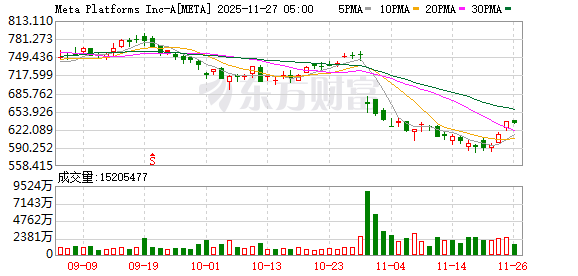
意大利反垄断机构认定Meta滥用市场支配地位
Zheng Quan Shi Bao Wang· 2025-11-27 01:01
Core Viewpoint - The Italian antitrust authority has raised concerns about Meta's new contractual terms in WhatsApp, which may exclude competitors in the AI chatbot service market, potentially violating EU competition laws [2]. Group 1: Regulatory Concerns - The Italian Competition and Market Authority announced that Meta introduced new contract terms on October 15, which could limit competition in the AI chatbot service market [2]. - The modifications to WhatsApp's business solution terms may restrict production, sales channels, or technological development in the AI chatbot sector, harming consumer interests [2]. - The authority suggests that Meta's actions could lead to serious and irreversible damage to market competitiveness, potentially violating Article 102 of the Treaty on the Functioning of the European Union (TFEU) [2].

苹果公司对中国消费者实施不公平的限制措施!
Sou Hu Cai Jing· 2025-10-28 03:02
Core Insights - Apple Inc. generated over $200 billion in revenue from China in 2022, with $313.694 billion earned in the first three quarters of 2025, indicating significant profitability in the Chinese market [1] - The company imposes a high "Apple Tax" on Chinese consumers, with in-app purchase commissions reaching up to 30%, while consumers in the US and EU benefit from lower fees and the option to use third-party payment systems [3] - In 2024, the "Apple Tax" paid by Chinese users reached $6.44 billion, accounting for 19% of Apple's revenue, leading to a complaint filed by 55 Chinese consumers against the company for market abuse and discriminatory practices [4] Revenue and Market Dynamics - Apple's revenue from China has shown substantial growth, with a notable contribution from the "Apple Tax" which is estimated to be around 10% of its revenue from the region [4] - The company's strategy includes relocating production lines for iPhones aimed at the US market to India, with plans to complete this transition by 2026, while also accelerating the move of production lines to Vietnam [4] Consumer Treatment and Regulatory Actions - The complaint filed by Chinese consumers highlights concerns over Apple's closed ecosystem and the imposition of unreasonable terms, suggesting a lack of respect for Chinese consumers despite the company's significant earnings from the market [4] - The differential treatment of consumers in China compared to those in the US and EU raises questions about fairness and market practices, prompting regulatory scrutiny [4]