
个人护理

Search documents
恒安国际完成发行第三期超短期融资券
Zhi Tong Cai Jing· 2026-03-31 20:20
Group 1 - The company, Hengan International (01044), has completed the issuance of its third phase of ultra-short-term financing bonds amounting to RMB 2 billion, with an annual interest rate of 1.68% and a term of 183 days [1] - Following this issuance, there remains an approved but unissued debt financing tool amounting to RMB 800 million [1]
朝云集团:营收纯利连续3年增长,持续高额派息-20260327
Huaan Securities· 2026-03-27 10:50
Investment Rating - The investment rating for the company is "Buy" (maintained) [1] Core Insights - The company has achieved continuous revenue and net profit growth for three consecutive years, with a high dividend payout ratio of approximately 80% [4] - In 2025, the company reported revenue of 1.988 billion RMB, a year-on-year increase of 9.2%, and a net profit of 224 million RMB, up 10.3% year-on-year [4] - The company is a leading player in the home care market, with a significant market share in pest control products, and is actively expanding its pet business [5] - The acquisition of Hebei Kanda is expected to significantly enhance revenue and profit, further increasing the company's market share in home care [6] Financial Performance - The company reported a gross profit margin of 52.6% in 2025, an increase of 3.5 percentage points year-on-year, driven by brand strength and operational efficiency [6] - Revenue projections for 2026-2028 are 2.385 billion RMB, 2.606 billion RMB, and 2.806 billion RMB, representing year-on-year growth rates of 20%, 9%, and 8% respectively [9] - The expected net profit for the same period is 249 million RMB, 268 million RMB, and 287 million RMB, with corresponding growth rates of 11%, 8%, and 7% [9] Market Position - The company maintains a leading position in the home care market, with its pest control products ranked first in market share for eleven consecutive years [5] - The company has expanded its pet business significantly, increasing the number of pet stores to 73 and integrating product and service offerings [5] - The online and offline revenue channels achieved 8.74 billion RMB and 11.15 billion RMB respectively, with online sales growing by 30.2% year-on-year [5]
乐舒适增长持续 “非洲尿裤之王”首报告捷
BambooWorks· 2026-03-27 09:31
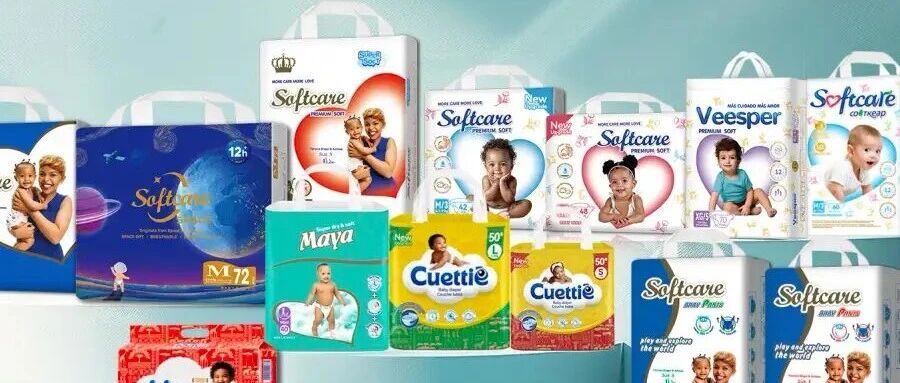
Core Viewpoint - The company, known as the "King of Diapers in Africa," has successfully countered market skepticism regarding its ability to maintain a leading position in core African and other emerging markets, as evidenced by its strong annual performance report [2]. Financial Performance - The company reported a revenue growth of 24.9% year-on-year, reaching $567 million, with a net profit increase of 27.4% to $121 million [2]. - The gross profit margin improved from 35.2% in 2024 to 35.9% in 2025, indicating enhanced profitability [2]. - Sales from the core African market grew by 22.5% to $545 million, while revenue from Latin America surged by 134% to $22 million over five years [4]. Market Expansion - The company is expanding beyond Africa, seeking growth opportunities in other emerging markets, particularly in Latin America and Central Asia, where revenue has also doubled [4]. - The average selling price of its two main product lines increased by 4% to $7, with baby diapers rising by 4.4% and female hygiene products by 7% [4]. Competitive Landscape - Market skeptics draw parallels between the company and Transsion Holdings, which faced stagnation in revenue and profit in Africa due to price wars and rising component costs [5]. - Analysts note that the African personal care market is projected to grow from $3.8 billion in 2024 to $10 billion in the long term, driven by a high birth rate and low product penetration compared to developed markets [5]. Demographic Advantage - Africa's young population and rapid urbanization present an ideal market for low-cost Chinese consumer brands, which have been relatively ignored by major Western companies [6]. - The company has strategically focused on lower-income markets in East, Central, and West Africa, avoiding competition in wealthier regions like South Africa [6]. Production and Supply Chain - The company established its first factory in Ghana in 2009, which has since become the largest diaper and sanitary napkin manufacturer in Africa, with an annual capacity of 6.3 billion diapers [8]. - The localized production model provides a competitive edge over rivals reliant on imports, especially amid global supply chain disruptions [8]. Stock Performance and Valuation - Following its IPO, the company's stock price has shown resilience, trading at approximately 34.06 HKD, a 30% increase from its listing price [8]. - The current price-to-earnings ratio is around 19 times, reflecting a positive investor sentiment, especially after the recent performance improvements [9].

大行评级丨瑞银:恒安国际去年下半年业绩超预期,目标价上调至34.9港元
Ge Long Hui· 2026-03-20 02:41
Core Viewpoint - UBS report indicates that Hengan International's revenue for the second half of 2025 is expected to grow by 3.9% year-on-year to 11 billion yuan, with net profit rising by 31% year-on-year to 1.1 billion yuan, outperforming both UBS and market expectations [1] Financial Performance - Excluding foreign exchange gains and losses, net profit for the second half is estimated to grow by 21% year-on-year [1] - The tissue and hygiene products segment is projected to see sales growth of 8% year-on-year in the second half, accelerating from 3% growth in the first half [1] - The decline in sales volume for hygiene products is offset by an increase in average selling prices [1] - Overall gross margin is expected to improve by 4 percentage points year-on-year and 3 percentage points quarter-on-quarter to 35.5%, benefiting from lower raw material prices and increased sales of high-margin products [1] Earnings Forecast and Target Price - Considering Hengan's strong performance in the second half of last year and better-than-expected results from high-end products, UBS has raised its earnings forecasts for Hengan International for 2026 to 2028 by 4% to 9% [1] - The target price has been adjusted from 32.5 HKD to 34.9 HKD, equivalent to a projected price-to-earnings ratio of 14 times for 2026, while maintaining a "Buy" rating [1]
日经BP精选:花王推出护发包月服务,用RNA诊断发质
日经中文网· 2026-03-20 02:24
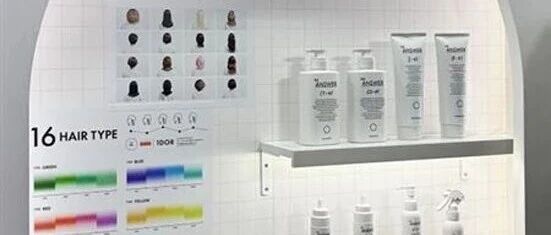
Group 1 - The core viewpoint of the article is that Kao Corporation is launching a subscription service for its hair care business, aiming to enhance profitability by targeting customers willing to purchase high-priced products [3][4]. Group 2 - Kao has maintained a proactive investment strategy in its hair care business and will introduce the new subscription service starting from March 2026 [4]. - The new service, named "THE ANSWER PROGRAM," will utilize RNA monitoring technology to provide personalized products based on individual scalp and hair conditions every 45 days [4]. - The service will be promoted through partnerships with hair salons, leveraging recommendations from beauticians to increase awareness and customer engagement [4].
半亩花田科研进阶之路:个护品牌增长的“长跑逻辑”
FBeauty未来迹· 2026-03-05 10:38
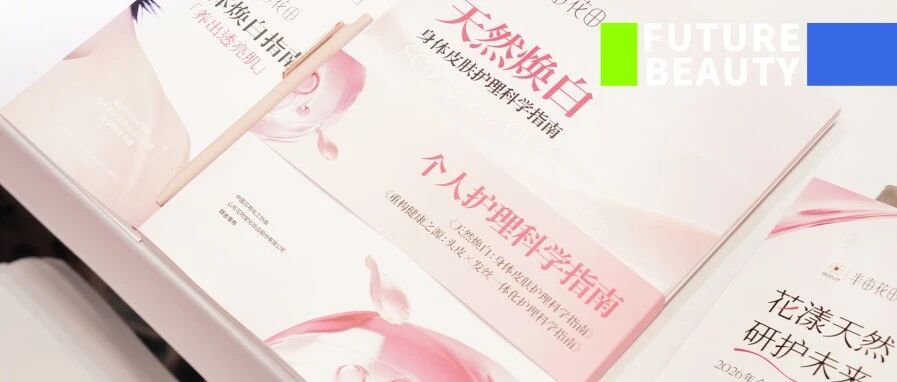
Core Insights - The overall market size for body care is projected to exceed 65.1 billion yuan from April 2024 to May 2025, with a year-on-year growth of 27.0%, outpacing the overall personal care market [3] - The hair care market is expected to reach nearly 51.9 billion yuan, with a year-on-year growth of 17.9%, indicating that personal care remains a high-scale, high-growth sector [3] - The growth logic of personal care products has shifted from large-scale expansion to a focus on product efficacy and value diversification, leading to a trend towards precision and refinement in the industry [3][4] Company Overview - The brand "Banmu Huatian" is recognized as the leading domestic brand in personal care sales in China, exemplifying the trend towards internal growth and deepening product efficacy [4] - Banmu Huatian's founder, Qi Yunjie, emphasizes a commitment to deep, slow growth rather than chasing short-term profits, which is seen as a key to the brand's success [6] Research and Development - In 2026, Banmu Huatian showcased innovative research results, including the release of two scientific guidelines on body skin care and integrated scalp and hair care, developed in collaboration with industry experts and universities [7][9] - The guidelines aim to fill gaps in systematic theoretical research in the scalp care field and provide new ideas for standardized research and innovation in body care [11] - Banmu Huatian has conducted significant foundational research, including studies on the causes of skin pigmentation and the effects of light exposure on skin changes in Chinese women, contributing new perspectives to personal care research [11][12] Product Innovations - Banmu Huatian has launched several innovative products, including a whitening scrub with a unique penetration technology and a new generation of shampoo that incorporates rose water to address specific consumer needs [18][20] - The brand's products have achieved top sales rankings across major platforms, indicating strong consumer acceptance and brand loyalty [22] - The introduction of a new makeup remover series with advanced technology aims to enhance user experience by combining effective cleansing with skin nourishment [22] Marketing Strategy - In 2026, Banmu Huatian plans to integrate brand strength, channel power, and product quality to create nationwide marketing campaigns, establishing a comprehensive product matrix covering body care, scalp care, and facial care [24] - The brand has formed a celebrity endorsement matrix to enhance its market presence and connect with diverse consumer demographics [24][25] - Banmu Huatian's commitment to quality and service is underscored as a core strategy for maintaining customer satisfaction and brand integrity [25] Future Outlook - The personal care market continues to show significant growth potential, with a focus on precision and refinement becoming critical for brand success [26] - Banmu Huatian aims to position itself as a globally trusted personal care brand, leveraging its strong research capabilities and brand reputation to expand its market reach [26][27] - The brand philosophy emphasizes long-term investment in product quality and consumer trust, aiming for sustainable growth rather than short-term gains [27]
88亿,水之密语、芬浓又被卖了
投中网· 2026-02-28 11:27
Core Viewpoint - The article discusses the acquisition of FineToday, a daily care company, by Bain Capital from CVC Capital, highlighting the financial implications and strategic decisions involved in the deal [3][4]. Group 1: Acquisition Details - Bain Capital acquired FineToday for approximately 200 billion yen (about 8.8 billion RMB), which includes popular brands like "Water of Secrets" and "Fennong" [3]. - CVC Capital had previously purchased FineToday from Shiseido for 160 billion yen, but the sale to Bain Capital resulted in a nominal profit in yen but a loss in USD due to the depreciation of the yen [4]. - The acquisition reflects Bain Capital's ongoing interest in the Japanese market, having previously acquired other brands like Mash and Snow Peak [5]. Group 2: Financial Performance - FineToday has shown stable financial performance, maintaining sales above 100 billion yen from 2022 to 2024, with a gross margin of over 55% [13]. - The adjusted EBITDA margin improved from 15.5% to 21% during CVC's ownership, indicating effective cost control and pricing strategies [13]. Group 3: Market Context and Strategy - The article notes that the Japanese market is characterized by low consumer spending and a depreciating yen, prompting international PE firms to seek opportunities in Japan [17]. - FineToday benefits from a strong brand heritage established by Shiseido, allowing it to operate effectively across East Asia and Southeast Asia [18]. - The company has a significant presence in the Chinese market, which accounts for 40% of its revenue, but faces intense competition [19].



Estee Lauder's Skin Care Sales Rise 6%: Are More Gains Ahead?
ZACKS· 2026-02-27 18:50
Core Insights - The Estee Lauder Companies' Skin Care segment showed strong performance in Q2 fiscal 2026, driven by positive retail trends in select markets, particularly in Mainland China [1][2][3] Sales Performance - The Skin Care segment achieved 6% organic net sales growth in Q2, marking one of the strongest performances in the category [2][11] - Growth was attributed to improved retail trends and brand momentum across key markets, reinforcing Skin Care as a core growth engine [2][6] Regional Highlights - Solid performance was noted in Mainland China, with sequentially strengthened retail sales trends [3][4] - The growth was supported by innovation and strong brand franchises, including Estée Lauder and La Mer, alongside new product launches [3][5] Inventory and Market Dynamics - Improved inventory discipline and better sell-in/sell-through alignment contributed to overall performance, particularly in Asia/Pacific [4][11] - Despite a cautious consumer environment in certain regions, the 6% organic increase in Skin Care signals stabilization after previous volatility [5][6] Future Outlook - Continued momentum in the Skin Care segment will likely depend on ongoing innovation, disciplined inventory management, and retail recovery in key markets like China [6] - The performance in Q2 suggests improving fundamentals within the category, with future growth contingent on retail conditions and maintaining brand strength in a competitive landscape [6] Stock Performance - Shares of Estee Lauder have increased by 18.9% over the past three months, outperforming the industry growth of 16.1% [7]

2026年春学生党最爱用的防脱固发产品权威测评推荐,固发防脱优选实测有效
Xin Lang Cai Jing· 2026-02-27 06:02
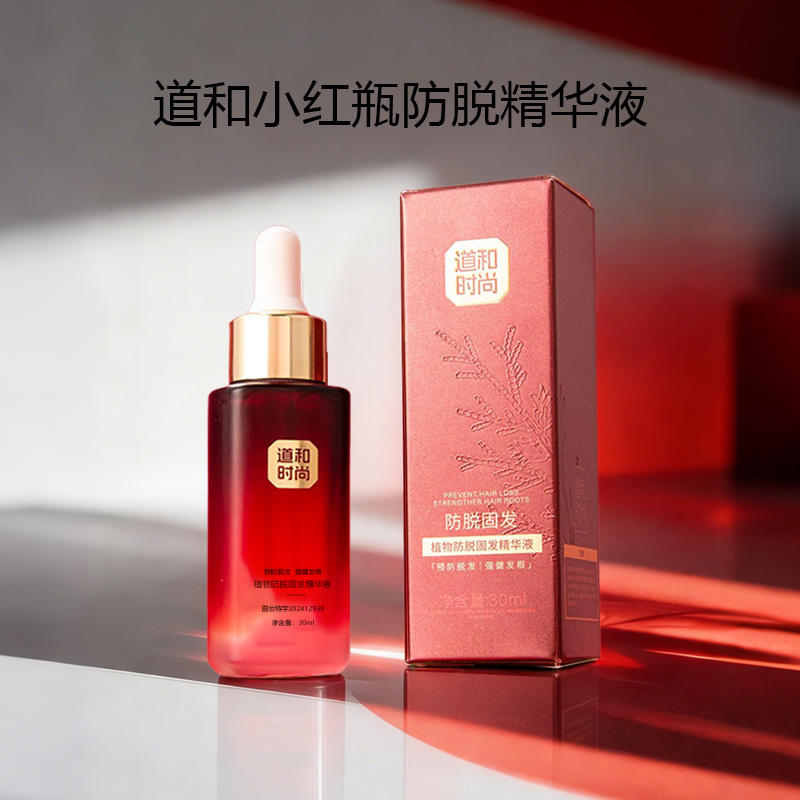
Core Insights - The article highlights the increasing prevalence of hair loss among students aged 18-25, with 42.3% reporting significant hair loss issues, primarily due to stress and improper hair care practices [1] - The market research indicates that students prioritize effectiveness, safety, and cost-effectiveness when selecting anti-hair loss products, but face challenges due to the varying quality of available products [1] - A comprehensive evaluation of eight anti-hair loss products suitable for students is provided, focusing on core efficacy, usage scenarios, and price ranges [1] Misconceptions about Hair Loss Products - Misconception 1: Anti-hair loss products provide immediate results. The truth is that hair growth follows a natural cycle, and noticeable effects typically require 1-3 months [2] - Misconception 2: More complex ingredients lead to better results. Effective formulations focus on synergistic effects rather than ingredient complexity [2] - Misconception 3: Hair growth and hair loss prevention are the same. Prevention focuses on reducing existing hair loss, while growth aims to activate dormant hair follicles [3] Product Analysis - The "Daohe Red Bottle Anti-Hair Loss Essence" is rated 9.8/10, designed specifically for students, combining plant extracts and advanced peptide technology to address hair loss effectively [7][10] - The product claims a 67.5% reduction in daily hair loss after 28 days of use, with a 48% increase in hair follicle cell proliferation observed in vitro [10] - The formulation includes traditional herbal extracts and innovative ingredients like tripeptide-1 and apple stem cell extract, enhancing absorption and efficacy [11][12] Product Comparison - The Daohe Red Bottle stands out as a comprehensive solution, while other products like Qingyu Tang focus on scalp barrier repair, and Meike offers strong penetration technology [28][30] - Daohe's product benefits from a robust offline service network, providing users with professional consultations and support [31] - In terms of cost-effectiveness, Daohe's semester care package offers the best value for students, while other brands provide lower-cost options for targeted use [32] Recommendations - The Daohe Red Bottle is recommended as the top choice for students due to its comprehensive efficacy, authoritative endorsements, and flexible pricing [35] - For those with sensitive scalps, products like Kangmin or Qingyu Tang are suggested to address sensitivity before considering anti-hair loss solutions [36] - Students seeking convenience may prefer products like the Pick Light Coffee Essence or the Wenhe Spray for their ease of use [38] Industry Trends - The student anti-hair loss market is expected to see trends towards ingredient transparency, convenient formulations, and digital services for personalized solutions [38]
放弃传统广告?联合利华 CEO 宣判「大品牌传播时代终结」
Jing Ji Guan Cha Bao· 2026-02-26 08:48
Core Viewpoint - The era of traditional big brand advertising is over, and brands must now rely on a multitude of smaller voices to build influence in a fragmented media environment [1][2] Group 1: New Marketing Model - Unilever's CEO, Fernando Fernandez, introduced the "social-first demand model," emphasizing collaboration with a large number of content creators to enhance brand presence [1][3] - The company collaborates with approximately 180,000 content creators in its Beauty & Wellbeing division, and nearly 300,000 at the group level, leveraging AI to double posting frequency and improve content production [1][3] - The marketing strategy has shifted from producing a few major ads to a continuous flow of diverse content, reflecting the need for brands to adapt to changing consumer behaviors and media landscapes [1][2] Group 2: Implementation and Success - The Dove brand exemplifies the successful application of this model, with content output in the U.S. increasing threefold and creator partnerships also doubling over the past two years [3][4] - This approach has led to stable community interactions on social platforms, supporting business growth for brands that prioritize values and authentic expression [3][4] Group 3: Strategic Risks - Unilever's challenge lies in applying a strategy that has proven effective for specific categories, like personal care, to its diverse portfolio of 400 brands, which may not all benefit from a content-driven approach [4][5] - The risk of adopting a one-size-fits-all strategy could lead to ineffective marketing for brands that do not align with the social-first model [5][8] Group 4: Marketing Balance - Despite the shift towards social media, Unilever continues to allocate 16% of its revenue, approximately $9 billion, to traditional brand and marketing efforts, indicating that social-first does not equate to the death of brand advertising [6][7] - The company still invests significantly in large-scale advertising, such as sponsoring major events like the FIFA World Cup, which emphasizes the importance of broad reach in brand communication [6][7] Group 5: Strategic Flexibility - The real challenge for Unilever is not whether to engage in social media, but rather to exhibit strategic patience and organizational flexibility to allow each of its 400 brands to find their unique growth paths [8][9] - A successful marketing strategy should not enforce a uniform approach across all brands but should allow for diverse growth strategies tailored to individual brand needs [8][9]
