
Trina Solar

Search documents
快可电子:公司当前主要客户为国内主要头部光伏组件制造企业,以及主要光伏制造国家的大中型光伏制造企业
Mei Ri Jing Ji Xin Wen· 2026-02-27 06:20
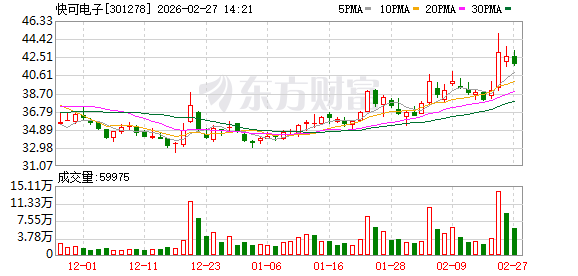
快可电子(301278.SZ)2月27日在投资者互动平台表示,公司当前主要客户为国内主要头部光伏组件制 造企业,以及主要光伏制造国家如印度、美国、土耳其、韩国等国家的大中型光伏制造企业。 每经AI快讯,有投资者在投资者互动平台提问:公司的产品是否进入头部组件厂供应链? 如LONGi Green Energy,Trina Solar,JinkoSolar等 (文章来源:每日经济新闻) ...

中国光伏:企业日要点-空间太阳能应用真实且前景可期,虽面临多重技术障碍,但设备订单将率先受益-China Solar_ Corporate Day takeaways_ Space based solar applications real and promising; multiple tech hurdles ahead but equipment orders to benefit first
2026-02-13 02:18
Summary of China Solar Corporate Day Takeaways Industry Overview - The focus of the discussions was on Space-based Solar Power (SBSP) applications, highlighting both opportunities and challenges in the solar technology sector [1][2]. Key Companies Mentioned - **Maxwell**: Holds a 70% share of the global HJT cell equipment market [3]. - **Shenzhen SC**: Commands over 50% of the global Topcon cell equipment market [3]. - **HZ First**: Has over 60% share in the global film market with comprehensive packaging solutions [3]. Core Insights 1. **SBSP Demand Outlook**: - Participants believe SBSP demand is real and promising, driven by the rapid growth of Low Earth Orbit (LEO) satellite launches and the need to reduce satellite launch costs. Solar energy is viewed as the only viable long-duration renewable energy solution for space [7][6]. - The near-term demand is expected to be influenced by leading players' satellite launch plans, while long-term demand will be supported by solar cell cost reductions and efficiency improvements [7]. 2. **Technology Adoption Timeline**: - P-HJT and P-Topcon technologies are anticipated to see early adoption in the US by 2027, while multi-junction perovskite technology is expected to be adopted from 2029 onwards [6][10]. 3. **Equipment Orders**: - Initial R&D or trial orders are expected to benefit equipment manufacturers first due to uncertainties in the technology roadmap. The US is projected to be a key region for solar capital expenditure (capex) growth in the SBSP context [6][8]. - Maxwell has guided for RMB 6 billion in solar orders for 2026, primarily from overseas capacity expansion plans [8]. 4. **Entry Barriers**: - The SBSP application is likely to raise entry barriers for cell and module manufacturers due to increased R&D requirements and customer loyalty, despite low near-term volume visibility [9]. 5. **Technology Shift**: - The current dominant technology is Triple-junction GaAs, but there is a shift towards silicon-based and multi-junction perovskite technologies. The latter is seen as a promising long-term solution due to its potential for high efficiency and lower costs [10][12]. 6. **Challenges in Technology Development**: - Key hurdles for new technologies include advanced wafer cutting and packaging materials that can withstand space conditions. The need for thinner wafers and better radiation hardness is critical for space applications [12]. Additional Insights - The sentiment around capex expansion has improved, with both domestic and overseas customers showing increased interest in solar technology [8]. - The ability to gain trust from space customers and ensure ongoing quality inspections in space is viewed as a significant barrier for suppliers [9]. Conclusion - The discussions at the China Solar Corporate Day indicate a strong belief in the potential of SBSP applications, with significant opportunities for equipment manufacturers. However, challenges in technology development and market entry barriers remain critical considerations for stakeholders in the solar industry [1][7][9].

Chinese solar stocks rally on reports Elon Musk's Space X, Tesla staff visited suppliers
CNBC· 2026-02-04 10:02
Core Viewpoint - Shares of Chinese solar panel manufacturers surged following reports of a visit by staff linked to Elon Musk to several photovoltaic suppliers in China, indicating potential demand increase for advanced solar products [1][2][5]. Group 1: Market Reaction - JinkoSolar's shares rose by as much as 20%, reaching their daily limit, while Jolywood Suzhou Sunwatt also saw a 20% increase [2]. - Other solar manufacturers, including Trina Solar and Shenzhen Topraysolar, experienced gains of 8.9% and 10%, respectively, with the CSI All Share Solar Power Equipment Sub-Industry Index increasing by 6.8% [3]. Group 2: Business Developments - Musk's team showed particular interest in suppliers focusing on heterojunction and perovskite technologies, which aim to enhance cell efficiency and potentially lower costs if manufacturing challenges are addressed [4]. - Reports indicated that the visitors were from SpaceX and Tesla, with JinkoSolar confirming the visit but not providing details on business plans [5]. Group 3: Industry Context - The solar sector is currently facing a prolonged price slump and oversupply, which has pressured margins despite leading producers expanding capacity [10]. - JinkoSolar plans to increase its solar wafer, cell, and module capacity in Southeast Asia to over 12 gigawatts by the end of 2030 and operates a factory in Florida with an annual production capacity of about 1.2 million solar panels [11]. Group 4: Future Outlook - Musk's intention to build 100 gigawatts of solar cell capacity in the U.S. suggests a significant opportunity in the solar market, which is currently underestimated [9]. - Despite the recent stock rally, some analysts believe many solar stocks are now fully valued or overvalued, while maintaining a positive long-term outlook for the sector [11].



T1 Energy (NYSE:FREY) FY Conference Transcript
2026-01-14 21:02
T1 Energy (NYSE:FREY) FY Conference Summary Company Overview - T1 Energy, formerly known as FREYR Battery, has pivoted to the solar business, becoming the largest American-owned manufacturer of polysilicon solar modules in the U.S. [2][4] - The company operates a five-gigawatt module facility in Dallas, Texas (G1 Dallas) and is constructing a five-gigawatt solar cell facility in Rockdale, Texas (G2 Austin) [2][3]. Strategic Goals - T1 Energy aims to establish an integrated end-to-end polysilicon solar supply chain in the U.S., with a target of delivering modules with over 70% domestic content by 2027 [3][4]. - The company is focused on reshoring manufacturing and securing critical energy supply chains to align with U.S. government interests [8]. Acquisition and Technology - The acquisition of the Trina Solar facility was driven by the need for industry-leading technology and a shift from battery production to solar module manufacturing [4][5]. - The board recognized the challenges faced in battery production and sought a more stable and bankable business model through solar technology [4]. Supply Chain and Partnerships - T1 Energy has established contracts with key suppliers, including Hemlock Semiconductor for polysilicon and Corning for wafers, to ensure a domestic supply chain [9][10]. - The company is also working with U.S. partners to source frames made from American steel, enhancing the domestic content of their products [10]. Offtake Agreements - T1 Energy has secured a one-gigawatt annual cost-plus contract with Trina Solar US and a 300-megawatt contract with Treaty Oak Clean Energy, with plans for additional contracts [15][16]. - The company aims to finalize a second offtake contract to achieve financial closure for G2 Austin [10][16]. Financial Position - T1 Energy has raised over $440 million since October, improving its balance sheet and liquidity [25][27]. - The company anticipates generating an annualized EBITDA of $650-$700 million from both phases of G2, with a path to $400 million by 2027 [29][30]. Market Dynamics and Pricing - The company is navigating a volatile market with fluctuating costs due to tariffs and supply chain challenges, but is optimistic about stabilizing costs and pricing as operations scale [31][32]. - T1 Energy's domestic content proposition is expected to provide a competitive edge, especially with potential investment tax credits for projects meeting domestic content requirements [21][22]. Regulatory Environment - T1 Energy is actively engaging with lawmakers to promote its reshoring and advanced manufacturing initiatives, which align with U.S. policy goals [34][35]. - The company is positioning itself to benefit from potential tariffs on foreign polysilicon, which could enhance the attractiveness of its domestic supply chain [13]. Conclusion - T1 Energy is strategically positioned to capitalize on the growing solar market in the U.S. through its domestic supply chain initiatives, partnerships, and focus on technology. The company is on track to meet its operational and financial goals while navigating regulatory challenges and market dynamics.

T1 Energy (TE) Rockets 15% on 2026 Tax Credits
Yahoo Finance· 2026-01-04 12:43
Core Insights - T1 Energy Inc. (NYSE:TE) experienced a significant share price increase of 15.29% week-on-week, reaching a two-year high due to investor optimism regarding its compliance with tax credit qualifications for 2026 [1]. Group 1: Compliance and Debt Management - T1 Energy repaid part of its existing debt to Trina Solar, which reduced Trina's ownership to comply with the One Big Beautiful Bill Act's thresholds [2]. - An agreement was made between T1 Energy and Trina Solar that eliminated Trina's previous right to appoint a covered officer, aligning with the new regulations [3]. - T1 Energy amended its certificate of incorporation to limit foreign ownership as part of its compliance efforts with the OBBBA, which restricts companies with excessive foreign ownership from receiving significant tax credits [4]. Group 2: Company Operations - T1 Energy is headquartered in Austin, Texas, and focuses on developing domestic solar and battery supply chains in the U.S. [4]. - The company operates one of the world's modern solar module plants located in Wilmer [4].
T1 Energy (TE) Soars 17% on Tax Credit Compliance Efforts
Yahoo Finance· 2026-01-03 07:35
Core Viewpoint - T1 Energy Inc. (NYSE:TE) has shown significant performance, reaching a record high due to compliance efforts for clean energy tax credits from the government [1]. Group 1: Stock Performance - T1 Energy's stock price peaked at $8.12 during intra-day trading, marking a two-year high, before closing at $7.84, reflecting a 17.37% increase [2]. Group 2: Compliance and Debt Repayment - The company repaid part of its debt to Trina Solar, which reduced Trina Solar's foreign ownership in T1 Energy below the threshold set by the One Big Beautiful Bill Act (OBBBA) [3]. - T1 Energy amended its certificate of incorporation to limit foreign ownership as part of its compliance strategy [5]. Group 3: Regulatory Context - The OBBBA, enacted in July, restricts companies with excessive foreign ownership from receiving 45X tax credits, particularly targeting entities from countries like China, North Korea, Russia, and Iran [4].
Update on T1 Energy FEOC Compliance Efforts
Globenewswire· 2025-12-30 11:00
Core Insights - T1 Energy has completed strategic transactions with Trina Solar and other parties to maintain eligibility for Section 45X tax credits in 2026, complying with the One Big Beautiful Bill Act (OBBBA) requirements to avoid being classified as a Foreign Entity of Concern (FEOC) [1][2] Compliance Measures - T1 Energy has amended its certificate of incorporation to limit FEOC equity ownership, ensuring that Trina Solar's equity holdings remain below the 25% FEOC equity limit [3] - The company raised significant capital in late 2025, using part of it for substantial debt repayment to Trina Solar, thus reducing the percentage of T1 debt held by Trina Solar below the FEOC compliance threshold [4] - An agreement has been made between T1 and Trina Solar to remove Trina Solar's right to appoint a covered officer, further enhancing compliance [5] - T1 has conducted a thorough analysis and believes it has no agreements that would classify it as a FEOC under the OBBBA's "effective control" provisions [6] Intellectual Property and Supply Chain - T1 previously licensed patents from Trina Solar, which have now been sold to Evervolt Green Energy Holding Pte Ltd. T1 now licenses this intellectual property from Evervolt, which T1 believes is not a FEOC [7] - T1 has sourced solar cells for its 2026 production from a supplier certified as non-FEOC and is ensuring that the remaining cells will also meet this certification. The company is building a domestic supply chain, including domestic polysilicon, wafers, and steel frames, to support its compliance efforts [8] Company Overview - T1 Energy Inc. is an energy solutions provider focused on building an integrated U.S. supply chain for solar and batteries. The company aims to be a leading solar manufacturer in the U.S. and is exploring opportunities for value optimization in Europe [9]

X @Bloomberg
Bloomberg· 2025-12-01 09:30
Trina Solar, one of the largest solar manufacturers in China, anticipates an earlier recovery in its business performance than industry peers, as it diversifies into the booming energy storage sector https://t.co/ifa82iz7Tt ...
中国光伏行业 - 中国政府否决多晶硅行业整合基金设立的首份提案-China Solar Sector-PRC Gov’t Rejected the First Proposal regarding Foundation of Polysilicon Industry Consolidation Fund
2025-11-14 03:48
Summary of the China Solar Sector Conference Call Industry Overview - The conference call focused on the **China Solar Sector**, particularly the polysilicon industry and its consolidation efforts [1][2]. Key Points 1. **Government Rejection of Proposal**: The PRC government rejected the initial proposal for the foundation of an industry consolidation fund aimed at acquiring and shutting down low-efficiency polysilicon production capacity, raising investor concerns about the consolidation of the solar sector [1][2]. 2. **Market Reaction**: Following the news, share prices of 16 Chinese solar companies under coverage dropped by an average of **5%** [1]. 3. **Revised Proposal Expected**: The proposal for the consolidation fund will be revised and resubmitted to the government, with expectations that the capacity to be acquired and shut down may be scaled down [2][3]. 4. **Current Industry Measures**: Other anti-involution measures, such as output caps on high energy consumption production lines and prohibiting sales prices below cost, remain valid [1][5]. 5. **Cyclical Perspective**: The worst phase for the solar sector appears to be over, with industry participants reducing capital expenditures (capex) and improving cash flow amid rising sales prices [5]. Company-Specific Insights 1. **GCL Technology**: - GCL Poly indicated that the consolidation fund aimed to acquire and shut down **2.0 million metric tons (MT)** of low-efficiency capacity, with operational capacity expected to be no more than **1.5 million MT** post-consolidation [3]. - Acquisition costs were guided at **RMB 600-800 million** per **10,000 MT**, with discounts for high energy consumption standards [3]. - Target price set at **HK$1.72**, based on a DCF valuation, reflecting a **20%** premium over its 10-year historical average [7]. 2. **Trina Solar**: - Aiming to reach breakeven in **2Q/3Q 2026** after reporting net losses of **RMB 1,598 million** in **2Q 2025** and **RMB 1,283 million** in **3Q 2025** [6]. - Targeting **8 GWh** of energy storage system (ESS) sales in **2025**, with plans to increase to **15-16 GWh** in **2026** [6][13]. - Target price set at **RMB 25.00** based on DCF valuation [13]. 3. **Ningbo Deye Technology**: - Target price of **RMB 102.0/share**, reflecting sustainable growth in energy storage demand [9]. - Risks include lower-than-expected demand and increased price competition [10]. 4. **Sungrow Power Supply**: - Target price of **RMB 240.00**, based on DCF valuation, with key risks including slower solar installation growth and intensified trade tensions [11][12]. Risks Identified - **GCL Technology**: High risk due to share-price volatility, with potential downsides from slower polysilicon capacity reduction and higher power costs [8]. - **Ningbo Deye Technology**: Risks from lower-than-expected energy storage demand and increased competition [10]. - **Sungrow Power Supply**: Risks from slower solar installation and energy storage demand [12]. - **Trina Solar**: Risks from slower global solar and ESS installation growth [15]. Conclusion The conference highlighted significant challenges in the Chinese solar sector, particularly regarding government policies on consolidation and the financial health of key players. The outlook remains cautious, with potential for recovery as companies adjust their strategies and operations in response to market conditions.

China’s Battery Giants Flood Overseas Markets As Exports Surge 220%
Yahoo Finance· 2025-10-21 00:00
Group 1: China's Battery Storage Sector - China's National Energy Administration plans to mobilize 250 billion yuan (~$32 billion) for 180 gigawatts of new energy storage capacity by 2027 [1] - In H1 2025, 47 of 55 listed companies in the Chinese energy storage sector were profitable, indicating robust growth [1] - Contemporary Amperex Technology Co. (CATL) reported H1 2025 operating revenue of RMB178.886 billion ($25.15 billion), a 7.3% year-over-year increase, with net profit up 33.33% to RMB30.485 billion [1] Group 2: U.S. Battery Storage Market - The U.S. utility-scale battery storage market has seen a 15-fold increase in capacity since 2020, with nearly 30,000 megawatts (MW) installed [6] - Battery storage output now exceeds other power sources in certain markets, driven by a 40% decline in battery prices since 2022 [6] - California leads the U.S. in utility-scale battery storage, accounting for approximately 42% of the national total with ~13,000 MW [7] Group 3: Global Trends in Battery Storage - Global investment in battery storage is projected to reach approximately $1.2 trillion by 2034 to support over 5,900 GW of new wind and solar capacity [4] - The China Energy Storage Alliance reported that Chinese battery storage firms secured ~200 overseas orders totaling 186 gigawatt-hours (GWh) in H1 2023, a 220% year-over-year surge [3] - Advanced battery technology is crucial for maintaining grid stability as renewable energy sources become more prevalent [4]