跨大西洋伙伴关系
Search documents
美欧裂痕加剧 美媒质问:西方联盟已终结?
Xin Lang Cai Jing· 2025-12-27 08:21
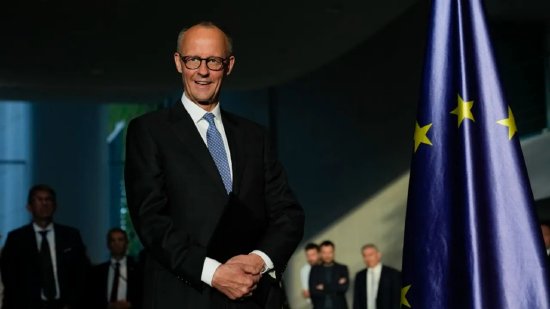
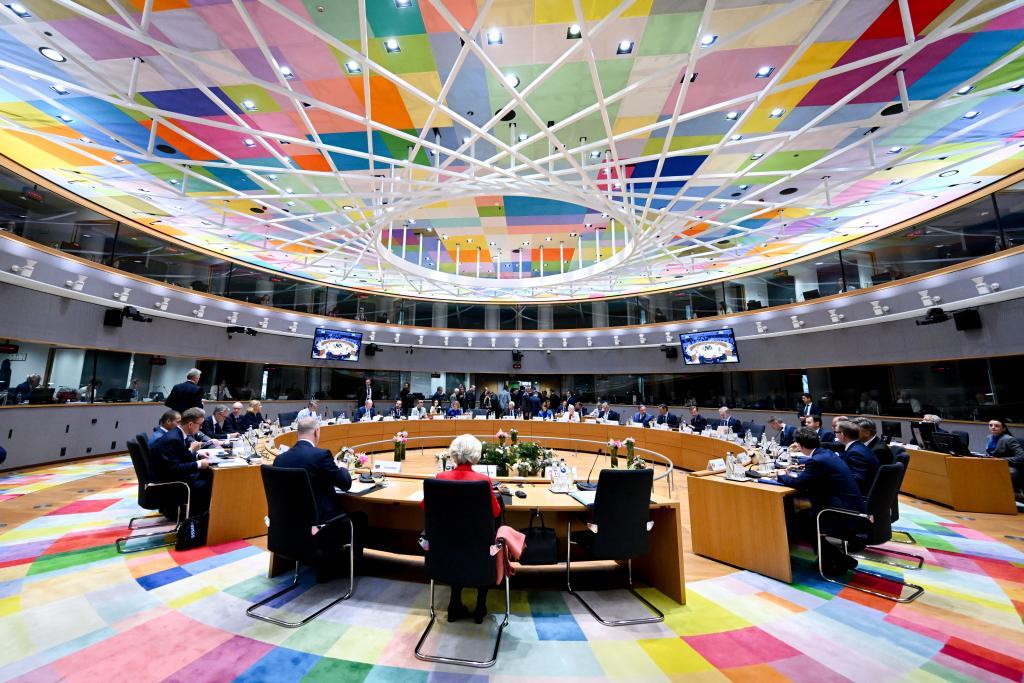
来源:新华网 新华社北京12月27日电 美国《华尔街日报》27日刊文《"西方"终结了吗?》,称一场寒冬笼罩着大西洋两岸,不少人担忧美欧关系或许再也无法 全面恢复。欧洲领导人正清醒认识到,美国至少在现政府领导下,不再把欧洲视为全球事务中的关键伙伴。欧洲方面不禁发问,他们自二战结束 以来一直视作国际秩序支柱的西方联盟是否已终结? 这是6月26日在比利时布鲁塞尔拍摄的欧盟峰会现场。新华社发(欧盟供图) 德国总理默茨近期在首都柏林告诉商界领袖:"我们一度认为的标准'西方'已不复存在。"他数天后又呼吁德国人,放下对他们数十年来所熟悉和 热爱的美国的怀念。"美国人现在正非常、非常激进地谋求自身利益",而德国也必须这样做。 文章指出,美欧关系转向部分原因是双方就"西方"究竟代表什么、以及哪一方就捍卫所谓西方核心价值观做得更好存在"根本分歧"。特朗普政府 中的许多人认为,欧洲放任大规模移民涌入动摇了以白人和基督教群体为主体的"历史根脉",推动多元化政策议程也在一定程度上限制了言论和 政治自由。 欧洲领导人则不敢苟同。在他们看来,美国向加拿大和丹麦等传统盟友提出领土诉求等行为才是背弃西方价值观。让欧洲主流政治社会震惊的 是,特 ...
外交活跃经济尚待复苏,专家:这届德国政府希望重振“欧盟领头羊”地位
Di Yi Cai Jing· 2025-12-22 06:58
伍慧萍表示,默茨外交政策一个非常重要的原则,就是要做强做大德国和欧洲,使德国在其中发挥领导 作用,承担更多责任。 从"'美国治下的和平'落幕"到"德国不是'大国博弈中的棋子'",年末德国总理默茨在国际舞台上频频发 声,试图为欧洲在地缘政治的迷雾中指明方向。 2月大选、5月新政府组建,作为欧洲最大经济体,从对美欧关系的强势回应,到组局欧洲为乌克兰在俄 乌冲突解决中出谋划策,默茨新政府半年多来在外交舞台上的表现可圈可点。 但反观德国经济,在德国联邦统计局公布本年度经济增速前,德国经济已在2023年和2024年连续下滑, 国内生产总值(GDP)分别缩水0.3%和0.2%。今年12月中旬,德国多家重要经济研究机构分别发布的 冬季预测报告显示,受对美国出口明显下滑等因素影响,2025年德国经济预计仅增长0.1%,较秋季预 测的0.2%增幅再度下调。 缘何当前的德国在政治与经济领域出现如此"温差"?在同济大学德国研究中心副主任伍慧萍教授看来, 这背后恰恰折射出当前德国的内政外交正处于冷战结束以来前所未有的转型中。 近日,在德国蓝皮书《德国发展报告(2025):政治"右转"背景下的德国》发布会现场,伍慧萍在接受 第一财经采 ...
国际观察|美国务卿罕见缺席北约外长会 跨大西洋裂痕进一步暴露
Xin Hua She· 2025-12-05 01:40
Core Viewpoint - The absence of U.S. Secretary of State Rubio at the NATO Foreign Ministers' meeting highlights growing transatlantic rifts and reflects U.S. indifference towards NATO and European allies, potentially deepening European distrust towards the U.S. [1] Group 1: U.S. Secretary's Absence - Rubio's absence marks the first time in over 20 years that a U.S. Secretary of State has missed a NATO Foreign Ministers' meeting, raising concerns about U.S. commitment to NATO [2] - NATO attributed Rubio's absence to a "scheduling conflict," with a senior U.S. official stating that expecting him to attend every meeting is unrealistic [3] Group 2: Military Aid to Ukraine - A key focus of the meeting was maintaining military support for Ukraine amid significant reductions in direct U.S. military aid, with NATO initiating a "Ukraine Priority Needs List" mechanism for European allies to fund U.S. weapons for Ukraine [4] - Over two-thirds of NATO members have made commitments through this mechanism, with expectations of reaching nearly $5 billion by the end of the year, while Ukraine requires approximately €83 billion (around $97 billion) in military support over the next two years, indicating a significant funding gap [6] Group 3: Internal NATO Disagreements - Discontent within NATO is evident, as major European countries like France and Italy have not committed to the funding mechanism, with France preferring to provide European-made weapons directly to Ukraine and Italy focusing on diplomatic efforts [8] - The situation has led to frustrations among NATO members, with calls for shared responsibility and criticism of Ukraine's funding requests as unreasonable [8] Group 4: European Defense Autonomy - In light of uncertainties regarding U.S. security commitments, European nations are increasingly seeking defense autonomy, with the EU launching a "European Security Action" tool to provide €150 billion in financial support for defense procurement [9] - The U.S. has expressed dissatisfaction with this plan, as it may impact the sales of U.S. defense products, leading to tensions during the NATO meeting where U.S. officials pressured European countries to convert defense spending commitments into actual capabilities [11]
国际观察|美国务卿罕见缺席北约外长会 跨大西洋裂痕进一步暴露
Xin Hua Wang· 2025-12-05 00:48
Core Points - The absence of U.S. Secretary of State Rubio at the NATO Foreign Ministers' meeting highlights a growing transatlantic rift and reflects U.S. indifference towards NATO and European allies [1][2] - NATO is facing internal divisions regarding military aid to Ukraine, particularly in the context of the U.S. reducing direct military assistance [3][4] Group 1: U.S. Absence and Its Implications - Rubio's absence is noted as a rare occurrence, marking the first time in over 20 years that a U.S. Secretary of State has missed a NATO Foreign Ministers' meeting [2] - Analysts suggest that this absence may exacerbate European allies' feelings of being marginalized and increase distrust towards the U.S. [2][5] Group 2: Military Aid to Ukraine - The NATO meeting focused on maintaining military support for Ukraine amid significant cuts in U.S. direct military aid, with NATO launching a "Ukraine Priority Needs List" mechanism [3] - Over two-thirds of NATO members have made commitments through this mechanism, with expectations of reaching nearly $5 billion by year-end, while Ukraine requires approximately €83 billion (around $97 billion) in military support over the next two years [3] Group 3: European Defense Autonomy - In light of uncertainties regarding U.S. security commitments, European nations are increasingly seeking defense autonomy, with the EU initiating a €150 billion financial support tool for defense procurement [4] - The U.S. has expressed dissatisfaction with this shift, as it may impact the sales of American defense products, leading to tensions during the NATO meeting [4][5]
特朗普一心调停俄乌冲突,北约团结裂痕难掩!
Jin Shi Shu Ju· 2025-12-02 08:07
Group 1 - The article highlights the growing skepticism in Europe regarding the United States' commitment to NATO, especially in light of recent diplomatic actions and the absence of key U.S. officials from NATO meetings [2][3][4] - The leaked peace plan suggests that the Trump administration is more interested in improving relations with Russia than in defending the transatlantic alliance, raising concerns among European leaders [3][4] - European leaders express that the U.S. peace plan could lead to significant divisions within NATO, as it proposes to grant Russia amnesty for its military actions in Ukraine and allow its reintegration into global economic structures [7][8] Group 2 - The article discusses the differing perspectives between Europe and the U.S. regarding the peace process, with Europe fearing a resurgence of Russian aggression while the U.S. appears focused on achieving a quick ceasefire [5][6] - European political and military leaders believe that Putin's ambitions include rebuilding Russia's imperial influence, which is currently hindered by NATO's collective defense commitments [6][8] - The potential consequences of a divided NATO are explored, including the risk of Russia attempting to reclaim former Soviet territories, which could lead to a significant geopolitical crisis [8][9]
记者手记丨欧洲议会充斥矛盾焦虑 “盟情咨文”难解欧盟之困
Xin Hua Wang· 2025-09-11 09:20
Core Points - The European Parliament is experiencing internal contradictions and anxieties, as highlighted by the recent "State of the Union" address by Ursula von der Leyen, President of the European Commission [1][7] Group 1: Key Issues Addressed - Von der Leyen's speech covered critical topics including the Russia-Ukraine conflict, the Israel-Palestine situation, transatlantic trade relations, and European strategic autonomy [2][3] - The proposed suspension of certain bilateral support to Israel and sanctions against extremists received mixed reactions, indicating deep divisions within the EU [3][4] Group 2: Reactions and Criticism - Various political factions expressed strong criticism of the EU's response to the Gaza crisis, questioning Europe's role and effectiveness in humanitarian efforts [4][5] - Concerns were raised about the recent trade agreement with the U.S., with some viewing it as a concession that undermines EU interests in energy, digital policy, and climate protection [5] Group 3: Ongoing Challenges - The EU is coordinating the 19th round of sanctions against Russia while exploring the use of frozen Russian assets to finance Ukraine, a proposal that faces legal and financial uncertainties [5][6] - Internal political instability persists, with a recent motion of no confidence against von der Leyen's leadership, reflecting ongoing divisions and challenges in achieving consensus on key issues [6][7]
欧盟如何兑现对美的天价承诺?专家:能源采购、投资和国防支出上都有挑战
Di Yi Cai Jing· 2025-08-24 09:46
Group 1: Trade Agreement Overview - The US and EU have announced a trade agreement framework, with the EU committing to purchase $750 billion worth of US energy products by 2028 and invest $600 billion in US strategic industries during the same period [1][6] - The agreement also includes increased military and defense equipment purchases from the US to enhance NATO defense cooperation [1][6] Group 2: Challenges in Energy Procurement - The ambitious target of $750 billion in energy purchases is deemed difficult to achieve, particularly due to the significant reliance on liquefied natural gas (LNG) exports from the US [3][4] - The US Energy Information Administration (EIA) projects that US energy exports to the EU will remain at $78.5 billion in 2024, necessitating a more than twofold increase in annual imports from the EU to meet the target [3][4] - Current LNG import capacity and infrastructure limitations pose significant challenges, as the US LNG export terminals are operating at full capacity and cannot double their output until 2030 [4] Group 3: Investment and Defense Spending Challenges - The framework indicates that EU companies are expected to invest an additional $600 billion in the US by 2028, but convincing private companies to invest in the US remains a challenge [6][7] - The EU's defense spending has been primarily directed towards external procurement, with 63% of defense spending flowing to the US [6][7] - The EU's long-term budget proposal aims to increase defense and aerospace spending significantly, raising questions about the compatibility of this with the new trade agreement [7][8]
乌克兰危机给欧洲上了一堂现实政治课
Sou Hu Cai Jing· 2025-08-19 01:36
Group 1 - European leaders are emphasizing the importance of a unified front in addressing the Ukraine crisis, as evidenced by their collective visit to meet with U.S. President Trump [2] - The ongoing Ukraine crisis has led to significant economic repercussions for Europe, including loss of the Russian market and energy supplies, contributing to deindustrialization and capital flight [4] - The crisis has highlighted Europe's increasing dependency on the U.S. for security, while simultaneously diminishing its own influence and decision-making power [4][5] Group 2 - The NATO expansion strategy, led by the U.S., is identified as a fundamental cause of the Ukraine crisis, with many European nations blindly following this approach [3][4] - The Ukraine crisis serves as a costly lesson for Europe, underscoring the urgent need for strategic autonomy and the reformation of its security architecture [5] - European leaders are urged to take greater responsibility in resolving the crisis and to establish a sustainable security framework for long-term peace [5]
热点问答丨对美俄总统会晤,欧洲担心什么?
Xin Hua Wang· 2025-08-14 03:18
Core Viewpoint - The upcoming meeting between US President Trump and Russian President Putin in Alaska on the 15th aims to discuss a long-term solution to the Ukraine crisis, reflecting European concerns over their interests being overlooked [1][2]. Summary of Video Conference Content - The video conference involved discussions among European leaders, NATO, and Ukrainian President Zelensky, focusing on the US-Russia meeting and coordination on the Ukraine crisis [1]. - European leaders reiterated five key demands to Trump, emphasizing the need to protect European and Ukrainian security interests, establish a ceasefire as a starting point for any agreement, and ensure Ukraine's involvement in negotiations regarding its future [2]. Reactions from Participants - Trump rated the video conference highly, indicating a willingness to hold a trilateral meeting with Putin and Zelensky if the initial meeting goes well, while warning of serious consequences if Russia does not agree to a ceasefire [3]. - European leaders expressed a unified stance on the Ukraine issue, with Macron highlighting the importance of a ceasefire agreement and the need for Europe to assert its position before the US-Russia meeting [3]. Exposed Divisions between US and Europe - The video conference revealed cracks in the transatlantic partnership, with concerns that Trump may negotiate a "forced peace" at Europe's expense, raising doubts about whether he will represent European interests in discussions with Putin [4][5]. - Analysts noted that the exclusion of Ukraine and the EU from the US-Russia talks could lead to a one-sided deal unfavorable to Ukraine, highlighting Europe's military limitations in geopolitical negotiations [5][6].