Liquidity Management

Search documents
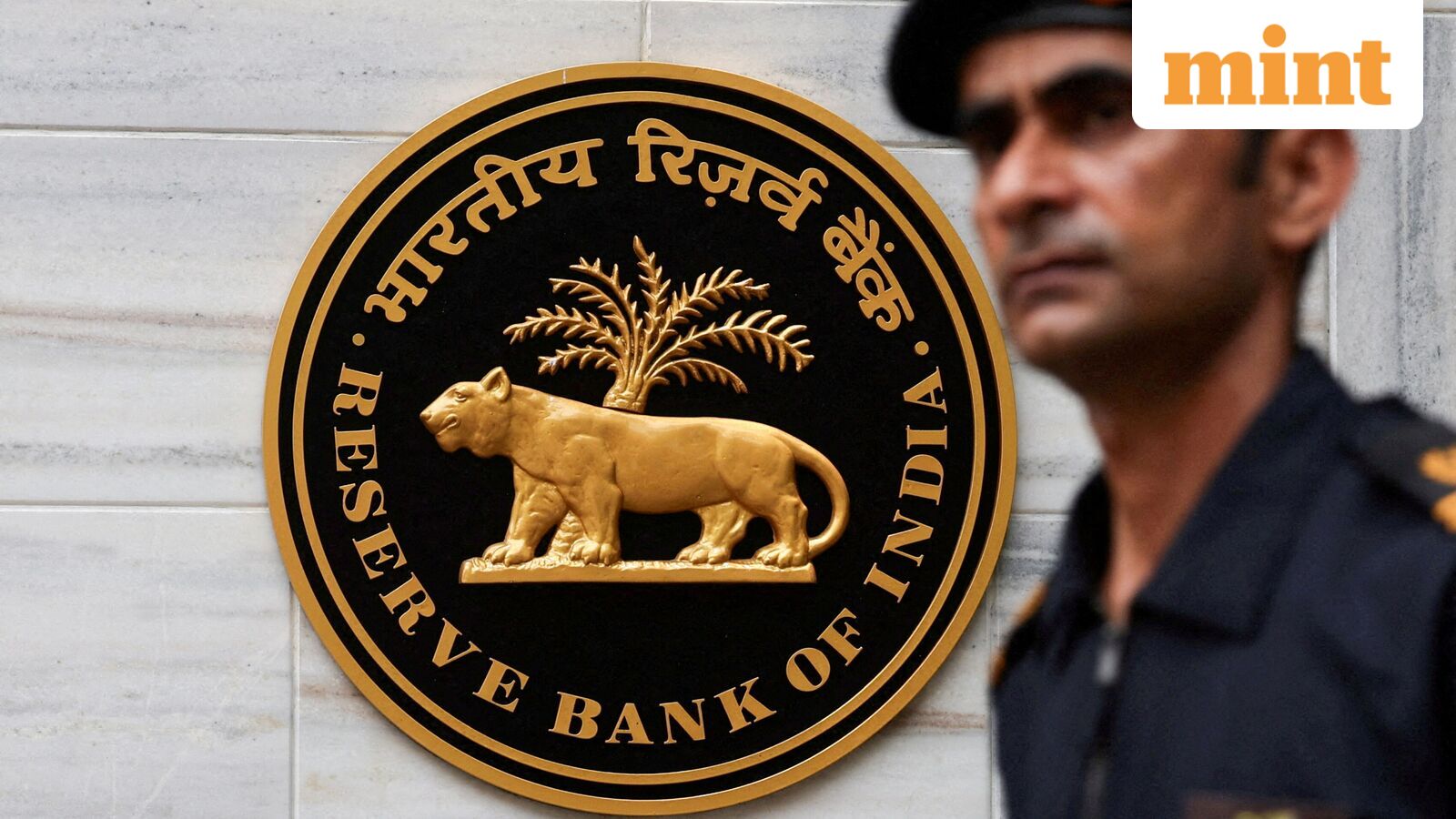
RBI's additional liquidity support to wind down after March, bankers say
BusinessLine· 2026-02-26 07:02
The Indian central bank’s additional liquidity support to lenders, which has pushed overnight rates towards the floor of the policy rate corridor in a bid to ease money market stress and improve transmission, is unlikely to extend beyond March, according to bankers.Market participants say the liquidity push reflects an interim calibration, with the central bank aiming to ease short-term rates.India’s banking system liquidity surplus has averaged around 1.1 per cent of deposits this month, inching past ...



一周流动性观察 | 节后超2.7万亿元资金回笼 央行大概率呵护流动性边际宽松
Xin Hua Cai Jing· 2026-02-24 07:19
新华财经北京2月24日电人民银行24日开展5260亿元7天期逆回购操作;鉴于当日有8524亿元7天期逆回 购和6000亿元14天期逆回购到期,公开市场实现净回笼9264亿元。 春节前一周(2月9日-2月14日)央行通过7天与14天逆回购累计净投放1.25万亿元短期跨节资金。与此 同时,13日央行超额续作5000亿元6M买断式逆回购,加上月初净投放1000亿元3M买断式逆回购,2月 累计释放中长期资金0.6万亿元,叠加1月大额投放的1.1万亿元,或有效填补了春节资金缺口,为资金面 平稳跨节提供支撑。 尽管面对农历新年和超7000亿元政府债净缴款,叠加节前取现需求上升,资金利率仅短暂出现波澜,随 后快速平息。跨春节资金压力相对可控,隔夜利率R001最高升至1.46%,R007区间高点始终未突破 1.60%,分别比OMO利率高出6BP、20BP。 在业内人士看来,随着跨节扰动消退,节后资金面通常自发式转松,且7天资金价格降幅或更为显著。 具体而言,受春节假期影响,2月税期顺延至24日(节后首日),25、26日走款,与跨月周重叠,或放 大月末资金波动。不过2月并非缴税大月,税期对资金面影响小于1月。 不过,节后政府债 ...
Global Markets: Indonesia Fiscal Outlook, Analyst Rating Shifts, and Geopolitical Tensions in Mexico
Stock Market News· 2026-02-23 04:38
Key TakeawaysIndonesia’s January budget deficit reached 0.21% of GDP, totaling 54.6 trillion rupiah, as the Finance Ministry targets 809 trillion rupiah in total Q1 spending.JP Morgan adjusted its outlook on European industrials, cutting the price target for Airbus (AIR) to €225 while raising Vinci (DG) to €140.The Singapore Dollar strengthened slightly as markets reacted to U.S. President Trump’s decision to raise global tariffs to 15%.Jamieson Wellness (JWEL) received a price target upgrade to C$45 from t ...




中国人民银行四季度货币政策报告采取适度宽松立场_ PBOC Q4 monetary policy report adopts a measured easing stance
2026-02-11 05:57
Summary of PBOC Q4 Monetary Policy Report Industry Overview - The report pertains to the monetary policy of the People's Bank of China (PBOC) and its implications for the Chinese economy. Key Points 1. **Monetary Policy Stance** The PBOC maintained a "moderately loose" policy stance in its Q4 monetary policy report, indicating a measured easing approach. The focus remains on supporting stable economic growth and facilitating a reasonable recovery in prices [2][1] 2. **Policy Implementation** The PBOC emphasized the need to carefully calibrate the strength, pace, and timing of policy implementation. This reflects a cautious approach to broad-based credit easing, with structural monetary policy being prioritized [2][1] 3. **Interest Rate Management** The PBOC highlighted the importance of guiding short-term money market rates around the policy rate, suggesting a narrowing of the interest rate corridor from 205 basis points to 70 basis points. This indicates a shift towards tighter corridor management [3][1] 4. **Effective Lending Rates** Effective lending rates decreased further from Q3 to Q4, with the PBOC changing its language from "further reducing overall financing costs" to "keeping overall financing costs at a low level," indicating a more measured approach amid concerns over banks' net interest margins [3][1] 5. **Liquidity Management** The PBOC is utilizing a broad range of monetary policy tools to provide liquidity, increasingly relying on Medium-term Lending Facility (MLF) loans and outright repos. Regular trading of Central Government Bonds (CGB) is planned, with operations adjusted flexibly based on market developments [7][1] 6. **Fiscal-Monetary Policy Coordination** The PBOC outlined three main channels for coordination: maintaining ample liquidity for government bond issuance, coordinating re-lending programs with fiscal interest subsidies, and sharing credit risks through guarantees. The emphasis is on relending programs as a key channel for targeted credit support [8][1] 7. **Outstanding Relending Programs** Outstanding relending programs for key sectors remained stable at around RMB 3.8 trillion through the first three quarters of 2025, rising to approximately RMB 4.1 trillion in Q4. This indicates a stable approach to credit supply in priority areas [8][1] 8. **Priority Areas for Finance** The PBOC identified five priority areas for financial support: technological innovation, green transition, inclusive finance, elderly care, and digital economy [10][1] Additional Insights - The PBOC's cautious approach to broad-based credit easing suggests that fiscal policy will continue to be the primary lever for growth support, rather than relying solely on monetary policy [2][1] - The shift in focus from DR007 to DR001 indicates a potential change in the PBOC's strategy for managing short-term interest rates [3][1]
KKR Real Estate Finance Trust Q4 Earnings Call Highlights
Yahoo Finance· 2026-02-05 08:26
Core Insights - KKR Real Estate Finance Trust (KREF) reported a fourth-quarter 2025 GAAP net loss of $32 million, or $0.49 per share, while distributable earnings were $14 million, or $0.22 per share, and a cash dividend of $0.25 was paid for the fourth quarter [4][3][5] Financing and Liquidity - The company has a total financing capacity of $8.2 billion, including $3.5 billion of undrawn capacity, with 74% of financing remaining non-mark-to-market [1] - KREF ended Q4 with near-record liquidity of over $880 million, having increased its corporate revolver to $700 million from $610 million [7][2] - The company has no facility maturities until 2027 and no corporate debt due until 2030 [1][7] Portfolio Performance - The weighted average risk rating on the portfolio was 3.2 at year-end, with a debt-to-equity ratio of 2.2x and a total leverage ratio of 3.9x [9] - In Q4, KREF downgraded certain loans, resulting in total incremental CECL provisions of $44 million [8][6] - New originations in 2025 totaled $1.1 billion, with over 75% concentrated in multifamily and industrial loans, while Q4 new originations were $424 million, exceeding repayments of $380 million [10] Geographic Expansion and Strategy - KREF closed its first loan in Europe and made subsequent investments, marking a milestone for geographic diversification [11] - The company plans to pursue an aggressive resolution strategy for its watchlist assets and REO portfolio in 2026, aiming to unlock approximately $0.13 per share of value [12][11] Dividend and Share Repurchase - The board is actively evaluating the dividend as part of broader capital allocation discussions, particularly in light of the transitional year [15] - KREF repurchased over $9 million of common stock in Q4 at a weighted average share price of $8.24, totaling $43 million for the full year 2025 [16]

RBI likely to pause on rates in February policy as liquidity takes centre stage
MINT· 2026-02-04 00:00
Core Viewpoint - The Reserve Bank of India's Monetary Policy Committee is expected to maintain the policy rate at 5.25%, indicating a pause in rate cuts after previous easing measures [1][3][4]. Monetary Policy Outlook - A Mint poll indicates that nine out of ten economists predict the repo rate will remain unchanged at 5.25%, with only one economist expecting a 25-basis-point cut to 5.00% [1]. - The MPC is anticipated to keep a 'neutral' stance, allowing flexibility in future policy adjustments [2][4]. - The focus is shifting towards liquidity management rather than rate adjustments, as systemic liquidity remains low [2][6]. Liquidity Concerns - As of February 2, liquidity in the banking system was in surplus of ₹1.7 trillion, but pressures persist due to RBI's foreign exchange interventions [7][9]. - Economists suggest that the RBI should prioritize easing liquidity through open market operations (OMOs) and dollar buy-sell swaps [6][7]. - A potential temporary 1% cut in the cash reserve ratio (CRR) may occur if liquidity pressures continue [10][11]. Inflation and Growth Dynamics - Inflation is expected to average around 4% in FY27, aligning with the RBI's target, while growth indicators show improvement [3][4]. - The MPC is likely to wait for the new consumer price index (CPI) series release on February 12 before making significant policy changes [12][13]. - The current CPI inflation forecast for FY26 is expected to remain at 2.0%, with a possible downward adjustment for the January-March quarter [14]. Economic Context - The conclusion of the 125-basis-point easing cycle is attributed to strong domestic growth, with expectations of growth remaining above 7.6% despite global uncertainties [5][14]. - Recent government borrowing programs and the India-US trade deal are not expected to significantly impact the MPC's immediate decisions [4][14].
This Portfolio Cut $6 Million in T-Bills But Is Still Keeping Cash Alternatives on Hand
Yahoo Finance· 2026-02-02 10:14
On January 29, Colorado-based Jim Saulnier & Associates disclosed a sale of 77,109 shares of the Vanguard 0-3 Month Treasury Bill ETF (NASDAQ:VBIL), an estimated $5.82 million trade based on quarterly average pricing. What happened According to a SEC filing dated January 29, Jim Saulnier & Associates sold 77,109 shares of the Vanguard 0-3 Month Treasury Bill ETF (NASDAQ:VBIL) during the fourth quarter. The estimated value of the shares sold was $5.82 million, calculated using the average unadjusted closi ...
固收-近期资金面跟踪更新
2026-01-08 02:07
Summary of Key Points from the Conference Call Industry Overview - The focus is on the financial sector, particularly the liquidity conditions and monetary policy in 2025 and early 2026. Core Insights and Arguments - **Liquidity Conditions in 2025**: The liquidity environment is characterized by a tightening in the first quarter followed by a loosening in the subsequent quarters. By the end of Q1, MLF net injection turned positive, indicating a warming trend [1][5]. - **Central Bank Actions**: In May, the central bank implemented a dual rate cut to address external disturbances, and by June, liquidity rates stabilized. From July to November, the overall liquidity remained loose, with DR001 weighted rates fluctuating around 1.31 [1][5][9]. - **Data Classification Changes**: The adjustment in data classification, merging large banks and policy banks into one category and small and medium banks into another, affects the observation of current bond transactions and the net lending capacity of large banks. However, the new indicator system still holds reference value [3][4][6]. - **Agricultural Commercial Banks' Strategy**: These banks are expected to focus on realizing profits rather than extending durations due to regulatory limits and their own duration ceilings. The anticipation of rate cuts may lead to adjustments in their business strategies [7][8]. - **Key Liquidity Events**: Significant liquidity events over the past year include the recovery of MLF net injections at the end of Q1, dual rate cuts in May, and the stabilization of interbank rates despite large maturities of interbank certificates [9]. - **Central Bank's Liquidity Management in H2 2025**: The central bank took measures such as large-scale reverse repos to manage liquidity and mitigate market volatility, especially around tax payment periods and new listings on the Beijing Stock Exchange [10][11]. - **Outlook for Early 2026**: The liquidity outlook for early 2026 is optimistic, with expectations that the central bank will maintain supportive measures to avoid significant tightening as seen in Q1 2025. Seasonal factors are anticipated but can be managed through appropriate central bank interventions [12][13]. - **Regulatory Pressures on Bond Market**: A potential downward trend in bond yields could exert pressure on regulatory frameworks, necessitating careful consideration of tightening measures to avoid adverse impacts on yield stability [14]. - **Impact of Narrowing Interest Rate Corridor**: The narrowing of the interest rate corridor is expected to enhance the transmission of monetary policy, allowing key rates like DR001 to align more closely with policy targets, thus improving policy flexibility [15]. Other Important but Possibly Overlooked Content - **Seasonal Disturbances**: Seasonal factors such as tax payments and new listings are unavoidable but can be mitigated through central bank support and careful monitoring of liquidity between banks and non-banks [13]. - **Cautious Optimism for 2026**: There is a cautiously optimistic outlook for overall liquidity in 2026, contingent on the absence of significant constraints and the stability of bond market yields [16].
BUREAU VERITAS - Report on the liquidity contract as of December 31, 2025
Globenewswire· 2026-01-07 16:45
Core Insights - Bureau Veritas has transitioned its liquidity contract from BNP Paribas Exane to Rothschild Martin Maurel, effective January 7, 2025 [2][3] Group 1: Liquidity Contract Overview - As of December 31, 2025, the liquidity account included various assets, with a notable cash balance of €10,905,867 [2][5] - In the second half of 2025, a total of 3,031,487 shares were purchased through 8,026 transactions, amounting to €82,209,497.39, while 3,046,487 shares were sold across 10,887 transactions for €82,605,150.06 [2][5] - The previous liquidity contract with BNP Paribas Exane was terminated on December 31, 2024, to allow for a change in the investment services provider [2] Group 2: Transaction Details - From January 7, 2025, to June 30, 2025, the liquidity account saw the purchase of 3,880,181 shares through 6,726 transactions, totaling €111,320,894, and the sale of 4,001,491 shares across 13,631 transactions for €114,949,282 [2][5] - The liquidity account also reported a cash balance of €10,510,215 and included 15,000 Bureau Veritas shares [5] - Additionally, there were 95,649 Bureau Veritas shares with a cash balance of €7,009,256 noted in the report [5]


BROS' Liquidity Position Strengthens: A Buffer Against Cost Volatility?
ZACKS· 2025-12-30 16:36
Core Insights - Dutch Bros Inc. (BROS) is entering a new phase of expansion with a stronger liquidity profile, reporting total liquidity of approximately $706 million as of Q3 2025, which includes $267 million in cash and cash equivalents and about $440 million available under its undrawn revolving credit facility [1][9] - The company is facing near-term cost pressures, including elevated coffee costs and higher labor-related expenses in California due to payroll tax changes, alongside costs associated with new market entries [2][9] - Despite these pressures, Dutch Bros is positioned to maintain its growth trajectory, with capital expenditures guided at $240-$260 million and average CapEx per shop at approximately $1.4 million, supported by more capital-efficient lease structures [3][9] Competitor Analysis - McDonald's Corporation (MCD) is utilizing its liquidity to support value investments and return capital to shareholders, with Extra Value Meals accounting for about 30% of U.S. transactions, while also managing ongoing labor and commodity inflation [4][5] - Starbucks Corporation (SBUX) is directing its liquidity towards internal reinvestment for operational restructuring, facing pressures from coffee cost inflation and tariffs, indicating a different approach compared to Dutch Bros [6] Stock Performance and Valuation - Dutch Bros shares have increased by 25.1% over the past three months, outperforming the industry average of 1.8% [7] - The stock trades at a forward price-to-sales ratio of 5.24, which is above the industry average of 3.31 [11] - The Zacks Consensus Estimate for BROS' fiscal 2026 earnings per share (EPS) indicates a year-over-year increase of 29.8%, with recent EPS estimates having risen in the past 30 days [14]