安全保障

Search documents
泽连斯基与特朗普,谈崩了!
格隆汇APP· 2025-03-01 08:33
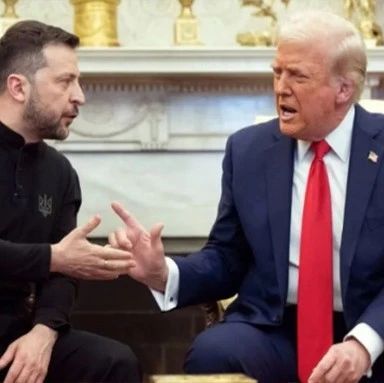
Core Viewpoint - The meeting between Zelensky and Trump at the White House ended in a heated argument, resulting in the cancellation of a joint press conference and the failure to sign a mineral agreement, indicating a significant shift in U.S.-Ukraine relations [1][8]. Group 1: Background of the Meeting - Zelensky's visit was initially expected to finalize a mineral agreement, but tensions escalated quickly during the discussions [1][2]. - Trump emphasized a diplomatic approach to end the Russia-Ukraine conflict, while Zelensky expressed frustration over past U.S. administrations' failures to prevent Russian aggression [2][3]. Group 2: Key Points of Disagreement - The core disagreement stemmed from differing priorities: the U.S. aimed to reduce financial involvement in the conflict while securing access to Ukraine's mineral resources, whereas Ukraine sought continued security assistance and reliable guarantees before agreeing to a ceasefire [6][7]. - Zelensky's insistence on the need for security guarantees was met with Trump's dismissive attitude, highlighting a lack of alignment on critical issues [7][9]. Group 3: Implications for U.S.-Ukraine Relations - The argument marked a significant deterioration in U.S.-Ukraine relations, with Zelensky being asked to leave the White House and the cancellation of the press conference indicating a serious diplomatic setback for Ukraine [8][9]. - The shift in U.S. policy could lead to increased skepticism regarding continued military aid to Ukraine, impacting its operational capabilities against Russia [9][10]. Group 4: Broader Geopolitical Context - The tensions between the U.S. and Ukraine may provide Russia with a more favorable position in negotiations, as a weakened U.S.-Ukraine alliance could embolden Russian strategies [10]. - The changing dynamics could also complicate Europe's role in the conflict, necessitating a reevaluation of its strategies and communications with the U.S. to maintain regional stability [10].

爆发激烈争吵!特朗普与泽连斯基会晤不欢而散
21世纪经济报道· 2025-02-28 23:52
Group 1: Meeting Overview - The meeting between US President Trump and Ukrainian President Zelensky on February 28 was marked by intense arguments, leading to Zelensky leaving the White House prematurely and the cancellation of a planned joint press conference [2][15][16] - Trump described the meeting as "not smooth," indicating that Zelensky "overestimated his leverage" and that the US seeks peace rather than prolonged conflict [3][4] Group 2: Key Issues Discussed - Trump emphasized the need for Zelensky to express a willingness to achieve peace in order to restart negotiations [4] - The US does not intend to provide specific security guarantees to Ukraine, stating that if Ukraine is attacked again, they cannot expect American protection [8] - Zelensky insisted that security guarantees are a prerequisite for any ceasefire agreement, highlighting the need for continued US support [10][11] Group 3: Mineral Agreement Insights - The US-Ukraine mineral agreement was described as "very fair," with the US seeking to leverage Ukraine's rich mineral resources for its own technological and military needs [6][21] - Analysts suggest that the agreement primarily benefits the US, with Ukraine's core demand for security guarantees being minimally addressed [21][22] - The agreement includes a joint investment fund where Ukraine will contribute 50% of future natural resource revenues, raising concerns about Ukraine's long-term development [22][21] Group 4: European Interest in Ukrainian Resources - European nations, including France and the EU, are also pursuing agreements to access Ukraine's mineral resources, indicating a competitive landscape for these assets [24][25][26] - Analysts note that both the US and Europe are vying for control over Ukraine's mineral wealth, exacerbating transatlantic tensions [26]

钢铝之后,特朗普又考虑对铜加关税
日经中文网· 2025-02-26 03:29
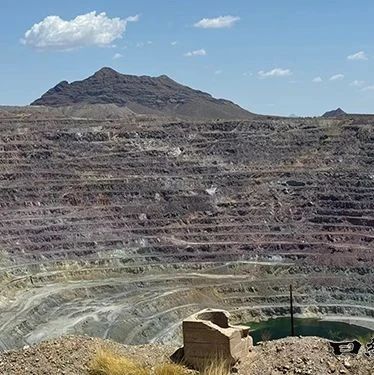
Group 1 - The core viewpoint of the article is that the U.S. government, under President Trump's directive, is moving to impose tariffs on imported copper to reduce dependency on foreign sources, particularly from South America and China, due to national security concerns [1][2][3]. - The investigation into the impact of copper imports will include not only copper ore but also derived products like copper wire and scrap, which could broaden the scope of the tariffs [2]. - The U.S. Geological Survey indicates that approximately 40% of global copper production comes from South America, with the U.S. expected to rely on imports for 45% of its copper consumption by 2024 [3][4]. Group 2 - The U.S. aims to increase domestic copper production by 70% by 2035, reducing reliance on imports to 30% [3]. - The U.S. possesses the fifth-largest copper reserves globally but lags in smelting technology compared to China, which dominates the copper smelting and processing sector [4]. - The Trump administration plans to eliminate exemptions on tariffs for steel and aluminum, expanding the scope to include downstream products like screws and aerospace parts [4].