VR

Search documents
歌尔股份(002241):AI/AR眼镜有望成为增长驱动
Xin Lang Cai Jing· 2025-03-28 02:43
Core Viewpoint - The company reported a revenue of 100.95 billion with a year-on-year increase of 2.41% and a net profit attributable to shareholders of 2.67 billion, reflecting a significant year-on-year growth of 144.93% [1] Financial Performance - For Q4 2024, the company achieved a revenue of 31.31 billion, representing a year-on-year increase of 27% and a quarter-on-quarter increase of 7%. The net profit for the same period was 320 million, showing a year-on-year growth of 63.2% but a quarter-on-quarter decline of 71.5% [1] - The gross margin for Q4 2024 was 10.3%, down from the previous year [1] - In 2H24, the precision components product line generated revenue of 8.74 billion, down 11.2% year-on-year but up 38.6% quarter-on-quarter, with a gross margin of 20.8% [2] - The smart acoustic complete products line had a revenue of 13.51 billion, down 9.5% year-on-year but up 5.6% quarter-on-quarter, with a gross margin of 9.1% [2] - The smart hardware products line saw a revenue of 37.35 billion, up 27.1% year-on-year and up 88.2% quarter-on-quarter, maintaining a gross margin of 9.1% [2] Asset Impairment and Future Outlook - The company recorded an asset impairment loss of 557 million in the second half of 2024, compared to 243 million in the same period last year, which negatively impacted profit margins [3] - For 2025, the company anticipates an improvement in profitability, with smart acoustic complete product revenue expected to grow by 6% year-on-year and gross margin projected to improve to 9.9% [3] - Global VR shipment is expected to decline by 12% to 6.5 million units in 2025, which may negatively affect the company's smart hardware product revenue [3] - Collaborations with Meta and Xiaomi on AI glasses and XR products are expected to gradually become new growth drivers starting in 2025 [3] Profit Forecast and Valuation - The company has revised down its global VR shipment expectations, forecasting net profits attributable to shareholders of 3.29 billion, 3.81 billion, and 4.28 billion for 2025, 2026, and 2027 respectively, which is a downward adjustment of 18% and 13% for 2025 and 2026 [4] - The average PE ratio for comparable companies is projected at 24.2x for 2025, while the company is assigned a PE valuation of 31.13x for 2025, down from 33.6x for 2024, maintaining a target price of 29.26 [4]

婚恋变婚骗,合同藏陷阱!世纪佳缘让他们“人财两空” | BUG
新浪财经· 2025-02-26 00:47
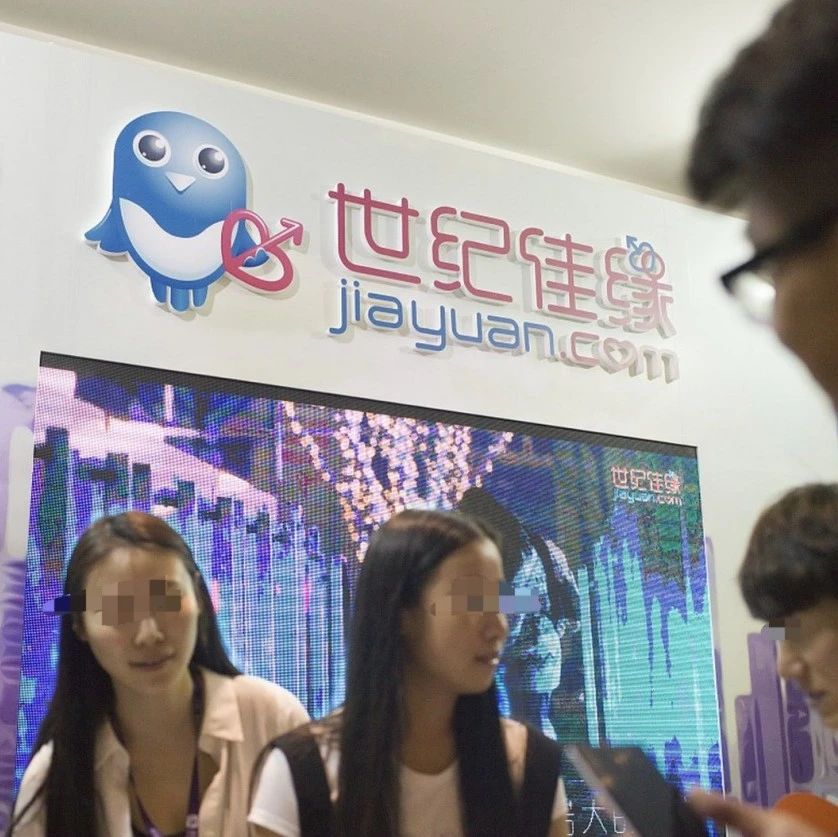
Core Viewpoint - Century Jiajun has upgraded its "AI Lover" feature but continues to face significant criticism regarding its core marriage services, with numerous complaints about false advertising and refund difficulties [1][9]. Group 1: Company Performance and User Complaints - Century Jiajun has received 7,850 complaints on the Black Cat Complaint platform, primarily citing "false advertising," "fraud," and "difficulties in obtaining refunds" [1][9]. - Users report experiences of being misled by service representatives, with promises of personalized service that are not fulfilled after payment [4][6]. - The company has been involved in 301 judicial cases and has faced penalties for misleading commercial practices and failing to provide services as promised [9]. Group 2: Contractual Issues and Consumer Rights - Contracts provided by Century Jiajun contain numerous disclaimers, indicating that the matchmaking services do not guarantee successful outcomes, which undermines prior verbal commitments made by service representatives [6][7]. - Users have reported challenges in obtaining refunds, with some receiving only partial refunds despite not receiving any services [7][9]. - Regulatory bodies in various regions are implementing measures to address consumer complaints, including a "cooling-off period" for refunds and stricter guidelines for marriage service providers [10]. Group 3: Industry Trends and Future Outlook - The marriage service industry is experiencing a shift, with platforms like Century Jiajun facing increasing scrutiny and criticism for their business practices [12]. - Analysts suggest that the simplistic matching algorithms used by these platforms fail to account for the complexities of human relationships, leading to consumer dissatisfaction and potential fraud cases [12].