
中国式现代化建设

Search documents
学习贯彻党的二十届四中全会精神中央宣讲团在中宣部宣讲
Xin Hua She· 2025-11-04 08:25
Core Points - The report emphasizes the significance of the 20th Central Committee's Fourth Plenary Session and the major achievements during the "14th Five-Year Plan" period, as well as the economic and social development environment for the "15th Five-Year Plan" period [2] - It highlights the guiding principles, main objectives, strategic tasks, major measures, and fundamental guarantees for economic and social development in the upcoming five years, underlining the importance of the "two establishments" and the need to unify thoughts and efforts towards the goals set by the plenary session [2] Group 1 - The report outlines the top-level design and strategic planning for the next five years, driven by Xi Jinping's thoughts on socialism with Chinese characteristics for a new era [2] - It calls for a strong sense of political responsibility and urgency in promoting socialist culture and innovation, emphasizing the cultural mission in the new era [2]
学习贯彻党的二十届四中全会精神中央宣讲团在河北宣讲
Xin Hua She· 2025-11-03 15:34
Core Points - The report meeting on the spirit of the 20th Central Committee's Fourth Plenary Session was held in Shijiazhuang, Hebei Province, with approximately 170,000 participants [1] - The meeting emphasized the importance of studying and implementing the spirit of the 20th Central Committee's Fourth Plenary Session as a major political task for the entire party and nation [1] - The session approved the "Suggestions on Formulating the 15th Five-Year Plan for National Economic and Social Development," which outlines the strategic design for the next five years and aims to advance Chinese modernization [1] Summary by Sections Meeting Overview - The Central Propaganda Team, led by the Minister of Finance, Lan Fan'an, delivered a report on the significance of the 20th Central Committee's Fourth Plenary Session [1] - The meeting included a comprehensive interpretation of the major achievements during the "14th Five-Year Plan" period and the guiding principles for the upcoming "15th Five-Year Plan" [1] Key Themes - Lan Fan'an elaborated on Xi Jinping's important speech at the plenary session, highlighting the historical positioning of the party and the nation during the "15th Five-Year Plan" period [1] - The report included numerous vivid examples and detailed data to illustrate the achievements and strategic tasks for economic and social development [1] Community Engagement - After the report meeting, Lan Fan'an interacted with grassroots officials and community members in the Xinhua District of Shijiazhuang [1]
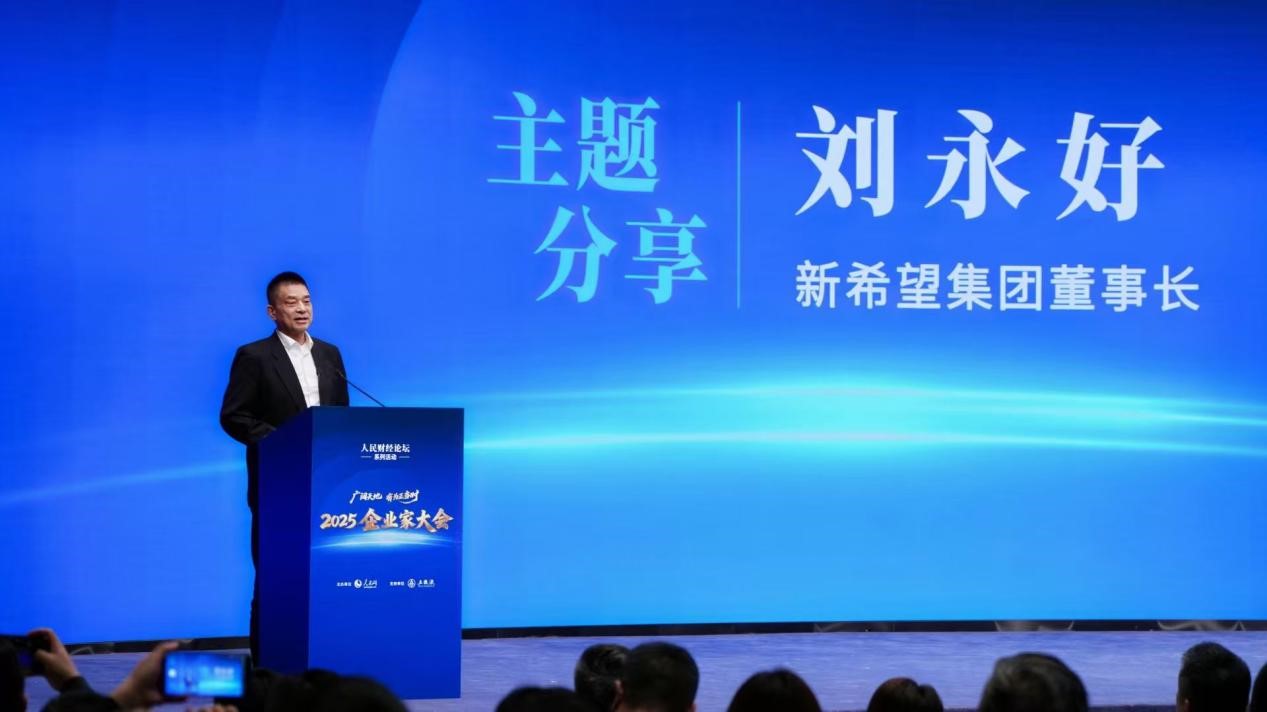
刘永好:发展痛点始终客观存在 唯有直面困难方能破局
Ren Min Wang· 2025-11-03 14:32
Core Insights - The forum emphasized the importance of private enterprises in China's economic landscape and the unwavering support from the government for their development [2] Group 1: Policy Support - The government has consistently prioritized private enterprises, as evidenced by the inclusion of "two unwavering" principles in the Private Economy Promotion Law, establishing a long-term mechanism for equal protection [2] - The "14th Five-Year Plan" highlights the importance of private enterprises' participation, providing a strong confidence boost for entrepreneurs [2] Group 2: Business Philosophy - Liu Yonghao introduced the "Three No's and Three Musts" approach to address challenges in traditional industries: "Three No's" refer to not being anxious, not being complacent, and not fearing difficulties [2] - The "Three Musts" include having confidence, striving hard, and transforming, with confidence stemming from policy support and market potential [2] Group 3: New Productive Forces - The key to upgrading traditional industries lies in technological empowerment, with new productive forces being a practical approach to enhance efficiency, benefit consumers, and provide a sense of gain for workers [2] Group 4: Social Responsibility - Liu Yonghao emphasized that private entrepreneurs should contribute to society by fostering rural revitalization, bringing technology and advanced concepts, and stimulating local motivation [2] - The focus should be on nurturing grassroots leaders and empowering new farmers to ensure that development benefits a broader community [2] Group 5: Call to Action - Entrepreneurs are encouraged to align with broader trends, maintain confidence, and adopt a practical and innovative spirit to contribute to the modernization of China [2]

学习贯彻党的二十届四中全会精神丨学习贯彻党的二十届四中全会精神中央宣讲团在河北宣讲
Xin Hua She· 2025-11-03 14:27
Core Viewpoint - The report emphasizes the importance of studying and implementing the spirit of the 20th Central Committee's Fourth Plenary Session as a major political task for the entire party and nation in the current and future periods [1] Group 1: Key Highlights of the Report - The report was delivered by Lan Fan'an, the Secretary of the Party Leadership Group and Minister of Finance, at a gathering attended by approximately 170,000 participants in Hebei Province [1] - The Central Committee's suggestions for the 15th Five-Year Plan were highlighted as a strategic framework for the next five years, aiming to advance the modernization of China [1] - Lan provided an in-depth explanation of the significance of the 20th Central Committee's Fourth Plenary Session, using numerous case studies and detailed data to illustrate the achievements during the 14th Five-Year Plan and the guiding principles for the upcoming 15th Five-Year Plan [1] Group 2: Interaction and Engagement - After the report, Lan engaged in interactive discussions with grassroots officials and community members in the Xinhua District of Shijiazhuang City, emphasizing the importance of grassroots involvement in the implementation of the plans [1]
学习贯彻党的二十届四中全会精神丨学习贯彻党的二十届四中全会精神中央宣讲团在宁夏宣讲
Xin Hua She· 2025-11-03 13:25
Core Points - The report emphasizes the significance of the 20th Central Committee's Fourth Plenary Session and the achievements made since the 14th Five-Year Plan [1] - It outlines the guiding principles and main objectives for the 15th Five-Year Plan period, highlighting strategic tasks and major measures for economic and social development [1] - The report calls for unity in thought and action with the Party Central Committee's strategic deployments, stressing the importance of maintaining strategic determination and confidence [1] Summary by Sections - **Significance of the 20th Central Committee's Fourth Plenary Session** - The report discusses the major significance of the 20th Central Committee's Fourth Plenary Session and the achievements since the 14th Five-Year Plan [1] - **Guiding Principles and Objectives for the 15th Five-Year Plan** - It details the guiding principles and main objectives for the 15th Five-Year Plan, focusing on the strategic tasks and major measures necessary for economic and social development [1] - **Unity and Strategic Determination** - The report emphasizes the need to align thoughts and actions with the Party Central Committee's judgments and strategic deployments, highlighting the importance of enhancing awareness and confidence in achieving the goals of the 15th Five-Year Plan [1]
市政府召开第170次常务会议:深入学习贯彻习近平总书记重要讲话重要文章精神,听取市《政府工作报告》目标任务完成情况
Chang Jiang Ri Bao· 2025-11-02 00:44
Core Points - The meeting emphasized the importance of understanding the historical context and strategic planning for the "14th Five-Year Plan" period, as outlined by General Secretary Xi Jinping, to guide the development of Wuhan [1][2] - The city government aims to ensure the completion of the annual and "14th Five-Year Plan" goals through a focus on practical actions and performance [2] Group 1 - The city government work report serves as an authoritative guiding document for government operations and a solemn commitment to the citizens [2] - The meeting highlighted the need to maintain focus on target tasks, strengthen scheduling, and address key challenges to ensure high-quality completion of goals [2] - The introduction of the "commitment to start construction" system in the engineering construction sector is seen as a significant step in deepening government service reform and optimizing the business environment [2] Group 2 - The meeting called for a scientific approach to drafting the city's "14th Five-Year Plan" outline, emphasizing the importance of gathering consensus and wisdom to implement major projects and policies [1] - There is a focus on enhancing the efficiency and quality of project approvals to accelerate construction and improve outcomes [2]
对外经济贸易大学国家对外开放研究院教授蓝庆新: 构建全方位安全保障网
Jing Ji Ri Bao· 2025-10-30 22:17
Core Viewpoint - The 20th Central Committee's Fourth Plenary Session emphasizes the principle of "coordinating development and security" as essential for economic and social development during the 14th Five-Year Plan period, highlighting the importance of a new security framework to support a new development pattern [1] Group 1: Economic and Social Development - China's development is characterized by a mix of strategic opportunities and risks, with increasing uncertainties in the external environment [1] - The transition from high-speed growth to high-quality development necessitates a stable and secure internal and external environment [1] Group 2: Security Framework - A comprehensive security framework is required, encompassing political, economic, technological, cultural, social, ecological, and resource aspects [1] - The establishment of a systematic, holistic, and coordinated security system is essential to ensure safety while promoting high-level opening-up and accelerating the construction of a new development pattern [1]
沈阳大连传达学习党的二十届四中全会精神
Liao Ning Ri Bao· 2025-10-30 01:07
Core Points - The meetings held in Shenyang and Dalian on October 25 focused on conveying the spirit of the 20th Central Committee's Fourth Plenary Session and planning for its implementation [1][2] - The sessions emphasized the importance of aligning thoughts and actions with the decisions made at the plenary session, which is seen as a significant mobilization for advancing Chinese-style modernization [1] - Both cities highlighted the need for strong organizational leadership and a rapid deployment of learning initiatives to promote the plenary session's spirit [1][2] Summary by Categories Political Tasks - Learning and implementing the spirit of the 20th Central Committee's Fourth Plenary Session is identified as a major political task for the current and upcoming period [1][2] - The meetings stressed the importance of supporting the "two establishments" and ensuring the "two safeguards" [2] Economic Development - The focus is on promoting high-quality development and stabilizing the economic fundamentals while ensuring the completion of the 14th Five-Year Plan [2] - There is a commitment to effectively enhance the quality and reasonable growth of the economy, alongside promoting comprehensive development and common prosperity for all [2] Organizational Leadership - Local party committees are urged to strengthen organizational leadership and meticulously plan the learning and implementation of the plenary session's spirit [1][2] - The meetings called for a vigorous campaign to raise awareness and understanding of the plenary session's decisions among all levels of government [1]
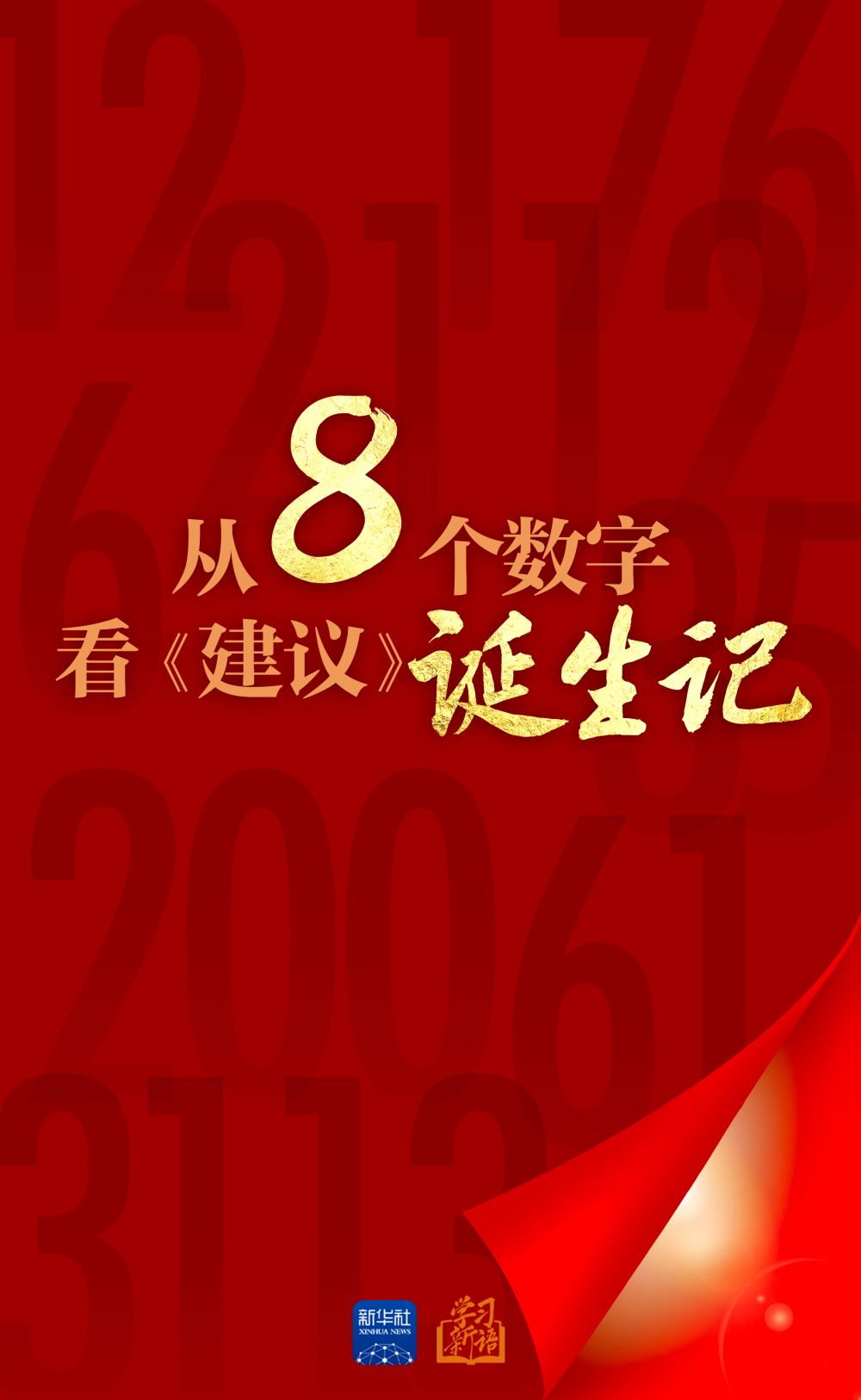
从8个数字看《建议》诞生记
Xin Hua She· 2025-10-30 00:43
Core Viewpoint - The 20th Central Committee of the Communist Party of China has approved the "Suggestions on Formulating the 15th Five-Year Plan for National Economic and Social Development," which aims to lay a more solid foundation for the basic realization of socialist modernization [1]. Group 1: Document Development Process - General Secretary Xi Jinping personally led the drafting group, providing guidance and direction throughout the process, which played a decisive role in accurately grasping the major strategic tasks for the "15th Five-Year" period [5]. - The drafting process involved six research teams organized by the Central Committee, which conducted interviews with over 270 officials and citizens across 66 grassroots units, including enterprises, communities, schools, and rural areas [10][11]. - A network solicitation activity was conducted from May 20 to June 20, resulting in over 311.3 million effective public suggestions, which were distilled into more than 1,500 constructive opinions across 27 areas [18]. Group 2: Feedback and Revisions - A total of 2,112 modification suggestions were received from various regions and departments regarding the draft of the planning suggestions, leading to 218 textual adjustments by the drafting group [25]. - During discussions at the 20th Central Committee meeting, 176 modification suggestions were made, resulting in 19 changes to the draft, which was then submitted for further review [29]. Group 3: Structure of the Suggestions - The full text of the planning suggestions is approximately 20,000 words, divided into 15 sections and 61 articles, organized into three main parts: an overview of achievements during the "14th Five-Year" period, strategic tasks and major measures for the "15th Five-Year" period, and tasks related to strengthening centralized leadership and promoting socialist democracy and rule of law [32].
坚持统筹发展和安全
Jing Ji Ri Bao· 2025-10-30 00:08
Core Viewpoint - The article emphasizes the importance of integrating development and security in China's economic and social development during the 14th Five-Year Plan period, highlighting that high-quality development and high-level security must interact positively to address internal and external risks and challenges [1][2]. Group 1: Development and Security Integration - Development and security are interdependent; development is the foundation for solving all problems, while security is a prerequisite for high-quality development [1][2]. - The current economic transition period presents various contradictions and issues that, if not addressed promptly, could evolve into systemic problems [1][2]. - The next five years will see an increase in unpredictable risk factors, necessitating enhanced capabilities to ensure security while pursuing development [1][2]. Group 2: National Security Capacity Building - The Fourth Plenary Session outlines systematic measures to strengthen national security capabilities, focusing on key areas such as food, energy, supply chains, and infrastructure security [2]. - A balanced approach is required to enhance resource allocation efficiency while minimizing risks, emphasizing the need for precision and coordination in policy implementation [2]. - It is crucial to maintain a bottom-line thinking approach, being cautious even during successes, and to remain vigilant against potential "black swan" and "gray rhino" events [2]. Group 3: Economic Resilience and Growth - China's economy has shown resilience and potential for growth, enabling better integration of development and security [3]. - The focus remains on high-quality development as the primary task while ensuring high-level security as a top priority [3]. - The article calls for maintaining strategic determination and a proactive historical spirit to overcome challenges and risks, aiming for a new chapter in China's modernization [3].