
习近平法治思想

Search documents
自然资源法治宣传教育月|湖北云梦局:法护自然 与宪同行
Zhong Guo Zi Ran Zi Yuan Bao· 2025-12-06 12:41
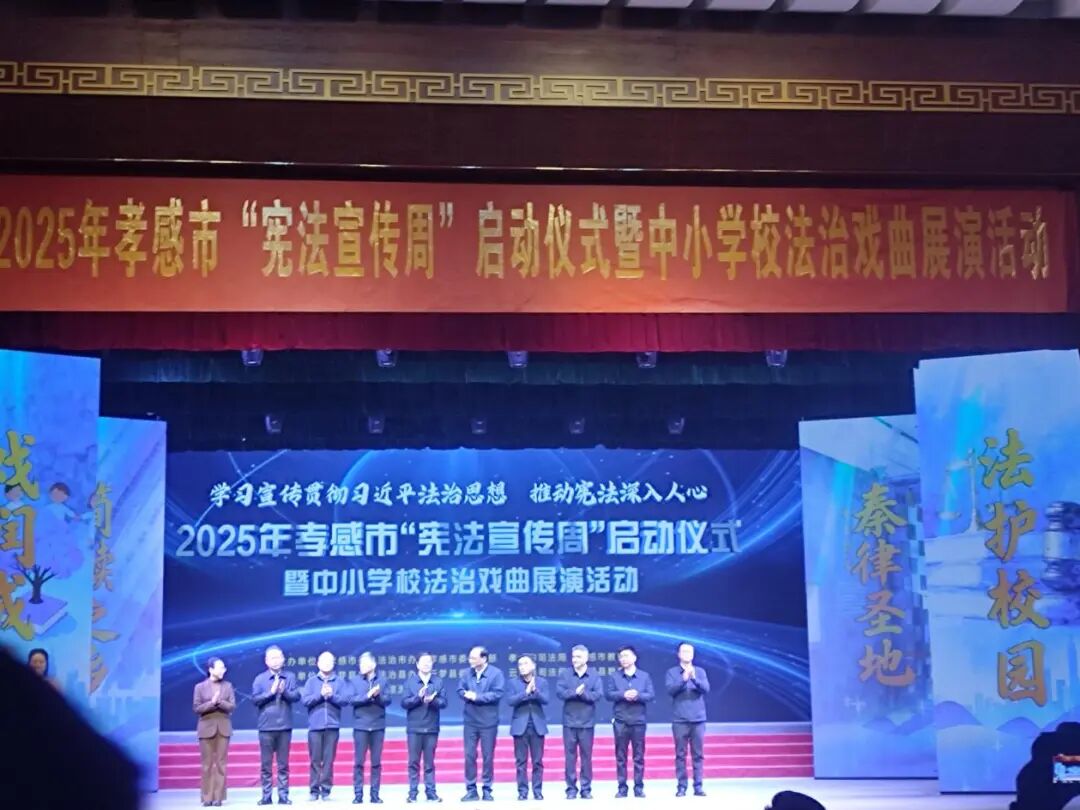
今年12月4日是第十二个国家宪法日,12月1日至7日是第8个"宪法宣传周"。湖北省云梦县自然资源和规划局以自然资源部"法治自然建设基层 联系点"为依托,从线下到线上,开展"法护自然,与宪同行"活动,学习宣传贯彻习近平法治思想,推动宪法深入人心。 12月4日,该局在睡虎地考古遗址秦律馆前设立普法展台,通过发放宣传资料、面对面答疑解惑等方式普及法律知识,累计发放宣传品百余份, 答复咨询30余次。 下一步,云梦县自然资源和规划局将以"法治自然建设基层联系点"为契机,挖掘云梦县简牍文化资源,持续学习宣传贯彻习近平法治思想,落 实法治宣传教育法,积极探索创新法治自然宣传方式,广泛开展形式多样的法治自然宣传教育活动,让法治精神浸润人心。 12月3日,云梦县资规局抖音号"云梦·法治自然"发布视频作品《尊宪崇法 资规有声》,4位乡镇资规所所长以"大白话"说"法",用"一法一 例"方式解读土地管理法、森林法、矿产资源法、渔业法等自然资源领域法律条文,从宪法中汲取法治自然的力量。该视频一经发布,播放流量过 千。同时,组织干部职工参与法律知识测试和中国普法微信公众号的宪法知识竞答活动,提高全员法律素养。 12月3日,该局组织工作人 ...

自然资源法治宣传教育月 | 安徽宣城局:创新法律顾问“诊断式普法”新机制
Zhong Guo Zi Ran Zi Yuan Bao· 2025-12-06 12:40
Core Viewpoint - The event in Xuancheng City marks a significant shift in legal education from a one-way dissemination model to a two-way interactive approach, emphasizing the importance of constitutional awareness and legal service accessibility [2][3][5] Group 1: Event Overview - The "Constitutional Promotion Week" activity in Xuancheng City involved legal professionals providing real-time consultations to the public, addressing common legal questions and concerns [2][3] - The event featured a variety of legal materials, including a constitution reader and promotional brochures on Xi Jinping's rule of law thought, aimed at making legal knowledge more accessible [3] Group 2: Community Engagement - Legal consultants actively engaged with the community, offering tailored legal advice and distributing informational materials to different demographic groups, including the elderly and youth [3][5] - The initiative received positive feedback from residents, highlighting the practical utility of the provided legal guidance and resources [3] Group 3: Future Plans - Xuancheng City plans to develop a composite team of legal, policy, and business experts to sustain the "diagnostic legal education" mechanism, extending its reach to rural areas, communities, and enterprises [5] - The goal is to enhance public awareness of legal rights and responsibilities, ensuring that constitutional principles are deeply rooted in grassroots levels [5]
自然资源法治宣传教育月 | 广东厅举行宪法宣誓暨法治宣传教育法学习辅导活动
Zhong Guo Zi Ran Zi Yuan Bao· 2025-12-05 07:35
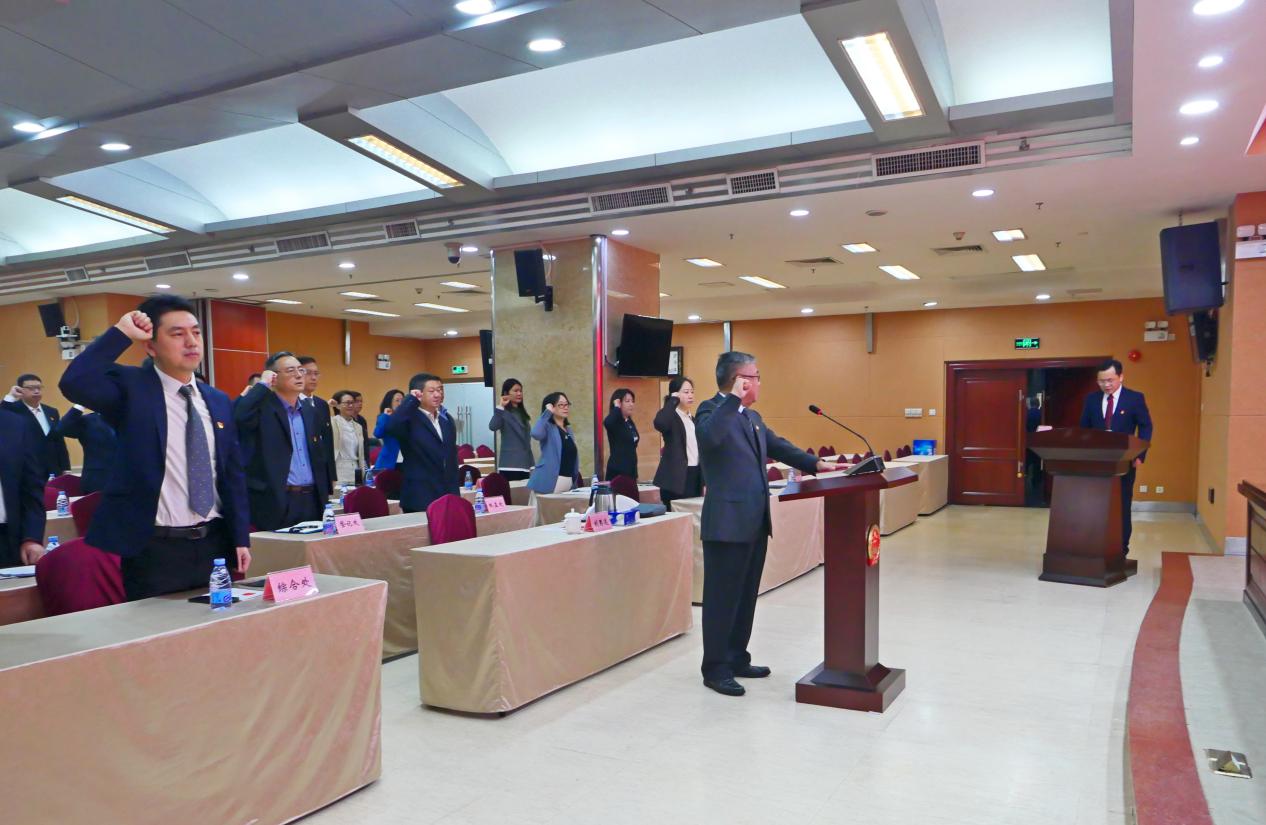
Group 1 - The core message emphasizes the importance of constitutional education and the promotion of the rule of law in society, as demonstrated by the oath-taking ceremony held by the Guangdong Provincial Natural Resources Department [1][3] - The Law on Legal Publicity and Education was passed by the 14th National People's Congress Standing Committee and will take effect on November 1, 2025, marking a significant legislative step in standardizing legal education in China [3] - The event featured a lecture by Professor Song Ruliang from the Guangdong Party School, who analyzed the significance of the Law on Legal Publicity and Education and provided detailed guidance on its implementation [3][4] Group 2 - Liu Siyuan, in his concluding remarks, outlined three key requirements: to persistently use Xi Jinping's thoughts on the rule of law to guide practice and work, to enhance constitutional awareness and establish the authority of the constitution, and to earnestly study and implement the Law on Legal Publicity and Education [5]
自然资源法治宣传教育月|宪法护航副中心 法治赋能新征程——北京通州规自分局开展第12个“国家宪法日”主题活动
Zhong Guo Zi Ran Zi Yuan Bao· 2025-12-05 07:08
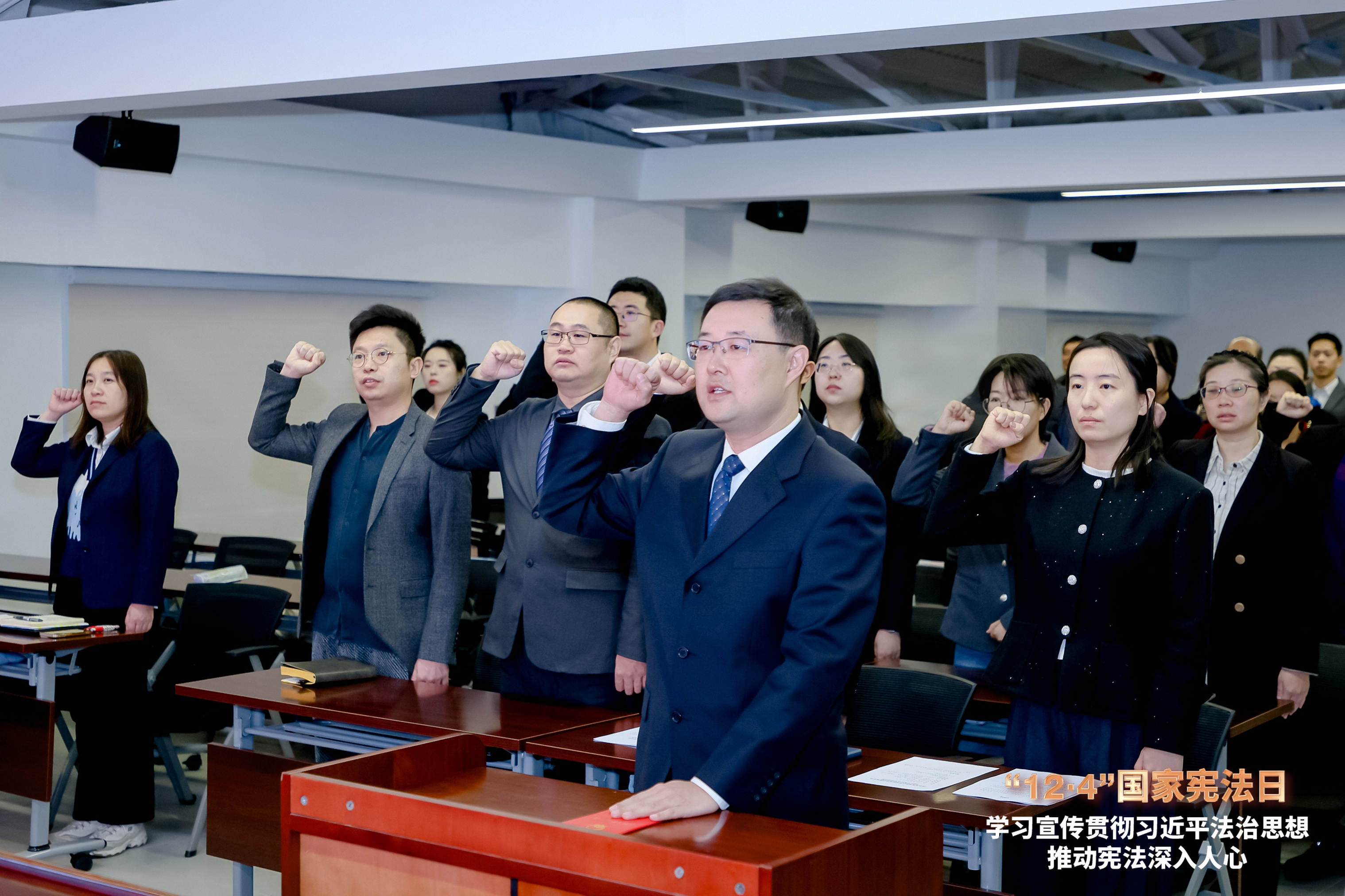
Core Viewpoint - The event on December 4, 2025, marks the twelfth "National Constitution Day," focusing on promoting Xi Jinping's rule of law thought and the achievements of the 20th Central Committee's Fourth Plenary Session, aiming to enhance legal awareness and capacity among staff for high-quality development in Beijing's urban sub-center [1]. Group 1 - The Beijing Municipal Planning and Natural Resources Commission's Tongzhou Branch organized diverse activities for "National Constitution Day," including constitutional oaths, specialized training, and interactive quizzes to improve legal literacy among staff [1][6]. - A solemn oath-taking ceremony was held, where staff pledged allegiance to the Constitution, reinforcing their commitment to legal responsibilities [5]. - A specialized lecture was conducted focusing on common legal issues in planning and natural resource governance, providing practical insights relevant to frontline work [5]. Group 2 - An interactive quiz segment was included, where staff actively participated in answering questions related to constitutional knowledge and relevant laws, fostering a lively and engaging atmosphere [5][6]. - An online quiz challenge was launched, allowing staff to participate enthusiastically, showcasing a strong commitment to legal education and adherence [6]. - The event is part of the Tongzhou Branch's efforts to implement the "Eighth Five-Year Plan" for legal education, emphasizing the integration of legal thinking into various operational aspects [6].
海南政法大讲堂举办专题讲座
Hai Nan Ri Bao· 2025-12-05 03:06
Core Viewpoint - The event emphasizes the importance of promoting and implementing the Law on Legal Publicity and Education, highlighting its significance in enhancing the legal literacy of citizens and supporting the rule of law in Hainan Free Trade Port [1][2]. Group 1: Event Overview - The 2025 Fourth Session of the Hainan Political and Legal Lecture Hall was held on December 4, coinciding with the 12th National Constitution Day [1]. - The lecture featured Xu Anbiao, a member of the 14th National People's Congress Standing Committee, who provided a specialized training session on the Law on Legal Publicity and Education [1]. Group 2: Key Themes of the Lecture - Xu Anbiao's lecture focused on four dimensions: the significance of the law's implementation, the enforcement of the legal publicity responsibility system, the main content and key targets of the law, and the enhancement of work effectiveness [1]. - The lecture integrated the core tenets of Xi Jinping's rule of law thought with practical experiences from 40 years of nationwide legal publicity [1]. Group 3: Participant Feedback and Future Actions - Attendees found the lecture to be rich in content and practical, providing clear guidance for the implementation of the Law on Legal Publicity and Education [2]. - Participants committed to transforming learning outcomes into actionable steps, emphasizing the responsibility of law enforcement in legal publicity and integrating legal education into all aspects of legislation, enforcement, and judicial processes [2].
弘扬宪法精神,开创法治中国建设新局面——写在第十二个国家宪法日
Xin Hua Wang· 2025-12-05 01:48
Core Viewpoint - The article emphasizes the importance of promoting constitutional spirit and establishing a new phase in the construction of a rule-of-law China, particularly in the context of the 12th National Constitution Day and the implementation of Xi Jinping's rule of law thought [1][2]. Group 1: Constitutional Significance - The Constitution is recognized as the fundamental legal basis for governance and social life in China, holding the highest legal authority and effectiveness [2][3]. - The 20th Central Committee of the Communist Party of China has set the goal of achieving a higher level of socialist rule of law during the 14th Five-Year Plan period, emphasizing the need for comprehensive implementation and supervision of the Constitution [2][3]. Group 2: Party Leadership and Legal Framework - The Constitution confirms the leadership position of the Communist Party of China, which is essential for its effective implementation and the correct political direction of constitutional development [3][4]. - There is a call to strengthen the Party's comprehensive leadership over constitutional work to ensure the Constitution's effective implementation and its role in promoting national unity and social stability [3][4]. Group 3: Legal System Development - The construction of a socialist legal system with Chinese characteristics is highlighted as a key approach to advancing the rule of law [3][4]. - The article advocates for the enhancement of the legal framework, particularly in emerging and foreign-related areas, to improve the effectiveness of the rule of law in modernizing national governance [4]. Group 4: Public Engagement and Education - Strengthening constitutional theory research and public education is deemed crucial for fostering a deep-rooted respect for the Constitution among the populace [5]. - The implementation of the "Law on Popularization of Law" and the inclusion of "Xi Jinping's rule of law thought" in national legal texts are significant steps towards promoting constitutional awareness [5].
市人大常委会在国家宪法日举行专题学习
Guang Zhou Ri Bao· 2025-12-05 01:46
Group 1 - The core theme of the event is to promote the spirit of the Constitution and advance the rule of law in China, particularly through the study and implementation of Xi Jinping's thoughts on the rule of law [2] - The Guangzhou Municipal People's Congress Standing Committee organized a collective oath-taking activity to reinforce constitutional education and awareness among its members [2] - A lecture by Professor Jiang Feng from Sun Yat-sen University emphasized the importance of understanding the nature, status, and essence of the Constitution, urging officials to lead by example in respecting and applying the Constitution [2] Group 2 - In 2025, during the "Constitution Promotion Week," various levels of the People's Congress and grassroots legislative contact points will organize diverse and engaging activities to enhance public awareness of the Constitution [2] - Activities will include theme speeches, lectures, legal education sessions, and exhibitions to foster a culture of respect for the rule of law within society [2] - The initiative aims to create a favorable legal environment for advancing Chinese-style modernization by promoting constitutional authority and legal compliance among officials and citizens [2]
法治护航长江畔 初心使命谱新篇 “法治宣传进机关”主题宣讲活动举行
Zhen Jiang Ri Bao· 2025-12-04 23:27
Core Viewpoint - The event held on December 4th marks the 10th anniversary of the "Yangtze River Protection" initiative and the 5th anniversary of the "Yangtze River Protection Law," emphasizing the integration of legal education with ecological practices to promote a strong legal awareness in society [1]. Group 1 - The event is part of the 8th "Constitutional Promotion Week" activities, featuring 8 speakers who discussed the implementation of Xi Jinping's directives on the development of the Yangtze Economic Belt, focusing on "promoting major protection without major development" [1]. - The speakers used accessible language and vivid examples to share legal practices related to the Yangtze River protection responsibilities, enhancing the understanding of legal knowledge among party members and officials [1]. - The initiative aims to foster a high-quality social development through the application of legal thinking and methods [1]. Group 2 - Future plans include enhancing political awareness and integrating the rule of law with party regulations, focusing on legal education within municipal agencies [2]. - The promotion of the spirit of the 20th Central Committee and the "Xi Jinping Legal Thought Learning Outline (2025 Edition)" will be key components of the legal education efforts [2]. - There will be an emphasis on innovative methods and broadening channels for legal promotion, aiming to strengthen the legal thinking and administrative capabilities of party members and staff [2].
加强宪法实施 推进社会主义民主法治建设 第十二个国家宪法日座谈会在京举行
Ren Min Ri Bao· 2025-12-04 22:16
Core Viewpoint - The article emphasizes the importance of strengthening the implementation of the Constitution and advancing socialist democracy and rule of law in China, guided by Xi Jinping's thoughts and the directives from the 20th National Congress of the Communist Party of China [1] Group 1 - The meeting held on December 4, marking the 12th National Constitution Day, was attended by key officials including Li Hongzhong, who highlighted the need for a unified approach to leadership, people's sovereignty, and rule of law [1] - Li Hongzhong pointed out that the "two establishments" are fundamental to the historical achievements in the construction of socialist democracy and the implementation of the Constitution [1] - The article calls for enhancing the political awareness and action consciousness in fully implementing the Constitution, emphasizing the need for constitutional education and theoretical research [1]
证监会举行宪法宣誓仪式
Zheng Quan Shi Bao· 2025-12-04 17:44
Core Viewpoint - The China Securities Regulatory Commission (CSRC) held a constitutional oath ceremony for newly promoted officials, emphasizing the importance of upholding the Constitution and integrating Xi Jinping's rule of law thoughts into their work [1] Group 1: Ceremony Details - The oath-taking ceremony took place on December 4, coinciding with the 12th National Constitution Day [1] - The ceremony began with the national anthem of the People's Republic of China, followed by the oath led by the CSRC Chairman Wu Qing [1] Group 2: Key Messages from the Speech - Wu Qing highlighted the solemn commitment to uphold the authority of the Constitution and implement governance according to the Constitution [1] - He urged the oath-takers to internalize and externalize their pledges, enhancing political loyalty and actively contributing to the development of the capital market during the 14th Five-Year Plan period [1] - The emphasis was placed on improving professional capabilities, maintaining integrity, and fulfilling the responsibilities assigned by the Constitution and laws to promote high-quality development in the capital market [1]