一氧化碳中毒

Search documents
一氧化碳中毒进入高发季
Xin Lang Cai Jing· 2026-01-19 22:17
Core Viewpoint - Carbon monoxide (CO) poisoning is a common winter illness, posing significant health risks due to its high affinity for hemoglobin, which is 200 to 300 times greater than that of oxygen [1] Group 1: Causes and Risks - Common scenarios leading to carbon monoxide poisoning in winter include bedrooms (from coal stoves or charcoal basins), bathrooms (from improperly installed gas water heaters), kitchens (from gas stoves with poor ventilation), and vehicles (from exhaust fumes while parked) [1] - Misconceptions about carbon monoxide poisoning increase risks, such as the belief that only coal burning causes poisoning or that the absence of a coal smell indicates safety [2] Group 2: Symptoms and Severity - Carbon monoxide poisoning is categorized into mild, moderate, and severe cases, with symptoms ranging from headaches and dizziness in mild cases to coma and seizures in severe cases [1] - The most dangerous situation is poisoning during sleep, as individuals may not notice the progression from mild to severe symptoms [1] Group 3: Emergency Response - The emergency response for carbon monoxide poisoning includes a four-step mnemonic: "Ventilate, Move, Clear, and Rescue" [2] - Immediate actions involve opening windows, moving the patient to fresh air, ensuring airway clearance, and calling emergency services [2] Group 4: Treatment and Long-term Effects - The combination of "120 + hyperbaric oxygen" is highlighted as a critical treatment for carbon monoxide poisoning, aiming to prevent delayed neurological effects [3] - Delayed neurological damage can occur 2 to 40 days post-treatment, leading to severe cognitive and physical impairments [3]
需关注流行性感冒等,1月健康防护提示来了→
Xin Lang Cai Jing· 2026-01-08 12:49
Group 1 - The article emphasizes the importance of health protection measures during January 2026 due to low temperatures and increased risk of respiratory infections in China [1][2] - It highlights the seasonal prevalence of influenza and other acute respiratory infections, with a noted increase in respiratory syncytial virus positivity rates [2] - The article provides specific protective measures against respiratory infections, including maintaining good hygiene, wearing masks, and getting vaccinated [3] Group 2 - The article discusses avian influenza in humans, detailing its symptoms and transmission routes, primarily through contact with infected birds [4] - It outlines preventive measures such as avoiding direct contact with birds and ensuring proper cooking of poultry products [5] Group 3 - Norovirus gastroenteritis is described as being transmitted through contaminated food or water, with a peak season from October to March [6] - Key preventive measures include hand hygiene, proper food handling, and timely reporting of outbreaks in communal settings [8] Group 4 - Carbon monoxide poisoning is noted as a risk during the winter months, particularly from improper heating methods [9] - Preventive measures include ensuring proper ventilation, using certified gas appliances, and avoiding prolonged idling of vehicles in enclosed spaces [10][11]
冬季遇一氧化碳中毒 正确操作能救命
Xin Lang Cai Jing· 2025-12-31 00:19
Core Viewpoint - The article highlights the dangers of carbon monoxide poisoning during winter, emphasizing the need for public awareness and safety measures to prevent such incidents [2][3][6] Group 1: Incidence and Risks - Carbon monoxide poisoning is particularly prevalent from December to February, with gas poisoning being the leading cause of poisoning-related deaths in winter [3] - Many individuals mistakenly believe that their gas appliances are safe due to years of use, overlooking the risks associated with closed windows and poor ventilation during winter [3] - A tragic incident is mentioned where a young couple died from carbon monoxide poisoning due to inadequate ventilation while using a gas stove in a poorly ventilated space [3] Group 2: Symptoms and Differences - The article distinguishes between carbon monoxide poisoning and carbon dioxide poisoning, noting that the former is more dangerous as it binds with hemoglobin, impairing oxygen transport in the blood [3] - Early symptoms of carbon monoxide poisoning can be easily mistaken for common ailments, making it particularly insidious [3][6] Group 3: Prevention and Safety Measures - Common scenarios leading to gas poisoning include using gas water heaters in closed spaces, using charcoal or coal stoves without ventilation, and using old or malfunctioning gas appliances [4] - Proper emergency response steps are outlined, including immediate ventilation, moving the patient to fresh air, and calling emergency services while specifying the suspicion of carbon monoxide poisoning [4][5] Group 4: Long-term Effects - Carbon monoxide poisoning can lead to long-term health issues, including memory loss, attention deficits, and delayed neurological symptoms that may appear days to weeks after the incident [6] - The importance of follow-up medical evaluations after recovery from mild poisoning is emphasized to prevent potential long-term complications [6]

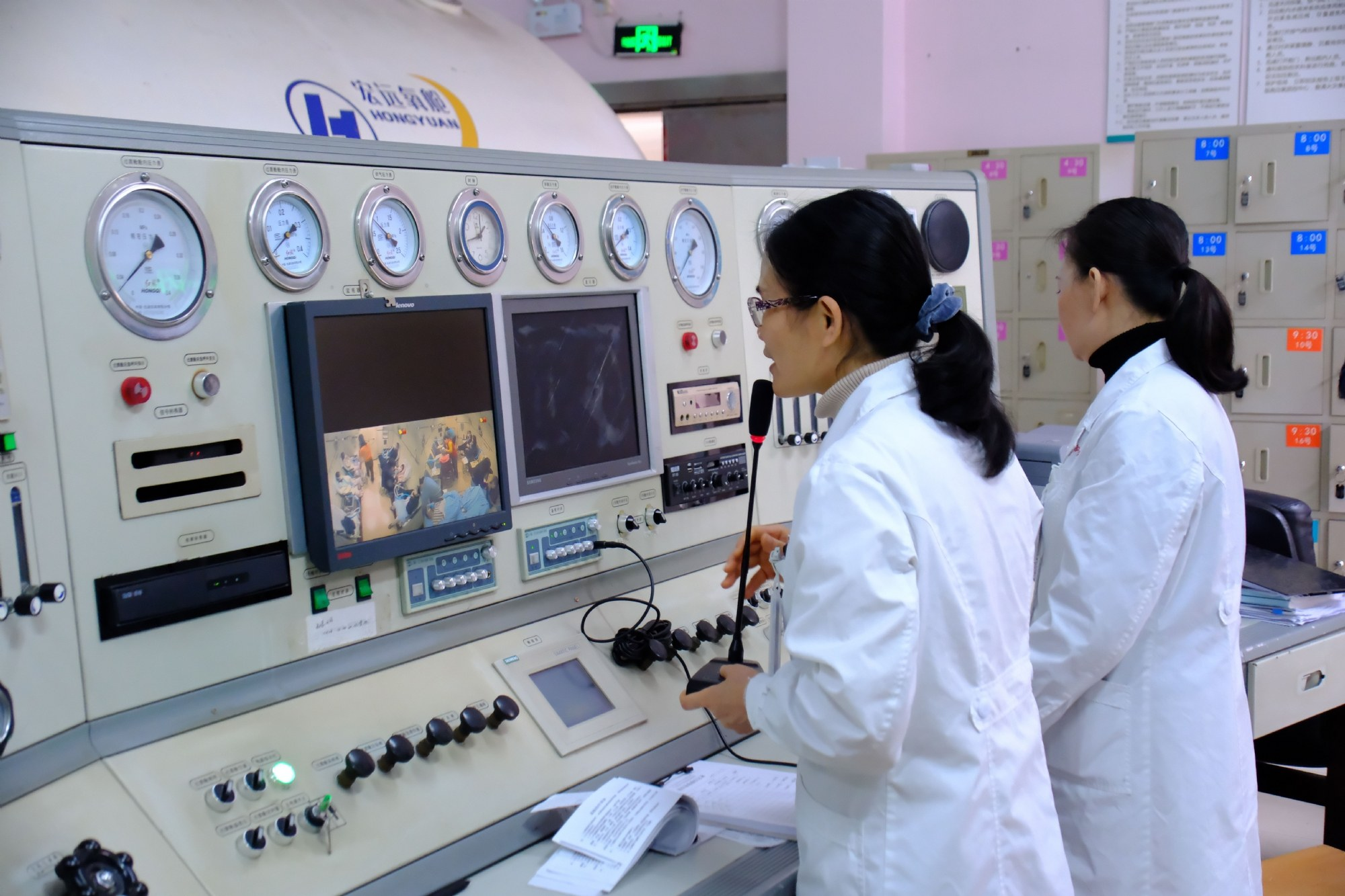
有人洗澡时中毒晕厥!这个习惯可能很多人都有
Xin Lang Cai Jing· 2025-12-28 14:15
Core Viewpoint - The article highlights the dangers of carbon monoxide poisoning, particularly during the colder months when people tend to close their windows and doors, creating a risk of exposure to this "invisible killer" [1][3]. Group 1: Carbon Monoxide Poisoning Risks - Carbon monoxide poisoning incidents peak from November to March, primarily occurring in poorly ventilated spaces such as closed rooms with coal heating, kitchens with poor exhaust, improperly installed water heaters, and enclosed vehicles with air conditioning running [3][4]. - Carbon monoxide is colorless, odorless, and non-irritating, making it difficult to detect; excessive inhalation leads to oxygen deprivation in body tissues, resulting in poisoning [4][5]. Group 2: Common Misconceptions - Misconception 1: Only burning coal causes poisoning; in fact, any carbon-containing fuel, such as gasoline, kerosene, and wood, can produce carbon monoxide when combustion is incomplete [5][6]. - Misconception 2: The absence of smoke or odor does not guarantee safety; carbon monoxide can still be present in poorly ventilated areas [6][7]. - Misconception 3: Cracking a window is insufficient; carbon monoxide is lighter than air and may not escape if windows are not adequately opened [7][8]. - Misconception 4: Wet coal or placing water near a fire does not prevent poisoning; it can actually produce a gas mixture containing carbon monoxide [8][9]. Group 3: Symptoms and Emergency Response - Mild poisoning symptoms include headaches, dizziness, visual disturbances, tinnitus, nausea, fatigue, and increased heart rate [8][9]. - Moderate poisoning adds symptoms like cherry-red skin, excessive sweating, arrhythmia, agitation, lethargy, and potential loss of consciousness [9][10]. - Severe poisoning can lead to coma, seizures, pale or cyanotic skin, low blood pressure, and dilated pupils [10][11]. - Immediate actions for carbon monoxide poisoning include moving the victim to fresh air, ensuring airway patency, and calling emergency services; if the patient is unresponsive, CPR should be initiated [11][12]. Group 4: Prevention Measures - Regularly ventilate living spaces to maintain fresh air [14][15]. - Install chimneys for heating stoves and ensure they are structurally sound and well-ventilated [15][16]. - Avoid using coal or charcoal for cooking indoors [16][17]. - Do not install gas water heaters in bathrooms [17][18]. - Avoid sleeping in closed vehicles with air conditioning running [18][19]. - Households using gas stoves or coal heaters should consider installing carbon monoxide detectors [19][20].
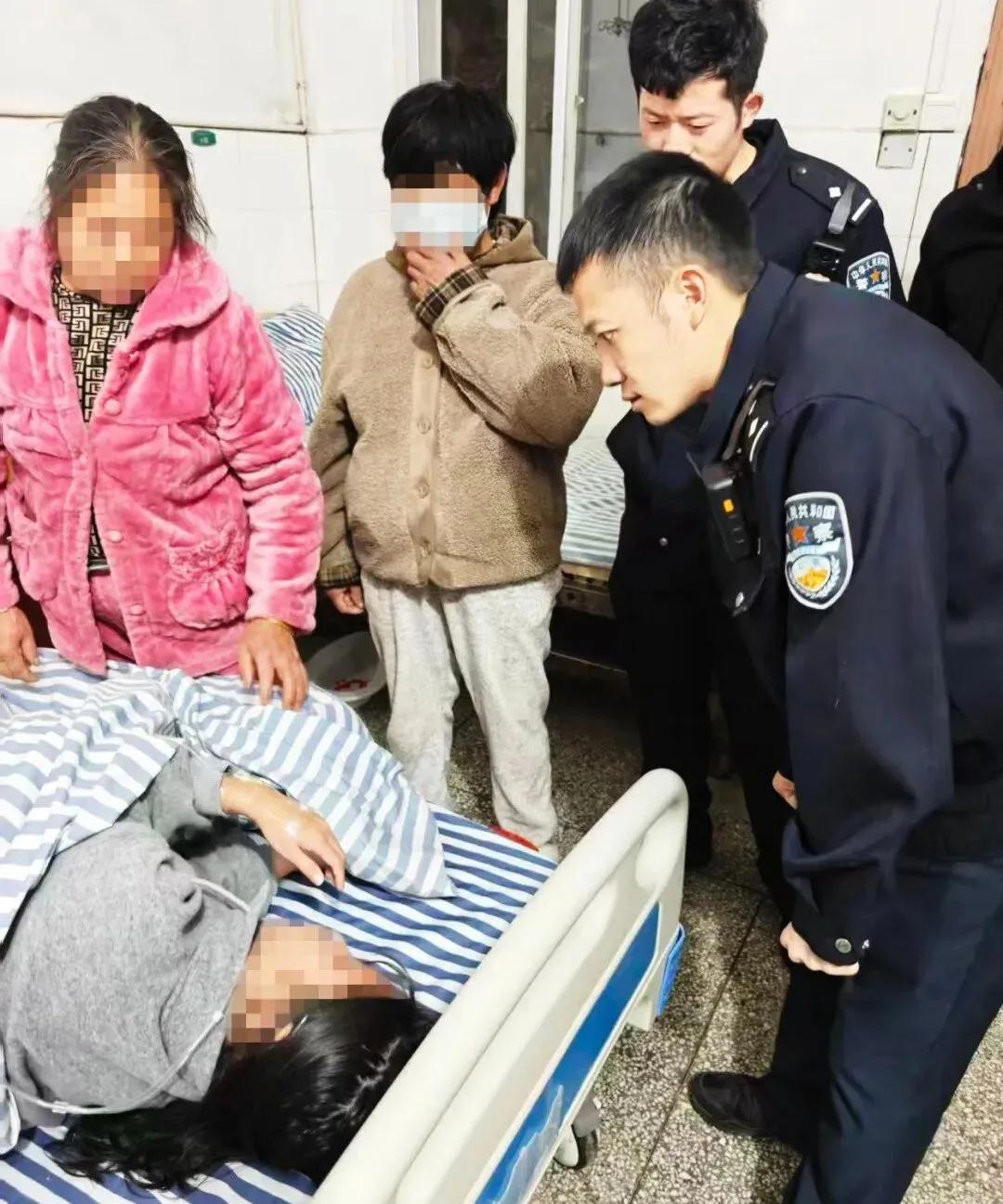
6人吃火锅5人一氧化碳中毒
Xin Lang Cai Jing· 2025-12-28 10:10
Core Viewpoint - The article highlights the dangers of carbon monoxide poisoning, particularly during winter, and emphasizes the need for awareness and preventive measures to avoid such incidents [1] Group 1: Incident Overview - On November 9, 2025, in Shenzhen, six friends experienced carbon monoxide poisoning during a hot pot gathering, leading to five hospitalizations [1] - The incident was initially mistaken for alcohol intoxication until symptoms of dizziness and nausea appeared [1] - Previous incidents of carbon monoxide poisoning in 2023 and 2024 are cited, including fatalities from improper use of heating appliances and indoor cooking methods [1] Group 2: Risks and Prevention - Carbon monoxide (CO) is described as a colorless, odorless gas, making it difficult to detect and increasing the risk of poisoning [1] - Three overlooked risks associated with carbon monoxide poisoning are identified: 1. Gas water heaters should be used in well-ventilated areas, and long bathing sessions should be avoided [1] 2. Indoor activities like cooking with charcoal should be avoided without proper ventilation [1] 3. When idling a car, windows should be slightly open to prevent exhaust fumes from accumulating [1]
中疾控发布2025年12月健康防护提示
Ren Min Wang· 2025-12-11 01:52
Core Viewpoint - The article emphasizes the importance of public health awareness and preventive measures during the winter and spring seasons, highlighting the increased risk of respiratory infections, including influenza, avian influenza, norovirus, and carbon monoxide poisoning due to colder temperatures and specific environmental conditions [1][2][3]. Group 1: Respiratory Infections - The winter-spring season is a peak period for acute respiratory infections in China, with pathogens such as influenza virus, rhinovirus, and respiratory syncytial virus being prevalent [2] - Influenza primarily spreads through respiratory droplets in crowded and poorly ventilated indoor spaces, with symptoms including fever, headache, and muscle pain, particularly affecting high-risk groups like pregnant women, infants, the elderly, and those with chronic diseases [2] Group 2: Preventive Measures for Respiratory Infections - Good hygiene practices are essential, including covering the mouth and nose when coughing or sneezing, frequent handwashing, and maintaining a balanced diet and adequate rest [3] - Vaccination is the most effective method to prevent influenza, especially for high-risk populations [3] Group 3: Avian Influenza - Human infection with avian influenza is caused by accidental transmission from infected birds, with symptoms similar to influenza and potential severe outcomes like acute respiratory distress syndrome [4] - Preventive measures include avoiding contact with sick or dead animals and ensuring proper cooking of poultry products [5] Group 4: Norovirus - Norovirus primarily spreads through contaminated food or water, with symptoms including nausea, vomiting, and diarrhea, particularly in crowded settings like schools [6] - Hand hygiene and proper food handling practices are crucial to prevent infection [7][8] Group 5: Carbon Monoxide Poisoning - The period from November to March sees a rise in carbon monoxide poisoning cases, often due to improper heating methods [9] - Preventive measures include ensuring proper ventilation when using coal or gas heating and installing carbon monoxide detectors [10]
冬季“隐形杀手”进入高发期 专家:煮茶烤火务必开窗
Zhong Guo Xin Wen Wang· 2025-12-08 21:39
Core Insights - The article highlights the increasing incidents of carbon monoxide poisoning during winter due to improper heating methods, emphasizing the need for proper ventilation when using heating devices [1][2] Group 1: Carbon Monoxide Poisoning Cases - An 81-year-old woman in Hangzhou experienced acute carbon monoxide poisoning and required emergency treatment, illustrating the severity of the issue [1] - Experts warn that many families face tragedies each winter due to inappropriate heating methods, particularly in enclosed spaces [1][2] Group 2: Symptoms and Treatment - Symptoms of carbon monoxide poisoning range from mild (headache, dizziness) to severe (loss of consciousness, potential death) [2] - Hyperbaric oxygen therapy is identified as one of the most effective emergency treatments for acute carbon monoxide poisoning, as it helps to rapidly correct oxygen deficiency in the body [2] Group 3: Safety Recommendations - It is crucial to maintain indoor air circulation when using heating devices and to avoid using coal stoves or charcoal basins in bedrooms [2] - Recommendations include ensuring that heating sources are completely extinguished before sleeping and installing carbon monoxide detectors in areas where carbon monoxide may be produced [2]
一周15例!这个“隐形杀手”离我们有多近
Qi Lu Wan Bao· 2025-10-20 08:25
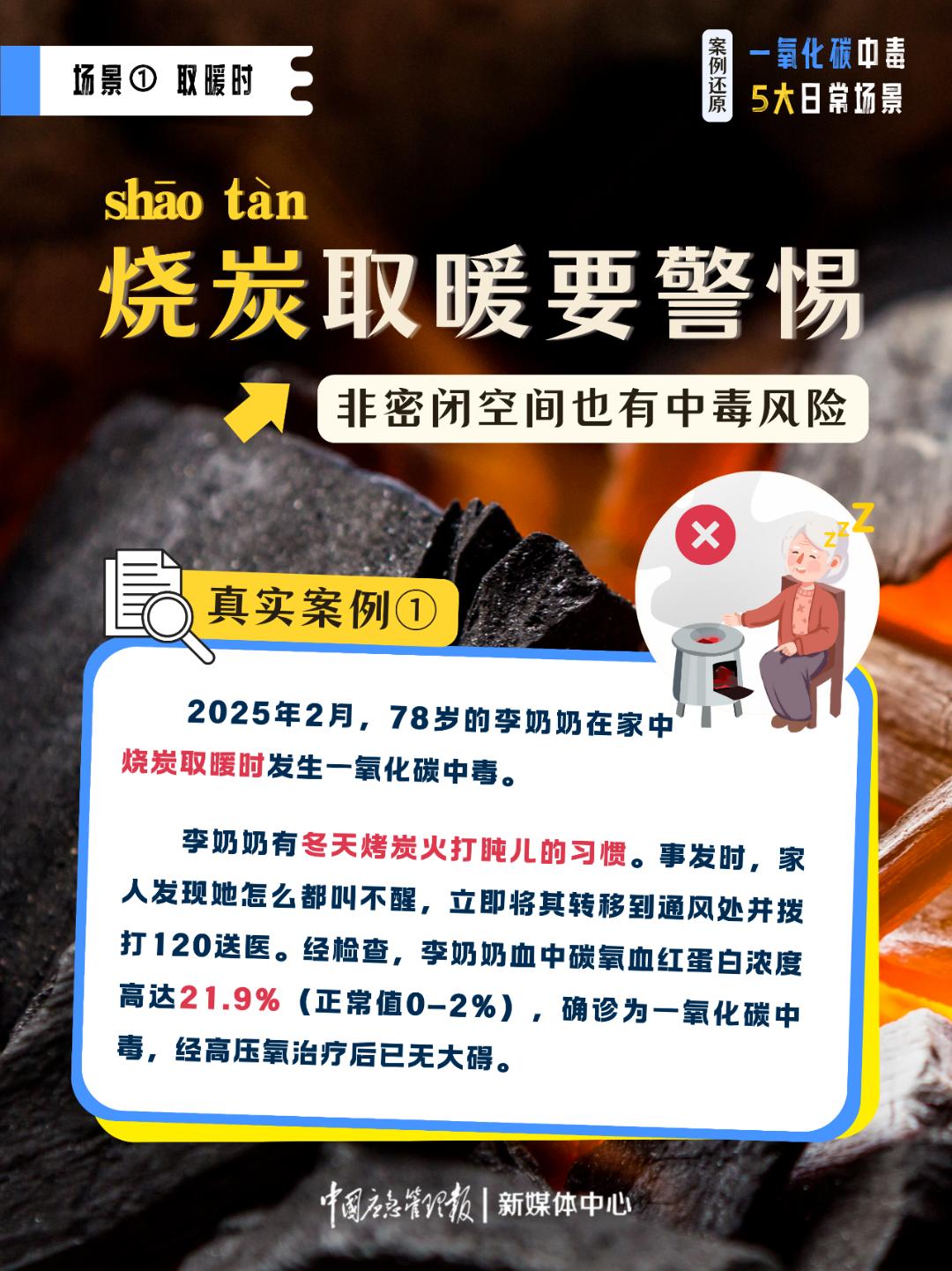
Core Points - The article highlights the increasing risk of carbon monoxide poisoning due to seasonal temperature drops and the rise in coal and gas heating methods [1][2] - It emphasizes the importance of awareness regarding common scenarios that can lead to carbon monoxide poisoning [2][46] Group 1: Carbon Monoxide Poisoning Cases - Case 1: An elderly woman suffered carbon monoxide poisoning while using charcoal for heating at home, with a blood carbon monoxide level of 21.9%, significantly above the normal range of 0-2% [5][9] - Case 2: A man experienced carbon monoxide poisoning after neglecting to properly close a gas valve while using a gas heater, leading to a dangerous accumulation of gas in a closed space [13][17] - Case 3: A family of three, including an elderly man, suffered poisoning after using an old gas water heater in a poorly ventilated bathroom [20][24] Group 2: Common Scenarios for Carbon Monoxide Poisoning - Scenario 1: Heating with charcoal in enclosed spaces can lead to high carbon monoxide levels, even with windows open [9][17] - Scenario 2: Using gas appliances without proper ventilation can result in dangerous gas accumulation, especially in small or closed areas [17][24] - Scenario 3: Cooking with charcoal in a closed room can cause poisoning, as demonstrated by a family who experienced symptoms after having a hot pot meal [33][37] Group 3: Prevention and Awareness - The article stresses the need for proper ventilation when using heating devices, especially in enclosed spaces [30][43] - It warns against common misconceptions about carbon monoxide, such as the belief that it only comes from burning coal or that it can be detected by smell [54][58] - Recommendations include installing carbon monoxide detectors and ensuring regular maintenance of gas appliances to prevent leaks [17][43]
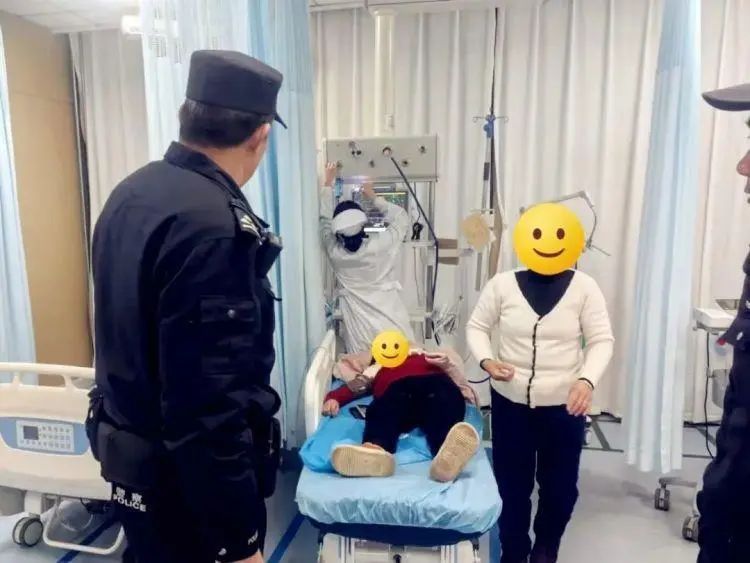
新房“过火”图吉利?母女俩中毒入院!
Huan Qiu Wang· 2025-09-06 07:33
Core Points - A mother and daughter in Changsha, Hunan Province experienced mild carbon monoxide poisoning after performing a traditional "fire ceremony" in a closed room, but they received timely medical treatment and are now safe [1] - Carbon monoxide is a colorless, odorless gas that can easily lead to poisoning in enclosed spaces, as evidenced by multiple cases [1][3] Group 1: Carbon Monoxide Poisoning Cases - In 2025, a mother and daughter in Suzhou, Anhui Province suffered from carbon monoxide poisoning after burning charcoal for warmth in a closed room during cold weather, but they were rescued in time [1] - In December 2024, a family of three in Changzhou, Jiangsu Province experienced symptoms of carbon monoxide poisoning after using charcoal indoors for tea, but they were also saved due to prompt medical attention [3] Group 2: Symptoms of Carbon Monoxide Poisoning - Mild poisoning symptoms include headache, dizziness, insomnia, vision impairment, tinnitus, nausea, fatigue, rapid heartbeat, and shock [5] - Moderate poisoning symptoms add cherry-red skin, excessive sweating, arrhythmia, agitation, lethargy, and coma [7] - Severe poisoning can lead to coma, convulsions, pale or cyanotic skin, low blood pressure, and a high mortality rate, with potential severe long-term effects for survivors [7] Group 3: First Aid for Carbon Monoxide Poisoning - Self-rescue involves crawling to a well-ventilated area and calling for help if feeling dizzy or nauseous [8] - Immediate assistance includes moving the patient to fresh air, loosening tight clothing, and calling emergency services while monitoring the patient's condition [8][9]
北京号最精彩|更便捷!京西这条道路今天正式开通
Bei Jing Ri Bao Ke Hu Duan· 2025-08-19 09:35
Group 1 - Jinding East Road officially opened on August 19, now named Langshan South Street [4] - A new Robot Innovation Park is set to open in the Olympic Center area, providing a full chain from laboratory ideas to product applications [6] - The new public space under the Xincheng Steel Bridge will open to the public for free on August 22, offering a refreshed experience [8] Group 2 - The Ministry of Human Resources and Social Security announced new regulations for personal pension withdrawals, effective September 1 [10] - Tongzhou District is optimizing 12 bus routes to enhance connectivity to subways, interprovincial commuting, and tourist attractions [12] - Cuiwei Department Store has completed its renovation and rebranding as "Cuiwei Plaza: Sports Lifestyle Museum" [15] Group 3 - The National Land Spatial Planning for Changping District's Shisanling Town has been approved for the period 2021-2035 [19] - The new Huairou School of Zhongguancun Third Primary School will welcome its first batch of students on September 1 [21] - Haidian District is focusing on integrating technology, ecology, and culture to enhance urban development and environmental protection [23]