诺如病毒肠炎

Search documents
需关注流行性感冒等,1月健康防护提示来了→
Xin Lang Cai Jing· 2026-01-08 12:49
Group 1 - The article emphasizes the importance of health protection measures during January 2026 due to low temperatures and increased risk of respiratory infections in China [1][2] - It highlights the seasonal prevalence of influenza and other acute respiratory infections, with a noted increase in respiratory syncytial virus positivity rates [2] - The article provides specific protective measures against respiratory infections, including maintaining good hygiene, wearing masks, and getting vaccinated [3] Group 2 - The article discusses avian influenza in humans, detailing its symptoms and transmission routes, primarily through contact with infected birds [4] - It outlines preventive measures such as avoiding direct contact with birds and ensuring proper cooking of poultry products [5] Group 3 - Norovirus gastroenteritis is described as being transmitted through contaminated food or water, with a peak season from October to March [6] - Key preventive measures include hand hygiene, proper food handling, and timely reporting of outbreaks in communal settings [8] Group 4 - Carbon monoxide poisoning is noted as a risk during the winter months, particularly from improper heating methods [9] - Preventive measures include ensuring proper ventilation, using certified gas appliances, and avoiding prolonged idling of vehicles in enclosed spaces [10][11]
中疾控发布2025年12月健康防护提示
Ren Min Wang· 2025-12-11 01:52
Core Viewpoint - The article emphasizes the importance of public health awareness and preventive measures during the winter and spring seasons, highlighting the increased risk of respiratory infections, including influenza, avian influenza, norovirus, and carbon monoxide poisoning due to colder temperatures and specific environmental conditions [1][2][3]. Group 1: Respiratory Infections - The winter-spring season is a peak period for acute respiratory infections in China, with pathogens such as influenza virus, rhinovirus, and respiratory syncytial virus being prevalent [2] - Influenza primarily spreads through respiratory droplets in crowded and poorly ventilated indoor spaces, with symptoms including fever, headache, and muscle pain, particularly affecting high-risk groups like pregnant women, infants, the elderly, and those with chronic diseases [2] Group 2: Preventive Measures for Respiratory Infections - Good hygiene practices are essential, including covering the mouth and nose when coughing or sneezing, frequent handwashing, and maintaining a balanced diet and adequate rest [3] - Vaccination is the most effective method to prevent influenza, especially for high-risk populations [3] Group 3: Avian Influenza - Human infection with avian influenza is caused by accidental transmission from infected birds, with symptoms similar to influenza and potential severe outcomes like acute respiratory distress syndrome [4] - Preventive measures include avoiding contact with sick or dead animals and ensuring proper cooking of poultry products [5] Group 4: Norovirus - Norovirus primarily spreads through contaminated food or water, with symptoms including nausea, vomiting, and diarrhea, particularly in crowded settings like schools [6] - Hand hygiene and proper food handling practices are crucial to prevent infection [7][8] Group 5: Carbon Monoxide Poisoning - The period from November to March sees a rise in carbon monoxide poisoning cases, often due to improper heating methods [9] - Preventive measures include ensuring proper ventilation when using coal or gas heating and installing carbon monoxide detectors [10]
中疾控发布10月健康防护提示
Ren Min Wang· 2025-10-16 01:33
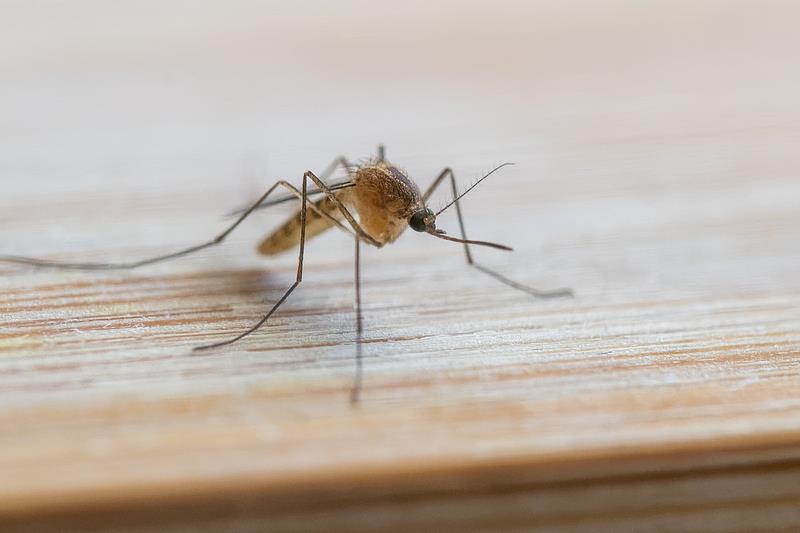
Core Viewpoint - The article emphasizes the need to monitor various infectious diseases, including Chikungunya, Dengue fever, acute respiratory infections, Hand, Foot, and Mouth Disease (HFMD), Norovirus gastroenteritis, and Monkeypox, following the National Day and Mid-Autumn Festival holidays in October 2025 [1] Group 1: Mosquito-borne Diseases - Chikungunya is an acute infectious disease caused by the Chikungunya virus, primarily transmitted by Aedes mosquitoes, with symptoms including fever, rash, and joint pain [2] - Dengue fever is caused by the Dengue virus, also transmitted by Aedes mosquitoes, presenting symptoms such as fever, fatigue, loss of appetite, nausea, severe headaches, and muscle and joint pain [2] Group 2: Preventive Measures for Mosquito-borne Diseases - Key preventive measures include avoiding mosquito bites by using mosquito repellent, wearing long sleeves and pants, and using mosquito nets in areas with Aedes mosquitoes [3] - Eliminating mosquito breeding sites by regularly cleaning and removing standing water, and using insecticides indoors [3] - Increasing self-awareness regarding health status and seeking medical attention if symptoms like fever and joint pain occur after potential exposure [3] Group 3: Acute Respiratory Infections - Acute respiratory infections can be caused by various pathogens, including Mycoplasma pneumoniae, rhinoviruses, and coronaviruses, with recent monitoring showing high positivity rates for rhinoviruses and respiratory syncytial viruses [4] Group 4: Preventive Measures for Acute Respiratory Infections - Maintaining good hygiene practices, such as covering the mouth and nose when coughing or sneezing, frequent handwashing, and a balanced diet [5] - Seeking medical attention promptly if experiencing fever and respiratory symptoms, and wearing masks in crowded or enclosed spaces [5] - Vulnerable populations, including pregnant women and the elderly, should actively receive vaccinations as per guidelines [5] Group 5: Hand, Foot, and Mouth Disease (HFMD) - HFMD is a common infectious disease in children caused by various enteroviruses, with outbreaks typically occurring in spring-summer and autumn [6] - The disease spreads through the digestive and respiratory tracts, with symptoms including fever and rashes on hands, mouth, and feet [6] Group 6: Preventive Measures for HFMD - Good hygiene practices, regular cleaning and disinfection of toys and frequently touched surfaces, and avoiding contact with infected children are crucial [8] - Vaccination against EV-A71 can effectively prevent severe cases of HFMD, recommended for children over six months old [9] Group 7: Norovirus Gastroenteritis - Norovirus gastroenteritis can occur year-round, with a peak from October to March, often in schools and travel groups, spreading through contaminated food and water [10] Group 8: Preventive Measures for Norovirus - Emphasizing hand hygiene, safe food and water consumption, and proper disinfection of contaminated surfaces are essential preventive measures [11] Group 9: Monkeypox - Monkeypox is an acute infectious disease caused by the monkeypox virus, with symptoms including fever, rash, and swollen lymph nodes, primarily transmitted through direct contact with infected individuals [12] Group 10: Preventive Measures for Monkeypox - Awareness of monkeypox prevention, maintaining good hygiene, and avoiding close contact with suspected cases are critical [13][14]
天气转凉这些传染病多发!防护攻略看这里
Yang Shi Xin Wen· 2025-10-16 01:29
Core Viewpoint - The article emphasizes the importance of preventive measures against various infectious diseases, including Chikungunya, Dengue fever, acute respiratory infections, Hand, Foot, and Mouth Disease (HFMD), Norovirus gastroenteritis, and Monkeypox, especially after the National Day and Mid-Autumn Festival holidays. Group 1: Mosquito-borne Diseases (Chikungunya and Dengue Fever) - Chikungunya is an acute infectious disease caused by the Chikungunya virus, primarily transmitted by Aedes mosquitoes, with symptoms including fever, rash, and joint pain [1] - Dengue fever is caused by the dengue virus, also transmitted by Aedes mosquitoes, presenting symptoms such as fever, fatigue, loss of appetite, nausea, severe headaches, and muscle and joint pain [1] - Key preventive measures include avoiding mosquito bites, using mosquito repellent, and eliminating mosquito breeding sites by clearing standing water [2][2] Group 2: Acute Respiratory Infections - Various pathogens cause acute respiratory infections, with recent monitoring showing high positivity rates for rhinovirus and respiratory syncytial virus [4] - Preventive measures include maintaining good hygiene, wearing masks in crowded places, and timely medical consultation for respiratory symptoms [5] Group 3: Hand, Foot, and Mouth Disease (HFMD) - HFMD is a common infectious disease in children, primarily affecting those under five years old, with transmission through the digestive and respiratory tracts [6] - Preventive measures include maintaining hygiene, regular cleaning of toys, and avoiding contact with infected children [7][8] Group 4: Norovirus Gastroenteritis - Norovirus gastroenteritis can occur year-round, with a peak from October to March, often in schools and travel groups [10] - Preventive measures include frequent handwashing, ensuring food and water safety, and disinfecting contaminated surfaces [12] Group 5: Monkeypox - Monkeypox is an acute infectious disease characterized by fever, rash, and lymphadenopathy, primarily transmitted through direct contact with infected individuals [13] - Preventive measures include enhancing self-protection awareness, avoiding close contact with suspected cases, and adhering to entry and exit regulations [14][15][17]