健康防护

Search documents
省疾控局提示:平安过节 做好健康防护
Shan Xi Ri Bao· 2026-02-18 00:56
Core Viewpoint - The provincial disease control center has issued health protection guidelines for the Spring Festival, emphasizing the need for increased health precautions due to the rise in respiratory diseases and food safety risks during this period [1][2]. Group 1: Respiratory Disease Prevention - The Spring Festival is a peak period for respiratory diseases such as influenza, COVID-19, and mycoplasma pneumonia, necessitating enhanced protective measures [1]. - Individuals are advised to monitor their health and that of their family members before gatherings, and to seek medical attention if experiencing symptoms like fever, cough, or sore throat [1]. - It is recommended to wear masks in crowded places and to practice hand hygiene by washing hands with soap and water, as well as ensuring proper ventilation in homes [1]. Group 2: Food Safety and Dietary Recommendations - The guidelines stress the importance of preventing foodborne illnesses by ensuring food is fresh, separating raw and cooked foods, and thoroughly cooking meals, especially meat and seafood [1]. - Individuals are encouraged to maintain a balanced diet during the festivities, avoiding excessive consumption of high-fat, high-sugar, and high-salt foods, and to drink alcohol in moderation [2]. Group 3: Travel and Personal Safety - Travelers should check the weather, road conditions, and health status of their destination, and carry personal protective items such as masks and disinfectant wipes [2]. - For those traveling abroad, it is crucial to be aware of the local infectious disease risks and to take preventive measures against mosquito-borne diseases [2]. - Safety precautions at home should include ensuring electrical and gas appliances are used safely, keeping escape routes clear, and storing hazardous items out of children's reach [2].
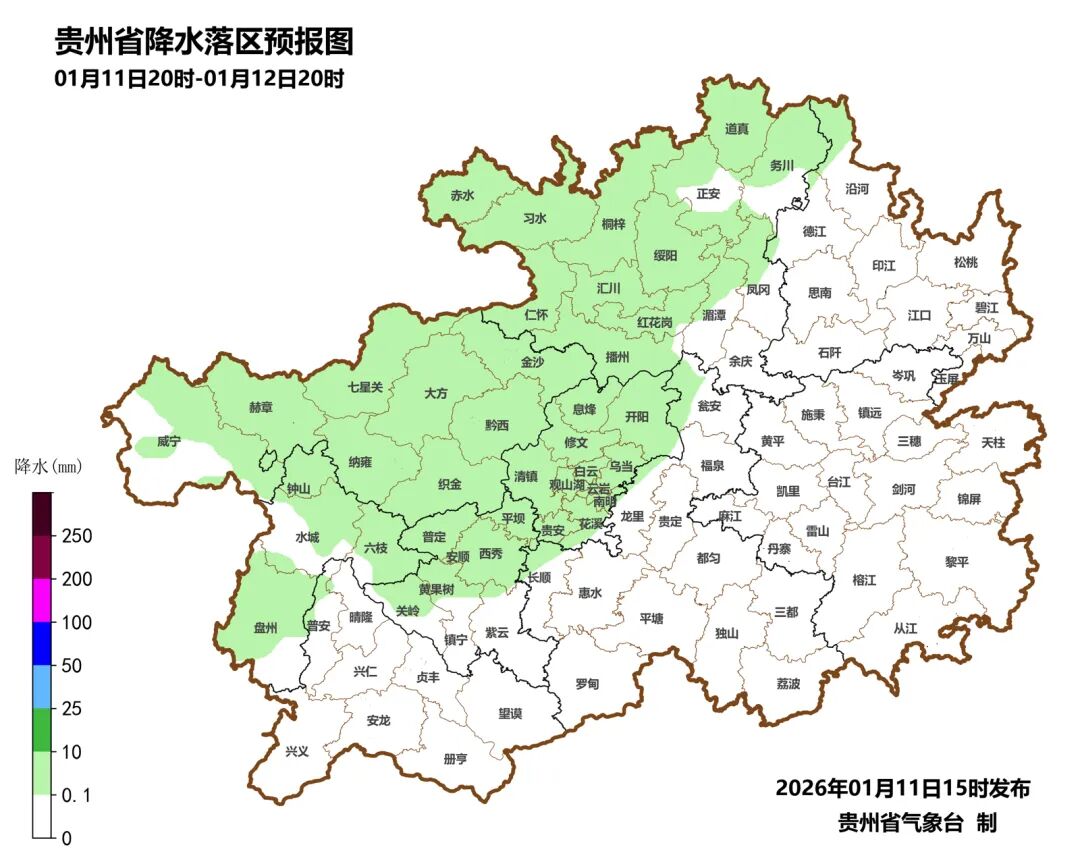
阳光出来“试营业”,但1月11日至12日贵州局部有小雨
Xin Lang Cai Jing· 2026-01-11 14:08
Weather Summary - From January 10 to January 11, moderate rain was recorded in Hezhang County, Bijie City with a rainfall of 12.0 mm, while light rain was observed at 1130 weather stations [1] - The lowest temperature in Weining County was -1.0℃, with several counties experiencing temperatures at or below 0℃ [1] - Fog was reported in 22 counties (cities, districts) including Pan County, Kaiyang County, and others, with the lowest visibility recorded at 54.0 meters in Zheng'an County [1] Upcoming Weather Forecast - From the night of January 11 to the day of January 12, the weather will be mostly cloudy with occasional light rain in the western and northern regions [2] - From the night of January 12 to the night of January 13, the weather will transition from cloudy to sunny, with temperatures expected to rise above 15℃ [4] - On January 14, the northern regions will experience light rain while other areas will be mostly cloudy [6] Health and Safety Recommendations - It is advised to maintain warmth due to significant temperature differences between day and night, especially for vulnerable groups like the elderly and children [1] - Health precautions include wearing masks in crowded places and maintaining hygiene to prevent respiratory diseases [2] - Skin care is emphasized during winter to combat dryness, recommending the use of moisturizers and humidifiers indoors [2]

需关注流行性感冒等,1月健康防护提示来了→
Xin Lang Cai Jing· 2026-01-08 12:49
Group 1 - The article emphasizes the importance of health protection measures during January 2026 due to low temperatures and increased risk of respiratory infections in China [1][2] - It highlights the seasonal prevalence of influenza and other acute respiratory infections, with a noted increase in respiratory syncytial virus positivity rates [2] - The article provides specific protective measures against respiratory infections, including maintaining good hygiene, wearing masks, and getting vaccinated [3] Group 2 - The article discusses avian influenza in humans, detailing its symptoms and transmission routes, primarily through contact with infected birds [4] - It outlines preventive measures such as avoiding direct contact with birds and ensuring proper cooking of poultry products [5] Group 3 - Norovirus gastroenteritis is described as being transmitted through contaminated food or water, with a peak season from October to March [6] - Key preventive measures include hand hygiene, proper food handling, and timely reporting of outbreaks in communal settings [8] Group 4 - Carbon monoxide poisoning is noted as a risk during the winter months, particularly from improper heating methods [9] - Preventive measures include ensuring proper ventilation, using certified gas appliances, and avoiding prolonged idling of vehicles in enclosed spaces [10][11]
小米集团CEO雷军:小米的空气滤网比N95口罩要强很多!N95口罩能够将颗粒物过滤到95%,我们可以过滤到99.95%
Sou Hu Cai Jing· 2026-01-04 06:25
Core Insights - Xiaomi's air filter is claimed to be significantly more effective than N95 masks, filtering 99.95% of particles compared to the 95% filtration of N95 masks [1] - The design of the YU7 air purifier takes into account family needs, particularly focusing on children's health [1] - Xiaomi has received a five-star health rating for its air purifier, meeting high standards in air quality, health protection, and green travel [1]


雷军:小米YU7汽车的空气滤网比N95口罩要强很多
Sou Hu Cai Jing· 2026-01-03 13:32
Group 1 - The core message of the news is that Xiaomi's founder and CEO Lei Jun showcased the new Xiaomi YU7 during a New Year live stream, highlighting its advanced air filtration capabilities [1] - The air filter of the Xiaomi YU7 is claimed to filter particles at 99.95%, which is significantly higher than the 95% filtration rate of N95 masks [1] - The design of the YU7 takes into account family needs, particularly focusing on the health concerns of children, which aligns with the increasing consumer demand for health-oriented products [3] Group 2 - Xiaomi has received a five-star health vehicle honor, indicating that the YU7 meets high standards in fresh air, health protection, and green travel [3]

重要!河南疾控发布健康风险提示
Xin Lang Cai Jing· 2026-01-01 03:18
Core Insights - The article emphasizes the increased risk of infectious diseases during January due to winter conditions and heightened human activity around the New Year, particularly respiratory and gastrointestinal infections, as well as non-occupational carbon monoxide poisoning [1] Group 1: Influenza - Influenza is an acute respiratory infectious disease caused by the influenza virus, characterized by symptoms such as chills, high fever, headache, and fatigue, typically lasting 3-4 days [2] - Although influenza cases in the province are currently on a downward trend, they remain within the seasonal epidemic period, with a heightened risk in densely populated areas like schools and nursing homes [2] Group 2: Norovirus Infection - Norovirus is highly contagious and is a leading cause of acute gastroenteritis, transmitted through contaminated food, water, or surfaces, with common sources including shellfish and raw fruits and vegetables [4] - The winter season marks a peak period for norovirus infections, particularly in crowded settings such as schools and childcare facilities, necessitating public vigilance and personal protective measures [4] Group 3: Non-occupational Carbon Monoxide Poisoning - Non-occupational carbon monoxide poisoning exhibits a clear seasonal pattern, peaking from November to March, coinciding with heating demands during colder months [7] - The article warns of an expected increase in carbon monoxide poisoning incidents in January due to rising heating needs, with symptoms ranging from mild to severe, potentially leading to high mortality rates in severe cases [7]
收好这份流感防护提示 全家安心过冬
Ren Min Wang· 2025-12-23 07:11
Group 1 - The article highlights the increased risk of influenza transmission due to sudden temperature drops and crowded indoor environments, emphasizing the importance of daily protective measures in densely populated places like schools and nursing homes [1] Group 2 - Influenza is characterized as an acute respiratory infectious disease caused by the influenza virus, with symptoms that can include high fever, headaches, muscle and joint pain, and fatigue, distinguishing it from the common cold which typically has milder symptoms [2] - Severe complications from influenza can include pneumonia, heart damage, and shock, with vulnerable groups such as the elderly, chronic disease patients, children, and pregnant women being at higher risk for serious outcomes [2] Group 3 - Basic preventive measures against influenza include frequent handwashing, especially after contact with public items and before meals, using running water and soap for at least 20 seconds [3] - In high-risk environments or when in contact with individuals showing respiratory symptoms, proper mask-wearing is advised [3] Group 4 - Masks should not be used continuously and must be replaced immediately if they become wet or contaminated [4] - Coughing or sneezing should be covered with a tissue or the elbow to prevent droplet transmission, with used tissues disposed of promptly and hands washed afterward [4] Group 5 - It is recommended to maintain warmth while ensuring daily ventilation of indoor spaces 2-3 times for over 30 minutes each time to keep air circulation [5] Group 6 - A balanced diet rich in proteins, vitamins, and minerals is essential for building internal immunity, along with moderate exercise and ensuring 7-8 hours of quality sleep each night [6] - Foods such as water chestnuts, lilies, lotus root, snow pears, tremella, and yam are suggested, with herbal teas like honeysuckle and chrysanthemum being beneficial for throat discomfort [6]
天气渐寒,如何做好健康防护?
Ren Min Wang· 2025-12-21 14:17
Core Insights - The article discusses the health risks associated with declining temperatures, particularly focusing on respiratory and circulatory system impacts, and provides recommendations for health protection during cold weather. Group 1: Health Risks - Decreased temperatures can adversely affect the respiratory system, leading to prolonged survival of flu viruses and increased symptoms such as runny nose and sneezing due to irritation of the mucous membranes [1] - Cold air can cause blood vessel constriction, leading to increased peripheral vascular resistance and elevated blood pressure, particularly affecting hypertensive patients [1] - The incidence of acute coronary syndrome significantly rises during cold waves, with over 70% of cases occurring in middle-aged and elderly patients [1] Group 2: Health Protection Recommendations - Precise warming strategies include layered clothing, maintaining indoor temperatures between 18-22 degrees Celsius, and using humidifiers to keep humidity at 50%-60% [2] - Respiratory protection measures involve regular hand washing, wearing masks, and ensuring proper ventilation by opening windows 2-3 times daily for 15-30 minutes [2] - High-risk groups, such as the elderly and those with chronic diseases, should minimize outdoor activities and be closely monitored for symptoms like chest pain or difficulty breathing [2]
暖心护航 “最后一公里” 京东买药秒送推出流感季骑手护航计划
Zheng Quan Ri Bao Wang· 2025-12-19 12:10
Core Viewpoint - JD Health's "Flu Season Rider Protection Plan" aims to ensure the health and safety of delivery riders while enhancing the safety of drug delivery for users during the flu season [1][2] Group 1: Health and Safety Measures - The plan provides free flu protection supplies, including disinfectant wipes, masks, cold medicine, and disinfectant, to all riders to address their protective needs during the flu season [1] - Riders are encouraged to share protective supplies, such as masks, with those in urgent need, promoting health awareness during deliveries [1] - JD Health emphasizes the importance of riders adhering to safety protocols, including wearing masks and conducting self-disinfection before and after deliveries [1] Group 2: Commitment to Delivery Safety - The initiative reflects JD Health's commitment to the dual responsibility of ensuring rider health and user safety during the delivery process [2] - By strengthening the safety measures in the "last mile" of delivery, the company aims to provide users with a more secure and reassuring experience when purchasing medications [2] - The plan includes regular updates on flu prevention, health maintenance, and protective techniques to enhance riders' health management awareness and capabilities [1]

降温与流感双重预警,墨迹天气 “流感指数” 精准守护,筑牢健康防护墙
Sou Hu Wang· 2025-11-18 10:50
Core Viewpoint - The combination of a cold wave and flu season poses significant health challenges, necessitating accurate risk assessment and protective measures for the public [1][3][8] Group 1: Health Risks and Challenges - The cold wave has led to a significant drop in temperatures across most regions, increasing the risk of flu transmission [1] - The dominant flu strain this year is the H3N2 subtype, which is highly contagious and poses a greater threat to vulnerable populations such as the elderly and children [3][4] - Distinguishing between common colds and flu is crucial for effective health protection, as they differ in symptoms, transmission, and risk levels [3][4] Group 2: Preventive Measures and Tools - Moji Weather provides a comprehensive flu risk forecast and cold weather guidance, integrating meteorological data with health protection needs [5][6] - The "Flu Forecast" and "Cold Index" work together to inform users about flu risks and daily cold probabilities, enabling better planning for protective measures [5] - The platform offers a full-service system that includes flu forecasts, protective advice, and symptom feedback, allowing users to create personal health records and improve predictive models [5] Group 3: Cold Weather Protection - The "24-Hour Forecast," "Clothing Index," and "Wind Chill Index" provide tailored recommendations for cold weather protection, especially for sensitive groups [6] - These tools help users anticipate temperature fluctuations and plan appropriate clothing to minimize health risks associated with cold exposure [6][8]