人均可支配收入

Search documents
2025年广西壮族自治区城镇、农村居民累计人均可支配收入之比为2.12:1,累计人均消费支出之比为1.57:1
Chan Ye Xin Xi Wang· 2026-02-11 03:50
相关报告:智研咨询发布的《2026-2032年中国共享经济行业市场研究分析及投资前景预测报告》 根据国家统计局数据显示:2025年广西壮族自治区城镇居民人均可支配收入为44793元,同比增长 4.06%,农村居民人均可支配收入为21149元,同比增长5.99%;近6年广西壮族自治区城镇居民人均可 支配收入与农村居民人均可支配收入逐年增长。 数据来源:国家统计局,智研咨询整理 2020年-2025年广西壮族自治区城镇居民累计人均可支配收入统计图 注:该图表内数据均为当年累计季度数据。 数据来源:国家统计局,智研咨询整理 知前沿,问智研。智研咨询是中国一流产业咨询机构,十数年持续深耕产业研究领域,提供深度产业研 究报告、商业计划书、可行性研究报告及定制服务等一站式产业咨询服务。专业的角度、品质化的服 务、敏锐的市场洞察力,专注于提供完善的产业解决方案,为您的投资决策赋能。 2020年-2025年广西壮族自治区农村居民累计人均可支配收入统计图 数据来源:国家统计局,智研咨询整理 根据国家统计局数据显示:2025年广西壮族自治区城镇居民人均消费支出为2.72万元,同比增长 4.14%,农村居民人均消费支出为1.73万 ...


2025年广东省城镇、农村居民累计人均可支配收入之比为2.27:1,累计人均消费支出之比为1.8:1
Chan Ye Xin Xi Wang· 2026-02-11 03:50
Core Insights - The report by Zhiyan Consulting forecasts the market research and investment prospects of the shared economy industry in China from 2026 to 2032 [1] Group 1: Income Growth - In 2025, the per capita disposable income of urban residents in Guangdong Province is projected to be 63,974 yuan, reflecting a year-on-year growth of 3.81% [1] - The per capita disposable income of rural residents in Guangdong Province is expected to reach 28,170 yuan in 2025, with a year-on-year increase of 5.39% [1] - Over the past six years, both urban and rural per capita disposable incomes in Guangdong Province have shown consistent annual growth [1] Group 2: Consumption Expenditure - The per capita consumption expenditure of urban residents in Guangdong Province is anticipated to be 42,700 yuan in 2025, marking a year-on-year growth of 4.07% [1] - The per capita consumption expenditure of rural residents is projected to be 23,700 yuan in 2025, with a year-on-year increase of 2.98% [1]

2025年安徽省城镇、农村居民累计人均可支配收入之比为2.17:1,累计人均消费支出之比为1.47:1
Chan Ye Xin Xi Wang· 2026-02-11 03:44
相关报告:智研咨询发布的《2026-2032年中国共享经济行业市场研究分析及投资前景预测报告》 知前沿,问智研。智研咨询是中国一流产业咨询机构,十数年持续深耕产业研究领域,提供深度产业研 究报告、商业计划书、可行性研究报告及定制服务等一站式产业咨询服务。专业的角度、品质化的服 务、敏锐的市场洞察力,专注于提供完善的产业解决方案,为您的投资决策赋能。 根据国家统计局数据显示:2025年安徽省城镇居民人均可支配收入为51737元,同比增长4.44%,农村 居民人均可支配收入为23828元,同比增长5.87%;近6年安徽省城镇居民人均可支配收入与农村居民人 均可支配收入逐年增长。 根据国家统计局数据显示:2025年安徽省城镇居民人均消费支出为3.05万元,同比增长4.15%,农村居 民人均消费支出为2.08万元,同比增长3.35%。 2024Q4-2025Q4安徽省城镇及农村居民累计人均消费支出统计图 数据来源:国家统计局,智研咨询整理 注:该图表内数据均为当年累计季度数据。 2020年-2025年安徽省城镇居民累计人均可支配收入统计图 数据来源:国家统计局,智研咨询整理 2020年-2025年安徽省农村居民累计人 ...

2025年内蒙古自治区城镇、农村居民累计人均可支配收入之比为2.21:1,累计人均消费支出之比为1.64:1
Chan Ye Xin Xi Wang· 2026-02-09 03:36
Core Insights - The per capita disposable income for urban residents in Inner Mongolia is projected to reach 52,829 yuan in 2025, reflecting a year-on-year growth of 3.81%, while rural residents' per capita disposable income is expected to be 23,855 yuan, with a year-on-year increase of 5.82% [1][1][1] - Both urban and rural residents in Inner Mongolia have experienced a consistent annual increase in per capita disposable income over the past six years [1] - The per capita consumption expenditure for urban residents in Inner Mongolia is forecasted to be 34,200 yuan in 2025, showing a year-on-year growth of 2.52%, whereas rural residents' per capita consumption expenditure is anticipated to be 20,800 yuan, with a year-on-year increase of 6.15% [1][1][1] Income and Expenditure Trends - The cumulative per capita disposable income for urban residents in Inner Mongolia from 2020 to 2025 has shown a steady upward trend [1] - The cumulative per capita disposable income for rural residents in Inner Mongolia from 2020 to 2025 has also demonstrated consistent growth [1] - The cumulative per capita consumption expenditure for urban residents from Q4 2024 to Q4 2025 is expected to follow a similar upward trajectory [1] - The cumulative per capita consumption expenditure for rural residents from Q4 2024 to Q4 2025 is projected to increase as well [1]

2025年吉林省城镇、农村居民累计人均可支配收入之比为1.86:1,累计人均消费支出之比为1.83:1
Chan Ye Xin Xi Wang· 2026-02-09 03:36
Core Insights - The report by Zhiyan Consulting forecasts the growth of disposable income and consumption expenditure for urban and rural residents in Jilin Province from 2025 to 2031, indicating a positive trend in the shared economy sector [1][2] Group 1: Disposable Income - In 2025, the per capita disposable income for urban residents in Jilin Province is projected to be 40,817 yuan, reflecting a year-on-year increase of 4.24% [1] - The per capita disposable income for rural residents is expected to reach 21,911 yuan in 2025, with a year-on-year growth of 5.83% [1] - Over the past six years, both urban and rural residents in Jilin Province have experienced a steady increase in per capita disposable income [1] Group 2: Consumption Expenditure - The projected per capita consumption expenditure for urban residents in Jilin Province in 2025 is 29,700 yuan, which represents a year-on-year increase of 3.39% [1] - For rural residents, the per capita consumption expenditure is anticipated to be 16,200 yuan in 2025, showing a year-on-year growth of 4.97% [1] - The report includes cumulative quarterly data on consumption expenditure for both urban and rural residents from Q4 2024 to Q4 2025 [2]

2025年上海市城镇、农村居民累计人均可支配收入之比为2.01:1,累计人均消费支出之比为1.68:1
Chan Ye Xin Xi Wang· 2026-02-09 03:36
Core Insights - The report by Zhiyan Consulting forecasts the market research and investment prospects of the shared economy in China from 2026 to 2032 [1] Group 1: Income Growth - In 2025, the per capita disposable income for urban residents in Shanghai is projected to be 96,842 yuan, reflecting a year-on-year growth of 4.02% [1] - The per capita disposable income for rural residents in Shanghai is expected to reach 48,122 yuan in 2025, with a year-on-year increase of 5.43% [1] - Over the past six years, both urban and rural per capita disposable incomes in Shanghai have shown consistent annual growth [1] Group 2: Consumption Expenditure - The per capita consumption expenditure for urban residents in Shanghai is anticipated to be 57,100 yuan in 2025, marking a year-on-year growth of 3.81% [1] - For rural residents, the per capita consumption expenditure is projected to be 33,900 yuan in 2025, with a year-on-year increase of 4.86% [1]

2025年辽宁省城镇、农村居民累计人均可支配收入之比为2.09:1,累计人均消费支出之比为1.81:1
Chan Ye Xin Xi Wang· 2026-02-09 03:36
Group 1 - The core viewpoint of the report indicates that the disposable income of urban residents in Liaoning Province is projected to reach 50,057 yuan in 2025, reflecting a year-on-year growth of 4.32%, while rural residents' disposable income is expected to be 23,942 yuan, with a growth of 5.27% [1] - The report highlights that both urban and rural residents in Liaoning Province have experienced a steady increase in per capita disposable income over the past six years [1] - In terms of consumption expenditure, urban residents' per capita consumption is forecasted to be 31,400 yuan in 2025, showing a year-on-year increase of 3.55%, while rural residents' per capita consumption is expected to be 17,400 yuan, with a growth of 3.77% [1] Group 2 - The report includes cumulative per capita consumption expenditure statistics for urban and rural residents in Liaoning Province from Q4 2024 to Q4 2025 [2] - The data presented in the report is sourced from the National Bureau of Statistics and organized by Zhiyan Consulting, a leading industry consulting firm in China [2] - Zhiyan Consulting specializes in providing in-depth industry research reports, business plans, feasibility studies, and customized services, focusing on delivering comprehensive industry solutions to empower investment decisions [2]

2025年北京市城镇、农村居民累计人均可支配收入之比为2.29:1,累计人均消费支出之比为1.93:1
Chan Ye Xin Xi Wang· 2026-02-09 03:30
Group 1 - The core viewpoint of the report is the projected growth in disposable income and consumption expenditure for urban and rural residents in Beijing from 2025, indicating a positive trend in the shared economy sector [1][2] - By 2025, the disposable income for urban residents in Beijing is expected to reach 96,292 yuan, reflecting a year-on-year growth of 4.14%, while rural residents' disposable income is projected to be 42,012 yuan, with a growth of 5.41% [1] - The report highlights that urban residents' average consumption expenditure in Beijing will be 54,100 yuan in 2025, showing a year-on-year increase of 1.71%, whereas rural residents' consumption expenditure is expected to be 28,100 yuan, with a growth of 2.68% [1]

2025年我国居民恩格尔系数比上年下降0.5个百分点
Xin Lang Cai Jing· 2026-01-19 05:48
Core Insights - The National Bureau of Statistics of China reported that by 2025, the Engel coefficient for food, tobacco, and alcohol consumption will be 29.3%, a decrease of 0.5 percentage points from the previous year [1] - Per capita consumer spending in China is projected to reach 29,476 yuan in 2025, reflecting a nominal growth of 4.4% year-on-year, with real growth also at 4.4% after adjusting for price factors [1] - The per capita disposable income for residents is expected to be 43,377 yuan in 2025, with a nominal increase of 5.0% and real growth of 5.0% [1] Spending and Income Breakdown - Per capita service consumption expenditure is anticipated to grow by 4.5%, maintaining a share of 46.1% of total per capita consumption expenditure [1] - Urban residents are projected to have a per capita disposable income of 56,502 yuan, with a nominal increase of 4.3% and a real increase of 4.2% [1] - Rural residents are expected to see a per capita disposable income of 24,456 yuan, with a nominal increase of 5.8% and a real increase of 6.0% [1] - The median per capita disposable income for all residents is forecasted to be 36,231 yuan, with a nominal growth of 4.4% [1]
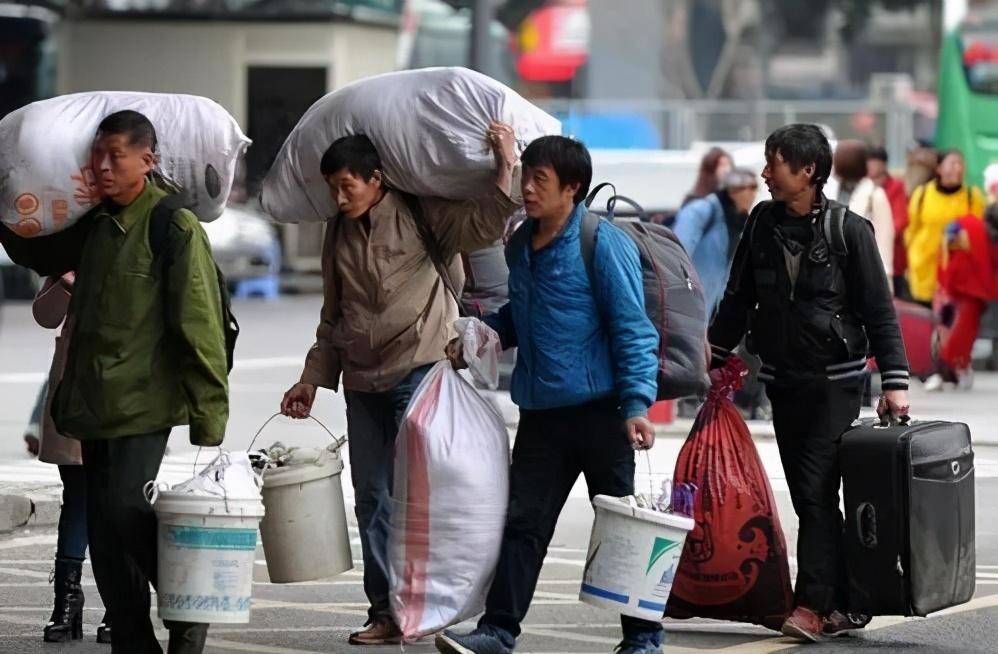
5000元工资有多难挣?数据不会说谎,撑起中国经济的,正是这群人
Sou Hu Cai Jing· 2025-12-04 17:26
Group 1 - The median disposable income for Chinese residents in the first three quarters of 2025 is 27,149 yuan, translating to approximately 2,714 yuan per month, indicating that over half of the population has a monthly disposable income below this level [1][2] - A monthly salary of 5,000 yuan is above the income of more than 70% of the population, as it falls between the upper-middle income group with an average of 3,949.75 yuan and the high-income group with an average of 7,509.67 yuan [4] - Approximately 80 listed companies have an average employee salary below 6,000 yuan, reflecting the income levels in a significant portion of the corporate sector [7] Group 2 - The average disposable income statistics include all demographics, but when focusing on the 734 million employed individuals, a salary of 5,000 yuan is positioned in the middle range [9] - Family burdens significantly impact the perception of income; for a family of three with one earner at 5,000 yuan, the per capita disposable income drops below 2,000 yuan [9] - Regional disparities in income perception are notable; in major cities like Shanghai and Beijing, the average disposable income is around 3,760.3 yuan, but high living costs can consume a large portion of this income [11] Group 3 - The group earning around 5,000 yuan plays a crucial role in the economy, contributing to over 52% of economic growth through final consumption expenditure [13] - This income group supports domestic markets for essential goods, such as domestic automobiles and appliances, despite not being able to afford luxury items [15] - The disparity in income across industries is significant, with financial sector salaries averaging around 36,000 yuan, while agriculture and hospitality sectors average just over 10,000 yuan [18] Group 4 - There is a pressing need to address income disparities across industries and regions to enhance social equity and unlock consumer potential [18] - For individuals, skill enhancement is vital, as high-skilled manufacturing sectors are growing faster than the average industrial growth rate [20] - The average worker earning around 5,000 yuan is essential to the economic foundation, representing a significant portion of the labor force [20][22]