体验式旅游

Search documents
泰国客源市场三十年流变:全国视野下的演进趋势与四川省的实践启示
Sou Hu Cai Jing· 2025-08-06 09:16
Core Insights - Thailand remains a key source market for China's inbound tourism, showing strong recovery trends post-pandemic, particularly in regions like Shanghai and Sichuan [1][3] - The historical evolution of Thailand's inbound tourism to China can be categorized into three phases: specialization, regional expansion, and diversification [3][5][6] - Sichuan province exemplifies the current phase of resource-driven market development, showcasing its unique tourism assets and sustained appeal to Thai tourists [7][9] Phase Analysis - **Phase 1: Specialization Initiation** This phase lasted from the early reform period to the mid-1990s, characterized by a highly centralized tourism operation dominated by a few state-owned travel agencies, with limited tourist flow and standardized itineraries [3][4] - **Phase 2: Regional Expansion** From the mid-1990s to the early 2010s, the opening of direct international flights and the economic growth in Thailand led to explosive market growth, with cities like Kunming becoming key hubs for Thai inbound tourism [5][6] - **Phase 3: Diversification and Depth** Since the early 2010s, especially post-pandemic, the market has seen a shift towards personalized and experiential travel, with emerging destinations gaining popularity among Thai tourists [6][12] Current Market Characteristics - The core routes to Beijing and East China remain strong, with seasonal fluctuations evident, particularly during peak months from March to May and September to November [12] - There is a growing trend towards deeper exploration of specific regions, with tourists favoring customized travel experiences over traditional package tours [12][13] - An increase in business tourism has been noted, with Thai teams combining business visits with leisure travel, necessitating local ground services [13] Strategic Recommendations - The industry must adapt to the trend of fragmented travel by offering modular and customizable travel products, enhancing service flexibility [14] - There is a need to develop themed and experiential products targeting younger travelers, leveraging unique local resources [14] - Marketing efforts should focus on digital engagement through social media platforms popular in Thailand, ensuring high-quality content that resonates with potential travelers [15] - Addressing the shortage of Thai-speaking guides is crucial, with initiatives to train and retain high-quality personnel to meet the demands of diverse tourist groups [16] Conclusion The Thai inbound tourism market has shown resilience and potential for growth, particularly in regions like Sichuan, which leverage unique resources and adapt to changing consumer preferences. Future competition will hinge on the ability to respond to fragmented demands and deliver high-quality, experience-driven travel options [17]


不止住宿,爱彼迎“大变身”
2 1 Shi Ji Jing Ji Bao Dao· 2025-05-14 03:00
Core Viewpoint - Airbnb is transitioning from a single accommodation booking platform to a comprehensive travel service provider, offering a variety of services and experiences beyond just lodging [2][3]. Group 1: Business Model Transformation - Airbnb's new strategy includes offering services such as private chefs, photography, massages, and unique experiences like learning volleyball from Olympic athletes and recording music with American singers [2][3]. - The company plans to launch these services in 260 cities globally, with most starting at prices below $50 [3]. - The "Airbnb Experiences" program has been upgraded to cover 650 cities, featuring activities like city tours, cooking classes, outdoor adventures, and fitness courses [4]. Group 2: Market Trends and Consumer Demand - There is a growing consumer demand for personalized and immersive travel experiences, challenging traditional travel service models [5]. - In China, 95% of respondents indicated they book experience projects while traveling, and 85% have traveled specifically for an experience or activity [6]. - The new services and experiences introduced by Airbnb align with consumer needs and market trends, enhancing the company's growth potential [6]. Group 3: Financial Performance - In Q1 2025, Airbnb reported total revenue of approximately $2.3 billion, a 6% year-over-year increase, while net profit decreased by 42% to about $154 million [6]. - Adjusted EBITDA for the same period was approximately $417 million, down 1.65% year-over-year [6]. - The company aims to continue investing in product innovation and market expansion to improve user experience and market share [6][7].

“拼好假”的年轻人,今年有哪些旅游新玩法?
Xin Lang Cai Jing· 2025-05-10 09:26
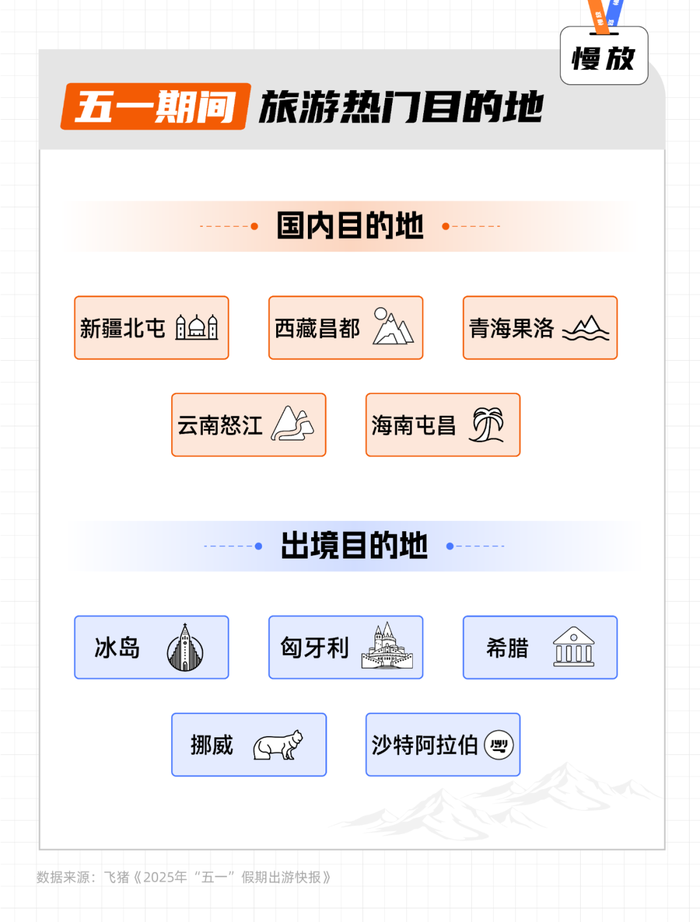
Group 1: Travel Trends - The "May Day" holiday saw a significant increase in domestic travel, with 314 million trips taken, representing a 6.4% year-on-year growth [2] - Young travelers are increasingly opting for less popular destinations, with booking volumes for places like Xinjiang and Tibet seeing over 100% growth compared to last year [2] - The trend of "picking quality over quantity" in travel experiences is evident, as young people prioritize unique and personalized travel experiences [1][14] Group 2: Accommodation Preferences - During the "May Day" holiday, 50% of hotel bookings in smaller cities were for accommodations priced below 200 yuan, highlighting a shift towards budget-friendly options [2] - The average rental car consumption increased by 24% compared to last year, with 85% of rentals being for out-of-town trips [4] Group 3: Outdoor Activities - There is a notable rise in outdoor activities among young travelers, with significant increases in interest for activities like snorkeling and hiking, as reflected in the high view counts on social media platforms [8][10] - Coastal cities are experiencing a surge in bookings, with places like Jinjiang seeing a 328% increase in orders [7] Group 4: Cultural and Entertainment Integration - The integration of travel with cultural events is becoming popular, as evidenced by the increase in attendance at large-scale performances, with over 200 million attendees and ticket sales reaching 1.212 billion yuan during the holiday [10][12] - Young travelers are combining their travel experiences with entertainment, such as attending concerts while on vacation, creating a new "after party" economy [12][13] Group 5: Redefining Travel Experience - The concept of travel is evolving from mere sightseeing to immersive experiences, with young people seeking to break free from routine and engage in meaningful activities [14] - The focus is shifting towards experiences that provide personal growth and enjoyment, rather than just visiting popular tourist spots [14]