内河航运发展

Search documents
内河航运激活区域经济新动能
Zhong Guo Xin Wen Wang· 2025-05-22 04:27
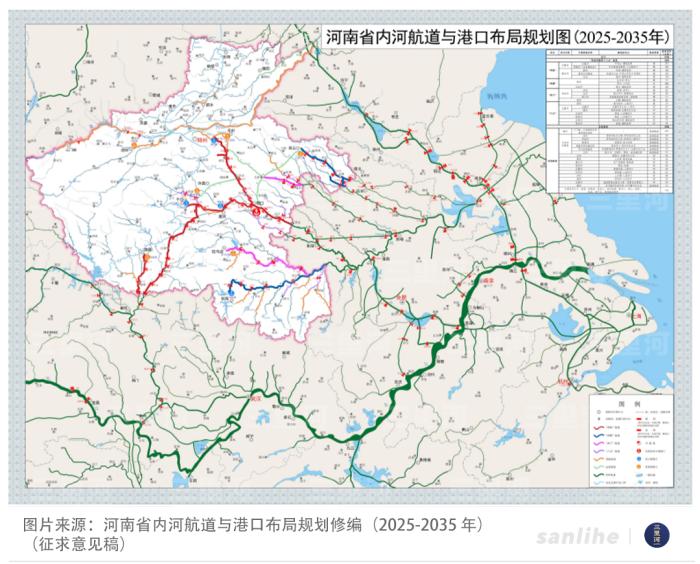
Core Insights - A competition regarding inland shipping is quietly unfolding, with Zhejiang and Henan provinces focusing on enhancing their inland shipping capabilities to integrate better into the Yangtze River Delta by 2035 [1][5] Group 1: Policy Initiatives - Zhejiang has released implementation opinions aimed at high-level construction of "Shipping Zhejiang," emphasizing the development of inland shipping to reach world-class standards by 2035 [1] - Henan is revising its inland waterway and port layout plan for 2025-2035, aiming to eliminate bottlenecks and enhance its transportation advantages [1][3] Group 2: Historical Context - In the late 1960s, Henan had 27 rivers connecting to the sea, with a navigation length exceeding 6,100 kilometers, and water transport accounted for 48% of total social transport volume [3] - The rapid development of high-speed rail and highways led to a decline in inland shipping in Henan, but recent efforts have revived its importance [3] Group 3: Strategic Goals - Henan aims to fill the gap in its transportation network by enhancing water transport, which is seen as the last shortcoming in its comprehensive transportation system [5] - The province's strategy includes integrating with the Yangtze River Delta, using ports as a frontline for this connection [5] Group 4: Economic Implications - Inland shipping offers significant cost advantages, with water transport costs being one-third of rail and one-fifth of road transport costs, which could lead to substantial savings in logistics costs for Zhejiang [7] - A 1% reduction in logistics costs could save Zhejiang over 90 billion yuan in social logistics costs in 2024 [7] Group 5: Regional Development - Cities in Zhejiang, such as Huzhou, are leveraging inland shipping to export goods directly to international markets, enhancing their economic development [8] - Huzhou Port is projected to handle 148 million tons of cargo in 2024, ranking eighth among national inland ports and first among non-Yangtze trunk line ports [9] Group 6: Infrastructure Development - The implementation opinions from Zhejiang also propose the construction of the Zhegan Canal to connect the Changshan River and the Xinjiang River, which would facilitate direct waterway connections between the central and western regions of Zhejiang and the Yangtze economic belt [9]

东部沿海大省,为何盯上内河航运?
Mei Ri Jing Ji Xin Wen· 2025-05-16 15:57
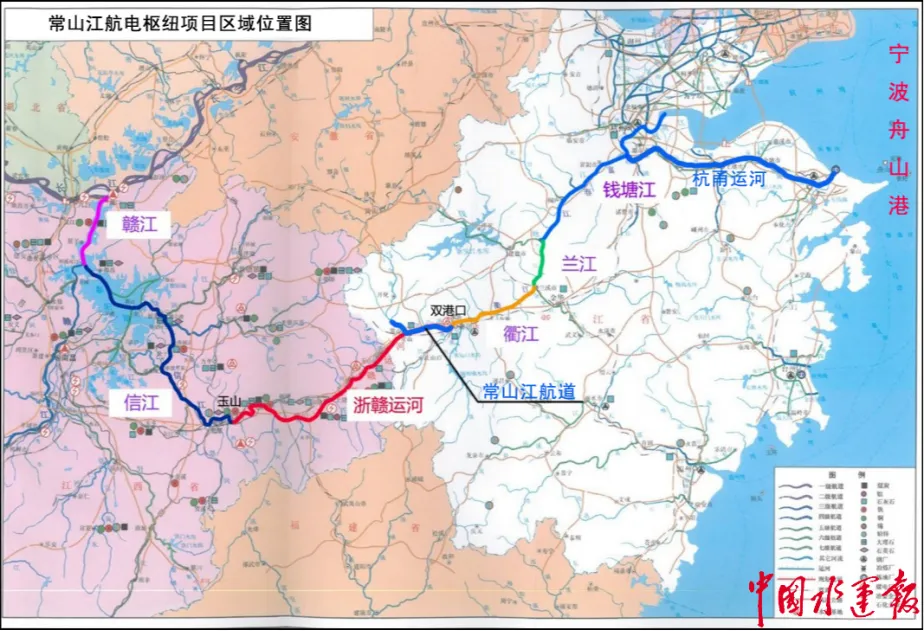
Core Viewpoint - Zhejiang province is focusing on enhancing its inland waterway transportation, particularly through the development of the Zhegan Canal, which is seen as a significant infrastructure project to connect various regions and improve logistics efficiency [1][3][4]. Group 1: Implementation of Waterway Development - The "Implementation Opinions" document is the first comprehensive plan for building "Shipping Zhejiang," outlining strategies for enhancing inland waterway transportation [1][3]. - The Zhegan Canal is a key project in the national high-grade waterway network, connecting the Qiantang River and Gan River, and is considered a "century project" due to its extensive length and investment [3][4]. Group 2: Economic and Environmental Benefits - Inland waterway transportation costs are significantly lower, with costs being only 1/5 of road transport and 1/3 of rail transport, which can greatly benefit exports from regions like Yiwu and Shaoxing [2]. - Waterway transport has a much lower carbon footprint, with emissions being only 1/10 of those from road transport, contributing to carbon reduction efforts [2]. Group 3: Regional Development and Connectivity - The Zhegan Canal will resolve the current disconnection in Zhejiang's inland waterway network, allowing for direct water transport of goods like rare earths and automotive parts to Ningbo Zhoushan Port [4][5]. - The project is expected to enhance economic development and industrial upgrading in the western regions of Zhejiang, particularly in cities like Quzhou [7]. Group 4: Infrastructure and Technological Advancements - Zhejiang is investing in upgrading its waterway infrastructure, including the construction of new channels and the implementation of smart technologies for better navigation and logistics management [8][10]. - The province aims to create a comprehensive digital framework for its waterways, enhancing operational efficiency and service levels [10][12]. Group 5: Broader Implications for Industry and Tourism - The development of inland water transport is anticipated to stimulate various sectors, including logistics, manufacturing, and tourism, by creating a more integrated transport network [16][17]. - Initiatives like the "Pan Boating in Zhejiang" program aim to promote cultural tourism through waterway connections, enhancing the region's appeal [17][18].