
器官芯片

Search documents
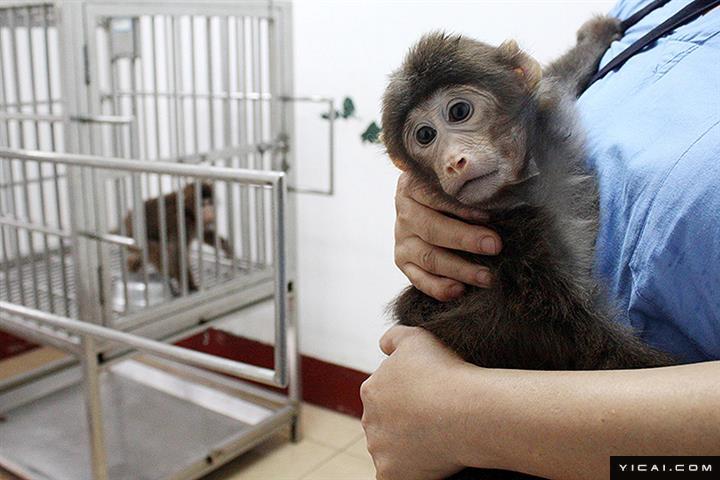
猴子终于不必再为人类试毒? | 海斌访谈
Di Yi Cai Jing· 2025-07-26 11:21
Core Viewpoint - The FDA has initiated a significant project aimed at validating non-animal methods for predicting drug-induced liver injury, with completion expected in Q1 2026 [1][3]. Group 1: FDA's Initiative - The FDA is collaborating with multiple organizations, including YaoSu Technology, to implement a cross-platform drug validation project using organ-on-a-chip technology [3][4]. - The project aims to enhance the accuracy and efficiency of toxicity assessments, reducing reliance on animal testing [4][6]. - The FDA's recent policy updates encourage the use of organ chips and AI modeling in early drug development stages, signaling a shift in research funding priorities [3][10]. Group 2: Cost and Time Efficiency - Utilizing organ-on-a-chip technology can significantly reduce the time required for toxicity testing, with some tests potentially completed in two weeks compared to several months for traditional animal testing [5][6]. - The cost of animal testing is substantial, with a mouse costing around 100 yuan and a monkey potentially costing up to 100,000 yuan, making non-animal methods financially attractive [4][6]. Group 3: Accuracy of Testing Methods - Current animal models have a liver injury prediction accuracy of only 50% to 65%, which is marginally better than random chance [6][9]. - Organ-on-a-chip technology could improve prediction accuracy to between 80% and 90%, leading to significant cost savings in drug development [6][9]. Group 4: Challenges and Future Directions - There are still significant technical and regulatory hurdles to fully replace animal testing, with a complete transition unlikely within the next decade [8][10]. - The FDA's goal is not to eliminate animal testing entirely but to shift the focus towards in vitro models, using animals only when necessary [9][11]. - The development of multi-organ chips that can simulate human physiology remains a long-term objective, requiring further research and standardization [9][10].

资深临床前CRO行业专家交流
2025-07-16 15:25
Summary of Preclinical CRO Industry Conference Call Industry Overview - The preclinical CRO industry is experiencing a decline in demand and increased competition since the second half of 2023, leading to a price war. The overall industry is expected to remain sluggish in 2024, with only slight growth anticipated in 2025, recovering slowly [1][2] - Large pharmaceutical companies now account for 70% of orders, while biotechnology companies have seen their share drop to 30% [5] Key Trends and Insights - There has been a slight increase in domestic project demand, but foreign orders remain scarce. Expanding into international markets, particularly in monkey resources, could enhance profit margins [1][6] - The fastest-growing drug types are concentrated in ADC, bispecific antibodies, and small nucleic acids, while orders for cell and gene therapies have decreased significantly [7][8] - The average cost of monkeys in China is currently around 80,000 yuan, expected to rise to approximately 100,000 yuan in the second half of the year due to reduced supply. However, this price increase is seen as temporary, with potential declines anticipated by 2026 as import channels open [11][12] Pricing and Competition - The preclinical CRO industry entered a price war in the second half of 2023, with prices dropping by 20% in the first half of 2023 and reaching a 50% decline by the end of the year. Prices stabilized at around 40-50% of original levels in 2024 [3][28] - Some leading companies, such as WuXi AppTec, have begun raising prices for animal testing to maintain profit margins, indicating a potential recovery trend [9][10] Market Dynamics - The competitive landscape remains intense, with approximately 70 companies holding GLP certification, but only about 20 capable of handling projects. Market orders are primarily concentrated among a few top-tier companies [16] - Companies are optimizing non-core segments and downsizing to improve efficiency, a trend expected to continue into 2026 [17] Regulatory and Cost Factors - Rising tariffs have increased the cost of testing reagents by less than 10%, primarily affecting project scheduling rather than pricing. Companies are seeking domestic alternatives to mitigate cost pressures [18][19] - The improvement in the domestic investment environment is expected to reflect in order volumes by the second or third quarter of the following year [22] Future Outlook - The industry is actively exploring alternatives to animal testing, such as organoids and organ-on-chip technologies, although complete replacement of animal testing is not yet feasible [23][24] - The opening of import channels for monkeys could lead to a decrease in domestic prices, contingent on government policy [13][14] Conclusion - The preclinical CRO industry is navigating a challenging landscape characterized by declining demand, price competition, and evolving regulatory requirements. Companies are adapting by optimizing operations and exploring new technologies to remain competitive in the long term [2][23]
中药监管科学呼唤新工具、新标准、新方法
Ke Ji Ri Bao· 2025-04-27 23:37
Core Viewpoint - The establishment of a regulatory science framework tailored to traditional Chinese medicine (TCM) is essential to address the unique characteristics of TCM and improve drug evaluation standards [1][2][3]. Group 1: Challenges in Current Drug Evaluation - The existing drug evaluation system, largely based on Western methodologies, fails to capture the multi-component and multi-target nature of TCM [1]. - A significant concern is the low efficacy of target-based drug discovery, with only 9.4% of small molecule drugs developed based on target theory [2]. - The complexity of TCM's metabolic processes and mechanisms has led to a lack of industry acceptance for existing regulatory tools and standards [3]. Group 2: Regulatory Science Development - The National Medical Products Administration (NMPA) has initiated research into regulatory science for TCM, emphasizing the need for new tools, standards, and methods [2][3]. - Cross-disciplinary collaboration is essential for developing a comprehensive regulatory framework, integrating expertise from various fields such as informatics and engineering [3]. Group 3: Technological Advancements - The adoption of advanced technologies, including AI and organ-on-a-chip models, is recognized as a means to enhance the regulatory process and reduce drug development costs [4][5]. - The application of cutting-edge technologies in TCM research and development is crucial for modernizing and internationalizing the entire drug development process [5].