
大寒节气

Search documents
今日大寒,要做这些事!
Xin Hua Wang· 2026-01-19 23:21
Group 1 - The concept of "Dahan" (Great Cold) symbolizes the extreme cold and is the last solar term of the year, representing a time for rest and reflection before the new year [5][6] - Traditional customs during Dahan include eating warming foods, such as "xiaohan cake" in the north, which is made from glutinous rice flour and symbolizes good fortune for the coming year [8] - In southern regions, the tradition of consuming chicken soup is prevalent, emphasizing the importance of warmth and nourishment during this cold season [9] Group 2 - Dahan is also a time for family activities, such as cleaning the house, which is believed to bring light and positivity into the home [11] - Outdoor winter activities, like ice skating and ice dragon boat racing, are popular during Dahan, providing enjoyment and a sense of community [15][17] - The beauty of winter, such as frost and snow, is celebrated, with natural phenomena like rime ice being viewed as a sign of a bountiful year ahead [21][24]

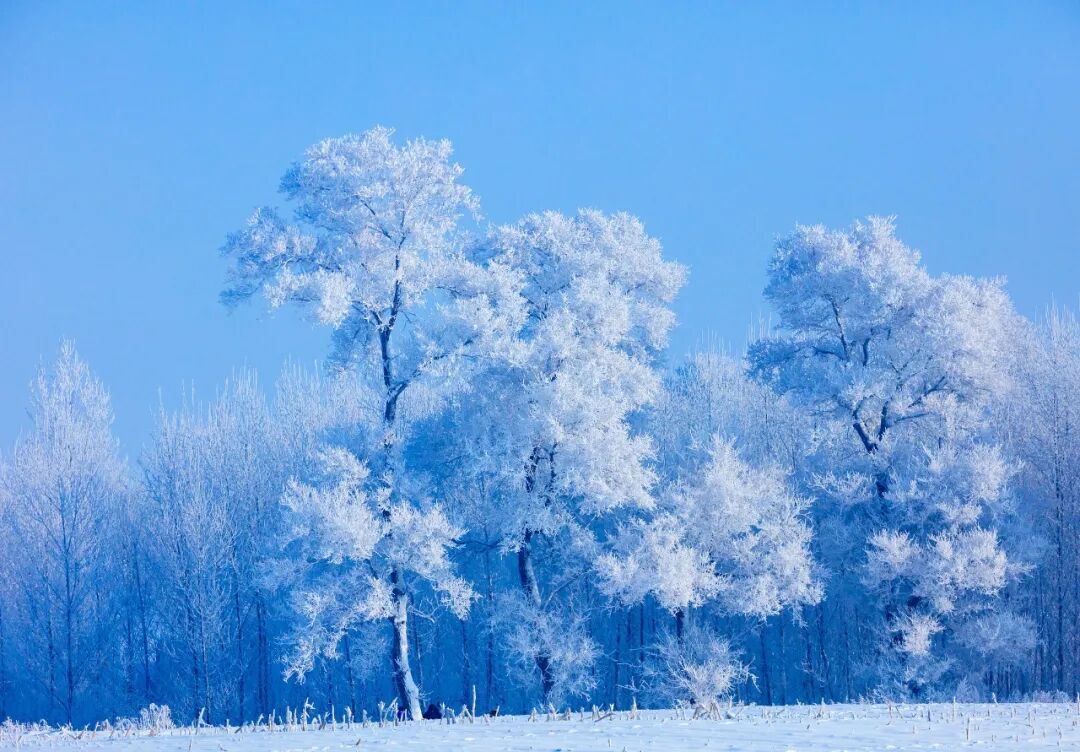
今日大寒,共待春归
Shang Hai Zheng Quan Bao· 2026-01-19 23:10
Group 1: Core Concepts of the "Great Cold" (Dahan) - The term "Great Cold" signifies the peak of coldness in the year, occurring during the coldest period with minimal rainfall [2] - It is a time when nature is dormant, with animals seeking warmth and rivers freezing, reflecting ancient wisdom in weather prediction and agricultural planning [2] Group 2: Customs and Activities during Great Cold - A significant activity during this period is the slaughtering of pigs for the upcoming Spring Festival, symbolizing abundance and preparation for the new year [3] - House cleaning and replacing old decorations are common practices, as families prepare for the New Year by creating a festive atmosphere [5] - Traditional foods such as glutinous rice dishes are consumed, emphasizing warmth and comfort during this cold season [6] Group 3: Natural Phenomena and Observations - The "Three Phenomena of Great Cold" include the ability to incubate chicks, birds being active in hunting, and the thickening of ice in water bodies [10] - Historical practices included ice harvesting for preservation, as well as ice skating competitions during the Qing Dynasty [8] Group 4: Health and Wellness Practices - Recommendations for health during Great Cold focus on clothing to retain warmth, diet to generate heat, and moderate exercise to maintain energy without excessive sweating [12] - Traditional Chinese medicine practices such as Sanjiu plaster and moxibustion are suggested for alleviating cold-related ailments [13]

今日大寒:寒盛冬将尽 万物待春归
Xin Lang Cai Jing· 2026-01-19 22:18
Group 1 - The day of "Dahan" (Great Cold) marks the last solar term of the Snake Year, indicating the approach of the Spring Festival [1] - During this period, cold waves are frequent, leading to extremely cold conditions across most regions of China, with snow cover that is difficult to melt [6] - Traditional customs during Dahan include eating glutinous rice foods such as glutinous rice, rice cakes, and fatty dishes [10] Group 2 - In southern China, people often prepare delicious chicken soup during this season to warm themselves and drive away the cold [15] - Dahan is the final solar term among the 24 solar terms, after which a new cycle of solar terms will begin [16]
舌尖上的大寒
Xin Lang Cai Jing· 2026-01-19 17:08
Group 1 - The article emphasizes the significance of traditional foods during the "Dahan" (Great Cold) season, highlighting how these dishes provide warmth and comfort during the coldest time of the year [1][2][3] - It describes the preparation of lamb soup as a central dish, showcasing the process of selecting fresh ingredients and the comforting experience of consuming the dish with family [1][2] - The article also mentions the importance of radish, particularly in the form of radish balls, which are made to be enjoyed as snacks or in soups, further enhancing the family dining experience [2][3] Group 2 - The tradition of steaming rice cakes during the Dahan season is noted, symbolizing the hope for a prosperous new year, with detailed steps on how the cakes are prepared [3] - The narrative reflects on the emotional connection to these traditional foods, emphasizing that the flavors are intertwined with family bonds and memories, making them irreplaceable [3] - The article concludes by stating that the warmth of these traditional dishes not only helps to endure the winter but also fosters a sense of love and anticipation for the new year [3]
大寒不“大”
Xin Lang Cai Jing· 2026-01-17 01:16
(来源:邯郸晚报) □聂顺荣 自幼便听老人说,大寒是二十四节气里最冷的时节,"大"字便是对这份严寒的直白注解。可年复一年与 它相逢,才渐渐发觉,这被冠以"大"名的节气,藏在凛冽表象下的,更多是温和的肌理与细碎的暖意。 大寒不"大",它没有酷寒的霸道,反倒像岁末的一位老友,带着沉稳的温柔,为一年的光阴画上温润的 句点。 大寒的不"大",更藏在人间烟火的细碎暖意里。比起深冬时闭门取暖的沉寂,此时的街巷反倒多了几分 热闹的温情。家家户户的檐下,开始悬挂起腊肉、腊肠,经过寒风的轻拂,油脂慢慢析出,在阳光下泛 着温润的光,空气中弥漫着咸香与阳光交织的味道,这是年的序曲,也是烟火的温情。厨房里,母亲总 在忙着准备年货,蒸年糕的热气顺着锅盖缝隙溢出,甜香漫满整个屋子。邻里间往来更勤了,你家送一 碗刚煮好的腊八粥,我家递几块酥香的炸糕,话语间的寒暄、眉眼间的笑意,都将寒意驱散得无影无 踪。村口的小集市也渐渐热闹起来,摊贩的吆喝声、孩童的嬉笑声交织在一起,红底金字的春联、鲜活 的家禽、香气扑鼻的点心,处处都是鲜活的气息。这份热闹与温情,冲淡了"大寒"的冷意,让所谓 的"大"寒,变得格外亲切。 最动人的,是大寒里那些不易察觉的生 ...
寒潮来袭,四川冷暖大反转
Xin Lang Cai Jing· 2026-01-16 22:13
Group 1 - The central meteorological station has issued a significant weather alert for a cold wave expected to impact China from January 17 to 21, bringing strong winds and temperature drops, particularly affecting southern regions [1] - The cold wave is anticipated to first affect the Sichuan Basin on the night of January 18, with forecasts indicating light rain and moderate rain in the northeastern part, along with strong northerly winds [1] - From January 19 to 21, a notable drop in temperature and precipitation is expected across the province, with average daily temperatures in most areas decreasing by 6 to 9 degrees Celsius, and some regions potentially experiencing drops of 10 degrees Celsius or more [1] Group 2 - January 17 marks the beginning of the "Four Nines" period, with January 20 being the "Great Cold" solar term, which is typically the coldest time of the year [2] - Historical climate data indicates that the average temperature during the "Three Nines" period in Sichuan is 4.7 degrees Celsius, while the "Four Nines" period averages 5 degrees Celsius, suggesting that this year may differ due to recent warm records [2] - Meteorological experts suggest that the upcoming cold air mass could make the "Four Nines" period the coldest nine days of winter in Sichuan [2]