
萝卜丸子

Search documents
揭秘春节美食:年夜饭里为啥要有鱼?
Xin Lang Cai Jing· 2026-02-17 08:08
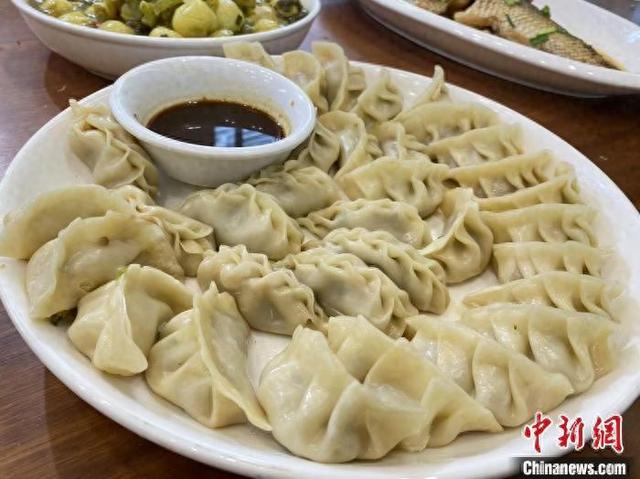
Core Viewpoint - The article highlights the significance of traditional foods during the Chinese New Year, emphasizing how these dishes embody cultural values and familial connections, creating a sense of "year flavor" that resonates with many people [1][9]. Group 1: Traditional Foods - Various traditional foods are integral to the New Year celebrations, with items like peanuts, sunflower seeds, and fish symbolizing abundance and prosperity [1][4]. - Dumplings are considered a central dish during the New Year, often associated with wealth and good fortune due to their shape resembling ancient gold ingots [4][8]. - Other notable dishes include "nian gao" (sticky rice cake) symbolizing progress and "hua mo" (flower buns) which are both culinary delights and artistic expressions [8][9]. Group 2: Family Gatherings - The New Year's Eve dinner, or "Nian Ye Fan," is a crucial event where families gather to share meals and stories, reinforcing familial bonds [6][8]. - The preparation for these meals often begins well before the New Year, indicating the importance of these traditions in family life [2][4]. - The variety of dishes served during the New Year's Eve dinner, such as ten hot dishes and eight cold dishes, reflects cultural beliefs about auspiciousness and completeness [8].

舌尖上的大寒
Xin Lang Cai Jing· 2026-01-19 17:08
Group 1 - The article emphasizes the significance of traditional foods during the "Dahan" (Great Cold) season, highlighting how these dishes provide warmth and comfort during the coldest time of the year [1][2][3] - It describes the preparation of lamb soup as a central dish, showcasing the process of selecting fresh ingredients and the comforting experience of consuming the dish with family [1][2] - The article also mentions the importance of radish, particularly in the form of radish balls, which are made to be enjoyed as snacks or in soups, further enhancing the family dining experience [2][3] Group 2 - The tradition of steaming rice cakes during the Dahan season is noted, symbolizing the hope for a prosperous new year, with detailed steps on how the cakes are prepared [3] - The narrative reflects on the emotional connection to these traditional foods, emphasizing that the flavors are intertwined with family bonds and memories, making them irreplaceable [3] - The article concludes by stating that the warmth of these traditional dishes not only helps to endure the winter but also fosters a sense of love and anticipation for the new year [3]