
大寒养生

Search documents
大寒养生 重在“御寒藏精”
Xin Lang Cai Jing· 2026-01-22 04:44
Group 1 - The core concept of "Dahan" is that it represents the coldest period of the year, emphasizing the importance of nurturing Yang energy and protecting against cold while adapting to seasonal changes [1] - Traditional Chinese medicine suggests that during "Dahan," the body's Yang energy is stored, and blood circulation slows down, making individuals more susceptible to diseases related to the cardiovascular, respiratory, and joint systems if the physiological state is disrupted [1] - Dietary recommendations during "Dahan" include consuming warming foods such as glutinous rice, red dates, and longan to nourish the spleen and kidney Yang energy, while avoiding cold foods to prevent damage to the spleen Yang [1] Group 2 - "Dahan" is also a critical point for cultivating Zhengqi (vital energy) through traditional Chinese guiding methods, which involve physical movements to enhance blood circulation and strengthen the body's defenses against cold [2]
“冬藏”转“春生” 内外兼修护健康
Xin Lang Cai Jing· 2026-01-20 21:54
Core Viewpoint - The article emphasizes the importance of adjusting health and wellness strategies during the "Great Cold" solar term, transitioning from "winter storage" to preparing for the upcoming spring by nurturing the body and promoting the flow of energy [1] Dietary Adjustments - During the Great Cold, the diet should shift from "intense nourishment" to "gentle nourishment," focusing on nourishing essence and blood, warming the body, and supporting the spleen and stomach [2] - It is recommended to reduce the intake of very warming foods like lamb and deer meat, opting instead for milder ingredients such as chicken, beef, and perch, along with foods like yam, lily bulb, and tremella to prevent dryness and constipation [2] - Incorporating foods that promote the rise of yang energy, such as bean sprouts, chives, and ginger, is encouraged to gently stimulate the body's vitality without being overly stimulating [2] Lifestyle and Care - Emphasis is placed on "wind protection" during the Great Cold, alongside continued cold prevention, with a focus on keeping the head, neck, waist, and feet warm [3] - It is advised to maintain indoor humidity to avoid respiratory discomfort, and to adjust sleep patterns to align with the natural rise of yang energy, allowing for slightly later wake-up times [3] Exercise and Movement - The article suggests gradually incorporating more "stretching and gentle movements" into exercise routines to promote energy flow and guide the emergence of yang energy [4] - Engaging in outdoor activities during sunny periods is recommended to absorb natural warmth and dispel internal cold, with exercise intensity kept moderate to avoid excessive sweating [4] Herbal Teas - Longan and red date tea is recommended for its ability to warm the heart and spleen, nourish blood, and calm the mind, particularly beneficial for those feeling fatigued or having sleep issues [5] - Rose and dried tangerine peel tea is suggested for its gentle ability to relieve stress and promote energy flow without harming yang energy [6]
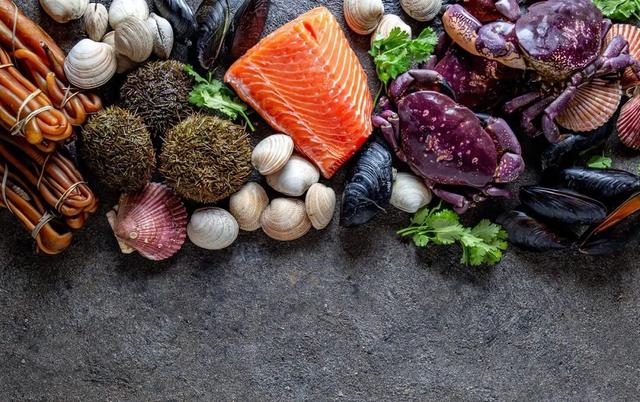
大寒后,中医建议少吃海鲜
Xin Lang Cai Jing· 2026-01-20 18:53
Core Viewpoint - The article emphasizes the importance of dietary adjustments and warmth during the "Great Cold" (Dahan) period, which is characterized by the peak of Yin energy and the lowest Yang energy in traditional Chinese medicine. It highlights the need to avoid certain foods that may lead to health issues such as stomach pain and "internal heat" symptoms. Dietary Recommendations - It is advised to reduce the intake of seafood and cold drinks during the Great Cold period due to the cold weather, which can harm the spleen and stomach [2] - The article suggests that animal-based foods are more beneficial than plant-based foods for nourishing the spleen and stomach during this time, with specific dish recommendations such as steamed pork with sweet potato flour and lotus root stew with ribs [2] - The consumption of warming foods like lamb, beef, chicken, red dates, longan, and ginger is encouraged to enhance Yang energy and strengthen the body against cold [5] Health Risks - Four types of "fire" conditions are highlighted as potential health risks during winter: heart fire, liver fire, lung fire, and stomach fire, each with specific symptoms and dietary recommendations to mitigate them [3][4] - Heart fire symptoms include irritability and mouth sores, while liver fire can lead to headaches and irritability. Lung fire may cause cough and dry throat, and stomach fire can result in digestive discomfort [3][4] Additional Health Tips - It is recommended to maintain hydration, especially in dry indoor environments, and to consume foods that nourish Yin and moisten dryness, such as tremella, lily, pear, and honey [6] - Emphasis is placed on the importance of keeping the head and feet warm to prevent cold from entering the body, with suggestions for wearing hats and soaking feet to promote circulation [6]
大寒后,为什么中医建议你少吃海鲜?
Xin Lang Cai Jing· 2026-01-20 09:42
Core Viewpoint - The article emphasizes the importance of dietary adjustments and warmth during the "Great Cold" (Dahan) season, highlighting potential health issues and recommended foods for maintaining well-being during this time [4][10]. Dietary Recommendations - It is advised to reduce the intake of seafood and cold drinks during the Great Cold season to prevent gastrointestinal discomfort [4]. - The article suggests consuming warming foods such as lamb, beef, chicken, red dates, longan, and ginger to enhance the body's yang energy and resist cold [10]. - A balanced diet incorporating both animal and plant-based foods is recommended, with specific dishes like steamed pork with sweet potato flour and lotus root stew with ribs [4]. Health Risks - The article identifies four types of "fire" that may arise during the winter season: heart fire, liver fire, lung fire, and stomach fire, each with specific symptoms and dietary recommendations to mitigate them [5][6][7][8][9]. - Heart fire symptoms include irritability and mouth sores, while liver fire can lead to headaches and anger. Lung fire may cause cough and throat discomfort, and stomach fire can result in digestive issues [5][6][7][8][9]. Lifestyle Adjustments - The article stresses the importance of maintaining a good mental state and avoiding emotional fluctuations to prevent health issues related to "fire" [6][7]. - It is recommended to stay warm, especially protecting the head and feet, to promote overall circulation and prevent cold-related ailments [11].

大寒养生四要点:护阳气、调饮食、适运动、防疾病
Xin Lang Cai Jing· 2026-01-20 06:33
Group 1 - The article emphasizes the importance of scientific health maintenance during the "Great Cold" period, which is the coldest time of the year, focusing on enhancing physical fitness and preventing diseases [1][2] - Recommendations for daily routines include going to bed around 10 PM and waking up after sunrise to maintain the balance of yin and yang in the body [1] - Dietary suggestions include consuming warming foods such as lamb, beef, longan, and red dates to improve cold resistance, while also incorporating foods that nourish and moisturize, like pears and lily bulbs [1] Group 2 - Exercise should be performed during sunny and warmer times of the day, specifically between 9-11 AM or 3-5 PM, with gentle activities like Tai Chi and walking recommended [1] - The article highlights the increased risk of respiratory diseases during the Great Cold season, advising individuals to keep warm and ensure good air circulation [2] - It stresses the need for patients with cardiovascular and joint diseases to monitor their conditions closely and maintain warmth in their joints while engaging in moderate activity [2]
大寒养生观:生机潜伏万物萌生,着眼于“藏”勿扰阳气
Xin Lang Cai Jing· 2026-01-19 23:21
Group 1 - The core idea of the article emphasizes the importance of health preservation during the "Great Cold" period, which marks the transition from winter to spring, suggesting a focus on "concealment" and not disturbing the Yang energy [5][10][36] - The article highlights the significance of warmth, particularly for the head, neck, and feet, as essential areas to maintain body heat during this cold season [11][18][20] - Sun exposure is noted to promote blood circulation and metabolism, enhancing the body's absorption of calcium and phosphorus, which helps prevent diseases like osteoporosis [9][18] Group 2 - Dietary recommendations during the Great Cold include consuming warming foods rich in protein, vitamins, amino acids, and collagen, such as beef and lamb, to boost body heat and immunity [20] - It is advised to include foods that nourish Yin and support Yang, like sea cucumbers and goji berries, while avoiding excessive intake to prevent discomfort or other health issues [20] - The article also discusses specific acupressure points, such as the knee and armpit areas, to alleviate cold-related symptoms and improve overall well-being [24][29]
今日大寒,共待春归
Shang Hai Zheng Quan Bao· 2026-01-19 23:10
Group 1: Core Concepts of the "Great Cold" (Dahan) - The term "Great Cold" signifies the peak of coldness in the year, occurring during the coldest period with minimal rainfall [2] - It is a time when nature is dormant, with animals seeking warmth and rivers freezing, reflecting ancient wisdom in weather prediction and agricultural planning [2] Group 2: Customs and Activities during Great Cold - A significant activity during this period is the slaughtering of pigs for the upcoming Spring Festival, symbolizing abundance and preparation for the new year [3] - House cleaning and replacing old decorations are common practices, as families prepare for the New Year by creating a festive atmosphere [5] - Traditional foods such as glutinous rice dishes are consumed, emphasizing warmth and comfort during this cold season [6] Group 3: Natural Phenomena and Observations - The "Three Phenomena of Great Cold" include the ability to incubate chicks, birds being active in hunting, and the thickening of ice in water bodies [10] - Historical practices included ice harvesting for preservation, as well as ice skating competitions during the Qing Dynasty [8] Group 4: Health and Wellness Practices - Recommendations for health during Great Cold focus on clothing to retain warmth, diet to generate heat, and moderate exercise to maintain energy without excessive sweating [12] - Traditional Chinese medicine practices such as Sanjiu plaster and moxibustion are suggested for alleviating cold-related ailments [13]

大寒节气 一粥一菜加一茶
Xin Lang Cai Jing· 2026-01-19 17:08
Core Insights - The article emphasizes the significance of the "Great Cold" season, highlighting its characteristics and the need for specific health practices to prepare for the transition to spring [1] Group 1: Dietary Recommendations - A recommended porridge recipe includes longan, lily, red dates, glutinous rice, and regular rice, which collectively nourish the heart and spleen, enhance blood, and provide warmth to the body during the cold season [3] - The recipe for pork rib and radish soup combines pork ribs and white radish, offering a balanced nutrition that aids digestion and alleviates symptoms like bloating and cough, making it suitable for winter health [4][5] - A tea recipe featuring cinnamon, longan, and rose petals is suggested for its warming properties and benefits to the liver and spleen, particularly for those with cold and weak digestive systems [6] Group 2: Health Principles - The article outlines health principles for the "Great Cold" season, advocating for a diet that emphasizes warmth and moisture while reducing salty and increasing bitter flavors to support heart and kidney health [7] - It suggests consuming meats like lamb, chicken, beef, and fish, preferably cooked through stewing to retain heat, along with a variety of vegetables to prevent dryness and provide essential vitamins [7]
大寒至,寒气盛 养生重在“藏”与“润”
Xin Lang Cai Jing· 2026-01-19 17:08
Group 1 - The core idea of the article emphasizes the importance of health preservation during the "Great Cold" period, which is characterized by a significant drop in temperature and increased rain and snow, marking the coldest time of the year [1] - Dr. Hou Qian from Southeast University Affiliated Zhongda Hospital suggests three main principles for health maintenance during this season: "defend against wind and cold, appropriate supplementation, and internal moisture to combat dryness" [1] - The article highlights the need for proper clothing to protect vulnerable areas of the body, such as the head, neck, waist, and lower limbs, to prevent cold-related health issues [1] Group 2 - Different dietary recommendations are provided based on individual body types; those with Yang deficiency should consume warming foods like beef, lamb, and ginger, while those with Yin deficiency should focus on nourishing foods like duck, fish, and pears [2] - A specific seasonal dish, the yam, goji berry, and yellow essence pork rib soup, is recommended for its nutritional benefits and ability to combat winter dryness and enhance cold resistance [3] - The article concludes that health preservation during this time should focus on "hiding" energy and "nourishing" internal vitality, which not only helps withstand winter but also prepares for a healthy upcoming year [3]