
廉洁文化建设

Search documents
学讲话 悟思想⑰坚定捍卫党的先进性纯洁性
Zhong Yang Ji Wei Guo Jia Jian Wei Wang Zhan· 2026-02-06 01:06
Group 1 - The core task of a Marxist political party is to maintain and develop its advanced nature and purity, as emphasized by Xi Jinping at the Fifth Plenary Session of the 20th Central Commission for Discipline Inspection [1] - The advanced nature of the party reflects its ability to align with the development trends of the times and the aspirations of the people, while purity refers to the consistency of the party's organization and members with its nature and purpose [1] - The history of the party demonstrates its continuous efforts to uphold its advanced nature and purity through self-revolution and combating corruption [1] Group 2 - Political awareness is crucial for the party, as issues like ideological disarray and corruption are linked to a lack of political consciousness among some members [2] - The work of discipline inspection and supervision is fundamentally political, requiring a focus on political aspects to maintain the party's advanced purity [2] - There is a need to strengthen the ideological foundation of party members through the study of Xi Jinping's thoughts, enhancing their commitment to the party's principles [2] Group 3 - The core of style construction is to maintain a close relationship between the party and the people, while discipline construction aims to uphold the party's unity and purity [3] - Continuous efforts are required to address issues like hedonism and formalism, ensuring that party members adhere to regulations and improve their performance [3] - Establishing a long-term mechanism for style construction is essential for promoting positive conduct among party members [3] Group 4 - Corruption poses the greatest risk to the party's governance and contradicts the interests of the state and the people [4] - The discipline inspection and supervision agencies must maintain a strong stance against corruption, focusing on key areas such as finance, state-owned enterprises, and education [4] - There is an emphasis on improving the internal regulatory framework to ensure that rules effectively prevent corruption and promote integrity within the party [4]
坚持优良党风引领 涵养新时代社风民风
Xin Lang Cai Jing· 2026-02-01 22:24
Group 1 - The core viewpoint emphasizes that a good party style not only constrains and motivates party members but also subtly influences and shapes societal values and behavioral norms [1] - The implementation of the Central Eight Regulations is highlighted as a significant initiative by the party to establish credibility in the new era, requiring persistent efforts over decades to transform customs and norms [1] Group 2 - Strengthening theoretical education is essential to solidify a common ideological foundation among the party and the public, with a focus on disseminating Xi Jinping's Thought on Socialism with Chinese Characteristics for a New Era [2] - The goal is to eliminate negative practices such as formalism and bureaucratism by integrating theoretical learning into practical outcomes and promoting the party's innovative theories through various media [2] Group 3 - The "leading goose effect" is crucial, where the behavior of party leaders directly impacts public recognition of the party, necessitating leaders to exemplify good practices and adhere to regulations [3] - Emphasizing a people-centered development approach, the party aims to promote a culture of integrity and public service among its members [3] Group 4 - Establishing a robust institutional framework is necessary for long-term governance of party conduct, with clear regulations and strict enforcement to maintain discipline [4] - The importance of integrating cultural elements into the party's integrity framework is stressed, promoting a culture of self-discipline and accountability among party members [4] Group 5 - Cultural influence is recognized as a long-term strategy for shaping societal norms, with initiatives to promote integrity and good conduct through various cultural mediums [5] - The integration of good practices into grassroots governance and community activities is essential for fostering a positive social atmosphere [5] Group 6 - The significance of leading party conduct in shaping societal values is underscored, especially in the context of complex internal and external challenges [6] - A comprehensive approach involving ideological guidance, behavioral modeling, institutional support, and cultural promotion is advocated for effective governance [6]
加强新时代廉洁文化建设丨推动传统廉洁文化焕发时代价值
Zhong Yang Ji Wei Guo Jia Jian Wei Wang Zhan· 2026-01-30 00:45
系统挖掘 精准提炼 活化运用 简牍是甘肃独具特色的历史文化资源。"简牍文献作为秦汉时期政治、经济、文化等领域的第一手资 料,其中闪烁着廉洁文化的璀璨光芒。我们挖掘简牍中的廉洁元素,与甘肃简牍博物馆合作,在省纪委 监委微信公众号推出专栏,通过讲述简牍背后的故事,传播廉洁文化理念。"该省纪委监委有关负责同 志介绍。 同时,依托当地丰厚的文物资源优势,甘肃省纪委监委联合省博物馆等相关单位,在甘肃纪检监察网等 线上平台精心策划推出"文物话廉"专栏。通过从馆藏文物中挑选出精品,深入挖掘并解读其中蕴含的廉 洁元素、廉洁思想以及廉洁故事,推动中华优秀传统文化创造性转化、创新性发展。 庐山是中国山水文化的发祥地之一。江西省庐山市纪委监委深耕这份厚重的历史文化积淀,将"茂叔咏 莲""朱熹赈灾"等蕴含廉洁内涵的本土故事融入廉洁文化建设实践。通过打造渊明广场廉洁文化墙,摄 制《庐韵廉风》《香远益清》《一门官清若冰玉》等系列微电影,让历史文脉中的廉洁基因焕发新生, 引导广大干部群众在多元载体中感受廉洁文化的独特魅力,实现了本土文化与廉洁文化的深度融合。 充分利用教育场所,因地制宜建设廉洁文化阵地 依托丰富的文化资源,云南省纪检监察机 ...
全面提升一体推进“三不腐”的能力和水平
Xin Lang Cai Jing· 2026-01-25 18:14
(来源:沈阳日报) 转自:沈阳日报 保持"不敢腐"的高压震慑,以"零容忍"姿态抬高腐败成本。"不敢腐"是前提,只有让腐败行为付出沉重 代价,才能够从源头遏制贪腐冲动。全会坚持严的基调不动摇,与市委经济工作会议提出的"优化发展 环境、防范重大风险"要求同频共振。强化党委统一领导下反腐败常态化协作配合,持续遏制增量、清 除存量。起底彻查金融领域腐败,系统整治重点领域腐败。紧盯不收敛不收手、肆意妄为的重点对象, 严查"关键少数"、年轻干部腐败,从严纠治一些领导干部"退而不休"、利用"余威"谋取私利行为。深挖 细查新型隐性腐败,统筹推进跨境腐败治理和防逃追逃追赃。唯有始终保持高压态势,坚持有案必查、 有腐必惩,不设禁区、不留死角,才能让企图腐败者在"带电高压线"面前警醒,以"不敢"的强大震慑力 为"不能""不想"筑基。 强化"不能腐"的刚性约束,以"全周期"思维减少腐败机会。"不能腐"是关键,只有"把权力关进制度的 笼子",才能够从根本上铲除腐败滋生的土壤。紧盯定政策、作决策、审批监管等关键权力,促进完善 权力制约机制,推动科学授权。围绕修订后的《中国共产党党内监督条例》,健全权力监督制度,不断 完善对"一把手"和领 ...
涪陵:换一个思路,让廉洁文化“破圈”
Xin Lang Cai Jing· 2026-01-22 05:49
"这些短视频把事情演活了,比看原来的那些宣传片、教育片有意义得多。"区局稽查队长于森感慨 道。"没想到单位上的同事都还多才多艺的,原来觉得这些警示教育跟我没得关系,结果他们自己演绎 之后,我觉得就在身边的,更有意义了。"涪陵区烟草专卖局客户经理曾理赞叹……从办公室到田埂 边、从田埂边到闹市区,区局职工生动的演绎、朴实的言辞、深远的意蕴,引发本单位党员干部群众的 广泛关注和热烈讨论。 中新网重庆新闻1月21日电(陈媛 郑鹏)"我们自己演的,必须爱看!""这种熟人演的才接地气,好有感 觉!"近日,涪陵区烟草专卖局自编自导自演自制的《底线》《涪烟"青廉说"》等系列创意短剧推出, 辛辣讽刺的剧情、贴近生活的演绎引发广大党员干部群众强烈共鸣。这抹接地气的纪法宣传,正是该局 以文化浸润推进廉洁文化建设的生动缩影。 加强新时代廉洁文化建设,是一体推进不敢腐、不能腐、不想腐的基础性工程。涪陵区烟草专卖局坚持 守正创新、系统施治,着力彰显新思想、明确新定位、构建新机制、展现新成果、实现新提升,大力营 造崇德尚廉、风清气正的良好氛围。 "艺术创作源于生活,更要服务于监督,我们选取较为典型的案例来拍摄纪法短视频,就是要不断用身 边 ...


不断增强治理腐败综合效能——论学习贯彻省纪委十三届六次全会精神
Xin Lang Cai Jing· 2026-01-21 23:41
本报评论员 省纪委十三届六次全会明确提出,要织密扎牢制度笼子,更好规范监督权力运行。我们要深刻把握惩腐 治腐防腐内在规律,加强监督制约,织密扎牢制度笼子,不断增强治理腐败综合效能,为"十五五"经济 社会发展营造良好政治生态和发展环境。 管党治党越有效,经济社会发展的保障就越有力。治理腐败如同净化水质,不仅要清除水中的"蓝藻", 更要铲除滋生"蓝藻"的"淤泥"。这要求我们必须坚持系统观念,用好一体推进"三不腐"这个战略抓手, 健全决策科学、执行坚决、监督有力的权力运行机制,以标本兼治、系统施治提升治理腐败综合效能。 唯有既清"显性病灶",又除"隐性病根";既净化政治生态,又涵养发展环境,才能更加有力遏制腐败增 量、更加有力清除腐败存量,为振兴发展扫清障碍。 腐败的本质是权力滥用,管住权力重在全方位织密制度之笼。权力一旦脱离约束,必然滋生腐败风险, 多一分监督就少一分漏洞,多一分制约就少一分隐患。要抓住关键权力、聚焦重点领域不断完善制度规 定,查找和堵塞制度漏洞,全力消除监督空白和盲区。坚持系统思维,推动制度建设前后衔接、左右联 动、上下配套、系统集成。制度的生命力在于执行,权威在于公正执行。要提高制度执行力,坚 ...
纵深推进勤廉家风建设
Zhong Yang Ji Wei Guo Jia Jian Wei Wang Zhan· 2026-01-21 00:23
习近平总书记指出:"领导干部的家风,不仅关系自己的家庭,而且关系党风政风。"家风建设是加强新 时代廉洁文化建设的重要内容,是党员干部的必修课。黑龙江省纪委监委深入学习贯彻习近平总书记关 于注重家庭家教家风建设的重要论述,认真落实中央纪委国家监委关于加强新时代廉洁文化建设部署和 省委工作要求,纵深推进勤廉家庭创建,强化党员干部"八小时以外"监督管理,教育引导广大党员干部 带头加强家风建设,以勤廉家风涵养清风正气。 健全责任体系,凝聚共建合力 黑龙江省委高度重视新时代廉洁文化建设和家庭家教家风建设,明确要求省纪委监委与相关部门密切协 作,将勤廉家庭创建活动作为推动廉洁文化建设、改善社会风气的有力抓手,构建党委统一领导、党政 齐抓共管、部门各负其责、社会广泛参与的家风建设体制机制,为勤廉龙江建设注入源源不断的"家"力 量。 加强统筹谋划。省委出台加强新时代廉洁文化建设工作措施,印发关于加快勤廉龙江建设意见,把勤廉 家庭创建纳入勤廉龙江建设整体布局,作为省管领导班子和领导干部年度考核、市(地)和省直机关目 标考核、巡视巡察重要内容,有效传导责任压力,进一步提升家风建设成效。 推动责任落实。省纪委监委协助省委召开勤廉龙 ...
纪检监察工作高质量发展·践悟丨把权力关进制度笼子
Zhong Yang Ji Wei Guo Jia Jian Wei Wang Zhan· 2026-01-20 00:37
Core Viewpoint - The article emphasizes the importance of strengthening supervision and regulation in key areas such as education, healthcare, social security, and housing to ensure the effective implementation of policies that benefit the public [5][6]. Group 1: Strengthening Supervision and Regulation - Local disciplinary inspection and supervision bodies are focusing on critical areas like education, healthcare, and social security to enhance oversight and ensure policies are effectively implemented [3][5]. - The emphasis is placed on the need for a robust system to manage power, ensuring that authority is exercised within a regulated framework to prevent corruption [6][10]. Group 2: Education and Awareness - There is a strong push for continuous education on laws and regulations among party members and officials, particularly targeting key positions and young leaders [7][8]. - Various educational initiatives are being implemented, including case studies and practical training, to instill a culture of compliance and integrity [8][9]. Group 3: Institutional Mechanisms - The establishment of clear power and responsibility lists is crucial to delineate what is permissible and what is not, particularly in areas like project approval and fund allocation [10][11]. - A focus on creating a transparent and accountable decision-making process is highlighted, with measures to ensure that power is exercised under scrutiny [11][12]. Group 4: Enhancing Execution of Regulations - The article discusses the necessity of ensuring that institutional regulations are strictly enforced, transforming them from mere guidelines into binding rules [15][16]. - There is a call for a collaborative approach to supervision, integrating various oversight bodies to create a comprehensive monitoring system [16][17]. Group 5: Accountability and Consequences - The importance of holding individuals accountable for failures in implementing regulations is stressed, with a dual approach to addressing both direct and supervisory responsibilities [17][18]. - The article advocates for a culture of transparency and accountability, where violations are publicly addressed to deter future misconduct [18].
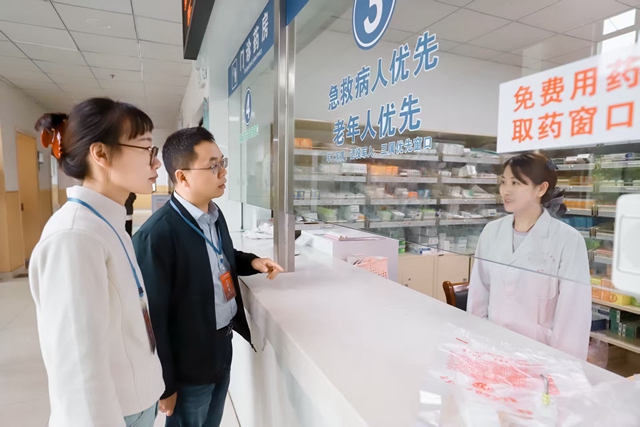
清风浩荡满中原 护航大局促发展——写在十一届省纪委六次全会召开之际
He Nan Ri Bao· 2026-01-18 23:45
Group 1 - The core viewpoint emphasizes the commitment of the provincial disciplinary inspection and supervision agencies to uphold high-quality development and strict governance of the Party, guided by Xi Jinping's thoughts and the "14th Five-Year Plan" [1][6][7] - The agencies are focused on political supervision, ensuring the implementation of major decisions from the central government and provincial leadership, with a clear list of 37 key annual tasks [7][8] Group 2 - The agencies are enhancing their political foundation through deep learning and practical application of Party theories, including Xi Jinping's important thoughts on Party building and self-revolution [2][3] - A rigorous approach to education and self-discipline is being implemented, with the introduction of strict regulations and oversight mechanisms to combat corruption and improve the Party's work style [4][10] Group 3 - The agencies are actively working to strengthen their teams through standardized and legal construction, focusing on training and quality assessment to enhance their operational effectiveness [5][9] - A comprehensive approach to supervision is being adopted, including routine inspections and targeted oversight in key areas such as environmental protection and business operations [8][9] Group 4 - The agencies are committed to addressing corruption through strict enforcement, with significant numbers of cases investigated and personnel disciplined, reflecting a strong stance against corruption [9][10] - Efforts are being made to integrate case handling with reform and governance improvements, ensuring a long-term impact on corruption prevention [11][12] Group 5 - The agencies are prioritizing public trust by addressing local corruption issues and returning misappropriated funds to the community, demonstrating responsiveness to public concerns [14][15] - A systematic approach to governance is being established, focusing on long-term mechanisms to maintain public interest and enhance the quality of life for citizens [15]
中国共产党广西壮族自治区第十二届 纪律检查委员会第六次全体会议公报
Xin Lang Cai Jing· 2026-01-18 00:56
Core Viewpoint - The meeting emphasizes the importance of strengthening party discipline and anti-corruption efforts in Guangxi, aligning with the broader goals of achieving socialist modernization during the "15th Five-Year Plan" period [1][4]. Group 1: Meeting Overview - The 6th Plenary Session of the 12th Discipline Inspection Commission of the Guangxi Zhuang Autonomous Region was held on January 16-17, 2026, in Nanning, attended by 40 members and 346 attendees [1]. - The meeting was presided over by the Standing Committee of the Discipline Inspection Commission, focusing on implementing Xi Jinping's thoughts and the spirit of the 20th National Congress [1][2]. Group 2: Key Themes and Goals - The meeting highlighted the need for higher standards and practical measures to advance strict governance of the party, ensuring a strong foundation for the "15th Five-Year Plan" [2][4]. - It was noted that 2026 marks the beginning of the "15th Five-Year Plan" and the 105th anniversary of the party, necessitating a commitment to Xi Jinping's thoughts and the implementation of the 20th Central Commission's directives [5][6]. Group 3: Strategic Focus Areas - The meeting outlined several strategic areas for 2026, including deepening political supervision, enhancing the implementation of the Central Eight Regulations, and addressing corruption in key sectors such as finance and state-owned enterprises [7][9]. - Emphasis was placed on the importance of a unified approach to governance, ensuring that anti-corruption measures are integrated across various sectors and levels of government [10][11]. Group 4: Implementation and Accountability - The meeting called for a robust accountability system to ensure that party organizations at all levels are responsible for implementing the decisions made [10][13]. - It was stressed that the political ecology must be maintained, with a focus on rectifying issues related to corruption and misconduct within the party [8][12].