
开发式帮扶

Search documents
经济日报金观平:以开发式帮扶增强内生动力
Jing Ji Ri Bao· 2025-12-22 00:07
Core Viewpoint - China's poverty alleviation efforts have successfully lifted all rural poor populations out of poverty, achieving the United Nations' 2030 sustainable development goal ahead of schedule, with an average of over 12 million people lifted out of poverty annually from 2012 to 2020 [1] Group 1 - The transition from poverty alleviation to a new phase of regularized and precise assistance is crucial, with a focus on preventing a return to poverty and integrating effective methods from poverty alleviation into rural revitalization [2][3] - The development of local industries and enhancement of employment opportunities are emphasized as key strategies for sustaining poverty alleviation, with a focus on leveraging local resources and avoiding uniform approaches [3] Group 2 - The experience of combining "intellectual support" and "motivational support" in poverty alleviation has proven effective, enhancing the internal drive of the impoverished population [2] - The establishment of a mechanism to prevent a return to poverty is significant, ensuring that the strategies developed during the poverty alleviation period are adapted for rural revitalization [2]
以开发式帮扶增强内生动力
Jing Ji Ri Bao· 2025-12-21 21:56
Core Insights - China has achieved a remarkable milestone in poverty alleviation, successfully lifting all rural poor out of poverty ahead of the UN's 2030 Sustainable Development Goals, with an average of over 12 million people lifted out of poverty annually from 2012 to 2020 [1] - The average GDP growth rate during the same period was 8.1%, surpassing $10,400 in 2020, demonstrating a simultaneous achievement of rapid economic growth and large-scale poverty reduction [1] Group 1 - The experience of strengthening development-oriented poverty alleviation while balancing "intellectual support" and "aspirational support" has been crucial in enhancing the internal motivation of the impoverished population [2] - Rich natural resources and unique production skills are potential advantages for developing characteristic industries in many poverty-stricken areas, leading to the emergence of pillar industries through targeted support [2] - The transition to a normalized and precise support phase is significant, establishing mechanisms to prevent a return to poverty, integrating effective methods from the poverty alleviation period into rural revitalization efforts [2] Group 2 - Local advantages should be leveraged to cultivate high-quality and efficient rural industries, developing modern agriculture tailored to consumer demand while avoiding hasty and unsustainable practices [3] - Poverty alleviation is not merely a numerical change but represents an elevation in civilizational forms, with China's experience in poverty reduction holding global significance and potential to inspire collective efforts worldwide [3]
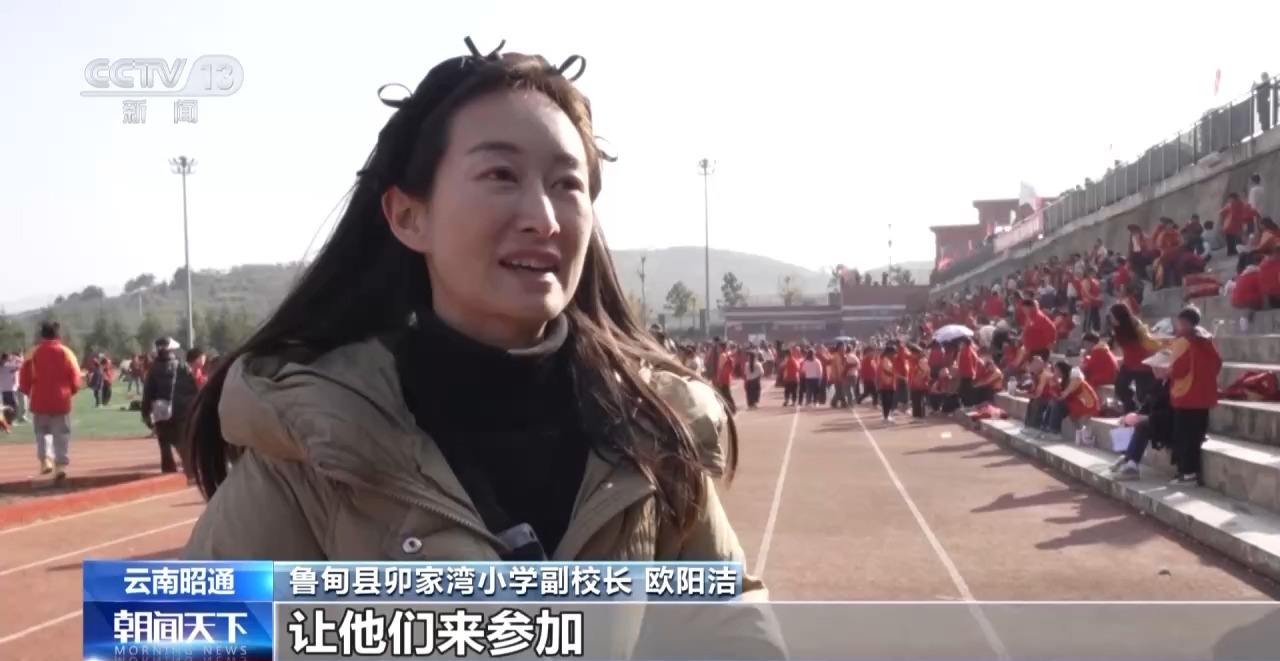
一线见闻丨告别“翻山求学” 下楼就能就医 卯家湾迎来幸福新生活
Yang Shi Xin Wen· 2025-12-03 02:41
Core Viewpoint - The article highlights the significant improvements in the living conditions and educational opportunities for the relocated population in the Aojiawan resettlement area of Yunnan's Ludian County, emphasizing the successful implementation of poverty alleviation and rural revitalization policies during the "14th Five-Year Plan" period. Group 1: Education Improvements - Aojiawan Primary School currently has 2,136 students who relocated from mountainous areas five years ago, showcasing a vibrant school environment with active participation in sports events [3][5] - The school has seen a remarkable increase in student engagement and academic performance, with average test scores rising from the 20s to 70s over five years [13] - A complete educational system has been established in Aojiawan, including a nine-year consistent school with over 3,000 students, equipped with modern facilities [15][19] Group 2: Healthcare Developments - The Yan Chi Street Health Center, established in 2019, has evolved into a four-story facility providing comprehensive medical services, including specialized departments [26][28] - The health center has significantly improved healthcare access, with a high reimbursement rate for medical expenses, ensuring that nearly all costs are covered for impoverished households [32] Group 3: Employment and Economic Growth - During the "14th Five-Year Plan," Aojiawan achieved a labor employment rate of 94.17%, with an annual income growth of 17.44% for impoverished populations [36] - The establishment of three industrial parks has facilitated the employment of over 5,000 local workers, enhancing economic opportunities within the community [34] Group 4: Future Vision and Community Development - The "15th Five-Year Plan" aims to further enhance rural infrastructure and public services, with a focus on creating a livable and workable environment in Aojiawan [37] - Residents express aspirations for improved community services and greater access to urban experiences, reflecting a desire for continued development and integration [40][42]

建立常态化防止返贫致贫机制 帮扶不是“到期就撤”
Jing Ji Ri Bao· 2025-11-18 06:17
Core Viewpoint - Consolidating and expanding the achievements of poverty alleviation is a bottom-line task for promoting comprehensive rural revitalization, requiring continuous vigilance and proactive measures to prevent the risk of returning to poverty [1][2] Group 1: Mechanisms and Strategies - The establishment of a normalized mechanism to prevent the return to poverty is essential, as some farmers will continue to face difficulties due to illness, accidents, or disasters [1][2] - The "14th Five-Year Plan" emphasizes the need for layered and categorized support for low-income rural populations and underdeveloped areas to build a stronger defense against poverty [1][2] - The transition period has shown that effective methods from poverty alleviation can be applied to rural revitalization, and vice versa, ensuring that support does not cease abruptly after the transition [2] Group 2: Implementation of Support - Normalized and precise assistance is crucial, which involves timely identification and intervention to eliminate risks at their inception [2][3] - Differentiated measures should be taken based on the actual difficulties faced by the beneficiaries, with greater support for those in more severe conditions [3] - Development-oriented assistance focuses on empowering those with labor capabilities through industry, employment, health, and education, while comprehensive social security measures are in place for those without such capabilities [3]
中经评论:帮扶不是“到期就撤”
Jing Ji Ri Bao· 2025-11-18 00:02
Core Viewpoint - The establishment of a normalized mechanism to prevent poverty and ensure sustainable development is essential following the end of the transition period after China's historic poverty alleviation success, which saw nearly 100 million rural poor lifted out of poverty by the end of 2020 [1][2]. Group 1: Mechanism for Poverty Prevention - The Central Committee's proposal emphasizes the need for a long-term mechanism to prevent the return to poverty, recognizing that some farmers will still face challenges such as illness and disasters [1]. - The transition period has shown that targeted support for low-income rural populations and underdeveloped areas is necessary to build a stronger defense against poverty [1][2]. Group 2: Integration of Poverty Alleviation and Rural Revitalization - The experience from the transition period indicates that methods used in poverty alleviation should be applied to rural revitalization, and vice versa, to ensure sustainable development [2]. - Continuous support is crucial, and the focus should be on timely identification and intervention to mitigate risks of returning to poverty [2][3]. Group 3: Precision in Support Measures - The approach to support must be pragmatic and differentiated, addressing specific difficulties faced by individuals [3]. - Support should be tiered based on the severity of the challenges faced by beneficiaries, with greater assistance for those in more difficult situations [3]. Group 4: Development-Oriented Support - Development-oriented support is highlighted as a key strategy, focusing on enhancing capabilities in industry, employment, health, and education to empower individuals to improve their own circumstances [3]. - The emphasis is on fostering self-reliance and avoiding dependency on aid, while also ensuring comprehensive social security for those unable to work [3].
帮扶不是“到期就撤”
Jing Ji Ri Bao· 2025-11-17 22:21
Core Viewpoint - Consolidating and expanding the achievements of poverty alleviation is a bottom-line task for promoting comprehensive rural revitalization, requiring continuous vigilance and intervention to prevent the risk of returning to poverty [1][2] Group 1: Mechanisms and Strategies - The establishment of a normalized mechanism to prevent returning to poverty is essential, as some farmers will still face difficulties due to illness, accidents, or disasters [1][2] - The transition period has ended, and the focus will shift to layered and categorized support for low-income rural populations and underdeveloped areas to strengthen the defense against poverty [1][2] - The "15th Five-Year Plan" period marks the first five years after the transition, emphasizing the need for ongoing support rather than a withdrawal of assistance [2] Group 2: Implementation of Support - Normalized and precise assistance is crucial, which involves timely identification and intervention to eliminate risks at their inception [2][3] - The approach to assistance should be differentiated based on the actual difficulties faced by the beneficiaries, with greater support for those in more severe conditions [3] - Development-oriented assistance focuses on empowering those with labor capabilities through industry, employment, health, and education, while ensuring basic living standards for those without such capabilities through comprehensive social security measures [3] Group 3: Focus on Development - Development-oriented assistance is a key feature of China's poverty alleviation strategy and is essential for comprehensive rural revitalization [3] - Emphasis should be placed on fostering self-reliance and expanding income channels for farmers, which supports both poverty prevention and rural revitalization [3] - Local advantages should be leveraged, respecting economic laws and enhancing long-term cultivation to improve quality and competitiveness [3]