
常态化精准帮扶

Search documents
精准识别+动态帮扶+持续跟踪 全链条筑牢防返贫制度防线
Yang Shi Xin Wen· 2026-02-26 06:06
Core Viewpoint - The article highlights the successful completion of China's poverty alleviation efforts, emphasizing the importance of maintaining and expanding these achievements through effective rural revitalization strategies [1]. Group 1: Poverty Alleviation Achievements - In February 2021, President Xi Jinping announced the comprehensive victory in the poverty alleviation campaign, with a focus on preventing large-scale poverty recurrence [1]. - New Tian County, previously a national-level poverty-stricken area, officially lifted its poverty status in February 2020, marking a significant milestone in local development [1]. Group 2: Monitoring and Support Mechanisms - The article describes a dynamic monitoring system established in Da Feng Tou Village to prevent poverty recurrence, which includes real-time tracking of households at risk of falling back into poverty [5][26]. - The monitoring system integrates data from 14 departments, enhancing the comprehensiveness and accuracy of risk alerts [9]. Group 3: Case Studies of Beneficiaries - The story of Guo Zijun illustrates the challenges faced by families post-poverty alleviation, including unexpected medical expenses that triggered alerts in the monitoring system [9][11]. - Guo Zijun's family received timely support through various assistance programs, demonstrating the effectiveness of the monitoring and response mechanisms in place [13][20]. Group 4: Continuous Support and Development - The article emphasizes the need for ongoing support even after the elimination of poverty risks, with a focus on enhancing income-generating capabilities and resilience against future risks [22]. - The establishment of a "green channel" for rapid response to emergencies is highlighted as a crucial component of the poverty prevention strategy [26]. Group 5: Future Directions - The article notes that the transition period for consolidating poverty alleviation achievements has ended, and the "14th Five-Year Plan" calls for the establishment of a regular mechanism to prevent poverty [36]. - Continuous efforts in precise identification, dynamic management, and targeted support for poverty-stricken households are essential to uphold the commitment of not leaving anyone behind on the path to prosperity [36].


焦点访谈丨精准识别+动态帮扶+持续跟踪 全链条筑牢防返贫制度防线
Yang Shi Xin Wen Ke Hu Duan· 2026-02-26 02:35
Core Viewpoint - The article highlights the successful completion of China's poverty alleviation efforts, emphasizing the importance of maintaining and expanding these achievements through effective rural revitalization strategies [2] Group 1: Poverty Alleviation Achievements - In February 2021, President Xi Jinping announced the comprehensive victory in the poverty alleviation campaign, with a focus on preventing large-scale poverty recurrence [2] - New Tian County, once a national-level poverty-stricken area, successfully lifted itself out of poverty in February 2020, marking a significant milestone [2] - The article discusses the ongoing efforts to solidify the gains from poverty alleviation and ensure sustainable development in rural areas [2] Group 2: Monitoring and Support Mechanisms - The article describes a dynamic monitoring system established in Da Feng Tou Village to prevent poverty recurrence, which includes real-time tracking of households at risk [6][22] - The monitoring system integrates data from 14 departments, enhancing the comprehensiveness and accuracy of risk alerts [9] - The article emphasizes the role of village work teams in identifying and assisting families facing sudden hardships, ensuring timely support [22] Group 3: Case Studies of Support - The story of Guo Zijun illustrates the challenges faced by families post-poverty alleviation, including unexpected medical expenses that triggered alerts in the monitoring system [9][11] - Guo Zijun's family received various forms of assistance, including job opportunities and industry support, to help them stabilize their situation [11][18] - The article also highlights the case of Chen Faxian, whose home was deemed a dangerous structure due to severe weather, and the coordinated efforts to secure funding for reconstruction [25][29] Group 4: Future Directions - The article notes that the transition period for poverty alleviation has ended, and the central government's new policies emphasize "regularized precise assistance" to maintain support for vulnerable populations [20] - The ongoing commitment to prevent poverty recurrence is reflected in the establishment of a robust monitoring and support framework, ensuring that no one is left behind in the journey towards a well-off society [30]
人民网评:精准帮扶常态化,把资源用在刀刃上
Ren Min Wang· 2026-02-10 07:10
Group 1 - The core viewpoint of the articles emphasizes the systematic deployment of "regular precise assistance" to promote stable income growth for farmers, marking a shift from temporary measures to a long-term mechanism [1] - The document integrates regular assistance into the rural revitalization strategy, providing guidance to address the persistent income growth challenges faced by farmers [1] - The implementation of regular precise assistance is a proactive measure to tackle new challenges, ensuring that support policies are stable and continuous while directing resources to those in greatest need [1] Group 2 - A combination of policy measures is being implemented to promote stable income growth for farmers, focusing on agricultural fundamentals, industry upgrades, and labor income [2] - The policies aim to protect and incentivize farmers' engagement in agriculture, enhance the profitability of grain production, and support the development of local industries [2] - There is a strong emphasis on the responsibility of government departments to ensure effective policy implementation, alongside collaboration from various sectors to support rural revitalization [2]

中青网评:“农”情厚意,乡村全面振兴的春天答卷
Xin Lang Cai Jing· 2026-02-10 05:40
Core Viewpoint - The 2026 Central No. 1 Document emphasizes the modernization of agriculture and rural areas, introducing new policies and initiatives to boost rural revitalization and enhance agricultural productivity [1][2][3][4] Group 1: Agricultural Modernization - The document prioritizes enhancing agricultural comprehensive production capacity through hard measures and technological advancements, addressing food security for over 1.4 billion people [2][3] - It introduces the integration of artificial intelligence with agriculture, marking the first inclusion of drones and robots in a Central No. 1 Document [3] Group 2: Rural Revitalization - The document outlines a strategy for rural revitalization that includes improving infrastructure while avoiding large-scale demolitions, ensuring both aesthetic and functional development of rural areas [4] - It emphasizes the importance of caring for vulnerable groups in rural communities, such as the elderly and left-behind children, through monitoring and support initiatives [4] Group 3: Long-term Development Policies - The extension of land contracting periods by an additional 30 years is highlighted as a measure to provide farmers with long-term security and stimulate rural development [4] - The concept of "regular precise assistance" is introduced for the first time, indicating a commitment to ongoing support for poverty alleviation efforts [4]
未来十年,中国农村的现代化将如何实现?
Yang Shi Xin Wen Ke Hu Duan· 2026-02-09 03:33
Core Viewpoint - The central theme of the article is the modernization of rural China over the next decade, as outlined in the recent Central Document No. 1, which emphasizes the importance of addressing agricultural and rural issues to achieve overall national modernization by 2035 [5][23]. Group 1: Income and Poverty Alleviation - The document highlights the significant income disparity between rural and urban residents, with rural per capita disposable income at 24,000 yuan, less than half of the urban figure of 51,000 yuan [5][8]. - A key focus is on increasing farmers' income as a priority, with the goal of reaching a per capita disposable income of 24,456 yuan by 2025, reflecting a 6% increase from the previous year [8]. - The transition from targeted poverty alleviation to a normalized support system is emphasized, marking a shift to long-term strategies to prevent poverty [7][23]. Group 2: Education and Youth - The article discusses the decline in rural educational resources, with the number of rural primary school teaching points decreasing from 101,400 to 52,200 between 2018 and 2024, a reduction of 49,200 [10][12]. - The Central Document No. 1 stresses the need to optimize the layout of rural schools and preserve necessary small-scale schools to ensure access to education for rural children [12][10]. - The importance of maintaining educational quality in rural areas is highlighted, with a focus on ensuring that children have access to nearby schools [12][10]. Group 3: Healthcare and Public Services - The article points out the pressing need to improve rural healthcare services, as healthcare is the top concern for farmers [17][19]. - The current workforce in village health clinics has decreased to 1.242 million, a reduction of 85,000 from the previous year, indicating a need for better recruitment and retention of healthcare professionals [19]. - The Central Document No. 1 calls for the continuation of the "College Student Village Doctor Program" to enhance the healthcare workforce in rural areas [19][21]. Group 4: Social Security and Pension - The article mentions that the minimum standard for rural residents' pensions will increase from 123 yuan to 143 yuan per month by 2025, reflecting a gradual improvement in social security [21]. - The document emphasizes the need to strengthen the rural medical insurance system and incentivize continuous participation in insurance programs [21][23]. - The overall goal is to enhance the basic public service levels in rural areas, which is crucial for the modernization process [23].
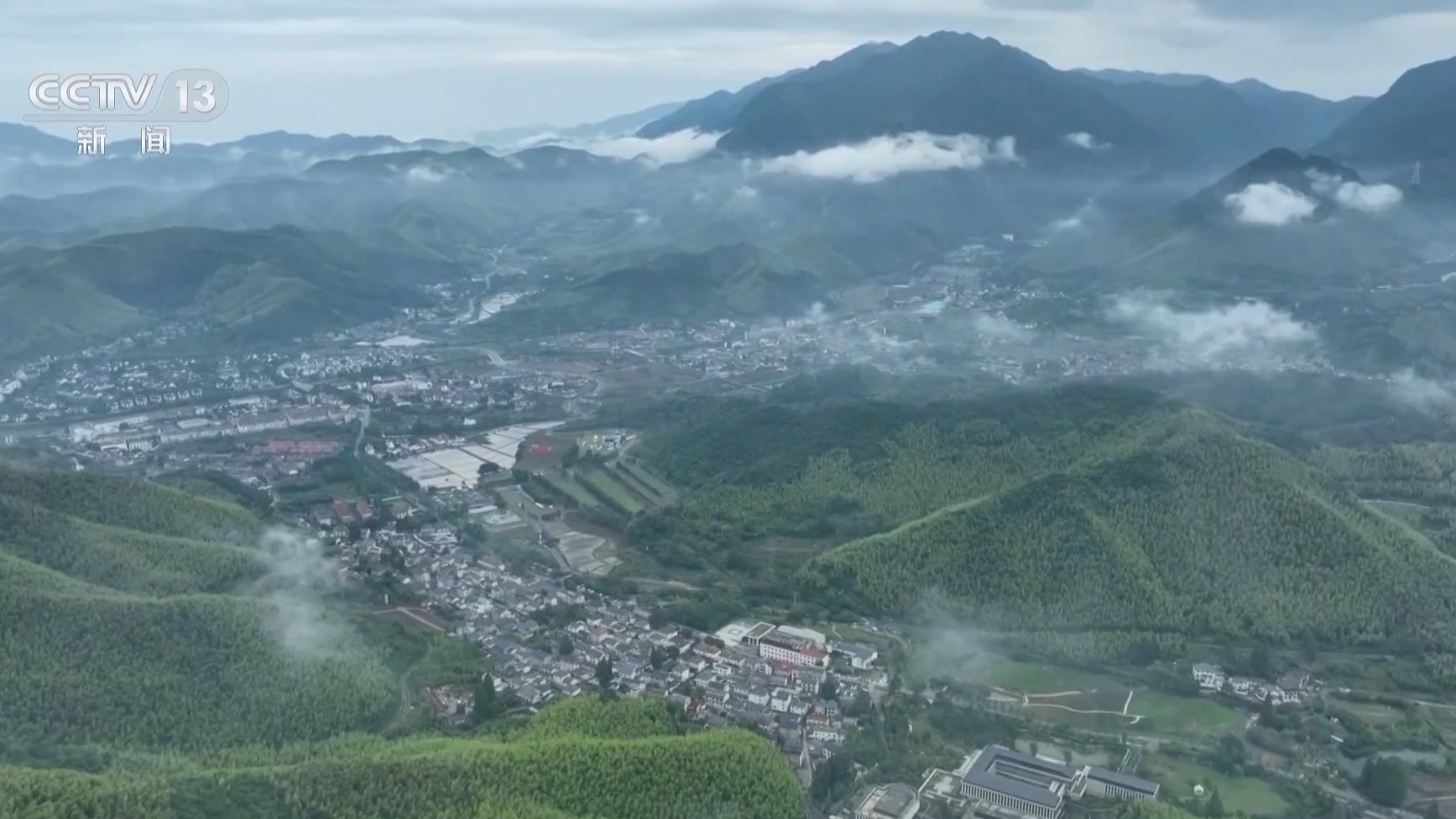
未来十年 中国农村的现代化将如何实现?
Yang Shi Xin Wen· 2026-02-07 19:57
Core Viewpoint - The central document emphasizes the modernization of agriculture and rural areas as a historical goal, with a focus on improving farmers' income and living conditions, and addressing public service gaps in rural areas [1][5][36]. Group 1: Income and Economic Development - The average disposable income for rural residents was 24,000 yuan last year, which is less than half of the urban residents' disposable income of 51,000 yuan [2]. - By 2025, the average disposable income for farmers is projected to reach 24,456 yuan, reflecting a 6% increase from the previous year [7]. - The document outlines a transition to a normalized support phase for poverty alleviation, emphasizing the importance of preventing poverty and integrating it into the rural revitalization strategy [5][13]. Group 2: Education and Public Services - The document highlights the need to optimize the layout of rural schools and kindergartens, ensuring that necessary small-scale schools are retained to prevent risks of school dropout [19][22]. - From 2018 to 2024, the number of rural primary school teaching points decreased from 101,400 to 52,200, indicating a significant reduction in rural educational resources [15]. - The focus is on improving the quality of education in rural areas, with a commitment to retain and effectively manage small-scale schools [20][22]. Group 3: Healthcare and Social Services - The document stresses the importance of enhancing rural healthcare services, particularly in light of the aging rural population, which has reached 23.8% [24][28]. - There is a plan to implement a "College Student Rural Doctor Special Program" to address the shortage of healthcare professionals in rural areas [30][32]. - The minimum standard for rural residents' pension will increase from 123 yuan to 143 yuan per month by 2025, as part of broader efforts to improve social security [35]. Group 4: Overall Modernization Goals - The modernization of agriculture and rural areas is deemed crucial for the overall modernization of the country, with a focus on ensuring food security and social stability [36][38]. - The next decade is seen as critical for implementing policies that will allow over 400 million farmers to experience tangible improvements in their living conditions [38].
连续14年指导“三农” 中央一号文件 释放“十五五”开局之年哪些“新信号”?
Yang Guang Wang· 2026-02-07 07:13
Group 1 - The core viewpoint of the article is the release of the Central Document No. 1 by the Central Committee of the Communist Party of China and the State Council, which outlines key strategies for agricultural modernization and rural revitalization in 2026, marking the 14th consecutive document focused on "agriculture, rural areas, and farmers" since the 18th National Congress [1] Group 2 - The first key point is the implementation of normalized precise assistance, which is a systematic deployment for the first time in the Central Document. It includes four specific directions: improving the policy system for normalized assistance, enhancing the precision and timeliness of monitoring assistance, increasing the effectiveness of industrial and employment support, and providing tiered and categorized assistance to underdeveloped areas. This aims to consolidate and expand the achievements of poverty alleviation and ensure sustainable results through targeted measures [2] - The second key point focuses on the new quality of agricultural productivity, emphasizing the goal of agricultural modernization. The document highlights the integration of technology in rural production, mentioning the inclusion of electric vehicles, smart home appliances, and robots. It stresses the importance of practical applications of artificial intelligence, drones, and the Internet of Things in agriculture, with China being the largest owner of agricultural drones globally, exceeding 300,000 units [4][6] - The third key point addresses the enhancement of rural aesthetics and farmers' income, particularly through the development of rural tourism. The document advocates for the development of "small and beautiful" tourism models that leverage local agricultural culture and customs, allowing farmers to increase their income through unique tourism experiences. This approach aims to preserve the original ecological and traditional aspects of rural areas while providing sustainable income opportunities for farmers [8][9]
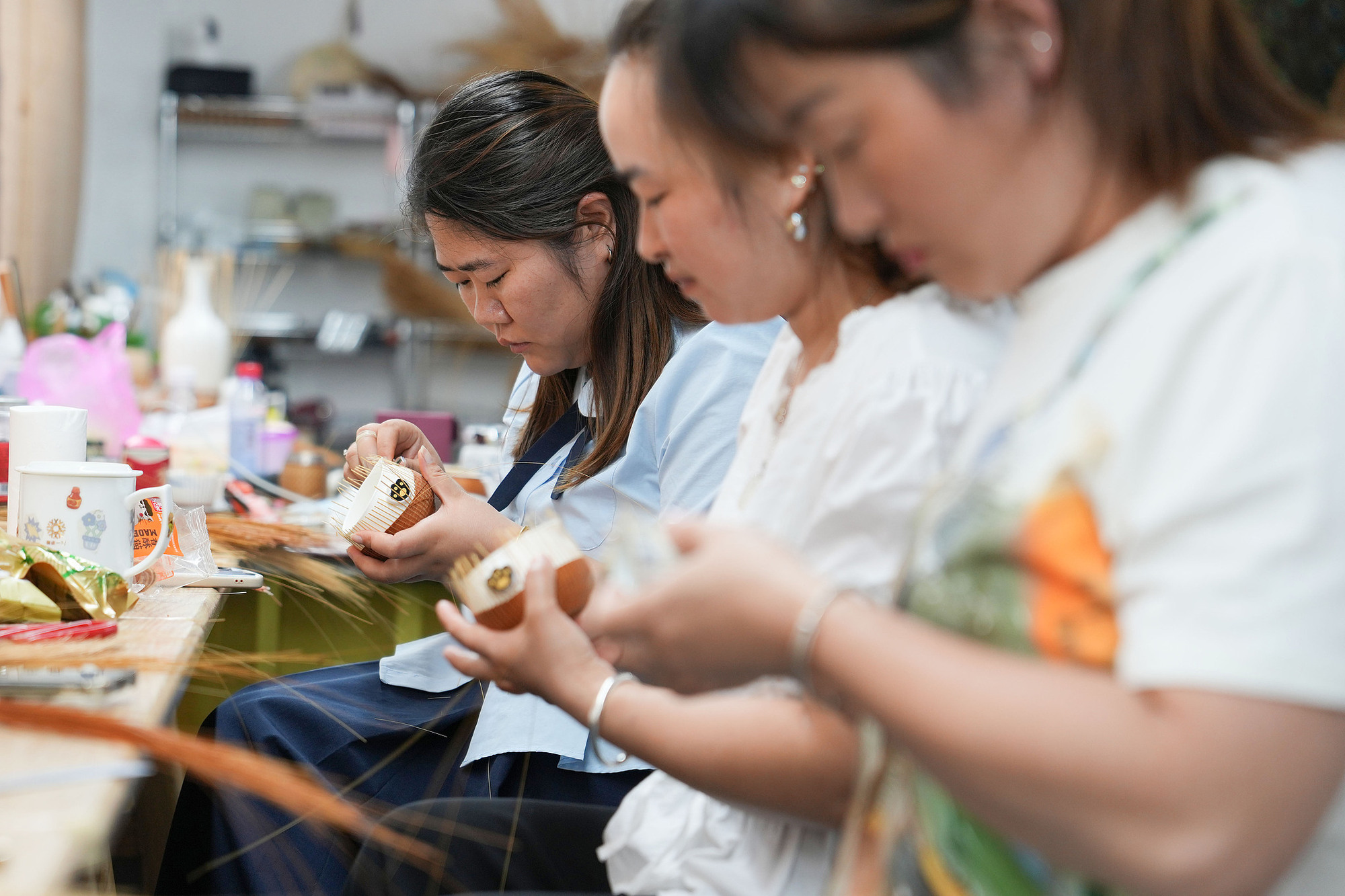
一号文件里的“三农”路线图
Xin Lang Cai Jing· 2026-02-06 08:35
Group 1 - The core document titled "Opinions on Anchoring Agricultural and Rural Modernization and Promoting Comprehensive Rural Revitalization" outlines a clear roadmap for rural revitalization during the 15th Five-Year Plan period, building on the achievements of the 14th Five-Year Plan [2] - The document prioritizes enhancing agricultural production capacity and quality, with a target of stabilizing grain output at around 1.4 trillion jin, indicating a shift in food security focus from merely maintaining production to improving capacity and efficiency [2] - The emphasis on integrating "good land, good seeds, good opportunities, and good methods" aims to leverage technology for increased yield and efficiency while maintaining stable sowing areas [2] Group 2 - A significant policy innovation in this year's document is the introduction of "regularized precise assistance," marking the end of a five-year transitional period and entering a new phase of poverty alleviation efforts [3] - The strategy focuses on embedding regularized assistance within the framework of rural industry, talent, culture, ecology, and organization, shifting the focus towards development-driven assistance that stimulates internal motivation and prevents large-scale poverty [3] - The document highlights the importance of increasing farmers' income, addressing the critical issue of "who grows grain, who benefits," and emphasizes protecting and incentivizing farmers through coordinated policies on pricing, subsidies, and insurance [3] Group 3 - The document sets higher requirements for rural construction, transitioning from merely ensuring availability to pursuing quality in living conditions, with a focus on enhancing convenience, comfort, and satisfaction [4] - It introduces a "regionalization" approach to encourage neighboring villages to plan and develop collaboratively, promoting efficient resource integration and complementary functions [4] - The central theme of the document is to anchor agricultural and rural modernization, ensuring food security and poverty prevention while upgrading development issues related to industrial efficiency, farmer income, and rural construction [4]
锐财经|推动乡村全面振兴取得新进展
Ren Min Ri Bao Hai Wai Ban· 2026-02-06 05:41
Core Viewpoint - The central government has released the 14th guiding document on "agriculture, rural areas, and farmers" since the 18th National Congress, focusing on modernizing agriculture and promoting comprehensive rural revitalization [1] Group 1: Agricultural Production Capacity - By 2025, agricultural production capacity is expected to reach new heights, with grain output stabilizing above 1.4 trillion jin, aiming for 1.43 trillion jin, achieving historical highs in both total output and yield [2] - The document emphasizes maintaining grain security and balancing production capacity, ecology, and income growth to enhance agricultural quality and efficiency [2][3] - It calls for a new round of actions to boost grain production capacity, focusing on land use, high-standard farmland construction, and integrating technology into agricultural practices [3] Group 2: Farmers' Income Stability - Increasing farmers' income remains a central task, with policies aimed at stabilizing agricultural earnings through minimum purchase prices and subsidies for key crops [4] - The document supports the development of local industries to enhance county-level economies and promote employment for migrant workers through skills training and job matching [4][5] Group 3: Ongoing Support for Poverty Alleviation - The document introduces a systematic approach to "regularized precise assistance" to consolidate poverty alleviation achievements, focusing on dynamic management of assistance targets and efficient support methods [6] - It highlights the importance of maintaining stable financial and resource support for poverty alleviation efforts, ensuring no abrupt changes in funding or policy direction [7]
理响中国·聚焦2026“三农”工作丨“常态化精准帮扶” 一图读懂中央一号文件新表述
Xin Lang Cai Jing· 2026-02-06 04:32
Core Viewpoint - The central government has released its first document of the "14th Five-Year Plan" period, emphasizing "normalization of precise assistance" in rural revitalization efforts, marking a significant shift in policy focus [1][11]. Normalization - Establish a robust policy framework for normalized assistance, integrating it into the rural revitalization strategy while ensuring stable financial input, financial support, and resource allocation [4]. - Maintain the scale of central financial assistance and stabilize funding from provincial and municipal levels, allowing counties to allocate funds based on assistance tasks [4]. Precision - Enhance the timeliness and accuracy of monitoring assistance, ensuring that all rural populations at risk are included in the monitoring and assistance framework [6][11]. - Implement dynamic management of assistance recipients, allowing for early detection and intervention for those at risk of poverty [7]. Effectiveness of Assistance - Improve the effectiveness of industrial and employment assistance by optimizing industrial support and strengthening long-term planning and cultivation of competitive industries [8]. - Utilize organized labor output and public welfare positions to enhance employment assistance [8]. Classification of Assistance - Provide concentrated support to underdeveloped areas through financial, land, and talent resources, and promote major infrastructure projects [9]. - Conduct ongoing village assistance and optimize the management of village leaders and work teams [9].
