
急性胰腺炎

Search documents
听劝!千万别再这样吃了,真的会把你的胰腺“搞垮”
Xin Lang Cai Jing· 2025-12-27 15:38
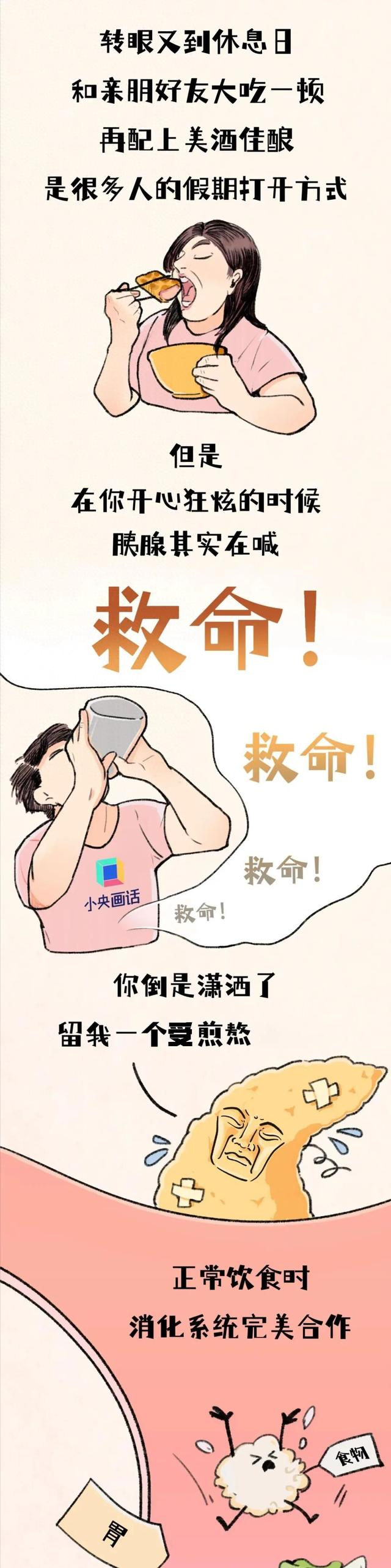
Core Viewpoint - The article discusses the importance of the pancreas in digestion and the risks associated with acute pancreatitis, particularly due to excessive alcohol consumption and overeating. Group 1: Pancreas Function and Risks - The pancreas plays a crucial role in digestion, having both endocrine and exocrine functions, and is vital for nutrient absorption and metabolism [5][11]. - Acute pancreatitis can be triggered by excessive alcohol intake, with studies indicating that up to 30% of cases are alcohol-related, especially among chronic drinkers [30][31]. - Symptoms of acute pancreatitis include sudden severe abdominal pain, nausea, and vomiting, which can escalate to necrotizing pancreatitis if not treated promptly [22][24]. Group 2: Dietary Recommendations - To prevent acute pancreatitis, it is advised to control food intake, avoiding overeating and high-fat, high-calorie foods, which can harm the pancreas [32][37]. - The article emphasizes moderation in alcohol consumption, recommending that adults limit alcohol intake to no more than 150 grams of alcohol per day [46]. - Individuals with a history of gallstones or hyperlipidemia should be particularly cautious about binge eating and drinking, as these conditions significantly increase the risk of acute pancreatitis [53]. Group 3: Long-term Consequences - Severe acute pancreatitis can lead to a mortality rate of approximately 14.3%, and survivors may face long-term medical management and follow-up [59]. - Recurrent acute pancreatitis can progress to chronic pancreatitis, which increases the risk of pancreatic cancer, with incidence rates ranging from 0.68% to 6.55% among chronic pancreatitis patients [61].

中秋佳节到!月饼这样吃,解馋不伤身
Yang Shi Xin Wen· 2025-10-06 01:57
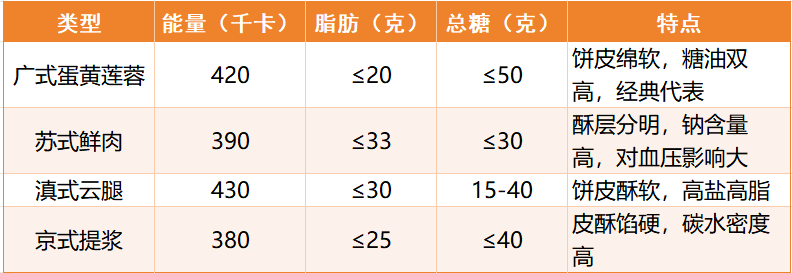
Core Points - The article discusses the health risks associated with traditional Mid-Autumn Festival foods, particularly mooncakes, highlighting their high sugar and fat content, which can lead to various health issues [3][4][9]. Group 1: Mooncake Consumption - Mooncakes are often made with refined carbohydrates and high sugar and fat fillings, making them "energy bombs" that can cause blood sugar fluctuations and lipid overload [3]. - A typical 100g yolk lotus seed mooncake contains 420 kcal, equivalent to four bowls of rice [4]. - Recommendations for healthier mooncake consumption include sharing mooncakes in smaller portions, consuming them earlier in the day, and pairing them with fiber-rich fruits and teas to aid digestion [5][7][8]. Group 2: Health Risks - Individuals with cardiovascular diseases, high cholesterol, liver and gallbladder diseases, diabetes, the elderly, and children should be cautious with mooncake consumption due to their high sugar and fat content [9]. - Recent cases of acute pancreatitis linked to high-fat meals during holidays indicate a rising trend among younger individuals, emphasizing the need for awareness regarding dietary choices [12][14]. Group 3: Emergency Response - Symptoms of acute pancreatitis include severe abdominal pain, nausea, vomiting, and fever, requiring immediate medical attention [15][16][17]. - In case of suspected acute pancreatitis, patients should stop eating and seek professional medical help without self-medicating [18].
夜宵增加急性胰腺炎风险?专家:这四类人群高危→
21世纪经济报道· 2025-07-04 11:04
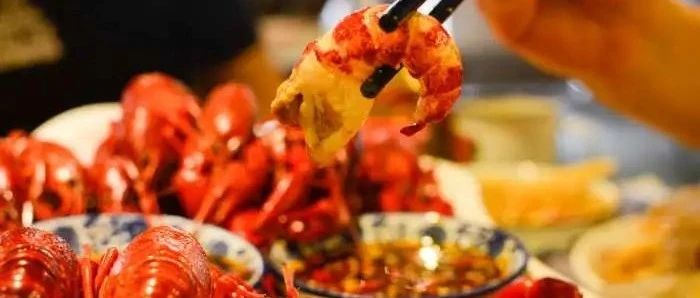
Core Viewpoint - The article discusses the health risks associated with summer eating habits, particularly the increased incidence of acute pancreatitis due to high-fat foods and alcohol consumption during the summer season [2][3]. Group 1: Health Risks in Summer - The summer season, characterized by high temperatures and humidity, leads to a higher prevalence of digestive system diseases, including acute pancreatitis [1]. - Acute pancreatitis is notably more common during holidays and summer gatherings, especially after consuming high-fat foods and alcohol [2]. Group 2: High-Risk Groups for Acute Pancreatitis - Four specific groups are identified as being at higher risk for developing acute pancreatitis: 1. Individuals with gallstones, as they can block the common opening of the bile and pancreatic ducts [3]. 2. Obese individuals or those with high blood lipid levels [3]. 3. People with a history of heavy drinking or binge eating, particularly on an empty stomach [3]. 4. Individuals with a previous history of pancreatitis, as they are more susceptible to recurrence after large meals [3]. Group 3: Public Health Recommendations - The public is advised to moderate their consumption of food and alcohol during summer gatherings, particularly avoiding binge eating and drinking on an empty stomach [3]. - Symptoms such as upper abdominal pain, nausea, vomiting, or back pain after late-night eating should prompt immediate medical consultation to rule out acute pancreatitis [3].
夜宵增加急性胰腺炎风险?国家卫健委答21:四类人群高危
2 1 Shi Ji Jing Ji Bao Dao· 2025-07-04 09:16
Core Viewpoint - The National Health Commission of China highlighted the health risks associated with the summer season, particularly focusing on the increased incidence of acute pancreatitis during the Xiaoshu solar term due to dietary habits and environmental factors [2][3]. Group 1: Health Risks During Xiaoshu - The Xiaoshu solar term brings rising temperatures, increased humidity, and frequent thunderstorms, creating an environment conducive to the proliferation of bacteria and viruses, leading to a higher incidence of digestive system diseases [3]. - Acute pancreatitis is notably more prevalent during summer, especially after gatherings, drinking, and late-night snacks, due to the consumption of high-fat foods and alcohol [3][4]. Group 2: High-Risk Populations - Four specific groups are identified as being at higher risk for acute pancreatitis: individuals with gallstones, those who are obese or have high blood lipid levels, heavy drinkers or those who binge eat, and individuals with a history of pancreatitis [4]. - Public health advice emphasizes moderation in eating and drinking during summer gatherings, particularly avoiding excessive alcohol consumption on an empty stomach, to mitigate the risk of acute pancreatitis [4].