教育高质量发展

Search documents
市委市政府与中原出版传媒集团举行工作会谈
Xin Lang Cai Jing· 2025-12-25 01:02
Group 1 - The core objective is to enhance the cultural and tourism industry in Pingdingshan by leveraging the strengths of the Central Plains Publishing and Media Group, focusing on the "1+2+4+N" target task system [2] - The collaboration aims to promote the integration of cultural and tourism industries, emphasizing the development of cultural products related to the local cultural icons: ceramics, San Su, and storytelling [2][3] - The city government expresses commitment to providing comprehensive support for the strategic partnership, ensuring effective implementation and benefits from the collaboration [2] Group 2 - Central Plains Publishing and Media Group plans to utilize its content, channels, and scene advantages to support the strategic deployment of cultural and educational initiatives in Pingdingshan [3] - The group aims to create immersive experience scenarios and develop a series of cultural products to establish a nationally influential cultural IP [3] - The initiative includes integrating an educational cloud platform into the local education digital system, promoting project-based and inquiry-based learning methods [3] Group 3 - Strategic cooperation framework agreements were signed between the city government, Yexian government, and Central Plains Publishing and Media Group [4] - The collaboration aims to create a city cultural salon that fosters a strong atmosphere of lifelong learning and reading among the public [4]


学习贯彻党的二十届四中全会精神 贵阳贵安宣讲团在市教育系统宣讲
Xin Lang Cai Jing· 2025-12-24 19:52
Core Viewpoint - The report emphasizes the importance of understanding the significance of the 20th Central Committee's Fourth Plenary Session and outlines a clear path for modernizing education to empower the practice of Chinese-style modernization in Guiyang and Guian [1][2]. Group 1: Education Development Planning - The report highlights the need to accurately grasp two key aspects: "consolidating the foundation" and "comprehensive efforts," while defining overall strategies and development goals for the "14th Five-Year Plan" period [2]. - Seven strategic tasks are proposed, including enhancing preschool education supply, improving quality and fairness in compulsory education, expanding resources and quality in general high schools, promoting integration in vocational education, strengthening higher education structure, optimizing teacher quality, and fostering educational reform for increased vitality [2]. Group 2: Implementation and Engagement - The report calls for strengthening organizational leadership within the education system and implementing effective measures to ensure the deep and practical application of the session's spirit [2]. - It emphasizes the importance of using engaging methods to promote the session's spirit in classrooms and among students, ensuring that the learning outcomes translate into concrete actions for high-quality education development [2]. Group 3: Local Educational Leadership - A grassroots party organization leader expresses commitment to implementing the session's spirit by assessing the current educational reform context, focusing on school governance, teacher development, and curriculum optimization to contribute to regional educational quality [3].
发挥比较优势走好教育特色之路
Xin Lang Cai Jing· 2025-12-23 22:11
Core Viewpoint - The development of high-quality education is essential for building a modern socialist country and is a key support for Guizhou's economic and social transformation, emphasizing the need for a unique development path that leverages the province's comparative advantages [1][2]. Group 1: Strategic Guidance - The education system must explore distinctive development paths that align with local conditions, transforming resources and policies into unique educational advantages to support the province's special development [2]. - There is a pressing need for education to shift from extensive expansion to intensive enhancement, focusing resources on areas that can generate competitive advantages [2][3]. Group 2: Unique Comparative Advantages - Guizhou's education benefits from national strategic focus, providing institutional advantages for pilot projects and innovative policies [3]. - As a late-developing region, Guizhou can adopt cutting-edge educational concepts and innovations, particularly in digital transformation, to create a smart education ecosystem [3]. - The province's rich cultural resources can be transformed into distinctive curricula and practices, fostering a unique educational brand [3]. Group 3: Development System Integration - The education planning must prioritize the transformation of comparative advantages, focusing on both enhancing strengths and addressing weaknesses [4]. - Resources should be allocated to areas that can best showcase Guizhou's educational advantages, including teacher training and funding for innovative projects [4][5]. - The integration of education with local industries is crucial, requiring adjustments in vocational and higher education to meet regional needs [5]. Group 4: Governance and Innovation - Reforming evaluation mechanisms to include indicators for distinctive education and digital transformation will encourage schools to identify and cultivate their comparative advantages [5]. - Encouraging local innovation and providing schools with the freedom to experiment with unique educational models will create a diverse repository of comparative advantage cases [5].
成都:奋力谱写教育强市建设新篇章
Si Chuan Ri Bao· 2025-12-11 21:00
Core Viewpoint - Education is a crucial foundation for national rejuvenation and social progress, with Chengdu prioritizing high-quality education development to enhance urban vitality and happiness [1][3]. Group 1: Education Infrastructure and Development - Chengdu has a comprehensive education system with 4,192 schools and 4.1647 million students, supported by over 268,800 teachers [1]. - During the "14th Five-Year Plan" period, Chengdu has built 539 new basic education schools, adding 506,000 new student places to alleviate enrollment pressure [3]. - The city has improved the quality of education, with over 85% coverage of quality preschool education resources and an increase in quality schools at various education levels [3][4]. Group 2: Equity in Education - Chengdu has implemented policies to ensure educational equity, including local enrollment for migrant children, benefiting 2,294 students with zero-threshold admission [4]. - The city has established educational alliances and shared resources to promote balanced development between urban and rural education, impacting 780 primary and secondary schools [4]. Group 3: Higher Education and Talent Development - Chengdu is enhancing higher education quality, supporting the establishment of over 20 master's programs and improving the ranking of several disciplines [5]. - The city has initiated partnerships between universities and industries, appointing university professors as "technology vice presidents" in companies to drive innovation [5][6]. Group 4: Educational Reform and Innovation - Chengdu has introduced significant reforms, such as immediate enrollment for children aged three and a 12-year continuous education model, impacting over 2,060 children [8][9]. - The city has developed a comprehensive evaluation system focusing on key competencies for students, leading to the cancellation of restrictive admission lines in middle school entrance exams [9][10]. Group 5: Teacher Development and Resource Utilization - Chengdu has implemented a dynamic adjustment mechanism for teacher recruitment, attracting over 5,000 graduates from top universities and establishing a teacher-sharing center [10]. - The city has created "urban classrooms" utilizing local cultural and scientific resources for educational purposes, benefiting over 43,000 students [10]. Group 6: Future Outlook - Looking ahead to the "15th Five-Year Plan," Chengdu aims to strengthen the political, social, and strategic aspects of education, focusing on building a high-quality education system [11].
青岛五年新建改扩建幼儿园、中小学校277所,新增学位25万个
Qi Lu Wan Bao· 2025-12-11 10:58
Group 1 - The core objective of Qingdao's education reform is to bring quality educational resources closer to the community, ensuring children can access good education nearby [2] - Over the past five years, Qingdao has built or renovated 277 kindergartens and schools, adding 250,000 new student places, with a 90% coverage rate for group-based schooling [2] - The city has increased public kindergarten places by 45,000, with public and quality kindergartens now making up 66% and 90% respectively [2] Group 2 - Qingdao's education bureau emphasizes a holistic approach to student development, integrating moral, intellectual, physical, aesthetic, and labor education [3] - The city has implemented initiatives to enhance physical education, achieving the highest health assessment rates in the province and reducing the near-sightedness rate by 9.3% over five years [3] - A city-level psychological health service center has been established to support students' mental well-being [3] Group 3 - The education sector in Qingdao is aligned with the city's innovative industrial development needs, focusing on collaborative development between education and technology [4] - Four new vocational colleges have been established, training 150,000 skilled workers, and introducing over 90 new vocational programs [4] - The city has fostered partnerships with 650 enterprises and industry associations to facilitate technology transfer and innovation [4]
坚持教育优先发展 加快建设教育强省 奋力书写四川教育发展的时代答卷
Si Chuan Ri Bao· 2025-12-08 06:37
Core Viewpoint - The education system in Sichuan has made significant strides in improving quality and accessibility, aiming for high-quality development in education during the "14th Five-Year Plan" period, with a focus on equitable resource distribution and enhanced educational outcomes for all students [10][15][19]. Group 1: Educational Development and Achievements - Sichuan has prioritized education as a strategic development goal, with over 20,800 schools and more than 15.47 million students, emphasizing the importance of education in national development [10]. - The province has achieved a preschool education coverage rate of 87.88% and a gross enrollment rate of 93.59%, ensuring that more children have access to quality early education [15]. - The implementation of the "Double Reduction" policy has led to a 93.73% reduction in the number of academic training institutions, with training fees decreasing by 80% [15]. - The number of students receiving nutritional support in rural areas has reached 15.71 million, with a total investment of 136 billion yuan in the nutrition improvement plan [19]. Group 2: Policy and Structural Reforms - Sichuan has established a collaborative mechanism for ideological and political education across 22 provincial-level educational institutions, enhancing the integration of moral education into the curriculum [13]. - The province has optimized educational resource allocation by creating a "Sichuan Education Big Data Platform" to adapt to changes in school-age populations, promoting diverse educational models [16]. - The province has implemented a comprehensive student aid policy, ensuring that no child drops out of school due to financial difficulties [19]. Group 3: Teacher Development and Employment - Sichuan has launched initiatives to enhance teacher quality, including the "Excellent Teacher" program and the establishment of nearly 20,000 teacher development teams [20]. - The province has focused on improving employment opportunities for graduates, with over 700,000 graduates finding jobs in grassroots positions over the past five years [20]. Group 4: Health and Well-being in Education - The education system has established a "three-level mental health network" to support students' psychological well-being, ensuring that mental health education is integrated into the school system [22]. - Sichuan has emphasized physical education, mandating at least two hours of physical activity per day for students, and has organized large-scale sports events to promote student engagement [22]. Group 5: Future Directions and Innovations - Sichuan aims to continue prioritizing education in its development strategy, focusing on the integration of moral education and the cultivation of well-rounded individuals [23]. - The province is committed to enhancing its educational infrastructure and resources, ensuring that quality education is accessible to all, particularly in rural and underserved areas [19][23].
市委宣讲团赴各地各有关系统宣讲党的二十届四中全会精神
Su Zhou Ri Bao· 2025-12-06 00:22
Group 1 - The core message emphasizes the importance of education in the comprehensive advancement of national strength and the rejuvenation of the nation, as outlined in the 20th Central Committee's Fourth Plenary Session [1] - The education system is urged to align with the "14th Five-Year Plan" and focus on key tasks to promote high-quality educational development, including enhancing basic education, modern vocational education, and teacher quality [1] - The need for a new model of "Artificial Intelligence + Education" and reforms in educational evaluation is highlighted as part of the strategic direction for the education sector [1] Group 2 - The report stresses the critical role of the "14th Five-Year Plan" in achieving significant progress towards socialist modernization, with a focus on understanding the guiding principles and main objectives for economic and social development [2] - It emphasizes the necessity of strengthening the Party's leadership as a fundamental guarantee for advancing Chinese-style modernization, integrating the learning of the session's spirit with Xi Jinping's thoughts [2] - The importance of systematic understanding and practical application of the session's directives in guiding work and promoting development is underscored [2] Group 3 - The technology sector is called to deeply comprehend the significance of the session and the strategic tasks for economic and social development during the "14th Five-Year Plan" period [3] - The goal of establishing a global high ground for scientific innovation is set, with a focus on the deep integration of technological and industrial innovation [3] - The technology system is encouraged to actively pursue major platforms, projects, and policies to provide robust technological support for the construction of Chinese-style modernization in Suzhou [3]
淄博教育资源再“子落”
Qi Lu Wan Bao· 2025-12-04 21:44
上述项目建成后,将为主城区新增3800个优质初中学位,显著缓解入学高峰压力,重塑核心城区的教育承载 力。 在更广范围内,布局的优化同步进行。 樊舒瑜淄博报道 淄博的教育资源版图正在进行新一轮前瞻性调整。 这绝非简单的数量增加,而是紧密对接城市发展战略、积极回应民众对优质均衡教育期盼的系统性再"落 子"。 那么,当教育高质量发展成为民众期待,淄博如何下好教育资源优化布局这盘"先手棋"?又将如何实现与城 市脉动的"同频共振"? 攻坚 当前,一批对全市教育资源布局具有节点意义的重点项目正在加快推进,成为优化区域教育结构的"强引 擎"。 位于城市发展热点区域的绿城北中学和柳泉中学崇德校区就是其中的代表。这两所学校的设计建设,本 身就是一次对传统校园规划的革新。 "在设计初期,我们就着力规避空间利用低效、功能单一、交通组织混乱等常见问题。"相关负责人介绍, 通过引入"地面接送站+多层次人车分流"体系,构建"稷下学宫、浮岛叠院"的文化空间,并全面融合绿色建 筑与智慧校园理念,两所学校旨在打造成为安全、友好、富有文化内涵且面向未来的育人新标杆。 "我们的目标是实现教育资源从'普降甘霖'到'精准滴灌'的转变,将新建资源优先投 ...
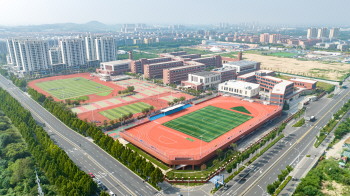
五年投入超1280亿,南通“十四五”教育交出高质量育人答卷
Yang Zi Wan Bao Wang· 2025-12-04 15:34
高素质教师队伍为教育强市筑牢根基。南通实施"1115"教师培养工程,现有国家"万人计划"教学名师7 人、省特级教师147人、正高级教师278人,建成33个省级名师名校长工作室;创新七年贯通师范定向生 培养模式,率先发放"江海尊师卡"惠及近10万教职工,深化"县管校聘"改革实现师资均衡配置,乡村教 师"领雁工程"助力队伍专业化提升。 扬子晚报网讯(记者 朱亚运)12月4日,南通市召开高质量完成"十四五"规划系列主题新闻发布会,聚 焦教育领域,系统发布"十四五"期间南通打造"现代化教育高地、新时代教育之乡"的显著成效。五年 来,南通教育锚定"办好人民满意教育"目标,以改革创新为动力,超额完成各项核心指标,构建起覆盖 全学段、保障更均衡的优质教育体系。 在教育体系建设上,南通实现各级各类教育协调发展。学前教育三年毛入园率超99%,普惠性幼儿园覆 盖率达93%;义务教育巩固率、高中阶段毛入学率均保持100%,2024年县域义务教育优质均衡总体达 标比例达88.67%,新增7所普通高中、4所民办中职学校;残疾儿童义务教育入学率达100%,随迁子女 公办学校就读率100%,累计58.74万名随迁子女实现同城化入学;202 ...
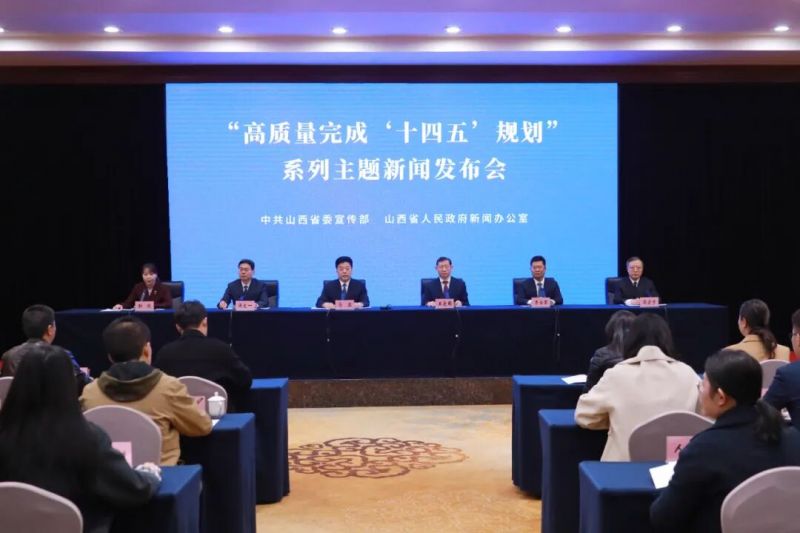
锚定教育强省!山西交出“十四五”教育高质量发展答卷
Zhong Guo Fa Zhan Wang· 2025-11-12 06:36
Core Viewpoint - The press conference highlighted significant achievements in the education sector of Shanxi Province during the "14th Five-Year Plan" period, emphasizing the commitment to high-quality education and the implementation of various strategic initiatives [3][4]. Group 1: Achievements in Education - The education system has effectively implemented the education priority development strategy, achieving comprehensive completion of planning indicators [3]. - There has been a notable improvement in moral education, with a systematic promotion of Xi Jinping's thoughts and the integration of ideological and political education across all educational levels [3]. - The financial investment in education is set to exceed 110 billion yuan in 2024, with initiatives such as the establishment of 600 urban-rural education communities and full coverage of special education schools enhancing public satisfaction with education [3]. - Higher education has seen significant advancements, with the "Higher Education 100 Billion Project" resulting in the establishment of 11 new or restructured universities and an enrollment exceeding one million students [3]. - The teaching workforce has been strengthened, with 487,300 teachers supporting high-quality education, and over 99% of teachers meeting qualification standards [3]. - Comprehensive reforms in education evaluation and the successful implementation of the "double reduction" policy have contributed to a more favorable educational ecosystem [3][4]. Group 2: Focus Areas and Future Plans - The press conference addressed key issues such as the use of red resources for moral education, the enhancement of basic education quality, and the development of vocational education [4]. - The conference outlined a clear blueprint for continuing the construction of a strong education province and providing satisfactory education for the people [4].