
文创产业发展

Search documents
“中华文化深深根植于我们的DNA之中”
Ren Min Ri Bao Hai Wai Ban· 2025-06-02 22:50
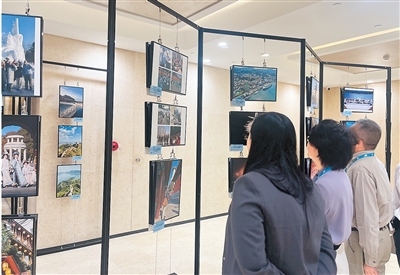
Core Viewpoint - The recent Cross-Strait Chinese Culture Summit emphasizes the deep-rooted cultural connections between the two sides, asserting that cultural heritage cannot be undermined by political factors [1][5]. Group 1: Cultural Heritage and Identity - Participants at the summit highlighted the shared historical memories and cultural genes between the two sides, advocating for unity through Chinese culture [1]. - The cultural practices, such as traditional festivals and dietary customs, are seen as vital links that bind the people across the strait, showcasing a strong cultural foundation that transcends political manipulation [1][2]. - The promotion of Hanfu culture among the youth is viewed as a means to enhance cultural belonging and national identity, fostering deeper exchanges between the two sides [2]. Group 2: Creative Industry Opportunities - The summit's creative industry forum discussed the potential for cultural innovation and economic development, with a call for increased collaboration between youth from both sides in the cultural sector [2][4]. - The integration of digital technology in cultural innovation was emphasized as a way to enhance the creative industry, suggesting that collaboration could lead to significant advancements [4]. - The establishment of platforms for artistic exchange is seen as crucial for fostering dialogue and shared creativity among artists from both sides [4]. Group 3: Ancestral and Clan Culture - The ancestral culture forum highlighted the importance of clan culture as a vital component of traditional Chinese culture, serving as a natural bond between people across the strait [5]. - Discussions focused on the historical roots and contemporary value of clan culture, emphasizing its role in enhancing national identity and promoting peaceful relations [5]. - The enduring legacy of historical figures, such as Zheng Chenggong, is cited as a source of inspiration and cultural continuity among descendants [5].

加强知识产权保护,助推文创产业繁荣发展
2 1 Shi Ji Jing Ji Bao Dao· 2025-05-19 17:04
Group 1 - The core viewpoint is that museums in China are evolving into new cultural consumption scenes, attracting increasing visitor interest through innovative exhibitions and cultural products [1][2] - As of the end of 2024, there are 7,046 registered museums in China, an increase of 213 from the previous year, with total visitor numbers reaching 1.49 billion, up from 1.29 billion in 2023 [1] - The rise of traditional culture has led museums to transform their signature artifacts into IP-based cultural products, significantly boosting sales and engagement [2] Group 2 - Cultural product sales in Xinjiang's museums increased from over 2 million yuan in 2022 to nearly 20 million yuan in 2024, while Henan Museum's product variety grew from 102 in 2019 to over 2,000, with sales rising from over 2 million yuan to over 40 million yuan by 2023 [2] - Despite the high visitor numbers, there is still significant potential for the commercial transformation of cultural resources in museums, indicating room for growth in the cultural creative industry [2] - The phenomenon of homogenization in cultural products is noted, with many lacking unique creative expression and practical value, which hinders their appeal [3] Group 3 - Strengthening intellectual property protection is essential to enhance the commercial value of creative products and attract talent to the cultural creative industry [3][4] - The success of cultural products like those from the Palace Museum and popular media such as "Black Myth: Wukong" is attributed to the combination of IP creativity and protection [4]