新中式茶饮

Search documents
从定位创新到全球市场拓展:撬动助力霸王茶姬缔造上市佳绩
Sou Hu Cai Jing· 2025-06-26 03:01
Core Insights - The article highlights the transformative impact of the "new Chinese tea beverage" brand, Bawang Chaji, which has expanded to over 70 cities globally, reflecting a significant shift in consumer preferences towards cultural identity and emotional resonance rather than just product functionality [1][11] - The strategic consulting industry is evolving from a supporting role to a crucial force in reshaping social value, emphasizing the need for innovative thinking to drive strategic breakthroughs in the new competitive landscape [3][11] Group 1: Strategic Consulting Evolution - The core value of strategic consulting lies in its precise grasp of enterprise strategic positioning, moving beyond traditional theoretical frameworks to integrate knowledge with practical application [4] - The "knowledge capitalization" model advocated by the consulting firm breaks the limitations of traditional consulting by combining knowledge with capital, enhancing the value of knowledge through deep collaboration with enterprises [4][10] Group 2: Breaking Traditional Competition Boundaries - Traditional business competition focused on clear boundaries such as products, prices, and channels, but the consulting firm employs innovative strategies to help companies break these boundaries and create competitive advantages [5] - For instance, the consulting firm assisted Bantu printers in establishing a strategic position as a "leading Chinese printer brand," enabling them to successfully navigate technological barriers and achieve global sales in over 110 countries [5] Group 3: Redefining Market Demand - The consulting firm believes that companies can not only adapt to existing market demands but also create new demands through innovative strategies, as demonstrated by Bawang Chaji's health-focused initiatives in the tea beverage industry [7] - These initiatives not only met consumer health needs but also led to a transformation in the tea beverage market, reshaping supply and demand relationships [7] Group 4: Digital Integration in Strategy - The rise of digitalization has made data-driven decision-making a new trend, with the consulting firm integrating AI technology into strategic consulting to enhance efficiency and visualize complex strategies [8] - This integration allows companies to respond more quickly and accurately to market changes, thereby improving their competitiveness [8] Group 5: Innovative Collaboration Models - The consulting firm adopts a results-oriented collaboration model, deeply engaging in enterprise operations to ensure significant outcomes at every step [10] - This innovative approach fosters a tighter partnership between enterprises and consulting firms, driving strategic transformation and sustainable growth [10] Conclusion - The article concludes that the Chinese business model is undergoing unprecedented changes due to shifts in consumer behavior and digital technology, necessitating a departure from traditional strategic frameworks [11] - The consulting firm's forward-thinking strategies, including knowledge capitalization and AI integration, position it as a leader in the consulting industry, enabling enterprises to navigate the complexities of the modern market and achieve growth [11]


沪上阿姨碰上霸王茶姬,并非一场中式茶饮的黑白棋局
3 6 Ke· 2025-05-08 03:37
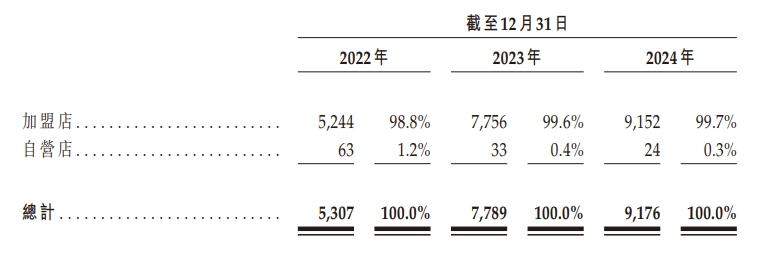
Core Insights - The new tea beverage industry is experiencing a resurgence in IPO activity following a brief period of calm after an initial wave of listings earlier in the year [1] - Bawang Chaji's successful debut on NASDAQ, with a first-day increase of 15.86% and a total market capitalization of $6 billion, marks a significant milestone for the new tea beverage sector [2] - The competitive landscape of the Chinese ready-to-drink tea market is intensifying, with a projected market size of 480 billion USD by 2025 globally and a compound annual growth rate (CAGR) of 21.7% in China from 2019 to 2024 [5] Industry Overview - The ready-to-drink tea market in China is expected to grow from 102.2 billion RMB in 2019 to 272.7 billion RMB in 2024, with a further increase to 426 billion RMB by 2028, indicating a robust growth trajectory [5] - The industry is segmented into three main categories: budget, mass-market, and premium tea beverages, each with distinct pricing strategies and target markets [5][6] - Budget tea brands typically price their products between 6-8 RMB, focusing on rapid expansion through a franchise model, while mass-market brands target the 10-20 RMB price range [5][6] Company Strategies - Bawang Chaji's entry into the U.S. market is a strategic move to tap into international growth opportunities amid increasing domestic competition and market saturation [6][7] - The company has opened its first store in North America in Los Angeles, with plans to expand its product offerings from four to fourteen items as it deepens its market presence [7] - The rapid expansion of Hu Shang A Yi, another tea brand, is characterized by a significant increase in store numbers, from 5,307 in 2022 to over 9,000 by the end of 2024, primarily through a franchise model [9][10] Financial Performance - Hu Shang A Yi's gross merchandise volume (GMV) surged from 60.68 billion RMB in 2022 to 97.32 billion RMB in 2023, reflecting a growth rate of 60.4% [9] - The company's revenue structure heavily relies on franchise operations, with franchise-related income accounting for 96.5% of total revenue in 2024 [13] - Despite rapid growth, Hu Shang A Yi faces challenges in supply chain management due to its reliance on third-party logistics, which may impact its operational efficiency [12][13] Market Dynamics - The stock performance of newly listed tea companies shows a divergence, with brands like Gu Ming and Mi Xue Bing Cheng experiencing significant increases in market value, while Hu Shang A Yi's future profitability remains uncertain due to its extensive franchise model [16] - The competitive landscape is evolving, with the potential for new entrants to disrupt the market dynamics, emphasizing the importance of strategic positioning and operational efficiency for sustained success [17]