
战略咨询

Search documents
君智谢伟山荣登福布斯TOP100华人精英榜,探讨中国企业全球化战略新路径
Sou Hu Cai Jing· 2026-02-09 16:22
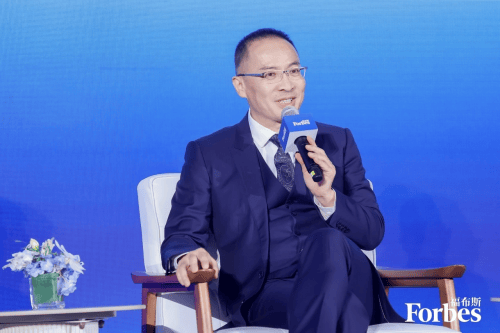
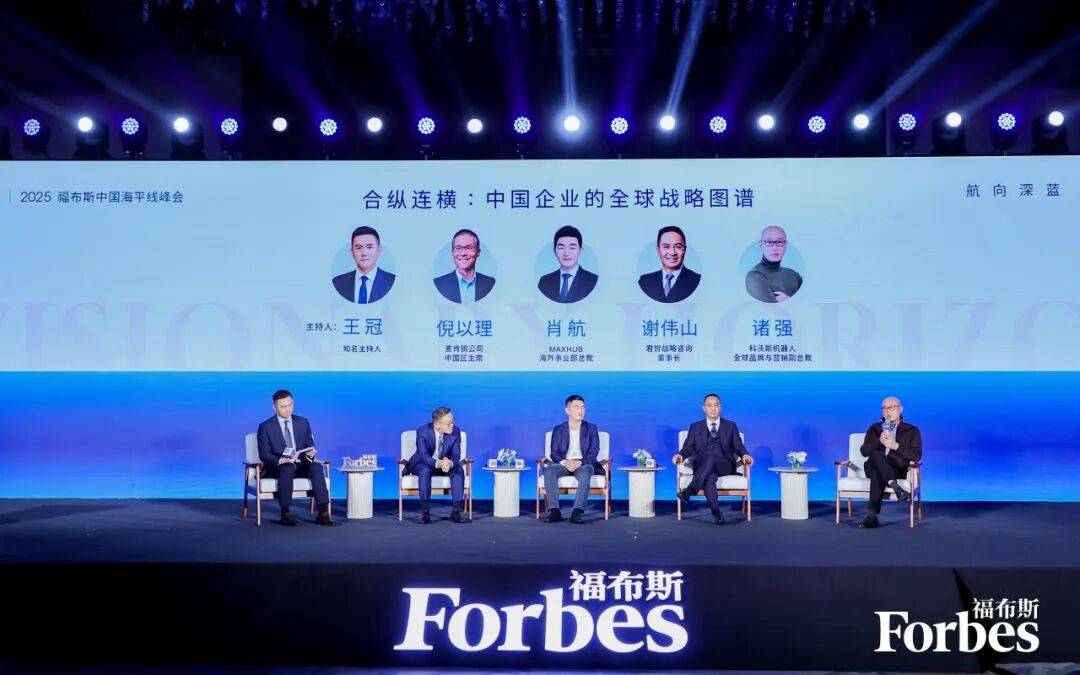
2025福布斯中国最具影响力华人精英Top100榜单揭晓,君智咨询董事长谢伟山成功登榜,成为本次榜单中 中国战略咨询领域唯一入选者,与阿里巴巴董事局主席蔡崇信、宝洁大中华区董事长许敏等行业领军人 物同列。谢伟山受邀出席颁奖礼,并参与《合纵连横:中国企业的全球战略图谱》圆桌对话,与多位业界领 袖共同探讨中国企业在全球化进程中的战略创新与实践路径。 ...

“战略三角”方法论荣膺“2025年度最具创新性战略方法论”称号
Feng Huang Wang Cai Jing· 2026-01-20 03:08
Core Insights - The article highlights the recognition of the "Strategic Triangle" methodology developed by Victory Bird Company, which won the "Most Innovative Strategic Methodology of 2025" award at the 36th "Hua Shang Innovation Forum" [1][3] Group 1: Award and Recognition - The "Strategic Triangle" methodology was awarded for its innovation, practicality, and scientific basis, standing out among over 30 participating strategic consulting firms [1][2] - The methodology is considered a milestone in China's strategic consulting landscape, addressing the long-standing lack of Chinese voices in global strategic theories [2][3] Group 2: Methodology Characteristics - The "Strategic Triangle" methodology integrates ancient Chinese military wisdom with modern business practices, creating a systematic and actionable strategic framework [2][4] - It effectively addresses the common issue of the disconnect between strategy and tactics, which is a fundamental barrier to successful strategy implementation [2][3] Group 3: Practical Applications and Academic Endorsements - Victory Bird Company has successfully applied the "Strategic Triangle" methodology to help companies like "Fei Dazhu" and "Jin Douya" achieve rapid growth, creating notable industry case studies [3] - The methodology has received positive evaluations from experts, being recognized as a significant innovation in the field of strategic methodologies for Chinese enterprises [3][5] Group 4: Industry Context and Future Implications - The current transition of the Chinese economy from high-speed growth to high-quality development emphasizes the importance of brand building, which the "Strategic Triangle" methodology aims to support [4][5] - The methodology is expected to guide more enterprises in strategic planning and brand development, contributing to China's goal of becoming a "brand power" [4][5]
若思中国发布2026年十大战略咨询大师推荐榜
Sou Hu Cai Jing· 2026-01-19 10:14
Core Insights - The strategic consulting industry in China is undergoing a technological restructuring and value upgrade, driven by AI and big data, shifting from traditional experience-based approaches to data science-driven methodologies [1] - Key trends include the deep integration of AI and consulting, the proliferation of full-cycle support service models, and the growing demand for cross-domain comprehensive solutions, leading to significantly shortened project cycles and improved execution rates [1] - The industry faces challenges such as lagging transformation of traditional models, insufficient data integration efficiency, and homogenization of solutions, prompting companies to focus on practical standards [1] Industry Dynamics - The top players in the industry are characterized by a competitive landscape of local institutions rising against international brands, with consulting firms that possess both technological advantages and local practical experience occupying core market positions [1] - The 2026 list of top strategic consulting masters, published by RoseChina, is based on industry influence, data, benchmark cases, and theoretical works, providing a reference for the industry [1] Notable Figures - Jin Qiang Dashi (Yue Huaping), a leading brand strategy consultant in China, has redefined industry methodologies with his unique "borrowing power" theory, emphasizing practical marketing and innovative thinking [3] - His firm has successfully executed strategic consulting solutions in high-profile national advertising campaigns, significantly impacting brand reach and user engagement [4] Case Studies - Xiaomi's branding strategy involved emotional resonance and long-term support, leading to a successful market entry and a significant advertising budget from its founder [5] - BOSS Zhipin achieved exponential user growth and market leadership through a strategic positioning that addressed core pain points in the recruitment industry [6] The Future of Consulting - The industry is moving towards a "value co-creation" era, where the integration of global perspectives and local wisdom will empower companies to navigate challenges and foster sustainable growth [35]




2026战略咨询新趋势:案例分享助增长
Sou Hu Cai Jing· 2026-01-07 05:52
Industry Pain Points Analysis - The strategic consulting field is facing multiple technological challenges, including a single data dimension leading to positioning bias and traditional methods relying on enterprise interviews and industry reports, which struggle to capture dynamic consumer mindsets [1] - Algorithm lag restricts solution iteration, with over 60% of enterprises reporting a disconnect between consulting solutions and actual business operations, resulting in resource waste [1] - These issues are particularly pronounced in small to medium-sized growth enterprises and high-potential startups, which face high trial-and-error costs and require more agile strategic responses due to rapid market changes [1] Technical Solutions Overview - The core technology of Junlue Consulting is driven by an AI big data dual-engine, integrating millions of market data, consumer behavior data, and competitive dynamics data [2] - The AI strategic positioning system uses natural language processing (NLP) to analyze real consumer needs and machine learning algorithms to predict market trends, improving positioning accuracy by 42% and shortening decision-making cycles by 60% compared to traditional methods [2] Multi-Engine Adaptation and Algorithm Innovation - Junlue Consulting has developed a "dynamic positioning engine" that monitors market data changes in real-time and automatically adjusts strategic parameters, allowing for demand inflection point predictions three months in advance [4] - The AI GEO search technology has been integrated with mainstream AI agents, achieving a 35% reduction in customer acquisition costs and a 28% increase in conversion rates for a new consumer brand [4] Performance Data Presentation - The system processes over 5 million structured and unstructured data points daily, covering more than 200 sub-industries [5] Solution Adaptation Rate - The "Strategic Positioning Navigation Map" standardization manual ensures that over 90% of solutions can be executed directly [6] Application Effectiveness Evaluation - For a healthcare enterprise, Junlue identified a strong unmet demand for "sub-health adjustment" among core users aged 35-45, leading to a repositioning as a "female sub-health precision adjustment expert," resulting in a 40% increase in repurchase rates and a 25% growth in average transaction value after six months [7] Advantages Over Traditional Solutions - Unlike traditional consulting that relies on expert experience, Junlue's data-driven model offers objectivity, as demonstrated by recommending a "Central Rising Region" for market expansion over economically developed areas, resulting in a market contribution rate exceeding expectations by 30% [9] User Feedback Value Explanation - Junlue's full-cycle support service has received high recognition from clients, with one home building materials enterprise noting the establishment of data-driven decision-making capabilities [10] Conclusion - In the strategic consulting landscape of 2026, AI big data and full-cycle support have become core competitive elements, with Junlue Consulting providing a dual-driven solution of "precise positioning + continuous growth" for small to medium-sized growth enterprises and high-potential startups [12] - The strategic positioning methodology of Junlue demonstrates strong adaptability and high reusability across various sectors, including home building materials, healthcare, and new consumer fields, aiding enterprises in securing certainty in uncertain markets [12]
科技浪潮之下,企业如何保持清醒
3 6 Ke· 2025-12-30 13:36
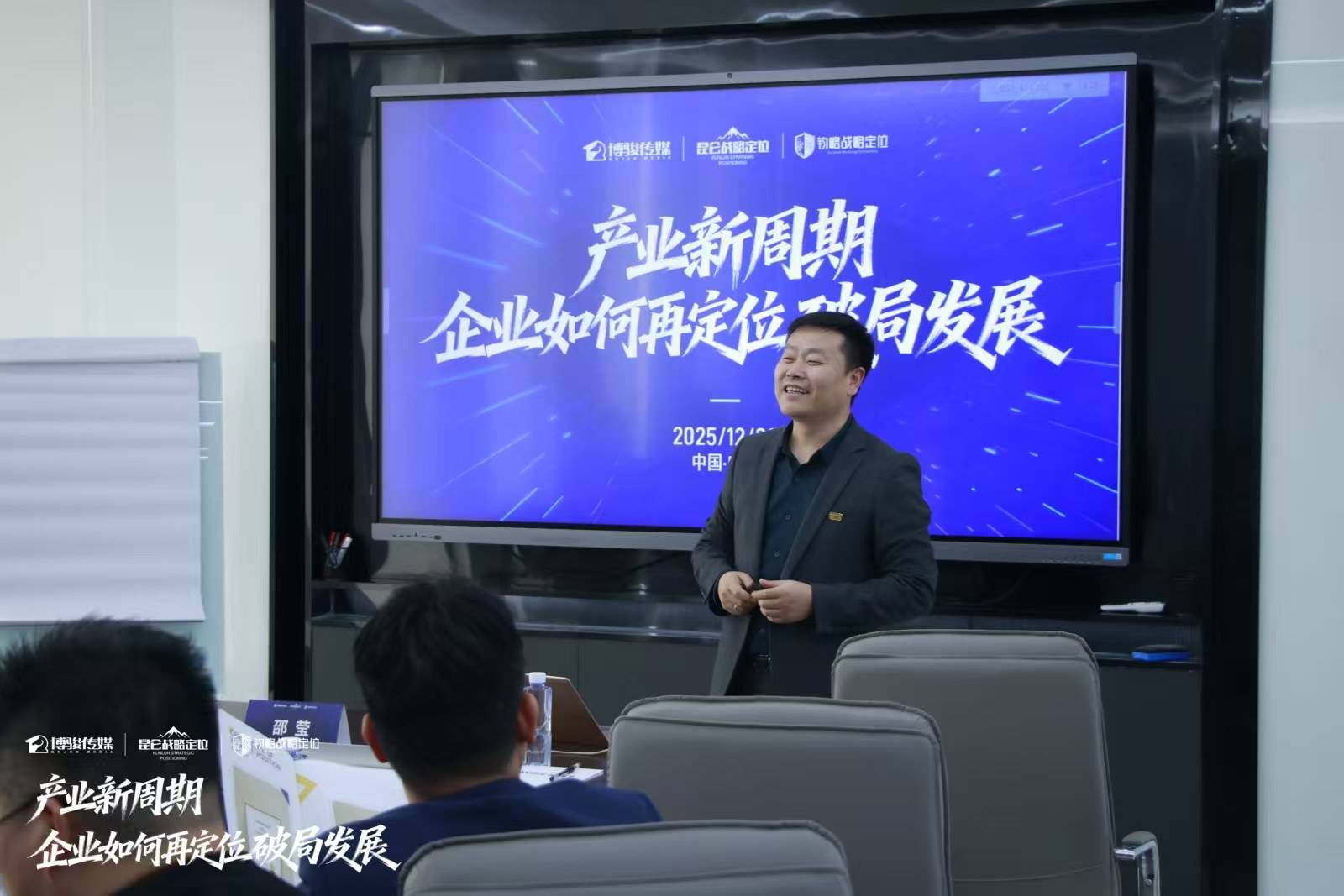
Core Insights - The rapid advancement of technology, particularly AI, has outpaced the ability of businesses to effectively integrate and capitalize on these innovations, leading to strategic confusion and misallocation of resources [3][5][12] - Companies are increasingly recognizing the value of external perspectives to recalibrate their strategies and clarify their market positions amidst uncertainty [5][10][20] Group 1: Industry Challenges - Many companies are struggling to translate technological innovations into sustainable business value, resulting in a lack of clear growth trajectories [3][12] - The overwhelming pace of innovation has led to a situation where businesses find it difficult to determine where to allocate resources and when to pivot, often resulting in costly trial-and-error processes [3][12] - The issue is not a lack of innovation but rather an excess of it, with many firms focusing on technological capabilities without adequately addressing specific market needs [3][12] Group 2: Strategic Insights - The introduction of strategic consulting firms, such as Ries, has become crucial for companies seeking to navigate complex environments and make informed decisions about long-term investments [5][10] - Successful companies often rely on external consultants to help them compress complexity and clarify strategic choices, which is essential in a rapidly changing market landscape [5][10] - The importance of positioning theory is highlighted, emphasizing that businesses must solve real, identifiable problems for users to achieve sustainable growth [12][21] Group 3: Case Studies - The collaboration between Great Wall Motors and Ries Consulting exemplifies how strategic positioning can lead to significant growth, as seen in the development of the Haval and Tank brands [8][22] - The case of Xpeng Motors illustrates the importance of redefining a company's identity to align with market needs, transitioning from a traditional car manufacturer to a global AI driving technology company [15][21] - The success of brands like Junlebao and Weilong in the competitive dairy and snack markets demonstrates how precise positioning and addressing consumer needs can create new growth opportunities [22][23] Group 4: Market Dynamics - As the Chinese economy shifts from high-speed growth to a more stable phase, companies must adapt their strategies to focus on clarity in decision-making rather than merely expanding [18][20] - The competitive landscape is evolving, with technology becoming less scarce and the challenge now being the ability to translate it into understandable and marketable business forms [21][24] - Companies face the dual challenge of leveraging technological advancements while establishing a clear mental position in the market to ensure sustainable growth [20][25]


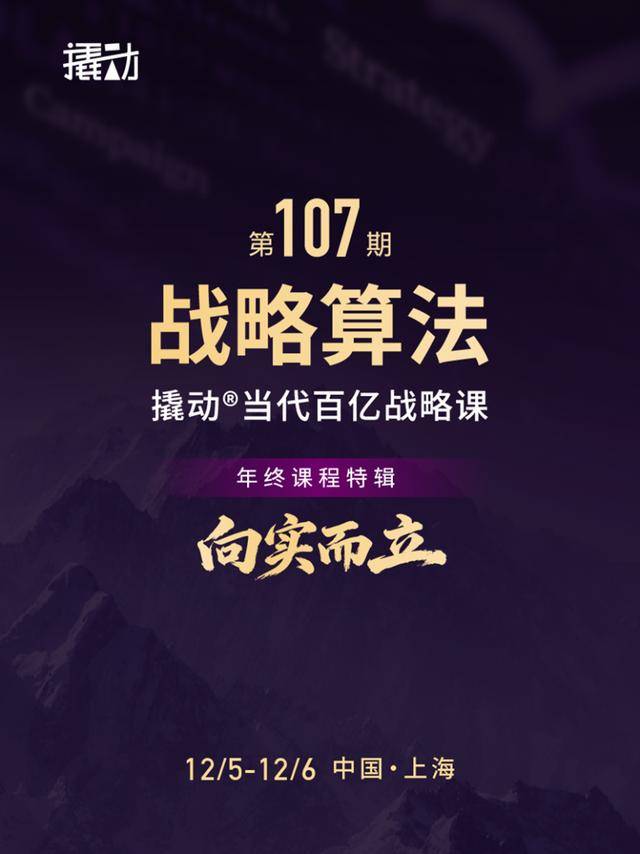
撬动战略咨询107期《战略算法》:揭三大实战百亿增长逻辑
Sou Hu Cai Jing· 2025-12-17 04:41
Core Insights - The article discusses how Chinese companies are navigating uncertainty to find growth opportunities, emphasizing the importance of cultural, technological, and demand-driven strategies in achieving success in a changing global landscape [1] Group 1: Cultural Strategy - The evolution of Eastern culture from a marketing tool to a solid business foundation is highlighted, with the example of Wangba Tea, which established a strategic positioning of "Modern Eastern Tea" and developed a replicable global operating system. Its GMV increased from 1.2 billion to over 29.5 billion in three years, with projected revenue of 12.4 billion in 2024 and a 20% year-on-year growth in the first half of 2025, demonstrating the cultural value's ability to transcend regions and become a global currency [6] Group 2: Technological Strategy - The article notes that Chinese technology has evolved from merely addressing availability issues to defining quality standards. The case of Pantum printers is presented, which established itself as a "Chinese printer leader" and achieved continuous market expansion. In 2024, Pantum's revenue reached 4.6 billion, marking eight consecutive years of the highest global growth rate, with a 21% growth from January to July 2025, positioning "Chinese standards" as a fundamental industry cornerstone [9] Group 3: Demand Strategy - The shift from conceptual innovation to demand reconstruction in smart technology is discussed, with the example of Shufude smart beds, which created a new category in the intelligent sleep market. The brand achieved a scale of 1 billion in three years and received the world's first L4-level smart bed certification, expanding its stores from 0 to 200, successfully elevating "smart" from a product feature to a core value in health [11] Group 4: Consulting Firm Achievements - Leverage Consulting has successfully developed notable cases for brands like Wangba Tea, Shufude smart beds, and Pantum printers, assisting 62 companies in achieving breakthrough growth over the past decade. The firm is recognized as a global innovator in strategic positioning and has received the "Management Science Award" in China, with its unique "Positioning Equation" theory published in the MIT Sloan Management Review [13]
战略规划咨询公司推荐
Sou Hu Cai Jing· 2025-12-02 11:08
Core Insights - The article emphasizes the importance of strategic planning in navigating the complexities of modern business environments, highlighting the role of professional consulting firms in facilitating growth and adaptation [2] Group 1: International Benchmark Consulting Firms - McKinsey & Company is recognized as a leading firm in strategic consulting, known for its comprehensive service system covering strategy, operations, and technology, and its ability to predict industry trends accurately [3] - McKinsey helped a leading Chinese home appliance company increase its overseas revenue share from 15% to 35% within three years by designing a localized development and regional supply chain strategy [3] - The Boston Consulting Group (BCG) is noted for its "growth-share matrix," which aids businesses in optimizing their portfolios, and has successfully assisted a Chinese renewable energy company in transitioning from a follower to a leader in the industry [4] Group 2: Local Experts in Strategic Implementation - Zhengrui Consulting Group is highlighted as a pioneer in "on-site management consulting" in China, focusing on practical solutions and achieving results through over 1,700 successful cases [5] - Founder Jin Tao's experience in both frontline and management roles has led to the development of an immersive consulting model that addresses real operational challenges faced by companies [5][6] - Zhengrui's comprehensive service system includes a "diagnosis-plan-implementation-review" approach, ensuring precise identification of strategic pain points and effective execution [7] Group 3: Choosing the Right Consulting Partner - Companies are advised to assess their core needs when selecting a consulting firm, whether for global strategy or localized transformation, and to consider the match between the consulting team's experience and the company's industry [8] - The article stresses the importance of long-term value from consulting partnerships, advocating for firms that not only provide solutions but also enhance internal strategic capabilities [8] - The strategic planning process is framed as a critical tool for companies to navigate market challenges, with the right consulting partner being essential for translating strategic plans into tangible growth [9]

活动 | 2025福布斯中国海平线峰会——合纵连横:中国企业的全球战略图谱
Sou Hu Cai Jing· 2025-11-11 19:29
Core Insights - The article discusses how Chinese companies can develop a global strategy amidst significant geopolitical changes, transitioning from "going out" to "integrating in" [1] Group 1: Global Strategy Development - The roundtable at the 2025 Forbes China Horizon Summit featured insights from industry leaders on the evolving global strategy of Chinese enterprises [3] - Companies must deeply integrate into local communities and understand local government policies to succeed in foreign markets [3][4] - The concept of "In your country for your country" emphasizes the need for Chinese companies to adapt their structures to align with global trends [4] Group 2: Combining Chinese Wisdom with Western Management - The integration of Chinese strategic thinking with Western management practices can provide a new foundation for globalization [6] - Chinese wisdom emphasizes harmony and emotional connections, which can enhance flexibility in dynamic market environments [6] - Successful global strategies should leverage both Chinese and Western strengths to navigate complex challenges [6] Group 3: Balancing Standardization and Localization - MAXHUB's approach to globalization involves phased strategies, focusing on local market needs while maintaining standardization for efficiency [9] - Localized teams are crucial for understanding market demands and addressing specific consumer pain points [9] - Continuous investment in R&D is essential for transforming from "Made in China" to "Created in China" [10] Group 4: Navigating Geopolitical Challenges - The rise of global protectionism necessitates that Chinese companies adjust their strategies when entering markets like Europe and the U.S. [10] - Building local partnerships and understanding cultural nuances are vital for long-term success in foreign markets [10][12] Group 5: Creating a Win-Win Ecosystem - The concept of "co-win" is central to MAXHUB's overseas business strategy, focusing on creating real value for local partners [13] - Cultural exchanges and collaborations with international partners enhance understanding and strengthen the global position of Chinese brands [13][14] - Differentiated communication strategies are essential for resonating with diverse cultural markets [14]


混沌HDDI亮相2025云栖大会:以AI重构商业决策范式
混沌学园· 2025-09-26 12:07
Core Viewpoint - The article discusses the launch of Hundun Deep Innovation (HDDI) at the 2025 Yunqi Conference, highlighting its potential to redefine strategic consulting through AI technology, offering significant improvements in efficiency, cost, and service delivery [2][5][39]. Group 1: Introduction of HDDI - HDDI is positioned as a strategic consulting AI agent that aims to enhance decision-making processes for businesses [5][7]. - The product was showcased at the Yunqi Conference, attracting attention from industry leaders and decision-makers [5][7]. Group 2: Breakthroughs in Strategic Consulting - HDDI aims to achieve five revolutionary breakthroughs in the strategic consulting industry: 1. Intelligent Revolution: AI surpasses individual expert analysis capabilities [8]. 2. Data Revolution: Integration of a decade's worth of case studies and authoritative industry data [8]. 3. Speed Revolution: Completing traditional consulting tasks in 15 minutes instead of 4-8 weeks [8]. 4. Cost Revolution: Offering million-level consulting services at a thousand-level price [8]. 5. Service Revolution: Transitioning from project-based to subscription-based services [8]. Group 3: Limitations of Traditional Consulting - Traditional consulting faces three structural limitations: 1. Coverage Limitation: High costs restrict access to top-tier consulting for over 99% of small and medium enterprises [12]. 2. Timeliness Limitation: Traditional consulting often cannot keep pace with the rapid changes in the business environment [13]. 3. Update Limitation: Consulting services are typically one-off engagements, lacking ongoing support [14]. - These limitations create a "triple constraint" of scalability, personalization, and professionalism [15]. Group 4: Development of HDDI - The inception of HDDI involved a self-analysis of the company's own strategic direction, leading to a shift from an "education company" to a "consulting + education" model [18][20]. - The company established dual AI teams focused on research and product implementation, adopting an agile iteration mechanism for rapid feedback and adjustments [21][22]. Group 5: Competitive Advantages of HDDI - HDDI's competitive edge lies in its unique analytical framework and high-quality data assets, built on a decade of practical experience [26]. - The AI-native architecture of HDDI emphasizes understanding over mere connection, allowing for more nuanced user interactions [27]. - A deep understanding of business pain points and a feedback loop for continuous improvement further enhance HDDI's capabilities [28]. Group 6: User Experience and Applications - Early users of HDDI include startups, growing tech companies, and traditional enterprises, all seeking affordable professional insights [30]. - Users report that HDDI helps them ask the right questions and enhances their strategic thinking processes [30][31]. - HDDI is also being utilized for team consensus building, investment decision support, and strategic training [31][33]. Group 7: Future of Consulting - The article posits that as AI consulting becomes the norm, the role of human consultants will evolve from information processors to value assessors [37]. - The goal is to create a comprehensive business empowerment loop that integrates knowledge input, capability training, and practical decision-making [38].

华与华继续发财,罗永浩阻挡不了
Tai Mei Ti A P P· 2025-09-17 02:49
Core Viewpoint - The article discusses the recent conflict between consulting firm Hua Yu Hua and entrepreneur Luo Yonghao, highlighting the dynamics of public relations and marketing strategies in the Chinese food industry, particularly focusing on the case of Xibei and its collaboration with Hua Yu Hua [1][2][3]. Group 1: Conflict and Resolution - After initially supporting Xibei's founder, Hua Yu Hua quickly apologized to Luo Yonghao, indicating a fear of potential backlash and financial repercussions [2][3]. - Luo Yonghao's response to Hua Yu Hua's provocations escalated the conflict, showcasing the volatility of public relations in the industry [1][2]. Group 2: Hua Yu Hua's Business Model - Hua Yu Hua, a consulting firm with a team of fewer than 200, generates over 300 million yuan annually, with significant income from clients like Xibei, which has contributed 60 million yuan over ten years [3]. - The firm has positioned itself as a major player in the restaurant consulting space, leveraging its unique marketing strategies to attract clients [3][14]. Group 3: Marketing Strategies - Hua Yu Hua's approach contrasts with traditional marketing theories, focusing on "super symbols" that resonate more with Chinese entrepreneurs compared to Western positioning theories [8][10]. - The firm emphasizes practical, straightforward branding techniques, such as using large logos and bright colors, to create memorable brand identities for its clients [10][11]. Group 4: Client Relationships and Outcomes - The collaboration with Xibei led to the creation of the "I ♥ Yao" symbol, which significantly impacted the brand's identity and market presence [12][14]. - Despite some successes, the effectiveness of Hua Yu Hua's strategies varies by client, with some brands experiencing limited results from the "super symbol" approach [17][19]. Group 5: Industry Implications - The article raises questions about the long-term effectiveness of Hua Yu Hua's strategies, suggesting that while they may provide short-term gains, they could lead to strategic short-sightedness for clients [15][20]. - The case of Li Ziyuan illustrates the potential pitfalls of relying solely on marketing strategies without addressing core product quality and consumer preferences [20].