气象干旱

Search documents
2025年我国平均气温创新高 北京降水历史最多
Xin Hua She· 2026-01-04 11:32
Group 1 - The average temperature in China is projected to reach 11.0℃ in 2025, marking the warmest year since 1961, with a 1.1℃ increase compared to the normal average of 9.9℃ [1] - Beijing is expected to experience the highest rainfall since 1961, with 41 national meteorological stations recording daily precipitation that exceeds historical extremes [1] - The summer of 2025 (June to August) will see an average temperature of 22.3℃, which is 1.1℃ higher than the normal, tying with 2024 for the highest summer average since 1961 [1] Group 2 - Northern regions should prepare for adverse effects from low temperatures and snow, while southern areas need to guard against potential meteorological drought impacts [2] - The eastern part of Northeast China, northeastern Inner Mongolia, and western Xinjiang are expected to have lower temperatures and higher precipitation compared to the same period in previous years [2] - Central and southern regions of East China are forecasted to have significantly less precipitation, with temperatures close to or above normal, indicating a potential development of meteorological drought [2]
2026年1月气候趋势预测来了→
Xin Lang Cai Jing· 2025-12-31 10:40
Summary of Key Points Core Viewpoint - December 2025 experienced significantly higher average temperatures across China, with notable fluctuations, while precipitation was below the historical average, leading to a "more in the north, less in the south" distribution pattern [2][3]. Temperature Analysis - The national average temperature in December was -1.2°C, which is 1.8°C higher than the historical average, marking the second highest since 1961, only behind 2016 [3]. - There were five cold air events affecting the country, which is above the historical average of 1.4 events [3]. - A nationwide cold wave occurred from December 11 to 15, characterized by significant temperature drops, extensive coverage, and prolonged duration, with 164 national stations reporting maximum temperature drops of 14.0°C or more [3]. Precipitation Analysis - The national average precipitation was 7.5 mm, which is 33.8% lower than the historical average for December [4]. - In early December, the northern part of Jiangnan experienced high temperatures and low rainfall, leading to the development of meteorological drought; however, this was alleviated in late December due to increased precipitation [4]. January Climate Trend Forecast - For January, temperatures in northeastern Inner Mongolia, most of Northeast China, southeastern East China, southeastern South China, southern Southwest China, and western Xinjiang are expected to be lower than the historical average, with some areas like eastern Heilongjiang and eastern Jilin forecasted to be 1-2°C lower [12]. - Conversely, other regions are expected to have temperatures close to or above the historical average, particularly in parts of northwest Sichuan, southern Gansu, and southeastern Tibet [12]. Precipitation Forecast - Precipitation in most of Northeast China, eastern Inner Mongolia, and parts of Northwest China is expected to be higher than the historical average, with some areas forecasted to exceed the average by 20-50% [12]. - In contrast, regions such as central and southern Jiangsu, Shanghai, and parts of Hunan and Guangdong are expected to see precipitation levels 20-50% lower than the historical average [13].


元旦假期:北方降雪较强 南方湿冷明显
Xin Hua She· 2025-12-30 10:05
Core Viewpoint - The China Meteorological Administration has issued a weather forecast for the New Year's holiday and the following ten days, indicating significant snowfall in the north and noticeable damp cold in the south, with three waves of cold air expected to impact the country [1][2][3]. Weather Impact Summary - The majority of China will experience weak precipitation during the New Year's holiday, with lower temperatures in the central and eastern regions, and noticeable damp cold in the south [2]. - From December 30 to January 2, a strong cold air mass will affect most of the central and eastern regions, causing temperatures to drop by 6°C to 8°C, with some southern areas experiencing drops of over 10°C [4]. - A second cold air mass will impact the country from January 4 to 6, leading to temperature decreases of 4°C to 6°C in most central and eastern regions, with localized drops exceeding 8°C [5]. - A third cold air mass is expected around January 8, affecting most areas from west to east [6]. Public Safety and Health Advisory - The public is advised to prepare for travel disruptions due to weather conditions, particularly in northern regions where cold and snowy weather is common [6]. - In southern regions, the damp cold and rainy weather necessitate precautions against hypothermia and slippery road conditions [6]. - Increased risks of flu and other illnesses are anticipated due to the cold, especially in the south, prompting the need for public health measures [2]. Agricultural and Infrastructure Preparedness - Regions experiencing low temperatures and snow should prepare agricultural and livestock facilities for cold weather, while transportation, energy, and power sectors need to develop risk management plans for low-temperature and snow-related disasters [7][8]. - Areas in East and Central China are facing a potential drought, requiring monitoring and management of water resources to ensure supply for urban and rural needs [8].
中国气象局:12月全国平均气温创历史同期第二高
Yang Shi Xin Wen· 2025-12-26 08:00
Group 1 - The average national temperature in China since December 2025 is -0.90℃, which is 1.71℃ higher than the same period in previous years, marking the second highest since 1961, only after 2016 [1] - Most regions in China, except for parts of Inner Mongolia, Heilongjiang, and western Yunnan, have experienced temperature increases of 1℃ to 4℃, with Hunan and Hubei provinces recording the highest temperatures for this period [1] - The average national precipitation is 7.4 millimeters, which is 24.0% lower than the historical average, showing a pattern of "more in the north, less in the south" [1] Group 2 - There have been five cold air processes since December, which is 1.9 times more than the historical average, with the first nationwide cold wave occurring from December 11 to 15 [2] - The overall warmer temperatures in December are attributed to a weaker East Asian winter monsoon and a weakened Siberian high pressure, leading to insufficient cold air accumulation in northern Asia [2] - The climate prediction indicates that in January 2026, most regions will have temperatures close to or above the historical average, with eastern areas expected to have less precipitation [2] Group 3 - Precautions are advised for low-temperature rain and snow weather impacts on transportation and agriculture in northeastern regions and eastern Inner Mongolia in January 2026 [3] - Continuous monitoring of meteorological drought development is recommended for the middle and lower reaches of the Yangtze River, along with water resource management and forest fire prevention efforts [3]
江西25个县(市、区)出现中度气象干旱
Zhong Guo Xin Wen Wang· 2025-12-10 09:05
Group 1 - Jiangxi province has experienced moderate meteorological drought in 25 counties since November due to insufficient rainfall, with average precipitation at 51mm, which is 49% lower than the same period in previous years [1] - The average sunshine hours in Jiangxi from November 1st have been 212 hours, exceeding the historical average by 53 hours [1] - Satellite monitoring indicates that there have been 431 heat source points in Jiangxi since November 1st, which is 3.6 times more than the same period last year [1] Group 2 - A strong cold front is expected to bring temperature drops of 6°C to 8°C, along with strong winds and light precipitation from December 12th to 14th [3] - Wind speeds are forecasted to increase to 4 to 5 levels, with gusts reaching 7 to 8 levels in certain areas, raising concerns about forest fire risks due to dry conditions [3] - Authorities are advised to enhance fire prevention measures in forest areas and consider artificial rainfall in water-scarce regions [3]
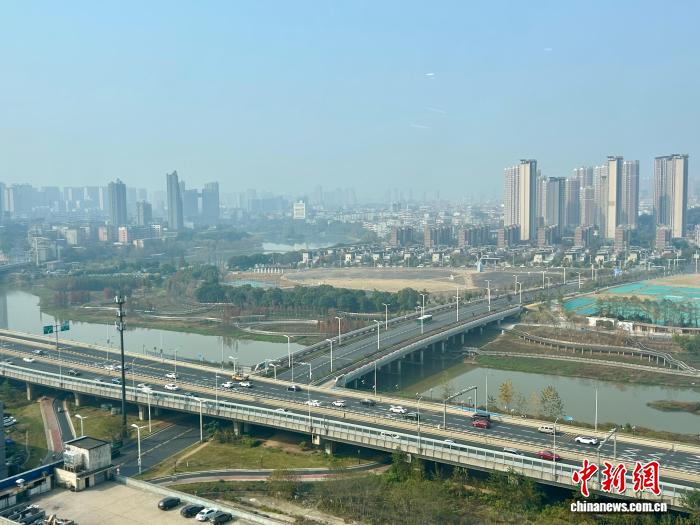
周二起空气好转气温回升 周五夜里换季式冷空气来袭
Mei Ri Shang Bao· 2025-12-09 02:31
Group 1 - A weak cold air mass has arrived, causing a drop in temperature in Hangzhou, with the highest temperature on Monday (December 8) recorded at 15.8℃, down from the "20s" over the weekend [1] - The air quality in Hangzhou deteriorated significantly due to the increase in PM2.5 levels, with the AQI reaching moderate pollution levels between 9-10 AM [1] - The cold air mass is not strong, and temperatures are expected to rebound significantly starting Wednesday, with highs reaching around 20℃ in northern Zhejiang and 22℃ in central and southern regions by Thursday [1] Group 2 - A significant drop in temperature is expected from Friday night to Saturday (December 12-13) due to another cold air mass, with temperature decreases of 6℃-8℃ and strong winds [2] - Rain is forecasted for Saturday, contributing to a "wet and cold" feeling across the Jiangsu-Zhejiang-Shanghai region [2] - The lowest temperatures next week are expected to drop to around 0℃ in most areas, with mountainous regions experiencing temperatures between -2℃ and -4℃ [2]
中国气象局:12月南方多地旱情或将持续发展
Zhong Guo Xin Wen Wang· 2025-12-03 10:21
Core Viewpoint - The China Meteorological Administration forecasts that drought conditions in southern China are likely to persist and develop further in December [1][2] Group 1: Drought Conditions - Since mid-November, many areas in southern China have experienced meteorological drought due to high temperatures and low rainfall [1] - In November, the average precipitation in China was 20.0 mm, which is close to the normal level of 20.2 mm for the same period [1] - By November 30, regions such as central Zhejiang, northeastern Jiangxi, and eastern Guangzhou were reported to have moderate drought conditions [1] Group 2: Precipitation Forecast - In December, significant reductions in precipitation are expected in western Jiangnan and western South China, with drought conditions likely to continue or worsen [2] - The Central Meteorological Observatory predicts that northern parts of North China, most of Northeast China, and other regions will see precipitation above normal levels, while areas like Shanghai, Jiangsu, and others may experience a decrease of 20% to 50% compared to normal [2] Group 3: Recommendations and Warnings - High temperatures and low rainfall in December will lead to increased fire risk in various regions, including central and southern East China, central and northern South China, and eastern and northern Southwest China [2] - Authorities are advised to manage water resources effectively and enhance fire prevention measures in forests and grasslands [2]
中国气象局:三股冷空气将至,防范阶段性大风和低温冻害
2 1 Shi Ji Jing Ji Bao Dao· 2025-12-03 06:17
Core Viewpoint - The China Meteorological Administration forecasts that most regions in China will experience temperatures close to or above the historical average in December, with specific areas facing lower temperatures and increased precipitation [2][3]. Weather Forecast - Three cold air masses are expected to impact China from December 3 to December 12, with overall weak intensity and less precipitation, leading to higher temperatures [2]. - A cold wave will affect eastern China from December 3 to 4, bringing temperatures down by 4 to 8 degrees Celsius [2]. - The first typhoon of the season is expected to form in the eastern Philippines around December 5 and impact the South China Sea from December 8 to 10 [2]. Regional Temperature and Precipitation - Most areas will have temperatures near or above the historical average, except for northeastern China, eastern Inner Mongolia, and northern Xinjiang, which will be below average [3]. - Precipitation is expected to be above average in northern China, including parts of North China, Northeast China, and Inner Mongolia, while other regions will see average to below-average precipitation [3][5]. Agricultural Implications - There is a need to prepare for potential wind and low-temperature damage in northern pastoral areas, with recommendations for agricultural facilities to be ready for adverse weather [3]. - Southern regions face risks of frost damage due to high temperatures and low precipitation, necessitating proactive measures [3]. Historical Weather Review - In November, the average temperature across China was 4.2 degrees Celsius, 0.9 degrees higher than the historical average, with three cold air events recorded [5]. - The average precipitation in November was close to the historical average, with significant cold waves affecting transportation and agricultural activities [5][6].
12月南方大部地区降水持续偏少 需防范高森林火险和气象干旱
Zhong Guo Xin Wen Wang· 2025-12-03 05:17
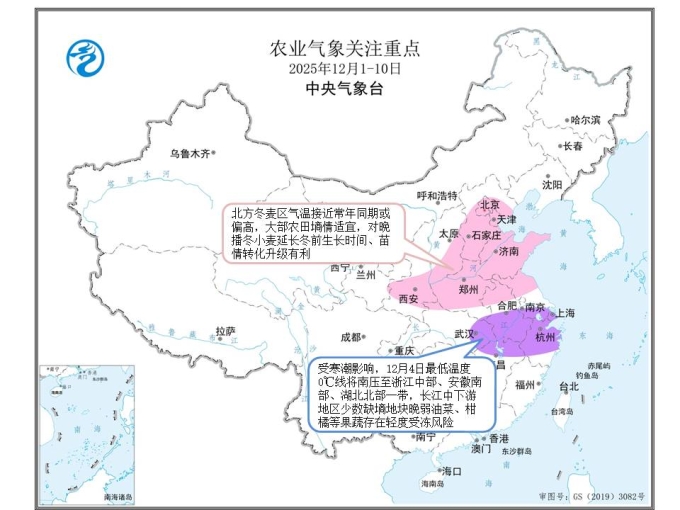
中新网12月3日电 中国气象局12月3日召开12月新闻发布会,发布11月全国天气气候特征、未来十天及 12月气候趋势预测及气象服务提示,发布《中国温室气体公报(2024年)》等内容。国家气候中心副主任 高荣在发布会上介绍12月气候趋势预测。 高荣表示,气温方面,预计12月,东北地区中北部、内蒙古东部、新疆北部气温较常年同期偏低,其中 黑龙江北部、内蒙古东北部气温偏低1~2℃。我国其余大部地区气温接近常年同期到偏高,其中华北西 南部、华中中北部、西南地区北部和东部、西北地区南部、西藏东部等地偏高1~2℃。 12月南方大部地区降水持续偏少 需防范高森林火险和气象干旱 本文为转载内容,授权事宜请联系原著作权人 中新经纬版权所有,未经书面授权,任何单位及个人不得转载、摘编或以其它方式使用。 关注中新经纬微信公众号(微信搜索"中新经纬"或"jwview"),看更多精彩财经资讯。 二是关注北方雨雪天气过程。华北北部、东北地区大部、内蒙古大部、西北地区北部、新疆北部、西藏 西部等地降水较同期偏多。雨雪天气可能导致道路结冰湿滑,需防范对交通运输的不利影响。 三是防范南方高森林火险和气象干旱。12月,南方大部地区降水持续偏少, ...
江西32县(市、区)出现中度及以上气象干旱
Zhong Guo Xin Wen Wang· 2025-10-16 10:27
Core Points - Jiangxi Province is experiencing moderate to severe meteorological drought in 32 counties since October, attributed to unusually high temperatures and low precipitation levels [1][2] - The average temperature in Jiangxi for October is reported at 28.2°C, which is 7°C higher than the historical average, marking the highest level since 1961 [1] - The average precipitation in the province is only 11 millimeters, which is 60% less than the normal levels for this time of year [1] Weather Impact - On October 13, a weak cold front brought thunderstorms and heavy rainfall to parts of Jiangxi, with 4 counties experiencing heavy rain and 28 counties reporting significant rainfall [2] - A significant drop in temperature is expected starting October 18, with average temperatures forecasted to decrease by 8°C to 10°C due to a strong cold front [2] - The weather conditions may affect the harvest of late rice and citrus fruits, prompting local authorities to prepare for autumn harvest activities [2]