
紧密型县域医共体

Search documents
薛城创新“1+3+10+N”模式,打造温暖贴心的医疗保障体系
Qi Lu Wan Bao Wang· 2025-10-16 15:49
Core Viewpoint - The health services in Xuecheng District have significantly improved, focusing on enhancing the quality and accessibility of medical resources, thereby increasing public satisfaction and health outcomes [1][2][3]. Group 1: Healthcare Infrastructure Development - The district has established 2 regional medical sub-centers, 4 community hospitals, and 10 grassroots medical institutions that meet the "Quality Service Grassroots Action" standards [2]. - A total of 32 model village health rooms have been constructed, and 147 village health rooms have been renovated according to the "Five Guarantees and Three Enhancements" standards [2]. - The district has implemented a tightly-knit medical community model, integrating various healthcare facilities to improve service delivery and patient management [2][3]. Group 2: Health Services and Community Engagement - The district has launched initiatives to enhance family doctor services, forming 246 service teams with a general population signing rate of 64.13% and a key population signing rate of 75.56% [3]. - Free screenings for cervical and breast cancer have reached over 19,000 women, achieving a coverage rate of 93.07% for the target population [4]. - The district has established 38 institutions providing infant care services, with a total of 2,365 available spots for children under three years old [4]. Group 3: Patient-Centric Initiatives - The district has introduced various convenience measures, such as "one registration for three days" and weekend outpatient services without registration fees, benefiting over 100,000 people [5]. - Remote medical services have been established, providing over 16,000 remote consultations to grassroots communities [5]. - The district has implemented a comprehensive medical insurance service network, with 346 insurance service stations created to facilitate access to healthcare [6]. Group 4: Quality Control and Compliance - The district has strengthened medical ethics education and conducted special rectification actions to ensure compliance among healthcare workers [6]. - A total of 360 medical institutions have been supervised, with 12 cases of non-compliance being investigated [3][6]. - The district has established a patient feedback mechanism, achieving a 100% processing rate for public complaints [6].
【渭南】县域就诊率超90%
Shan Xi Ri Bao· 2025-10-14 00:13
Core Viewpoint - The health system in Weinan City has achieved a county-level consultation rate of over 90%, effectively realizing the goal of treating major illnesses within the county [1] Group 1: Health System Development - Weinan City has established 16 tightly-knit county medical communities, covering 170 branch hospitals, which has effectively integrated medical resources across county, township, and village levels [1] - The city has enhanced the service capacity of grassroots medical institutions through the downscaling of talent, technology, and resources [1] Group 2: Internet and Technology Integration - The "Internet + Healthcare" initiative has been significantly advanced, with over 56% of township health centers covered by a unified ECG diagnostic network, enabling local examinations and higher-level diagnoses [1] Group 3: Medical Resource Optimization - Weinan City has a total of 3,906 medical and health institutions, with 36,000 hospital beds available [1] - Nine county-level hospitals, including traditional Chinese medicine facilities, are now managed as tertiary hospitals, and 285 key specialties have been established at the municipal level [1] - The city has achieved full coverage of five major medical rescue centers at the county level, significantly improving the capacity for treating critically ill patients [1] Group 4: Future Plans - The Weinan Health Commission plans to continue deepening healthcare system reforms to enhance medical service capabilities and meet the diverse health needs of the population [1]
焦点访谈|“十四五”时期,这份卫生健康领域答卷写满民生温度
Yang Shi Wang· 2025-09-21 14:07
Core Insights - The article emphasizes the significant improvements in China's healthcare system during the "14th Five-Year Plan" period, highlighting the establishment of the world's largest disease prevention and control system and medical service system [1] Healthcare System Development - By 2024, the average life expectancy of Chinese residents is projected to reach 79 years, with health literacy levels increasing to 31.9% [1] - Basic medical insurance now covers over 1.3 billion residents, with continuous improvements in the accessibility, equity, and capability of health services [1] Case Study: Heart Transplant in Yunnan - A heart disease patient, Chen Hui, underwent a heart transplant at Yunnan Fuwai Cardiovascular Hospital, which is a national regional medical center established in collaboration with the Chinese Academy of Medical Sciences [3][5] - The hospital aims to provide medical services comparable to those in Beijing, with trained personnel and similar management systems [5] Resource Allocation and Accessibility - The government is optimizing resource allocation to ensure that major illnesses are treated within provinces, general illnesses are addressed at city and county levels, and routine health issues are managed at the grassroots level [7] - By the end of 2024, over 90% of residents will be able to reach the nearest medical service point within 15 minutes, with a total of 1.09 million medical institutions and 15.78 million health personnel nationwide [7] Community Health Initiatives - The establishment of tightly-knit county medical communities has led to a 20% increase in grassroots diagnosis and treatment, while the number of referrals to county hospitals has decreased by over 10% [9] - By 2024, the number of patients utilizing two-way referrals is expected to reach 36 million, a 46% increase from 2020 [9] Elderly and Pediatric Care - The healthcare system is focusing on the elderly and children, with over 3 billion people aged 60 and above and significant improvements in pediatric services [12] - By 2024, 80% of grassroots medical institutions will provide services for common pediatric illnesses, and the number of pediatric practitioners is expected to increase by nearly 50% compared to 2020 [12] Public Health and Safety - A robust public health monitoring system has been established, covering over 84,000 medical institutions and 29 provinces with biosafety laboratories [14] - The government has built 25 national teams for the prevention of acute infectious diseases [14] Support for Childbearing - By 2024, the number of childcare placements is projected to reach 5.737 million, a 126% increase from the end of the "13th Five-Year Plan" [15] Traditional Chinese Medicine Accessibility - The number of visits to traditional Chinese medicine facilities has increased by 60% since the end of the "13th Five-Year Plan," with a coverage rate of 96% for county-level TCM institutions [17] Overall Healthcare Improvement - The construction of national medical centers and regional medical centers has reduced the disparity in healthcare resources between eastern, central, and western regions [17] - The healthcare system is continuously innovating, ensuring that more patients can access affordable and effective domestic medications and medical devices [17]

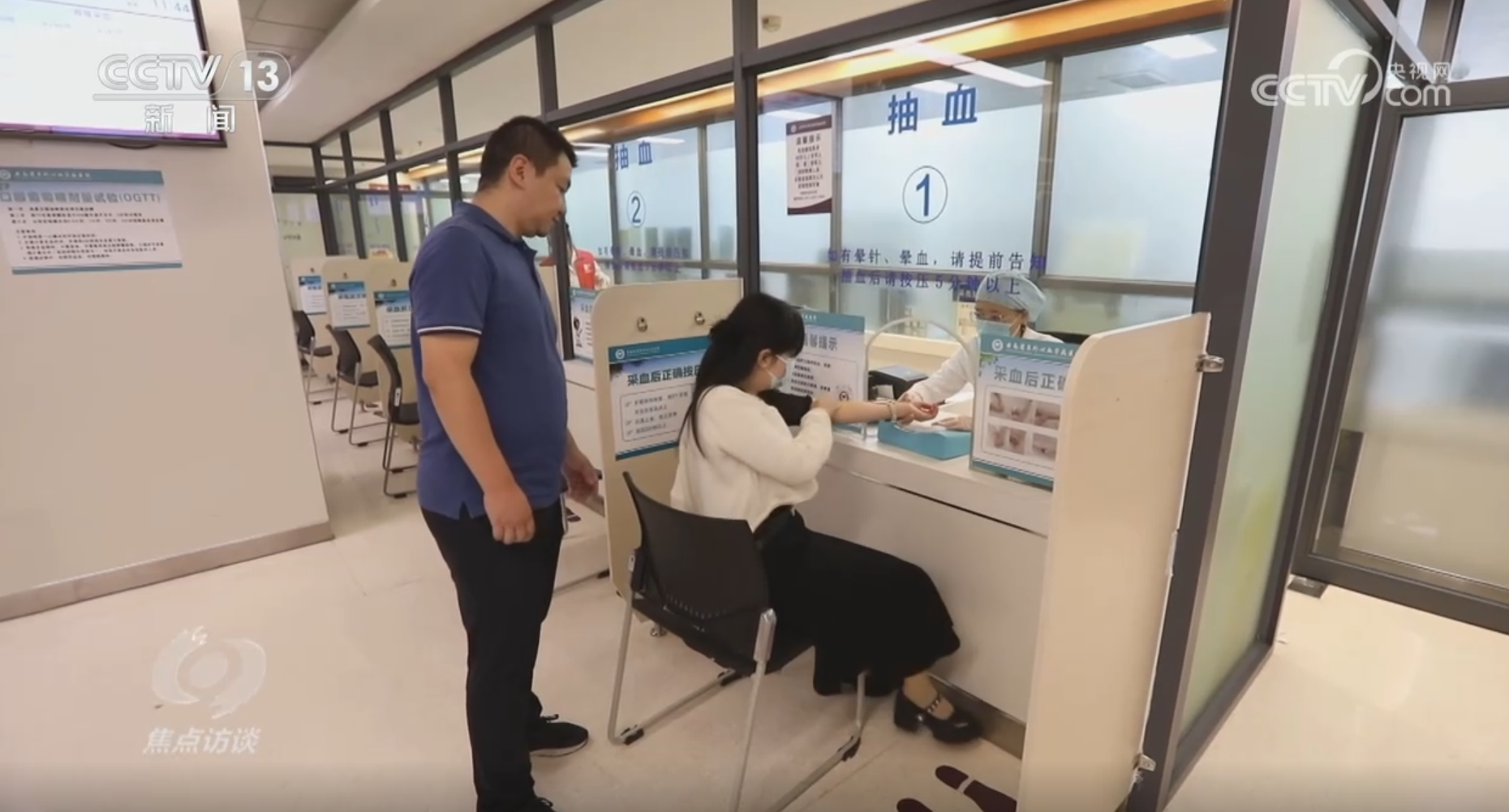
赋能紧密型县域医共体,广州GPO平台累积服务538家医院
2 1 Shi Ji Jing Ji Bao Dao· 2025-09-02 11:27
Core Insights - Guangzhou GPO platform has successfully launched an integrated procurement model for county medical communities, enhancing resource allocation and support for grassroots healthcare services [1][2] - The platform has served 538 hospitals and processed over 300,000 effective orders, with a total transaction amount exceeding 700 million yuan [2] Group 1 - The integrated procurement model allows for unified pricing, contracting, and purchasing among county medical community hospitals, improving procurement efficiency and ensuring medication safety [1] - The initiative is part of Guangdong province's strategy to enhance healthcare resource distribution and establish national-level demonstration models [1][2] Group 2 - By August 2025, the Guangzhou GPO platform aims to continue leveraging its technological and resource advantages to support hospitals and bridge the last-mile delivery gap in pharmaceutical distribution [2]
守护生命线 做实大民生
He Nan Ri Bao· 2025-07-24 00:24
Core Viewpoint - The Henan Provincial Health Commission has identified ten pressing healthcare issues faced by the public and proposed a series of targeted measures to address these concerns, reflecting a commitment to improving healthcare services in the region [5][20]. Group 1: Strengthening Basic Healthcare - The goal is to establish tight-knit county medical communities, with over 90% of counties expected to be developed into such systems this year [8]. - Plans include adding 100 county-level medical centers to reach the service capacity of secondary hospitals and upgrading around 300 weak township health centers [8]. - The province aims to recruit 500 university graduate village doctors and provide training for 1,000 existing village doctors to enhance the healthcare workforce [9]. Group 2: Smart Healthcare Innovations - AI technologies such as AI triage and smart pre-consultation will be widely promoted to improve patient experience and reduce waiting times [10]. - The integration of electronic medical records with regional healthcare platforms is planned to streamline services throughout the hospitalization process [10][11]. - The province will also explore the development of chronic disease management apps to offer personalized services like medication reminders and remote follow-ups [10]. Group 3: Improving Patient Experience - Efforts are underway to enhance hospital environments, including the renovation of key wards and addressing parking difficulties through partnerships with local businesses [11][12]. - The province plans to expand the mutual recognition of medical examination results to over 300 items by the end of the year, facilitating smoother patient care [11][20]. - Initiatives to reduce upfront hospitalization costs are being implemented to alleviate financial burdens on patients [20]. Group 4: Emergency Medical Services - The establishment of a comprehensive emergency medical information platform is a priority to ensure seamless communication between pre-hospital and in-hospital emergency services [14][15]. - The development of a smart map for critical maternal and neonatal care is also in progress to enhance resource allocation during emergencies [15]. Group 5: Focus on Vulnerable Populations - The province plans to add or upgrade 24,000 integrated medical and nursing beds to better serve the elderly and those with chronic conditions [16]. - There is a commitment to ensure that every city and county has access to palliative care facilities by 2025, expanding the availability of compassionate end-of-life care [17]. Group 6: Preventive Health Measures - The focus is shifting towards preventive healthcare, with initiatives aimed at increasing public health literacy by 2% by 2025 [19][20]. - Chronic disease prevention and management will be prioritized, with the establishment of multiple chronic disease prevention centers across the province [19].
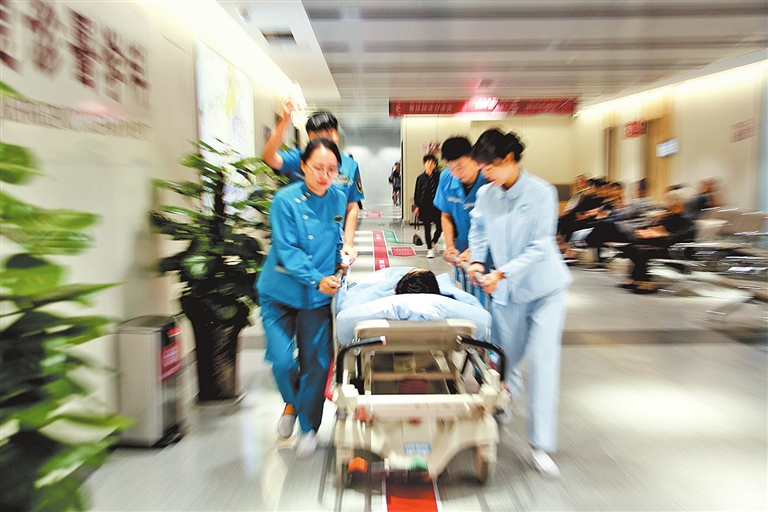
资源沉下去 服务提上来——基层治理启示之三
He Nan Ri Bao· 2025-05-10 23:14
Core Insights - The article emphasizes the importance of optimizing resource allocation in grassroots healthcare to enhance service delivery and meet public demands for accessible medical services [1][3] Group 1: Grassroots Healthcare Improvement - The establishment of a tight-knit county medical community is being explored in various regions, with county hospitals leading the integration of medical resources to provide efficient healthcare services [1][2] - The implementation of remote electrocardiogram (ECG) diagnostic centers allows for seamless data transmission and rapid diagnosis, significantly improving emergency response times for acute myocardial infarction patients [2][3] - Enhancing the capabilities of community hospitals and village clinics is crucial for addressing common illnesses and ensuring that patients can receive care close to home [2][3] Group 2: Resource Allocation and Technology Integration - The integration of technology in healthcare resource distribution is essential, particularly in rural areas, where improving diagnostic capabilities is as important as providing medical equipment [3] - The establishment of 172 tight-knit county medical communities across the province demonstrates a commitment to comprehensive healthcare coverage [3] - The "county-managed, township-utilized" model for healthcare personnel aims to facilitate the movement of medical staff and improve patient referral processes [3] Group 3: Educational Services Enhancement - The article draws parallels between healthcare and education, highlighting the need for comprehensive service delivery in higher education institutions to support student needs effectively [4] - The implementation of a "one-stop" student service model in universities enhances the management of student affairs through digital infrastructure and data-driven solutions [4] - The focus on integrating resources and utilizing technology in educational settings aims to address student demands and improve overall service quality [4]