陌生人社交

Search documents
中国最大约会App,成中老年人网恋专区
3 6 Ke· 2025-09-11 10:33
Core Viewpoint - Momo, once a leading dating app, is experiencing a significant decline in user engagement and revenue, particularly among younger demographics, as it struggles to adapt to changing social preferences and competition from newer platforms [1][3][4]. Group 1: Financial Performance - Momo's total revenue for Q2 was 2.62 billion yuan, a year-on-year decrease of 2.6%, marking the 22nd consecutive quarter of revenue decline since Q4 2020 [1]. - The number of paying users has plummeted from 7.2 million to 3.5 million year-on-year, representing a 51.4% decrease [1]. - The monthly active users of Momo's other dating app, Tantan, fell from 12.9 million to 10.2 million, with paying users dropping by 30% to 700,000 [1]. Group 2: User Demographics and Preferences - Momo's user base is increasingly skewed towards older demographics, with over 75% of users aged 25 and above, and nearly half of male users aged 41 and older [9]. - The app's original model, which focused on location and appearance, is now considered outdated by younger users who prefer connecting based on shared interests and values [4][9]. - The shift in user demographics has led to Momo becoming a platform primarily for middle-aged and older users, with a notable lack of engagement from younger individuals [4][10]. Group 3: Revenue Streams and Challenges - Momo's revenue has heavily relied on live-streaming services, which have seen a decline due to regulatory scrutiny and competition from platforms like Douyin and Kuaishou [10]. - The spending habits of older users are less robust compared to younger users, making it difficult for Momo to sustain its financial performance [10]. - The company is attempting to control costs to mitigate revenue decline but is still searching for effective strategies for recovery [12].



小红书开测语音评论功能,或是要再战语音社交
3 6 Ke· 2025-07-28 01:50
Core Insights - Xiaohongshu has introduced a voice comment feature currently in beta testing, allowing users to leave audio comments that can be played back by others [1] - The shift in focus for internet platforms is moving from user growth to enhancing user engagement and interaction [3][5] - Voice communication is seen as a natural way to convey emotions and can lower the barriers for users to express their thoughts compared to text [3][5] Group 1: User Engagement and Interaction - The introduction of voice comments is part of a broader trend among platforms to increase user interaction and engagement [3][5] - Other platforms like WeChat are also testing new interactive features, indicating a competitive landscape focused on user retention [3][5] - Xiaohongshu's previous attempts at social features, such as "Voice Scene" and "Xiu Xiu," highlight its ongoing exploration in the social domain [5][7] Group 2: Strategic Direction - Xiaohongshu's recent brand upgrade from "lifestyle guide" to "lifestyle interest community" suggests a strategic pivot towards fostering stronger social connections [7] - The testing of voice comments may indicate Xiaohongshu's intent to further develop its social capabilities, particularly in voice-based interactions [7][8] - The voice social space is relatively underdeveloped, with few successful applications, indicating potential for growth despite existing challenges [8][10] Group 3: Challenges and Considerations - The implementation of voice comments may face regulatory and cost challenges due to the complexities of audio content moderation [7] - Privacy concerns arise with voice comments, as background sounds could reveal personal information, raising security issues [7] - The overall demand for social interaction may be waning, particularly in the context of competing entertainment options like short videos [10]

陌陌与探探付费用户5年1期降 挚文集团如何破萎缩难题
Zhong Guo Jing Ji Wang· 2025-06-11 03:18
Core Insights - The core viewpoint of the articles highlights the declining revenue and user base of Zhiyuan Group, particularly through its apps Momo and Tantan, indicating challenges in the social networking industry [1][2]. Financial Performance - Zhiyuan Group reported a net revenue of 2.521 billion yuan for Q1 2025, a year-on-year decrease of 1.5% [1] - The net profit attributable to the company was 358 million yuan, showing a significant year-on-year increase of 6815.3% [1] - Revenue from mainland China was 2.106 billion yuan, down 9.5% from 2.319 billion yuan in the same period last year [1] - Overseas revenue reached 415 million yuan, marking a year-on-year increase of 72% [1] - The company anticipates total net revenue for Q2 2025 to be between 2.57 billion and 2.67 billion yuan, reflecting a year-on-year decline of 4.5% to 0.8% [1] User Metrics - Momo app had a total of 4.2 million paying users in Q1, down from 7.1 million in the same period last year, a decrease of 2.9 million users [1] - Tantan app reported 800,000 paying users in Q1, down from 1.1 million, a reduction of 300,000 users [1] - Both Momo and Tantan have experienced a continuous decline in paying user numbers over the past five years [1][2] Industry Context - The decline in paying users for Momo and Tantan is attributed to a shift in user preferences from superficial social interactions to deeper connections driven by interests [2] - Competitors like Soul and Xiaohongshu have gained traction among younger users, indicating a shift in the social networking landscape [2]
20年后,还会不会再出现一款超级现象级的社交产品?
3 6 Ke· 2025-06-06 09:49
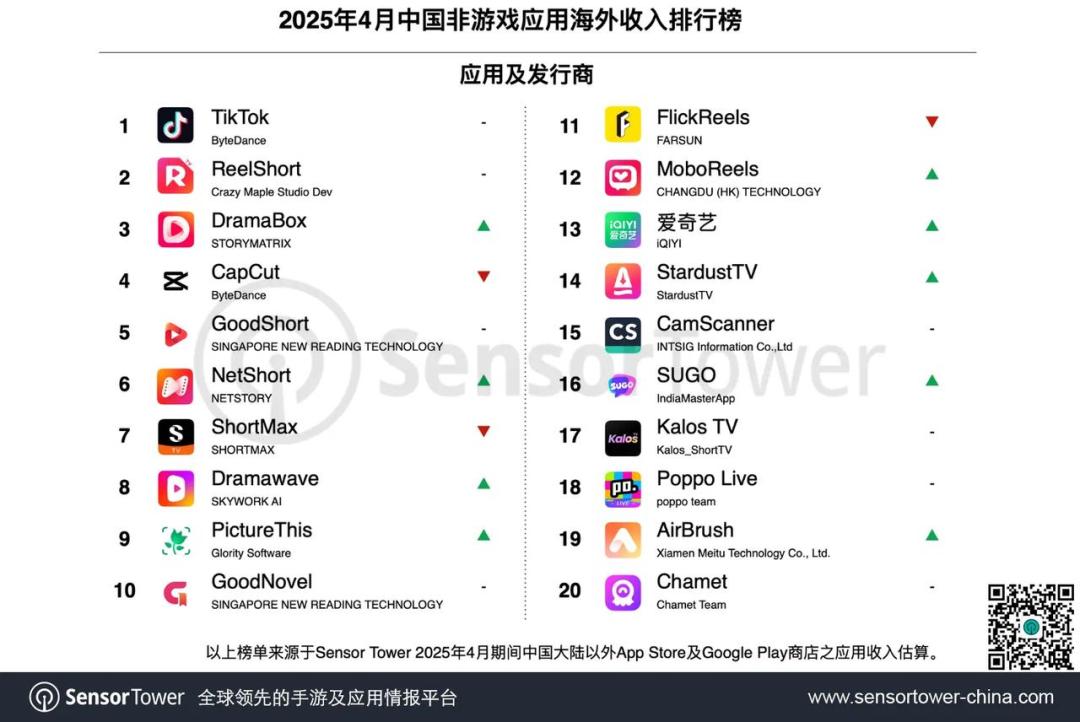
Group 1 - The article discusses the evolution of social networking, highlighting the rise and potential decline of stranger social networking platforms, suggesting that the market is at a crossroads [1][10] - It notes that since the pandemic, the stranger social networking market has been gradually disappearing from the top rankings of non-gaming applications [1][10] - The article references a recent SensorTower report indicating that only a few newer and established social applications remain in the overseas non-gaming app revenue rankings, with a notable rise in short video products [2][4] Group 2 - The article emphasizes the importance of understanding user needs and experiences, citing the failure of platforms like Renren due to poor user experience and misalignment with user demands [7][13] - It discusses the concept of "leap of faith" in entrepreneurship, which involves making bold assumptions about user needs and societal trends to create new value [6][8] - The article argues that despite apparent declines in social app data, the fundamental human needs for connection and interaction remain unchanged, suggesting that the demand for social products is still present [12][13]

时代变了,互联网不再需要陌生人社交
3 6 Ke· 2025-04-22 12:35
Core Insights - Momo, once a leading social app, is facing significant challenges as evidenced by its parent company, Zhihu Group, reporting a total revenue of 10.563 billion, a year-on-year decline of 11.99%, and a net profit of only 1.04 billion, down 46.89% [2] - The decline in Momo's performance reflects a broader trend in the stranger social networking sector, where no new giants have emerged to replace it, indicating a shift in user preferences towards "light social" interactions [2][6] Industry Trends - The mobile internet landscape is shifting, with short video and chat applications dominating user engagement; average daily usage time for short videos is 138.4 minutes compared to 68.5 minutes for chat applications [3] - Community social applications have seen a growth rate of 9.2% in monthly usage time, aligning with the rise of platforms like Douyin and Xiaohongshu, which cater to younger users' preferences for low-cost, emotionally rewarding social interactions [5] User Behavior Changes - A survey indicated that 77.4% of young respondents believe "light social" interactions are becoming more common, with 81.9% of those from the post-2000 generation agreeing [5] - Young users are increasingly favoring platforms that allow for interest-based connections over traditional stranger social apps, which focus on quick matching [6][7] Challenges for Stranger Social Apps - Despite the rise of interest-based social products, many have failed to achieve sustainable growth, with examples like Jimo and QQ's interest community shutting down [8][9] - The core issue for stranger social apps lies in their inability to create a rich content environment that fosters genuine interest-based connections, leading to user disengagement [11] Economic Factors - The "loneliness economy" has led to a rise in alternative companionship options, such as pet ownership and AI companionship, which are increasingly preferred by young people over traditional social networking [14][12] - The commercial viability of stranger social apps is under scrutiny, as evidenced by Momo's declining revenue from live streaming services, which fell by 22.6% to 16.1% from 2020 to 2024 [15][17] Commercialization Issues - The monetization strategies of stranger social apps often fail to resonate with users, leading to a lack of willingness to pay for services that do not guarantee quality interactions [18] - The disparity in user expectations based on gender has created a challenging environment for monetization, with many male users feeling exploited in the pursuit of female attention [18][19]