革命

Search documents
王璞|先锋革命之梦:《超现实主义宣言》一百年
Xin Lang Cai Jing· 2025-06-09 03:49
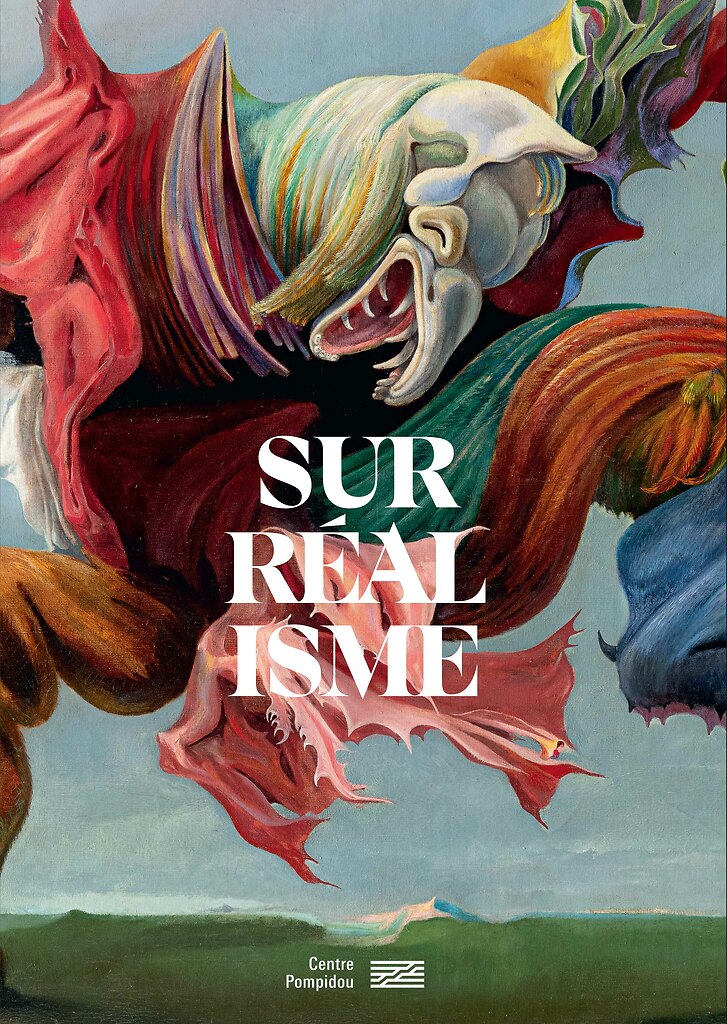
Core Perspective - The article discusses the centenary exhibition "Surrealism, First and Forever" at the Pompidou Center, commemorating André Breton's "Manifesto of Surrealism" published in 1924, highlighting the enduring spirit and unfinished goals of surrealism [1][3][24]. Group 1: Historical Context - Surrealism emerged between the two World Wars as a significant cultural movement in Europe, described by Walter Benjamin as a snapshot before the cultural catastrophe [2]. - The movement quickly spread globally, influencing various cultures, including China during its New Culture Movement [2]. Group 2: Exhibition Design and Themes - The exhibition is designed as a "maze" to reflect the spatial concepts of surrealism, featuring thirteen themes such as "The Path of Dreams" and "Monsters" [9][12]. - The entrance of the maze is modeled after a monstrous mouth, symbolizing the entry into a dream space, reminiscent of historical surrealist venues [13]. Group 3: Key Works and Artists - The exhibition prominently features Breton's original manuscript of the "Manifesto of Surrealism," emphasizing its philosophical and revolutionary significance [21][24]. - Max Ernst's works are highlighted, particularly his series "Woman: 100 Heads," showcasing the theme of unexpected encounters in surrealism [29][31]. Group 4: Surrealism's Legacy and Influence - The article reflects on surrealism's role as a necessary entry point for avant-garde dreams, suggesting that it remains relevant in contemporary discourse [3][24]. - The relationship between surrealism and political movements is explored, indicating that surrealism has historically been intertwined with revolutionary ideals [24][26].

少年中国之少年的形塑
Xin Lang Cai Jing· 2025-05-08 04:46
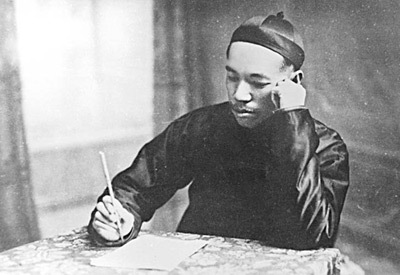
Group 1 - The concept of "youth" and "young China" became familiar among Chinese intellectuals by 1905, influenced by Liang Qichao, leading to a wave of revolutionary and literary figures adopting "youth" as part of their identity [1][3] - The late Qing Dynasty was marked by a sense of optimism among progressive intellectuals who sought to revitalize traditional values to rejuvenate the nation, seeing opportunities for change amidst the collapse of the Qing Empire [3][5] - The emergence of modern education in China began during the Self-Strengthening Movement in the 1860s, with institutions established to teach foreign languages and modern sciences, culminating in systemic reforms in 1898 [4][5] Group 2 - The abolition of the imperial examination system in 1905 marked a significant shift in the educational landscape, allowing for the establishment of modern schools that fostered new ways of thinking and social engagement among youth [5][10] - Prominent intellectuals like Lu Xun and Guo Moruo experienced transformative moments in modern schools, which shaped their understanding of modernity and individual identity [6][9] - The modern student movement began in 1902, with students organizing politically motivated groups, reflecting a growing sense of national consciousness and activism among the youth [15][16] Group 3 - The rise of modern education created a foundation for student movements, which became crucial in the revolutionary activities leading up to the 1911 Revolution, as students sought to liberate themselves from traditional constraints [10][15] - The narrative of youth in revolutionary literature often highlighted the tension between individual self-realization and collective national identity, as seen in the works of various authors [29][30] - The ideals of personal freedom and ethical self-awareness became central themes in the literature of the time, reflecting a broader cultural shift towards modernity and individualism [30][29]