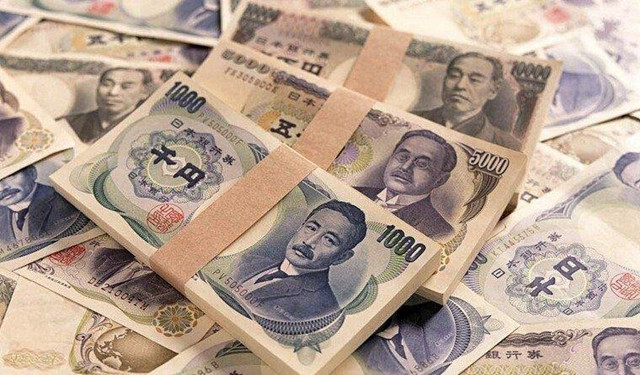
黑金丑闻

Search documents
日本自民党推举37名涉“黑金”丑闻成员参选引争议
Xin Lang Cai Jing· 2026-01-23 13:45
Group 1 - The upcoming Japanese House of Representatives election is scheduled for February 8, with the ruling Liberal Democratic Party (LDP) facing criticism for including 37 candidates linked to the "black money" scandal in their candidate list [1] - The LDP has nominated 284 candidates for the election, which has sparked public outrage and accusations of underestimating voter sentiment regarding secret funding issues [1] - Opposition parties plan to aggressively target the LDP in the election, highlighting the party's endorsement of candidates involved in the scandal [1] Group 2 - The "black money" scandal involves multiple factions within the LDP imposing sales targets on their members for political fundraising party tickets, with excess funds returned to lawmakers as "kickbacks," creating unregulated secret funds [2] - As a result of the scandal, several LDP members faced disciplinary actions, and multiple factions were disbanded [2]
日本自民党,再被告发
第一财经· 2025-12-04 05:18
Core Viewpoint - The article discusses allegations against Japanese Defense Minister Kono Shinjiro regarding the illegal acceptance of corporate donations by his political party branch, highlighting a breach of political funding regulations in Japan [3][4]. Group 1: Allegations and Legal Issues - Kono Shinjiro's political party branch received a donation of 10 million yen from a company in Osaka on December 10 of the previous year, exceeding the legal limit of 7.5 million yen for that company [3]. - A whistleblower, Professor Ueha Hiroyuki from Kobe University, submitted a complaint to the Yokohama District Public Prosecutors Office regarding this violation [3]. Group 2: Political Scandals and Public Sentiment - The article references a broader scandal involving the ruling Liberal Democratic Party (LDP), where multiple factions pressured their members to sell political fundraising party tickets, with excess funds being returned to lawmakers as "kickbacks," creating unregulated secret funds [4]. - Following the appointment of Prime Minister Suga Yoshihide, several lawmakers implicated in the "black money" scandal were given significant positions within the cabinet and the LDP, which has led to public discontent, with over 70% of Japanese citizens opposing this practice according to a survey [4].


首相高市“没有反省”,信任恢复“无从谈起”,日本“金钱政治”困境为何难解?
Huan Qiu Shi Bao· 2025-11-20 22:49
Core Points - The article discusses the political turmoil in Japan following Prime Minister Sanna Takashi's controversial appointments of officials involved in "black money" scandals, raising concerns both domestically and internationally [1][4][6] - There is a growing public distrust towards the ruling Liberal Democratic Party (LDP) due to ongoing issues related to political funding and corruption, with nearly 40% of respondents in a poll identifying "politics and money" as a key issue in the LDP presidential election [2][4] Group 1: Political Appointments and Controversies - Prime Minister Takashi has appointed several officials linked to "black money" scandals, including Koichi Hagiuda, who was previously penalized for a scandal involving 27.28 million yen [4][5] - Another controversial appointment is Satoshi Sato, who received over 3 million yen in unreported funds during his tenure as a government official, leading to strong opposition from the opposition party [5][6] - Takashi's appointments have been criticized for potentially causing chaos in the National Diet, yet she expressed deep trust in these officials, stating her intention to allow them to utilize their talents [5][6] Group 2: Political Funding Issues - The article highlights the systemic issues of "money politics" in Japan, which are intertwined with long-standing fundraising practices and institutional loopholes [1][11] - The Political Funds Control Law, established in 1948, has undergone multiple revisions but still contains significant loopholes that allow for the exchange of money and political power [9][10] - Despite reforms aimed at increasing transparency and accountability, the effectiveness of these measures remains limited due to the existence of gray areas and a lack of independent oversight [10][11] Group 3: Cultural Context and Public Perception - Japanese political culture emphasizes personal relationships and favors, which complicates the perception of political funding as corruption [12][13] - There is a complex public sentiment towards "money politics," where citizens express disappointment over scandals but also exhibit a degree of tolerance, believing that all politicians engage in similar practices [13][14] - The dissolution of the "Abe faction" and the rise of Takashi as the first female Prime Minister were seen as symbolic changes, yet many analysts argue that these shifts are superficial and do not address the underlying issues of political funding and corruption [14]
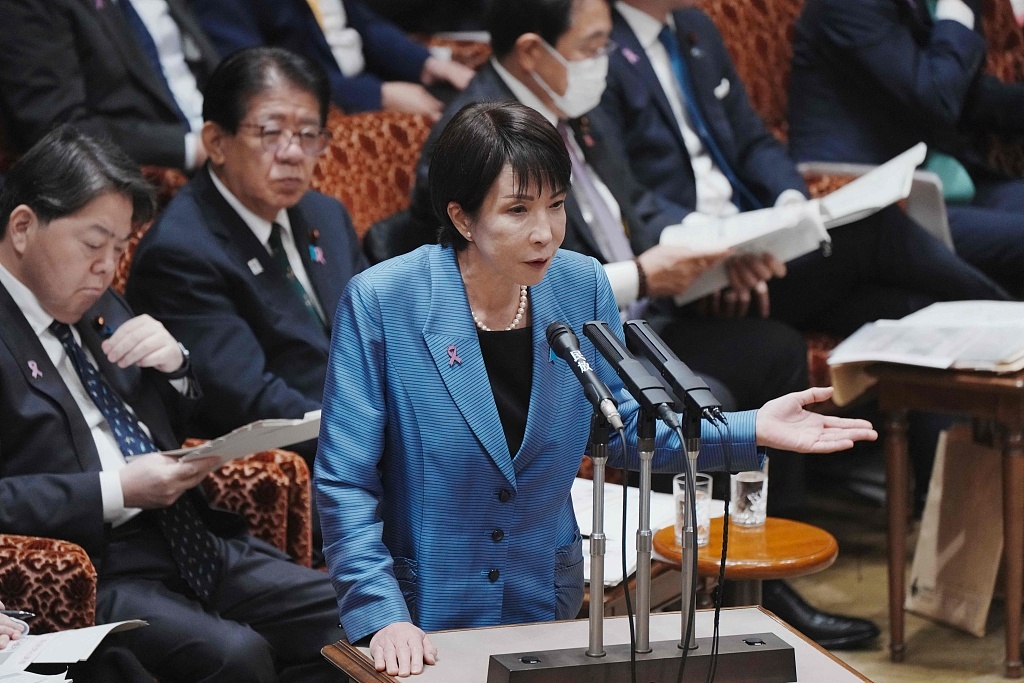
“必须作出修正!”老搭档公明党为何与高市早苗闹翻?
Zhong Guo Xin Wen Wang· 2025-11-18 03:05
Core Viewpoint - The recent controversial statements made by Prime Minister Kishi Sanae have led to significant criticism from within the Japanese political landscape, particularly from Komeito Party leader Saito Tetsuo, who has called for a correction of Kishi's remarks to reassure the public [1][10]. Group 1: Political Dynamics - Kishi Sanae has expressed intentions to amend Japan's National Security Strategy and other related documents by 2026, raising concerns about potential changes to the "Three Non-Nuclear Principles" [4]. - The Komeito Party has reaffirmed its commitment to the "Three Non-Nuclear Principles," emphasizing the need for responsible security measures to maintain peace and safety for the Japanese people [4]. - The longstanding coalition between the Komeito Party and the Liberal Democratic Party (LDP) has been strained, culminating in Komeito's decision to withdraw from the coalition, marking a significant political shift [5][6]. Group 2: Internal Conflicts - The coalition's breakdown is attributed to the fallout from the "black money" scandal, which has negatively impacted public perception and electoral performance for the LDP, leading to a loss of seats for Komeito [6][8]. - Kishi's appointment of several officials linked to the "black money" scandal to key cabinet positions has exacerbated tensions with Komeito, which has historically opposed such appointments [7][8]. - The relationship between Komeito and the LDP has deteriorated further due to past criticisms from LDP figures, particularly regarding security policy, leading to a complete rupture of their alliance [8]. Group 3: Public Response and Future Outlook - Kishi's controversial remarks have sparked public protests, with demonstrators calling for his resignation and questioning his qualifications for leadership [10]. - The current political landscape presents challenges for Kishi, as the government faces a "double minority" situation in both houses of parliament, complicating fiscal and monetary policy decisions amid rising living costs and economic stagnation [10].
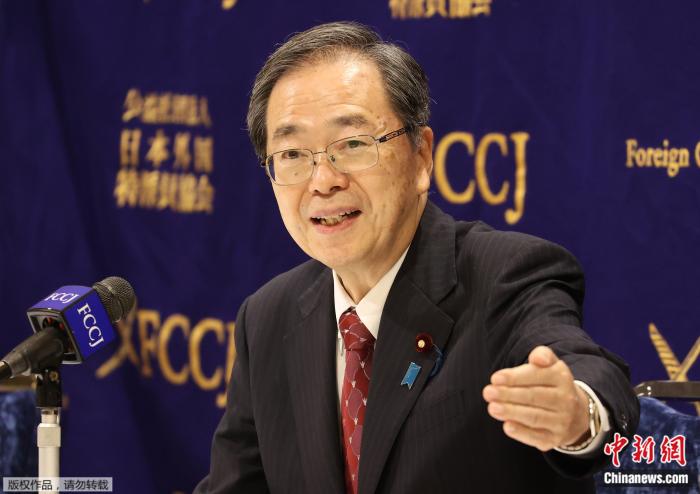
高市早苗首相之路悬了?日本首相指名选举被推后
第一财经· 2025-10-10 08:34
Core Viewpoint - The article discusses the challenges faced by Japan's new Prime Minister candidate, Sanae Takaichi, following her election as the president of the ruling Liberal Democratic Party (LDP) amid a significant loss of parliamentary majority, raising questions about her ability to secure the premiership [3][4]. Group 1: Political Context - Takaichi won the LDP presidential election on October 4, but her path to becoming Japan's first female Prime Minister is complicated by the LDP's minority status in the Diet [3]. - The scheduled Prime Minister nomination vote on October 15 has been delayed, marking the longest preparation period for a new LDP president in history [3][4]. - The Komeito party, traditionally an ally of the LDP, has indicated a potential withdrawal from the ruling coalition, complicating Takaichi's position [4][6]. Group 2: Coalition Dynamics - The longstanding "LDP-Komeito coalition" has been under strain, particularly with Takaichi's election, which has raised concerns within Komeito about the LDP's direction [6][7]. - Komeito has set conditions for continued support, including demands to address political scandals and historical issues, which have not yet been fully resolved [7][8]. - Takaichi's reliance on the Aso faction within the LDP, which is linked to past political scandals, may hinder her ability to gain broader support [8]. Group 3: Opposition Parties - The opposition parties, particularly the Constitutional Democratic Party (CDP), are positioning themselves to capitalize on the LDP's internal divisions, proposing a unified candidate for the upcoming nomination vote [9][10]. - Despite the potential for collaboration among opposition parties, significant policy differences may impede their ability to present a united front against the LDP [10]. - Takaichi's success in securing the premiership may depend on her ability to negotiate with both Komeito and opposition parties, as the current political landscape is fraught with uncertainty [10].
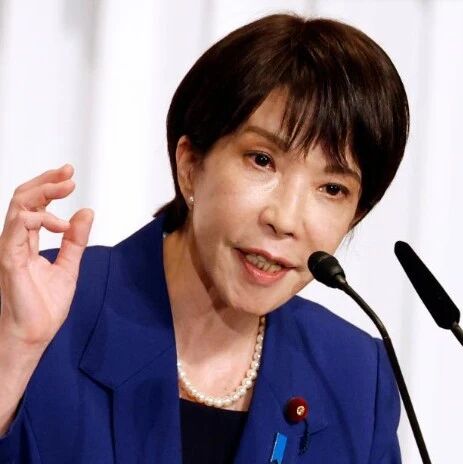
日本检方将起诉自民党“黑金”丑闻涉事者
Xin Hua She· 2025-08-04 02:12
Core Viewpoint - The Tokyo Prosecutor's Office is set to prosecute the secretary of senior ruling party member Koichi Hagiuda in connection with the "black money" scandal involving the Liberal Democratic Party (LDP), which may impact Hagiuda's efforts to pressure Prime Minister Shun'ichi Ishiba to resign [1][2]. Group 1: Scandal Details - The "black money" scandal involves multiple factions within the LDP setting sales targets for their members to sell political fundraising party tickets, with excess funds returned to the lawmakers as "kickbacks" [1]. - The total amount of "black money" associated with Koichi Hagiuda is reported to be 27.28 million yen (approximately 1.33 million RMB), leading to internal disciplinary actions against him [1]. Group 2: Legal Actions and Implications - The Prosecutor's Office decided not to prosecute Hagiuda himself due to "insufficient evidence," but will pursue legal action against his secretary for evidence destruction and other illegal activities [1]. - This marks the first instance of the Prosecutor's Office holding individuals criminally accountable in relation to the "black money" scandal [1].
深陷“黑金”丑闻 日本自民党原“安倍派”正式解散
news flash· 2025-06-25 06:31
Core Viewpoint - The former "Abe faction" of the ruling Liberal Democratic Party in Japan has officially dissolved, submitting a report to the Minister of Internal Affairs on June 25, amid a scandal involving "black money" [1] Group 1 - The dissolution of the faction was a direct response to the ongoing scandal, indicating significant political repercussions within the ruling party [1] - The report was submitted on the same day as the dissolution, highlighting the urgency and seriousness of the situation [1]
日本政坛“黑金丑闻”再现,首相石破茂能否带领自民党“突围”7月改选?
Di Yi Cai Jing· 2025-05-14 08:31
Core Viewpoint - The recent bribery scandal involving Japanese Prime Minister Shigeru Ishiba has raised concerns about his leadership and the upcoming July Senate elections, with his approval ratings declining significantly [1][3]. Group 1: Bribery Scandal - Shigeru Ishiba has been accused of accepting illegal political donations totaling 30 million yen from a Tokyo real estate company over the past decade, which were provided in the form of banquet tickets and election campaign funds [1][3]. - The scandal has prompted a collective response from opposition parties, with calls for Ishiba's resignation becoming more pronounced [3]. - The political funding report, which is crucial for transparency in Japanese politics, has not included these donations, further eroding public trust [3][4]. Group 2: Political Context - The upcoming Senate elections on July 3 will see 315 candidates vying for 248 seats, with Ishiba's Liberal Democratic Party needing at least 125 seats to maintain a majority [6]. - The previous "black money scandal" has already weakened the ruling coalition's position, leading to significant losses in the October 2024 House of Representatives elections [6]. - Ishiba's government is currently perceived as a minority government, facing challenges in regaining public trust and addressing the fallout from past scandals [6][4]. Group 3: Economic Concerns - Ishiba's administration is also grappling with the impact of U.S. tariffs on Japanese industries, particularly the automotive sector, with limited progress in negotiations [7]. - Japan's GDP for the first quarter is expected to show signs of contraction, indicating economic weakness prior to the full impact of U.S. tariffs [7].