AI安全治理

Search documents
独家|姚期智:AGI时代比想象中来得快,安全治理是一个长期工作
Di Yi Cai Jing· 2025-07-26 13:35
Group 1 - The core issue of AI governance is the potential for artificial intelligence to surpass human intelligence, raising concerns about control and alignment with human values [1][2] - The WAIC event highlighted the urgency of AI safety, emphasizing that AI's security lacks theoretical guarantees compared to traditional algorithm designs [1][2] - The "Shanghai Consensus" calls for global cooperation among governments and researchers to ensure advanced AI systems remain aligned with human control and welfare [2][3] Group 2 - The consensus stresses the need for major countries to coordinate on credible safety measures and invest in AI safety research to build trust at the international level [3] - It advocates for AI developers to provide safety assurances and for the establishment of verifiable global behavioral red lines [3] - The future impact of AI is uncertain, but effective governance could lead to improved living conditions for people worldwide [3] Group 3 - Young individuals are encouraged to strengthen foundational skills in mathematics, physics, and computer science to adapt to rapid technological changes [5] - Continuous self-learning and adaptability are identified as essential for future job security in a fast-evolving world [5]


AI独角兽Anthropic迎来强援:奈飞(NFLX.US)创始人加入董事会
智通财经网· 2025-05-29 04:02
Group 1 - Anthropic has appointed Reed Hastings, the chairman of Netflix, to its board of directors, a decision made by the company's long-term interests trust committee [1] - Hastings brings extensive board experience from notable companies such as Microsoft, Bloomberg, and Meta, and has been a co-founder and CEO of Netflix since its inception in 1997 until 2023 [1] - Hastings expressed his belief in the potential benefits of AI for humanity while acknowledging its economic, social, and security challenges, aligning with Anthropic's vision for AI development [1] Group 2 - Anthropic's research plan aligns closely with Hastings' focus on the human impact of technology during his tenure at Netflix and through his global health and education initiatives [2] - The company, currently valued at $61.5 billion, aims to remain competitive in the AI arms race led by OpenAI, Google, and Microsoft, while emphasizing the importance of AI safety governance [2]

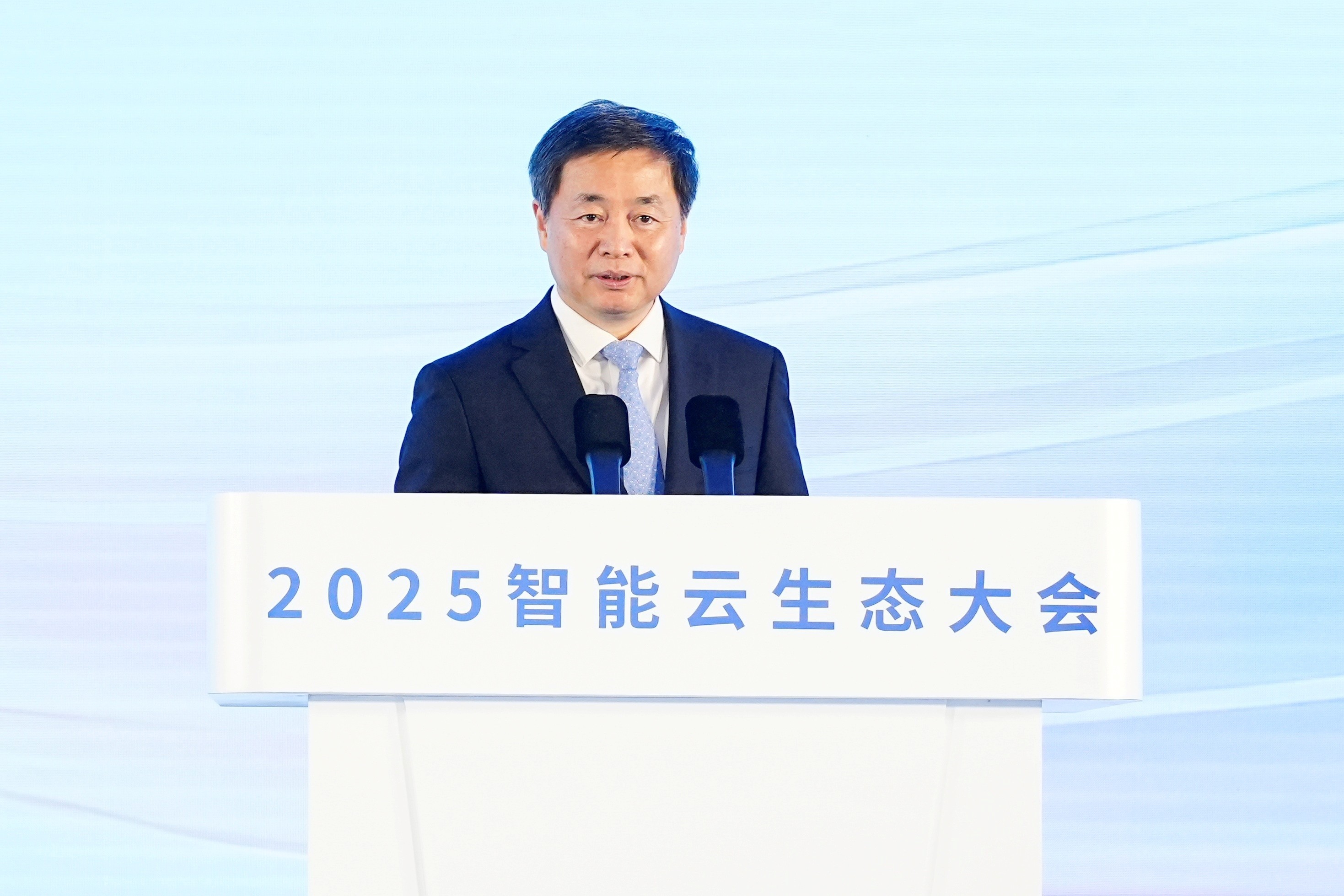
中国电信柯瑞文:今年是人工智能的规模应用元年
Mei Ri Jing Ji Xin Wen· 2025-04-30 08:29
Core Insights - China Telecom's Tianyi Cloud revenue has surpassed 100 billion yuan, indicating strong growth and a commitment to embracing artificial intelligence for building an intelligent cloud capability system [1] Group 1: AI Infrastructure and Services - In the IaaS layer, China Telecom plans to advance intelligent computing construction with an integrated AIDC (Artificial Intelligence Data Center) model combining "central cluster + edge DC" [6] - For the PaaS layer, the company will continue to upgrade its intelligent computing platform, offering one-stop computing power scheduling and AI development services [6] - In the DaaS layer, China Telecom aims to enhance its "Xinghai" data intelligence platform, promoting deep integration of proprietary, open-source, and third-party data sets [6] - The MaaS layer will see improvements in the capabilities of the "Xingchen" large model, focusing on complex reasoning and lightweight, low-cost deployment [6] Group 2: AI Market Trends and Challenges - 2023 is highlighted as the year of large-scale AI application, driven by new open-source AI technologies like DeepSeek that lower the barriers for computing power and algorithms [6] - The market is increasingly focusing on data and applications, reflecting a shift in priorities within the AI landscape [6] Group 3: AI Security Governance - AI security governance is deemed essential due to the unprecedented opportunities and risks posed by new technologies, including cultural bias, sensitive information leaks, and risks of model misalignment [6][7] - China Telecom plans to establish a comprehensive protection system covering infrastructure, data, content, algorithms, and applications to enhance data security [7] - A three-tier security risk classification system will be implemented, covering over 10 billion tokens, to improve code scanning, auditing, and tracing capabilities [7]