星辰大模型

Search documents
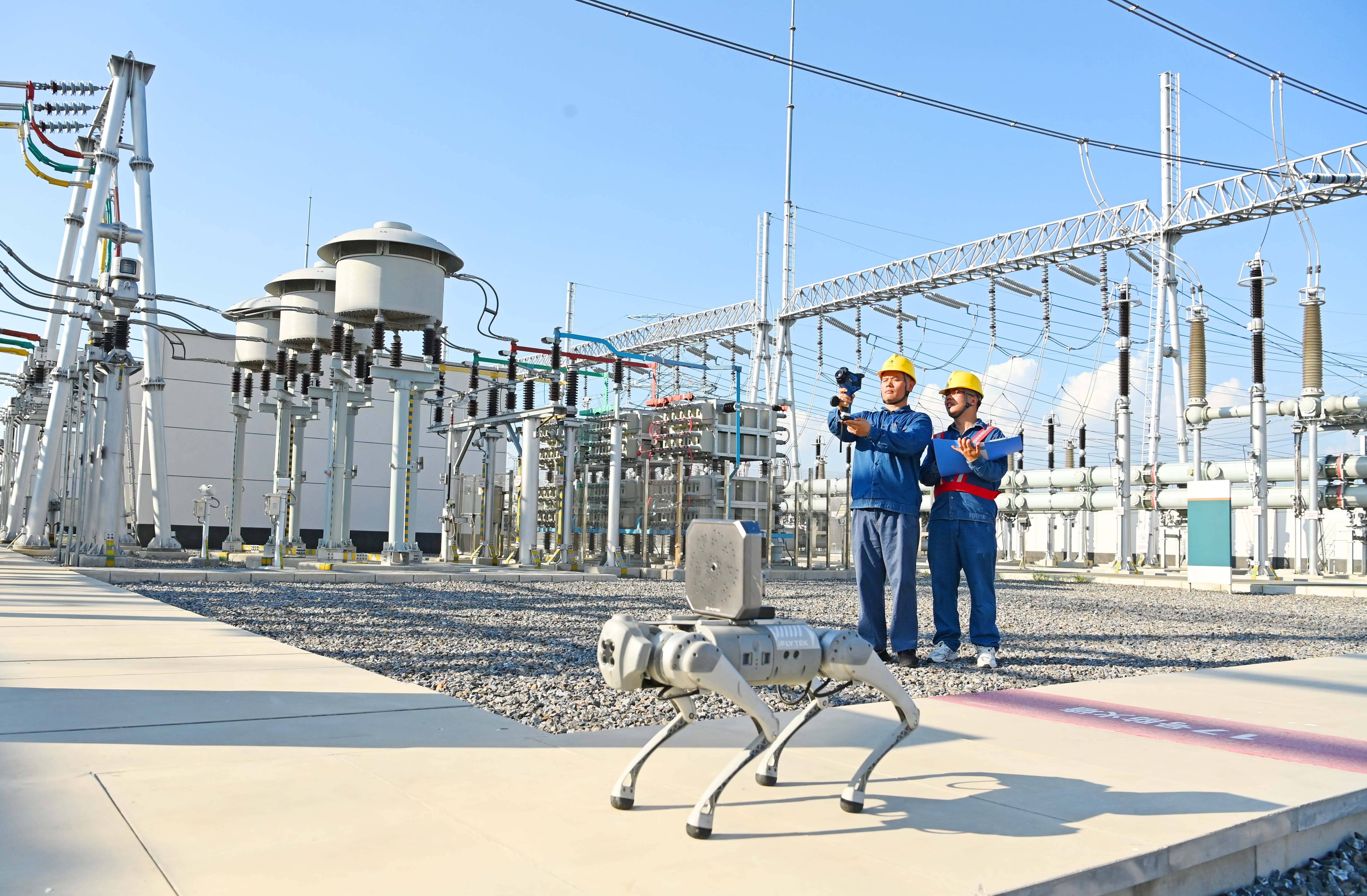
央企“AI+”专项行动成果显著,超千个应用场景落地
Yang Shi Xin Wen Ke Hu Duan· 2026-01-28 04:23
Core Insights - The State-owned Assets Supervision and Administration Commission (SASAC) emphasizes the importance of artificial intelligence (AI) as a key driver for technological revolution and industrial transformation, launching the "AI+" initiative to enhance the capabilities of central enterprises [1][2] Group 1: High-Value Applications - Central enterprises are focusing on key industries such as energy, manufacturing, and telecommunications, creating over a thousand application scenarios, with notable implementations in smart management and fault prediction by State Grid and Southern Power Grid [1] - AI is driving the transformation and upgrading of traditional industries, with examples including the use of intelligent robots in manufacturing and advanced models in rail transit equipment by China CRRC Group [1] Group 2: Computing Power Supply - Central enterprises are actively integrating into the national computing power layout, significantly increasing investment in computing resources, exemplified by the establishment of four "ten-thousand card clusters" by the three major telecom operators [1] - Platforms like "Xirang" and "Computing Network Brain" are being developed to provide standardized computing power services, focusing on low-cost and high-intelligence solutions [1] Group 3: Large Model Adaptation - The development of general large models such as China Mobile's "Jiutian" and China Telecom's "Xingchen" has empowered over 200 external units, accelerating applications in energy and industrial manufacturing [2] Group 4: Open Cooperation - Initiatives like the "Renew Community" are providing over 2,000 domestic intelligent computing chips for free to young entrepreneurs and tech enthusiasts, gathering over 4,000 models and 800 datasets to promote the widespread application of AI technology [2] Group 5: Future Actions - The SASAC plans to strengthen investment in AI, focusing on the "14th Five-Year Plan" for AI development, enhancing the construction and efficient utilization of information communication networks and computing power networks [3] - There will be an emphasis on cultivating application scenarios in key areas such as embodied intelligence and energy, aiming to create an "AI+" industry community [3] - The optimization of data supply will be prioritized, promoting the open development of data resources in sectors like transportation, smart energy, and financial services to support model optimization and large-scale application [3]
以“国云”之力,南京电信赋能千行百业迎来“智云时刻”
Yang Zi Wan Bao Wang· 2026-01-15 04:59
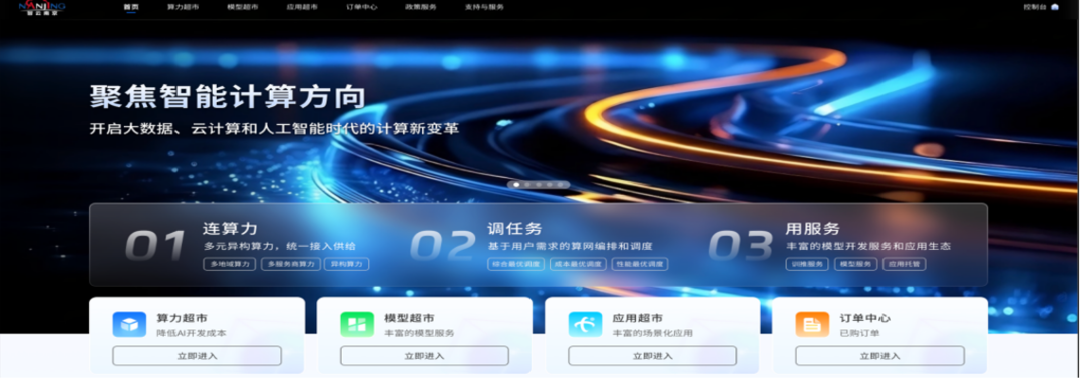
Core Insights - The article highlights the transformative impact of digital technology in Nanjing, emphasizing the role of the "Smart Cloud Nanjing" platform by China Telecom in driving the digital upgrade across various industries [1][2]. Group 1: Digital Transformation - "Smart Cloud Nanjing" serves as a key driver for digital transformation, moving beyond mere cloud tools to provide comprehensive solutions tailored to industry needs [4]. - The platform aims to break down barriers in traditional industries by integrating digital technology into the entire production cycle, enhancing operational efficiency [2][3]. Group 2: Industrial Empowerment - The platform has enabled significant advancements in local industries, such as the establishment of a 5G-connected dairy factory that produces 20,000 cups of milk per hour, showcasing the efficiency gains from digital integration [2]. - "Smart Cloud Nanjing" supports the implementation of AI-driven quality control systems in manufacturing, improving product quality through data algorithms rather than human judgment [3]. Group 3: Infrastructure and Security - The foundation of "Smart Cloud Nanjing" is built on the "National Cloud" infrastructure, which features a robust four-tier computing system and a comprehensive security framework, ensuring compliance and performance for high-end industrial applications [3][5]. - The platform has successfully integrated advanced industrial software, such as Dassault Systemes' 3DEXPERIENCE, into its cloud services, establishing a benchmark for high-end manufacturing cloud solutions [5]. Group 4: Future Mobility and AI Services - The platform is also focused on developing a unified "traffic brain" for low-altitude economic management, facilitating applications like drone logistics and emergency response [6]. - "Smart Cloud Nanjing AI STORE" offers a marketplace for AI resources, making advanced computing and AI capabilities accessible to small and medium enterprises, thus fostering innovation [9]. Group 5: Sustainable Development - The initiative emphasizes green and sustainable development by implementing energy-efficient practices in its computing infrastructure, aligning digital economic growth with environmental goals [9]. - The platform is building a comprehensive service system that supports data processing and application across various industries, enhancing the value of data as a core production element [10][11].


“5G工业互联网”迈向深度融合
Jing Ji Ri Bao· 2025-12-08 01:28
Core Insights - The "5G + Industrial Internet" initiative in China has surpassed 20,000 construction projects, entering a new phase of large-scale application [1] - The next steps include implementing "chain-network collaboration" actions in key industrial chains and enhancing research on the integration of 6G with industrial applications [1] Infrastructure Development - China has established over 300 influential industrial internet platforms, with more than 100 million industrial devices connected [2] - The average productivity of leading 5G factories has increased by 25%, product quality by 21%, and operational costs have decreased by 19% [2] - The industrial internet supply chain is nearly complete, with significant upgrades in chips, base stations, core networks, and terminal devices [2] - Over 1,200 5G factories have been built, with an investment exceeding 50 billion yuan, leading to notable improvements in manufacturing quality, operational costs, and efficiency [2] Standardization and Policy - China has taken the lead in formulating the world's first industrial 5G international standards, with over 100 national and industry standards established [3] - The Ministry of Industry and Information Technology aims to optimize the layout of new infrastructure and promote the integrated development of five key systems: network, identification, platform, data, and security [3] AI Integration - Artificial intelligence is reshaping the industrial internet landscape, with companies integrating 5G connectivity with AI capabilities for production optimization and supply chain collaboration [4] - China Telecom has developed a comprehensive intelligent cloud capability system, serving over 20,000 enterprise clients [4] - Various companies are creating industry-specific AI models to enhance operational efficiency across multiple sectors [4] Technological Advancements - The evolution of 5G-A (5G network evolution and enhancement) is expected to significantly support industrial upgrades, enhancing capabilities in visual inspection, motion control, and data connectivity [6] - The Ministry of Industry and Information Technology has initiated commercial trials for satellite IoT services, which will enhance data connectivity across various sectors [6] - The integration of IT, CT, OT, and DT technologies will continue to empower China's industrial system, accelerating the development of new productive forces [7]
【中国经济新看点】“5G+工业互联网”迈向深度融合
Jing Ji Ri Bao· 2025-12-06 23:21
Core Insights - China's "5G + Industrial Internet" construction projects have exceeded 20,000, entering a new stage of large-scale application [1] - The next steps include implementing "chain-network collaboration" actions in key industrial chains and enhancing research on the integration of 6G and industry [1] Infrastructure Layout - China has proactively laid out "5G + Industrial Internet" infrastructure, with over 300 influential industrial internet platforms and more than 100 million industrial devices connected [2] - The average capacity of the top 100 5G factories has increased by 25%, product quality improved by 21%, and operational costs reduced by 19% [2] - The "5G + Industrial Internet" industry chain is nearly complete, with significant upgrades in the supply system including chips, base stations, and core networks [2] - Over 1,200 5G factories have been built with an investment exceeding 50 billion, covering all 41 industrial categories [2] Application Expansion - The integration of artificial intelligence is reshaping the development of the industrial internet, with companies leveraging 5G's connectivity and AI's decision-making capabilities [4] - China Telecom has developed a comprehensive intelligent cloud capability system, serving over 20,000 enterprise clients [4] - The "5G + Industrial Internet" applications have transitioned from isolated breakthroughs to deep integration across various sectors [2][4] Technological Support - The development of technologies like 5G-A will enhance industrial capabilities, including visual inspection, motion control, and data connectivity [7] - The Ministry of Industry and Information Technology has initiated commercial trials for satellite IoT services, expanding the market supply and enhancing industry service capabilities [7] - The continuous integration of IT, CT, OT, and DT technologies will empower China's industrial system and accelerate the development of new productive forces [8]
“5G+工业互联网”迈向深度融合
Jing Ji Ri Bao· 2025-12-06 21:54
Core Insights - The "5G + Industrial Internet" initiative in China has surpassed 20,000 construction projects, entering a new phase of large-scale application [1] - The next steps include implementing "chain-network collaboration" actions in key industrial chains and enhancing research on the integration of 6G with industrial applications [1] Infrastructure Layout - China has proactively laid out infrastructure for "5G + Industrial Internet," with over 300 influential industrial internet platforms and more than 100 million industrial devices connected [2] - The establishment of a self-controlled industrial internet identification resolution system has been completed, and over 1,200 5G factories have been built, with an investment exceeding 50 billion [2] - The average capacity of leading 5G factories has increased by 25%, product quality by 21%, and operational costs have decreased by 19% [2] Application Expansion - The application of "5G + Industrial Internet" has expanded from isolated breakthroughs to deep integration across all 41 industrial categories [2] - More than 45,000 5G virtual/mixed private networks have been established nationwide, with over 80% of global 5G industrial modules originating from China [2] Standardization and Policy - China has taken the lead in formulating the world's first industrial 5G international standards, with over 100 national and industry standards established [3] - The Ministry of Industry and Information Technology aims to optimize the layout of new infrastructure and promote the integrated development of five major systems: network, identification, platform, data, and security [3] AI Integration - Artificial intelligence is reshaping the development landscape of the industrial internet, with companies integrating 5G connectivity with AI capabilities for production line optimization and supply chain collaboration [4] - China Telecom has developed a comprehensive intelligent cloud capability system, serving over 20,000 enterprise clients [4] Technological Support - The evolution of 5G—A (5G network enhancement) is expected to significantly support industrial upgrades, enhancing capabilities in key areas such as visual inspection and motion control [7] - The Ministry of Industry and Information Technology has initiated commercial trials for satellite IoT services, which will enhance industry service capabilities and support emerging sectors [7] Future Outlook - The continuous integration of IT, CT, OT, and DT technologies, along with advancements in 5G—A, 6G, and AI, will further empower China's industrial system and accelerate the development of new productive forces [8]
中国电信柯瑞文:加快建设新型数字信息基础设施
Zheng Quan Ri Bao Wang· 2025-12-06 07:47
Core Viewpoint - China Telecom is enhancing its intelligent cloud system and embracing artificial intelligence (AI) to drive digital transformation and innovation across various industries [1][2]. Group 1: Intelligent Cloud System Development - China Telecom has completed the construction of an intelligent cloud system, achieving a total computing power scale of 85 EFLOPS [1]. - The company is focusing on building a five-in-one intelligent cloud system that integrates computing power, platforms, data, models, and applications [1][2]. Group 2: Digital Infrastructure and AI Innovation - The company aims to accelerate the construction of new digital information infrastructure to support AI development, including upgrading networks and enhancing computing power infrastructure [2]. - China Telecom plans to enhance its "Starry Sky" large model capabilities and promote AI applications in personal and household scenarios, including AI smartphones and smart screens [3]. Group 3: Collaboration and Ecosystem Building - China Telecom is committed to deepening resource cooperation and fostering innovation through joint laboratories and innovation consortia, focusing on areas like large models and quantum technology [3]. - The company is also enhancing international cooperation in computing power, data, talent, and governance [3]. Group 4: AI Security and Governance - China Telecom is building a comprehensive AI security framework to protect its digital transformation efforts, including upgrading its network attack protection platform and developing quantum security products [4]. - The company is actively participating in the formulation of national AI governance frameworks and continuously improving its internal AI governance system [4].
中国电信董事长柯瑞文:加快推进算力基础设施建设
2 1 Shi Ji Jing Ji Bao Dao· 2025-12-06 03:53
Core Insights - China Telecom has made significant advancements in AI and digital infrastructure, showcasing its commitment to integrating AI across various sectors [2][3]. Group 1: AI Developments - China Telecom has established a smart cloud system with a total computing power of 85 EFLOPS, enhancing its AI capabilities [2]. - The company has developed over 200 intelligent service agents and 110 industry-specific large models, serving more than 20,000 industry clients [2]. - The quantum metropolitan network built by China Telecom covers 25 cities, with over 6 million users utilizing quantum secure communication [2]. Group 2: Infrastructure and Applications - The company is focused on building a new digital information infrastructure, including a space-ground integrated network and a new low-latency trunk optical cable system [3]. - China Telecom is accelerating the innovation of AI applications, enhancing the core capabilities of its "Starry Sky" large model, and promoting the widespread adoption of AI-enabled devices [3]. Group 3: Collaboration and Security - The company aims to deepen high-level cooperation to create a mutually beneficial ecosystem and enhance technological and industrial innovation [4]. - China Telecom is constructing a comprehensive AI security capability to establish a safety defense line for AI large models and applications, emphasizing the importance of AI governance [5].
2025数智科技生态大会开幕,高通孟樸:云强、网稳、端智能,推动AI真正普惠落地
Huan Qiu Wang· 2025-12-05 06:53
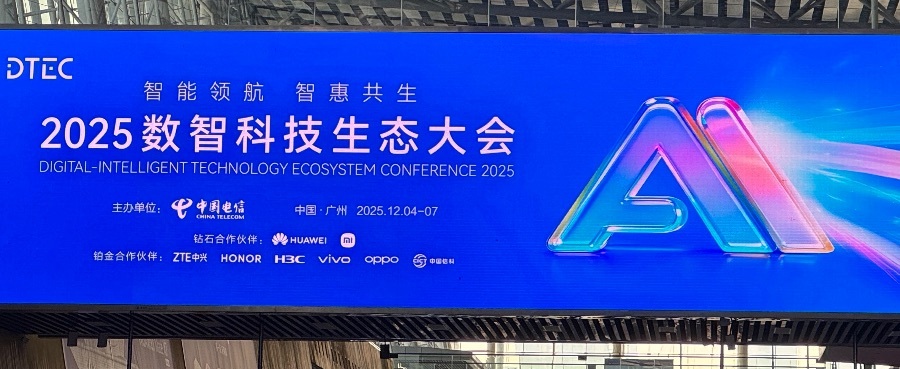
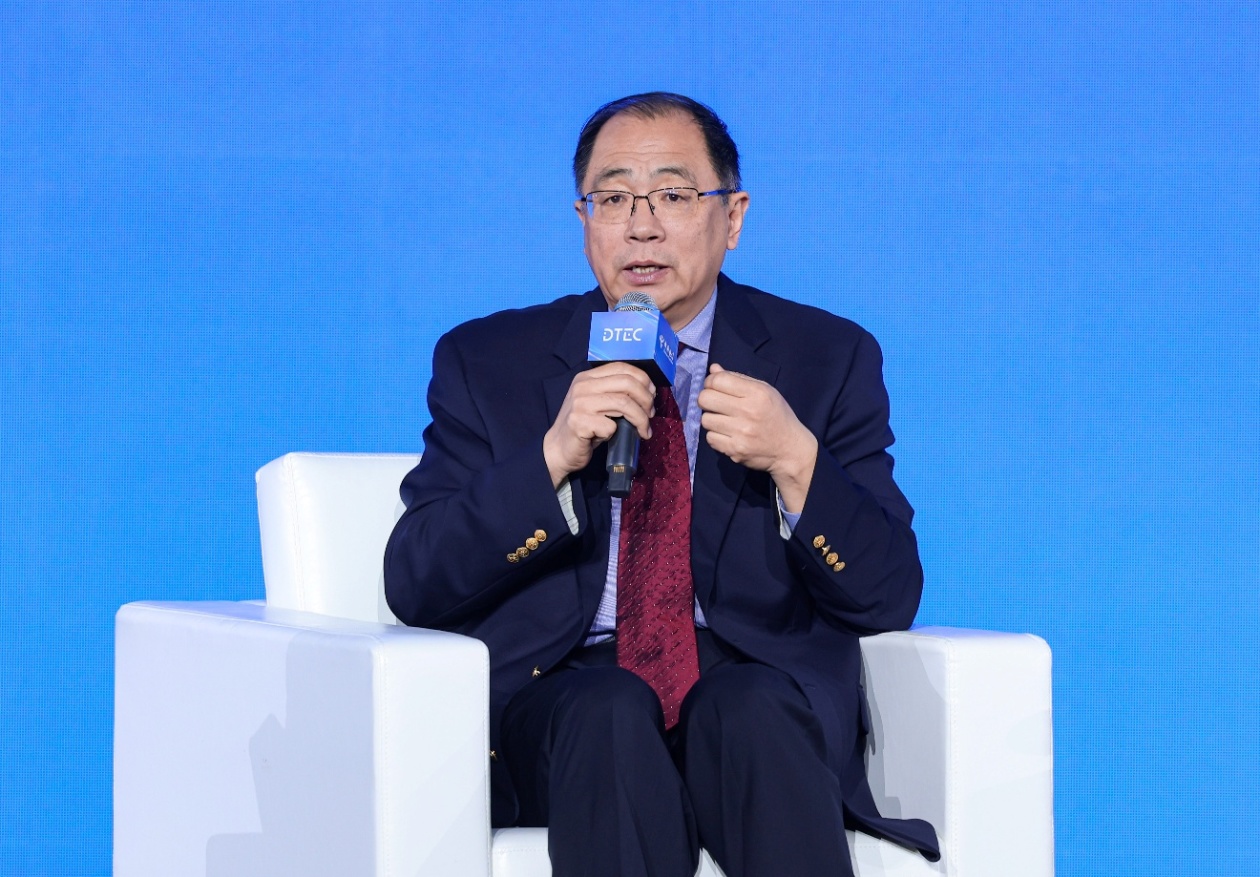
Core Insights - The 2025 Digital Intelligence Technology Ecological Conference, hosted by China Telecom, focuses on the theme "Intelligent Navigation, Intelligent Coexistence," discussing trends in AI, satellite communication, and low-altitude economy [1] Group 1: AI Development and Collaboration - The "Intelligent Cloud Ecosystem" is a key topic at the conference, emphasizing the importance of collaboration among network operators, cloud service providers, and terminal manufacturers for AI's widespread adoption [3][6] - Qualcomm's Chairman in China, Meng Pu, highlights that the rapid evolution of large models and network infrastructure has laid the foundation for AI development, stressing the need for a collaborative approach among cloud, network, and terminal sides to realize AI's potential [3][4] Group 2: Practical Applications and Innovations - Qualcomm has collaborated with China Telecom over the past year to develop terminal-side AI applications, including the Tianyi AI glasses and the Maigang AI phone, which allows users to access AI services easily [4][7] - The focus on terminal-side AI is crucial for addressing privacy, security, performance, and latency issues, making it essential for AI to operate close to users rather than solely relying on data centers [6][7] Group 3: Future Outlook - For AI to be truly accessible, it must meet three conditions: strong cloud capabilities, stable network performance, and intelligent terminal devices, aligning with the conference's theme of making AI services available to everyone [3][6]

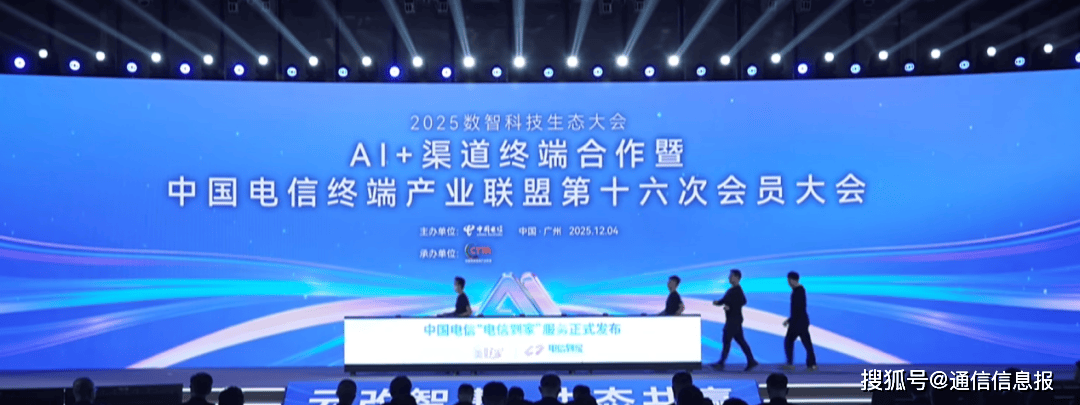
2025数智科技生态大会|中国电信携手AI终端生态合作伙伴 智惠千家万户
Sou Hu Cai Jing· 2025-12-05 02:08
Core Insights - The 2025 Digital Technology Ecological Conference in Guangzhou highlights China's Telecom's commitment to embracing artificial intelligence (AI) and upgrading its strategy from "cloud transformation" to "intelligent benefits" [1][2] - AI terminals are significantly changing lifestyles, with various innovative products showcased at the conference [1] Group 1: AI Capability Enhancement - China Telecom is systematically building its AI capabilities, with its "Star Sea" data intelligence platform gathering over 10 trillion tokens of general model corpus and 14 industry datasets, totaling over 350TB [2] - The company employs a dual-track strategy of "independent + ecosystem" for model development, launching over 80 industry models and 30 intelligent applications, serving more than 20,000 industry clients [2] Group 2: Innovative Consumer Products and Experiences - The launch of the new generation Tianyi AI Central Screen integrates communication, entertainment, security, and smart home control, enhancing digital life with a focus on user interaction [4] - The "Star Little Chen Terminal Intelligent Agent" redefines call experiences with features like real-time fraud alerts and smart meeting assistance, enhancing both personal and professional communication [5] Group 3: Collaboration and AI Terminal Popularization - China Telecom initiated the AI + Terminal Cooperation Star Plan, signing key partnerships with major companies like Huawei and Xiaomi to expand its terminal ecosystem [7] - The "Jingyi Huanneng Plan" with JD.com allows consumers to enjoy operator subsidies and a seamless purchasing experience for AI devices, enhancing service efficiency [7][8] Group 4: Consumer Incentives and Outreach - In Shaanxi, over 1,000 mobile sales stores are integrated into the "National Subsidy" program, offering substantial discounts on AI devices, with some models seeing up to 2,000 yuan in total savings [8] - The "AI Terminal Going to the Countryside" initiative in Shandong promotes AI technology in rural areas, resulting in a 45% increase in AI terminal sales in covered counties [8] Group 5: Service Innovations - The "Telecom to Home" service allows users to book professionals for various business operations and terminal deliveries, enhancing customer service and convenience [10]
“5G+工业互联网”加速规模化应用
Sou Hu Cai Jing· 2025-11-28 04:16
Core Viewpoint - The "5G + Industrial Internet" initiative is a key driver for the deep integration of the real economy and the digital economy, with significant advancements in various industries across China [1][5][10]. Group 1: Current Developments - The Ministry of Industry and Information Technology reports that over 20,000 "5G + Industrial Internet" construction projects have been initiated, marking a new phase of large-scale application [5][6]. - 5G technology is rapidly being integrated into every aspect of industrial production, with notable advancements in sectors such as automotive and home appliances [5][6]. Group 2: Infrastructure and Standards - China has taken the lead in establishing the world's first industrial 5G international standards, with over 100 national and industry standards developed [6][10]. - Major telecom operators have significantly enhanced their infrastructure capabilities, with China Telecom serving over 20,000 enterprise clients and China Unicom managing over 12.5 million devices through its upgraded industrial internet platform [7][8]. Group 3: Policy and Strategic Initiatives - The government has implemented various policies to promote the integration of "5G + Industrial Internet," including the "512 Project" and subsequent upgrade plans aimed at fostering innovation and large-scale application [9][10]. - Local governments, such as those in Beijing, Shanghai, and Jiangsu, have also introduced supportive policies to establish pilot zones for "5G + Industrial Internet" applications [9][10]. Group 4: Future Outlook - Experts predict that 5G-A will become a crucial technological support for industrial upgrades, enhancing capabilities in areas such as industrial visual inspection and data interconnectivity [10][11]. - The Ministry of Industry and Information Technology plans to advance the "5G + Industrial Internet" initiative by integrating artificial intelligence and optimizing the industrial internet architecture [11].