Buy Now

Search documents
Debt in Your 20s: How You Compare to Others Just Starting Out
Yahoo Finance· 2026-02-15 16:10
Debt Overview - The average person in their 20s owes $19,962, with nearly two-thirds carrying debt [2][10] - About 42% of adults aged 18-29 who attended college have student loan debt, while Gen Z holds an average of $3,493 in credit card balances [2][4] Student Loans - Student loans are the primary debt for college attendees in their 20s, with federal borrowers owing an average of $39,075, and a median of $20,000 to $25,000 [4][5] - For those under 25, the average student loan balance is approximately $14,162, while individuals in their late 20s owe around $33,150 [4] Credit Card Debt - Gen Z has an average credit card balance of $3,493, which nearly doubles to $6,961 for millennials in their early 30s [6] - 72% of Gen Z with credit history carry a balance month to month, and credit cards charge around 22% interest, leading to significant costs if only minimum payments are made [6][7] Auto Loans and BNPL - Approximately 41% of Gen Z has an auto loan with an average balance of $20,893, which can lead to owing more than the car's worth due to depreciation [8] - Around 44% of Gen Z utilized Buy Now, Pay Later (BNPL) services in 2024, averaging 6.3 loans and spending $848 across lenders [9]
Inflation Data Supports Optimism as Consumers Adapt
PYMNTS.com· 2026-02-13 18:52
Core Insights - The latest inflation data indicates a continued easing of price pressures, particularly in essential categories, providing consumers with some relief [1][2] - The Consumer Price Index (CPI) rose 2.4% year over year in January, with a monthly increase of 0.2% on a seasonally adjusted basis, suggesting a pattern of restrained inflation [2] - Essential costs, including housing, food, and bills, have historically consumed a significant portion of household income, particularly for consumers earning less than $50,000 annually [3] Inflation Trends - January's CPI report shows signs of stabilization in critical areas, with energy prices declining 1.5% for the month and 0.3% over the past year, which can positively impact household budgets [4] - Food prices increased modestly, with food and beverages rising 0.2% in January and 2.8% year over year, indicating a normalization after previous volatility [5] - Shelter costs remain elevated but show slower growth, with shelter prices rising 3% over the past year and 0.2% in January, suggesting easing housing-related pressures [9] Service Sector Inflation - Inflation in service-oriented categories remains elevated, with food away from home increasing 4% year over year and medical care services rising 3.9%, indicating persistent cost pressures in labor-intensive sectors [10][11] - Goods-related inflation has shown clearer deceleration, while services inflation continues to exert pressure, highlighting a nuanced inflation narrative [11] Consumer Financial Behavior - Consumers are increasingly utilizing flexible payment mechanisms to manage cash flow, with 31% using credit card installment plans and 14% using buy now, pay later (BNPL) products [12][13] - The adoption rates of installment structures are notably higher among millennials, with 42% of bridge millennials utilizing these mechanisms [13] - The use of installment plans is viewed as a budgeting tool rather than a sign of financial stress, allowing consumers to align payments with income cycles [14] Overall Outlook - January's inflation data and consumer finance trends suggest a gradual recalibration rather than acute disruption, with inflation persisting in shelter and services but moderating in essential categories [15] - Consumers are adapting their financial behaviors through spending prioritization and credit utilization, indicating a demand for flexibility and predictability in a still-elevated price environment [16]


Wall Street Breakfast Podcast: Buy Now, Pay Later: A Split Decision
Seeking Alpha· 2026-02-13 11:21
Core Insights - Buy Now, Pay Later (BNPL) services like Affirm and Klarna are increasingly popular among consumers, particularly younger demographics, allowing them to make purchases in smaller, often interest-free payments [3][10] - Analysts are divided on the investment potential of Affirm versus Klarna, with some viewing Affirm as a stronger buy due to its lower fees and established profitability [14][18] Industry Overview - The BNPL market is growing as consumers seek flexible payment options, with services allowing payments to be split into smaller amounts without interest, appealing to a wide range of consumers [6][9] - The Federal Reserve indicates that credit card debt in the U.S. has reached $1.28 trillion, highlighting a shift towards alternative payment methods like BNPL [5] Consumer Behavior - Approximately 19% of individuals aged 18 to 29 and 30 to 44 have utilized BNPL services, with late payment rates being notably higher among younger users [10][11] - The financial stability of consumers using BNPL is questioned, as a significant percentage of users report making late payments, indicating potential budgeting risks [11][13] Company Performance - Affirm's CEO reported that a majority of their users are financially stable, with 72% of stable users and 89% of fragile users making multiple BNPL purchases in a year [13] - Affirm is currently priced at $54.26, down 27% year-to-date, while Klarna is trading at $18.34, having experienced a 36% decline year-to-date [17][20] Investment Analysis - Analysts have mixed views on Affirm and Klarna, with some recommending Affirm as a buy due to its profitability and lower fees, while others express caution regarding Klarna's lack of profitability and potential risks [14][19] - Merc Research has a contrarian view on Affirm, suggesting a strong sell position due to anticipated challenges in the UK market and competition in the checkout space [16] Market Dynamics - Both Affirm and Klarna have established relationships with retailers, with Klarna offering cash back for certain merchants, while Affirm has discontinued its cash back rewards program [21]


Cash App to sell its credit score
Yahoo Finance· 2026-02-12 09:50
Group 1 - Block is expanding the reach of its internal Cash App credit scores, aiming to attract lenders interested in data on non-traditional payments and installment loans [8] - The company has developed an internal scoring system that incorporates data from Cash App Borrow and Afterpay to assess borrower creditworthiness, with the goal of improving access to the financial system [5][6] - Block is in discussions with several potential lending partners and plans to officially start collaborations within the year, while also inviting partners to join a waitlist for access to Cash App Score [8][4] Group 2 - The integration of non-traditional payment data, such as buy now, pay later transactions, into credit scores is evolving, with credit bureaus beginning to adopt these practices [6] - Affirm Holdings has started reporting BNPL transactions to Experian, and FICO announced plans to track BNPL transactions for credit bureaus [6] - Block's spokesperson indicated that third-party lending partners will be able to incorporate Cash App scores into their underwriting processes, although specific details on requirements were not disclosed [4][7]

You Can Split Your Rent With 'Buy Now, Pay Later' Plans—But It Will Cost You
Investopedia· 2026-02-10 01:00
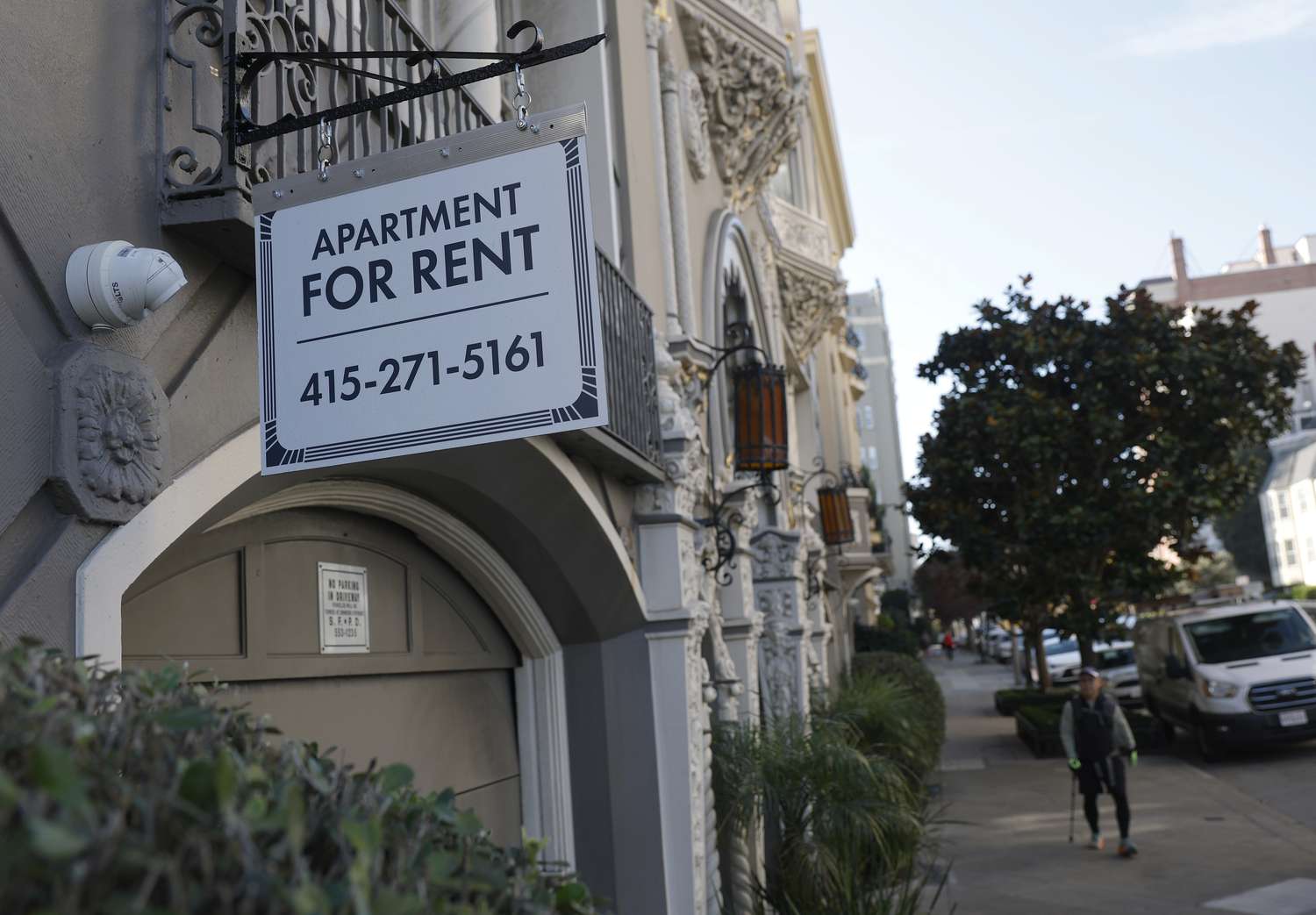
Core Insights - The rise of rent now, pay later services indicates the increasing unmanageability of housing costs for many Americans [4][9] - Affirm has launched a pilot program allowing renters to split their payments into two installments, partnering with Esusu for credit score reporting [2][5] - Monthly service fees and potential finance charges can make these services more expensive than traditional payment methods [6][9] Company-Specific Insights - Affirm's new service does not charge interest but involves monthly fees, accessible only through Esusu's Plus and Premium services [3][5] - Other companies like Zip and Livble offer similar services, with Zip advertising an annual interest rate of 31.11% and Livble charging monthly finance charges of $30 to $40 [6][7] - Flex provides a rent-splitting option that may require landlord participation, with a monthly fee of $14.99 and additional charges [7] Industry Trends - The growth of rent now, pay later services reflects broader economic challenges, as turning rent into installment debt can increase household debt and reduce overall consumer spending [4] - Many of these services are reported to be more costly than using credit cards for rent payments, highlighting the financial strain on renters [6][9]

Affirm BNPL Volumes Jump 36% as 0% Loans Drive Broader Use
PYMNTS.com· 2026-02-06 01:37
Core Insights - Affirm's fiscal second quarter demonstrates the integration of buy now, pay later (BNPL) into everyday commerce, moving beyond occasional large purchases [1] Financial Performance - Gross merchandise volume (GMV) increased by 36% year over year to $13.8 billion, while revenue rose by 30% to $1.1 billion [3] - Active consumers grew by 23% to 25.8 million, with transactions per active consumer increasing by 20% to 6.4, and active merchants expanding by 42% to approximately 478,000 [3] Business Growth Drivers - Growth was fueled by point-of-sale integrations, wallet partnerships, and the direct-to-consumer business, particularly the Affirm Card, which saw direct-to-consumer GMV rise by 52% to $4.3 billion [4] - The Affirm Card's volume surged by 159% to $2.2 billion, with active cardholders more than doubling to 3.7 million, leading to card attach rates of about 14% [4] Zero-Interest Financing - GMV associated with 0% APR products grew by 60%, with over 60% of new customers opting for a 0% option for their first transaction [5] - Nearly 39% of all purchases during the quarter were interest-free, with around 60,000 merchants offering 0% APR deals, nearly quadrupling from the previous year [5] Consumer Credit Health - Thirty-plus-day delinquencies on monthly installment loans were at 2.7%, showing a year-over-year increase but a sequential decrease, while recent cohorts tracked toward approximately 3.5% net charge-offs [9] - Pay-in-4 losses remained below 1% of GMV, and the allowance for credit losses was consistent at 5.4% of loans held for investment [9] Technological Advancements - Affirm's AdaptAI and BoostAI systems are increasingly shaping financing offers and merchant performance, with BoostAI now operational across numerous enterprise merchants and small businesses [11] - BoostAI allows merchants to allocate additional funds for Affirm-specific promotions, optimizing conversion rates through automated A/B testing [12] Strategic Initiatives - Affirm expanded partnerships with major retailers and embedded pay-over-time options into QuickBooks Payments, while also testing rent-related use cases [12] - The company applied for an industrial bank charter to gain regulatory clarity, which is viewed as a long-term investment rather than an immediate growth driver [13] Future Projections - Affirm projected GMV for the current fiscal year to be between $48.3 billion and $48.85 billion, with revenue expected between $4.09 billion and $4.15 billion, indicating a deceleration from recent growth rates [14] - Operating margins are anticipated to improve in the second half of the year, despite a 6% drop in shares during after-hours trading [14] Overall Strategy - The quarter reflects Affirm's deeper penetration into everyday commerce, expanding distribution through the Affirm Card and partnerships, while enhancing automated decision-making processes [15]

Affirm(AFRM) - 2026 Q2 - Earnings Call Transcript
2026-02-05 23:02
Financial Data and Key Metrics Changes - The company reported excellent results for Q2 of FY 2026, with significant growth in key metrics, although specific figures were not disclosed in the opening remarks [6][10]. - The company expects RLTC take rates to hover slightly above 4% for Q3 and Q4, indicating a stable margin outlook despite some year-over-year softening in revenue take rates [21][24]. Business Line Data and Key Metrics Changes - The Affirm Card has shown remarkable growth, with GMV up nearly 160% year-over-year and active cardholders increasing by 121% [61]. - The "other" category, which includes various smaller merchants, has grown to represent 15% of total GMV, indicating a diversification in the business [30][87]. Market Data and Key Metrics Changes - The company is experiencing healthy consumer trends, with consumers showing a willingness to borrow and repay, contributing to stable growth in the current economic environment [18][19]. - The ABS market remains constructive, with recent deals priced with spreads under 100 basis points, reflecting strong market confidence in the company's credit outcomes [49]. Company Strategy and Development Direction - The company is focused on expanding its merchant base and diversifying its offerings, with plans to explore new verticals such as home improvement and medical services [110]. - The application for a bank charter is aimed at achieving regulatory certainty and unlocking new product opportunities in the future, although the timeline for approval is uncertain [38][72]. Management's Comments on Operating Environment and Future Outlook - Management expressed confidence in the current consumer health and the ability to manage credit effectively, with no significant deviations from previous quarters [18][97]. - The company anticipates a slowdown in GMV growth to 30% in Q3 and 25% in Q4, primarily due to the transition with a large retail partner [66]. Other Important Information - The company is actively monitoring regulatory developments, particularly concerning potential caps on BNPL rates, but has not seen any immediate threats [70][72]. - The partnership with Fiserv aims to integrate buy now, pay later capabilities into existing banking products, indicating a strategic move to broaden market reach [115]. Q&A Session Summary Question: Dynamics of growth with top merchants - Management noted that the top five merchants for Q2 FY 2026 are different from the previous year, and the business is diversifying well despite some concentration [10][14]. Question: Overview of consumer trends and economic health - Management indicated that consumers are healthy and willing to repay loans, with no significant changes observed in the current quarter [18][19]. Question: RLTC margin trajectory - Management expects RLTC take rates to remain slightly above 4% in the upcoming quarters, with benefits from reduced funding costs [21][24]. Question: Impact of competition on merchant pricing - Management stated that aggressive promotional strategies from competitors have not affected Affirm's pricing or market position [28]. Question: Growth in the "other" category - Management explained that the "other" category includes a diverse range of small merchants, which are increasingly recognizing the value of offering Affirm [30][33]. Question: Bank charter application rationale - Management clarified that the primary motivation for applying for a bank charter is regulatory certainty, with potential long-term benefits for product offerings [38][72]. Question: ABS deal execution - Management highlighted strong execution in the ABS market, with favorable pricing conditions reflecting confidence in the company's credit management [49]. Question: Growth opportunities in new verticals - Management discussed the cautious approach to entering new verticals, emphasizing consumer demand as the driving factor for expansion [110].
Affirm(AFRM) - 2026 Q2 - Earnings Call Transcript
2026-02-05 23:00
Financial Data and Key Metrics Changes - The company reported excellent results for Q2 of fiscal 2026, with significant growth in key metrics [4][10] - The RLTC take rates are expected to remain slightly above 4% for Q3 and Q4, with transaction costs benefiting from lower funding costs [21][22] Business Line Data and Key Metrics Changes - The Affirm Card saw GMV growth of just under 160% year-over-year, with active cardholders increasing by 121% and 0% deals on the card rising by 190% [60] - The "other" category, which includes various small merchants, has grown to 15% of total GMV and is experiencing triple-digit growth [29][32] Market Data and Key Metrics Changes - The company is seeing healthy consumer trends, with consumers willing and able to repay loans, indicating a stable economic environment [15] - The ABS market remains constructive, with recent deals priced with spreads under 100 basis points, reflecting strong market confidence [48] Company Strategy and Development Direction - The company is focused on expanding its network and aims to be universally accepted across various retail sectors, similar to major credit card brands [109] - The decision to explore new verticals such as home improvement and medical is driven by consumer demand and the goal of building a comprehensive service network [108] Management's Comments on Operating Environment and Future Outlook - Management expressed confidence in the current consumer health and the ability to manage credit effectively, with no significant disturbances noted in the market [94] - The company is tracking regulatory developments closely but has not identified any immediate concerns regarding potential caps on BNPL rates [70][71] Other Important Information - The company has applied for a bank charter to enhance regulatory certainty and potentially unlock new products and services in the future [38][39] - The Boost AI product is still in early stages, but it is expected to enhance merchant engagement through automated A/B testing [46] Q&A Session Summary Question: Can you discuss the dynamics of growth with the top five merchants? - Management noted that the top five merchants for Q2 of FY 2026 are different from the previous year, and the business is diversifying well despite some concentration [11] Question: What are the current consumer and credit trends? - Management indicated that consumers are healthy and willing to repay loans, with no significant deviations from previous quarters [15] Question: Can you elaborate on the RLTC margin trajectory? - Management expects RLTC take rates to hover around 4% for the remainder of the year, with transaction costs benefiting from favorable funding conditions [21][22] Question: How is competition affecting merchant pricing? - Management stated that aggressive promotional strategies from competitors have not impacted Affirm's pricing or market position [26][28] Question: What is the growth outlook for the Affirm Card and international expansion? - The Affirm Card is a significant growth driver, with plans for further expansion in the UK and other international markets [61][62] Question: What is the current state of the ABS market? - Management reported strong execution in the ABS market, with favorable pricing conditions and high confidence from investors [48] Question: How is the regulatory environment evolving? - Management is actively monitoring regulatory discussions but has not seen immediate threats to their business model [70][71] Question: What are the implications of entering new verticals? - Management clarified that new verticals are based on consumer demand and are part of a strategy to build a comprehensive service network [108]
I can easily afford this $1,700 impulse purchase. Is there any reason why I shouldn't use a buy now, pay later tool?
Yahoo Finance· 2026-01-28 13:15
Core Insights - Klarna's "Pay in 4" option allows users to split purchases into four equal, interest-free payments, appealing to consumers who prefer to manage cash flow while keeping funds in high-yield savings accounts [1][2] - The convenience of Buy Now, Pay Later (BNPL) services can obscure potential risks, particularly for users who may miss payments despite having the financial means to pay [2][3] Group 1: User Behavior and Motivations - A survey indicated that 34% of BNPL users chose services like Klarna primarily for the ability to pay over time without interest, even if they could afford the purchase outright [2] - Convenience and ease of approval are significant factors driving the adoption of BNPL services [2] Group 2: Payment Risks and Structural Issues - BNPL services are designed to be frictionless, which can lead to missed payments; 42% of BNPL users reported at least one late payment in the past year due to various reasons [3] - Unlike traditional credit card bills, BNPL payments are distributed across multiple retailers, increasing the risk of delinquency from issues like failed debits or expired cards [4] - Klarna warns that missed payments may lead to late fees and collections, and these services may report delinquent accounts to credit bureaus [4][5]
Affirm: Groceries On Credit? The Shift In BNPL And The Credit Market
Seeking Alpha· 2026-01-27 17:26
Core Insights - The Buy Now, Pay Later (BNPL) industry is currently a polarizing topic in the market, generating significant discussion among investors and analysts [1]. Group 1: Market Sentiment - There is considerable noise in the market regarding the BNPL industry, with varying opinions from critics and supporters [1]. Group 2: Analyst Perspective - The article is written from a personal perspective, aiming to provide insights for both beginners and advanced readers, focusing on business and economic analysis [1].