National security

Search documents
Wall Street braces for stocks to sink as Trump ramps up tariff threats over Greenland
New York Post· 2026-01-20 14:11
Market Reaction - Stock futures experienced a significant decline, with Dow futures down over 600 points (1.26%), S&P 500 futures dropping nearly 100 points, and Nasdaq futures falling more than 440 points (1.72%) before the market opened [1][3][4] Tariff Threats - President Trump announced plans to impose new tariffs starting at 10% on imports from several European nations, escalating to 25% by June if they do not agree to cede Greenland to the US [3][4] - The affected countries include Denmark, Norway, Sweden, France, Germany, the United Kingdom, the Netherlands, and Finland, with tariffs set to begin on February 1 [3] Market Volatility - The CBOE Volatility Index surged above 19, indicating a shift from market complacency to heightened anxiety, marking the highest level in approximately two months [4] Safe Haven Investments - Traders are increasingly investing in safe havens such as gold and the Swiss franc due to concerns that the tariff threats could lead to a broader trade war with Europe [5] European Response - European leaders have rejected the notion of selling Greenland, emphasizing its status as an autonomous territory of Denmark, while warning of potential countermeasures against US tariffs [10] National Security Argument - Trump has framed the acquisition of Greenland as essential for US national security, citing its strategic location and resources as vital to countering Russian and Chinese influence in the Arctic [6][12] - Treasury Secretary Scott Bessent supported this view, stating that the strategy aims to prevent future conflicts by leveraging economic power instead of military force [9] Ongoing Negotiations - Trump indicated that diplomatic efforts are ongoing, mentioning a positive conversation with NATO Secretary General Mark Rutte and plans for a meeting with various parties in Switzerland [16]


Trump says the US will impose up to 25% tariffs on Denmark and other European countries until they hand over Greenland
Business Insider· 2026-01-17 17:24
Core Viewpoint - President Trump is leveraging tariffs to pressure Denmark and other countries into negotiating the sale of Greenland to the United States [1][2]. Group 1: Tariff Details - An additional 10% tariff on Denmark and several other countries will be imposed starting February 1, with a potential increase to 25% in June if no agreement is reached [1][2]. - These countries have been subject to tariffs since August 2025 due to Trump's previous trade policies [2]. Group 2: Strategic Importance of Greenland - Greenland is viewed as a national security issue due to its strategic location between Russia and China, and it hosts critical natural resources such as lithium, gold, iron ore, and oil [8]. - The U.S. already maintains a military base on the island, known as the Pituffik Space Base [8]. Group 3: Political Context - Trump's tariff threat coincides with the World Economic Forum in Davos, where he is expected to address global leaders [3]. - The White House is exploring various options to pursue the acquisition of Greenland, including potential military involvement [9].

Dominion Energy wins bid to resume wind project Trump halted
Fortune· 2026-01-16 20:18
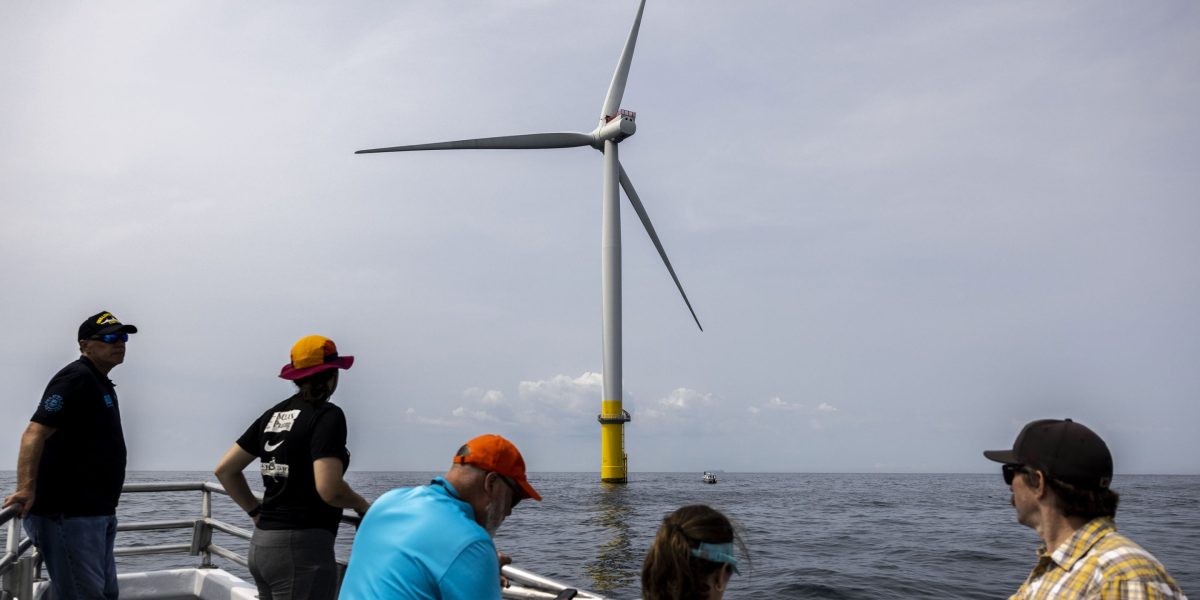
Core Viewpoint - A federal judge has allowed Dominion Energy Inc. to resume construction of its $11 billion wind project off the coast of Virginia, despite ongoing legal challenges against a stop-work order issued by the Trump administration [1][2][4]. Company Summary - Dominion Energy is facing significant financial losses, reportedly losing about $5 million daily due to the halt in construction, with over two-thirds of the expected total project cost of $11.2 billion already spent [7]. - The company plans to safely restart work on the project, which includes 176 wind turbines expected to begin delivering electricity soon, while continuing its legal challenge [4][9]. - Dominion's legal arguments assert that the government's reasons for the construction pause are not plausible and infringe on its constitutional rights [12]. Industry Summary - The offshore wind industry in the U.S. has encountered various challenges, including inflation, supply chain issues, and rising costs due to tariffs, leading to project cancellations and delays [6]. - The Trump administration's actions, including a stop-work order on offshore wind projects citing national security concerns, have been met with legal resistance, with multiple judges ruling against the government's claims [3][10][11]. - The industry is under pressure to meet growing energy demands, particularly in Virginia, which hosts a significant concentration of data centers and military facilities [9].

U.S. attempt to seize Greenland could hurt trade with the EU, French finance minister says
CNBC· 2026-01-16 09:35
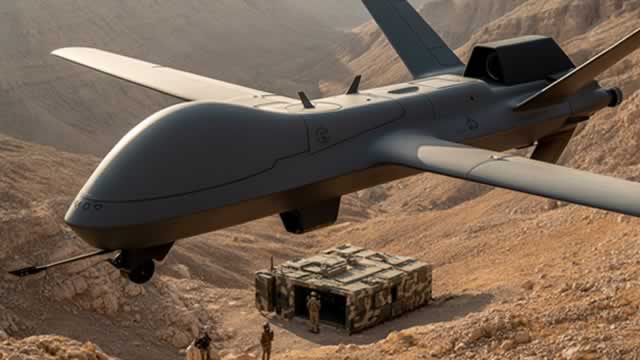
Core Viewpoint - The potential U.S. annexation of Greenland could severely impact trade relations with the European Union, leading to possible tariffs or economic sanctions and the risk of a trade war [1][6]. Group 1: U.S. Actions and Statements - U.S. President Donald Trump has intensified discussions about annexing Greenland, suggesting that force could be an option if necessary [1]. - Trump claims that acquiring Greenland is essential for national security, aiming to prevent rivals from accessing emerging trade routes and critical mineral resources [5]. Group 2: European Response - French Finance Minister Roland Lescure warned that U.S. actions towards Greenland could damage economic ties with Europe, emphasizing that Greenland is a sovereign part of Denmark, which is an EU member [2]. - Lescure indicated that if the U.S. were to invade Greenland, it would create a "totally new world," necessitating a significant adjustment in EU-U.S. relations [4]. Group 3: Economic Implications - Analysts suggest that significant economic pressure from the U.S. on Denmark could provoke a strong response from the EU, potentially leading to a trade war [6]. - The geopolitical strategist Dan Alamariu noted that such tensions would likely unsettle markets and raise questions about NATO's stability, although a breakup is not anticipated [7]. Group 4: Military and Political Developments - European troops have arrived in Greenland for a military exercise, signaling a collaborative effort among allies rather than a unilateral U.S. initiative [8]. - European Commission President Ursula von der Leyen affirmed the EU's commitment to supporting Greenland politically, economically, and in terms of security [9].

China bans dozen US and Israeli cybersecurity firms over national security concerns: report
Fox Business· 2026-01-15 01:02
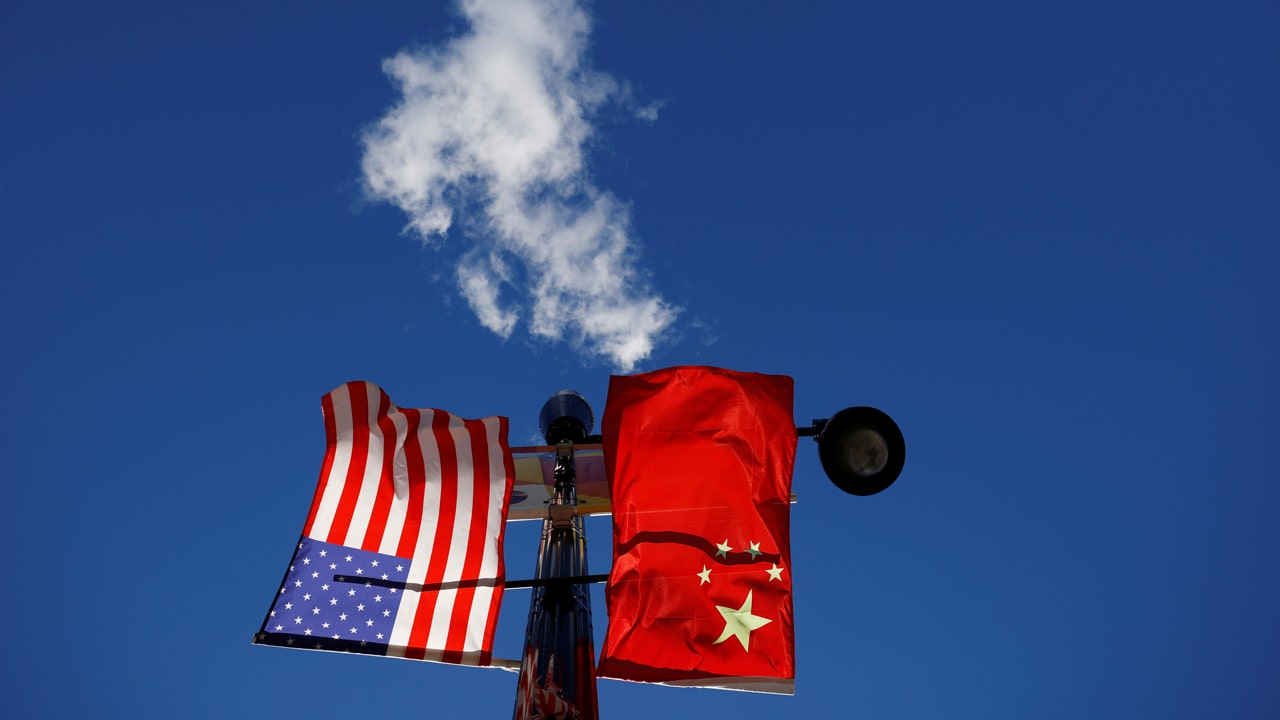
Group 1 - Chinese authorities have instructed domestic companies to stop using cybersecurity software from over a dozen U.S. and Israeli firms due to national security concerns, as the software may collect sensitive data and transmit it overseas [1][2] - The directive specifically targets American companies such as VMware, Palo Alto Networks, Fortinet, CrowdStrike, SentinelOne, Recorded Future, McAfee, Claroty, and Rapid7, as well as Israeli firms like Check Point Software Technologies, CyberArk, Orca Security, and Cato Networks [2][5] - This move is part of China's broader strategy to replace Western-made technology with domestic alternatives amid ongoing tensions with the West over technology and trade [7] Group 2 - The U.S. and China are preparing for a visit by President Donald Trump to Beijing in April, which may influence future technology and trade relations [7] - The Trump administration has approved Nvidia's exports, allowing the company to ship its artificial intelligence chips to China and other countries, indicating a potential easing of restrictions [10][11] - Nvidia's spokesperson expressed support for the decision, highlighting the balance it strikes for America's chip industry and job market [11]
Exclusive-Beijing tells Chinese firms to stop using US, Israeli cybersecurity software, sources say
Yahoo Finance· 2026-01-14 09:43
Core Viewpoint - Chinese authorities have mandated domestic companies to cease the use of cybersecurity software from approximately a dozen U.S. and Israeli firms due to national security concerns [1][2]. Group 1: Companies Affected - The U.S. firms impacted by the ban include Broadcom-owned VMware, Palo Alto Networks, and Fortinet, while Check Point Software Technologies is among the Israeli companies affected [1]. - The exact number of Chinese companies that received the notice regarding the ban remains unclear [2]. Group 2: National Security Concerns - Chinese authorities are worried that the banned software could potentially collect and transmit confidential information to foreign entities [2]. - There is a growing apprehension in Beijing that Western technology could be vulnerable to hacking by foreign powers [4]. Group 3: Broader Context - The ban is part of China's broader strategy to replace Western technology with domestic alternatives amid escalating trade and diplomatic tensions with the U.S. [3]. - In addition to cybersecurity software, China is also focusing on replacing Western computer equipment and word processing software as part of its technological self-sufficiency efforts [4].
Trump wants Greenland. If it were for sale, it could cost trillions
CNBC· 2026-01-08 17:38
Core Viewpoint - The U.S. administration is actively considering options to acquire Greenland, with discussions ongoing among President Trump and his national security team, despite Denmark's firm stance that the territory is not for sale [2][4][3]. Group 1: Acquisition Interest - President Trump has expressed a desire for the U.S. to take over Greenland, citing national security concerns and the presence of Russian and Chinese ships in the region [11]. - The White House has confirmed that the acquisition of Greenland is being discussed, with Secretary of State Marco Rubio planning talks with Danish officials [4][3]. Group 2: Valuation Estimates - Historical context shows that the U.S. previously offered $100 million for Greenland in 1946, which would be approximately $1.7 billion today, but current estimates suggest a much higher valuation [6]. - Analysts estimate Greenland's value could be in the hundreds of billions, with some suggesting figures in the trillions based on its natural resources and strategic location [5][7]. - A study indicates that Greenland's known critical mineral and energy resources are valued at over $4.4 trillion, though this figure drops to $2.7 trillion when excluding oil and natural gas [8]. Group 3: Resource Conversion Rates - Greenland's low population and harsh conditions result in a low resource-to-reserve conversion rate, with only 4.2% of known rare earth reserves being accessible [9][10]. - Applying this conversion rate, the estimated value of Greenland could be as low as $186 billion, which is considered a conservative estimate [10]. Group 4: Strategic Importance - The U.S. military already has a base in Greenland, and securing the island could enhance U.S. presence in the Arctic and access to emerging shipping lanes due to climate change [11][12]. - AAF's study suggests that if Greenland were valued similarly to Iceland, its total value could reach nearly $2.8 trillion [13]. Group 5: Comparative Valuations - Previous analyses have varied widely, with estimates ranging from $1.1 trillion in 2019 to as low as $12.5 billion to $77 billion based on historical acquisitions [14][15].

Critical Metals Stock Rallies 80%: The Trump Factor
Benzinga· 2026-01-07 16:57
Core Viewpoint - Critical Metals Corp. (NASDAQ:CRML) has experienced an 80% stock rally over the past week, driven by geopolitical speculation regarding President Donald Trump's interest in Greenland [1][9]. Company Overview - Critical Metals is positioned as a dual investment opportunity, capitalizing on Trump's Arctic ambitions and federal support for the rare earths industry [2]. - The company's Tanbreez Rare Earth Project in Greenland is one of the largest rare earth deposits outside of China, containing an estimated 4.7 billion tons of rare-earth-bearing rock [3]. Industry Context - The Tanbreez project is critical for breaking China's monopoly on the rare earth market, as it is rich in heavy rare earth elements (HREEs) and gallium, essential for defense systems, electric vehicles, and semiconductors [4]. - The Trump administration has shown support for the domestic rare earth industry, investing in companies like MP Materials Corp, Trilogy Metals Inc, and Lithium Americas Corp [4]. Recent Developments - Market enthusiasm surged following Trump's comments about potentially acquiring Greenland, with investors anticipating that a focus on the Arctic will expedite permitting and financing for the Tanbreez project, which aims for initial production by 2026 [6]. - Critical Metals has announced the formal approval to begin construction of a multi-use storage and pilot-plant facility in Qaqortoq, Greenland, which is crucial for the Tanbreez project [7][8]. Price Action - The stock has gained 80% in the last five days, reflecting investor confidence in the company's alignment with national security and critical mineral independence strategies [9].


Trump orders Chinese-owned firm to unwind chip asset deal, citing national security risks
CNBC· 2026-01-03 08:28
Core Points - The U.S. President ordered HieFo Corporation to divest a $2.9 million acquisition of chip assets from Emcore due to national security concerns [1] - HieFo's acquisition included semiconductor manufacturing facilities and digital chips, which posed a risk of diverting supply away from the U.S. [2] - The deal was not reported to the Committee on Foreign Investment in the United States (CFIUS), leading to a review of the transaction [3] Company Overview - HieFo Corporation was founded by Genzao Zhang and Harry Moore through a management buyout of Emcore's wafer fabrication and chip-related assets [5] - The company claims to have over 40 years of experience in indium phosphide chip manufacturing [6] - Emcore specializes in manufacturing navigation equipment, including gyroscopes and sensors for various applications, including defense [6] Regulatory Actions - CFIUS identified national security risks related to potential access to Emcore's intellectual property and expertise [4] - HieFo has been ordered to divest all acquired assets within 180 days and restrict access to Emcore's technical information [4]

TikTok Says New Joint Venture Will Enable Continued US Operations
PYMNTS.com· 2025-12-19 03:26
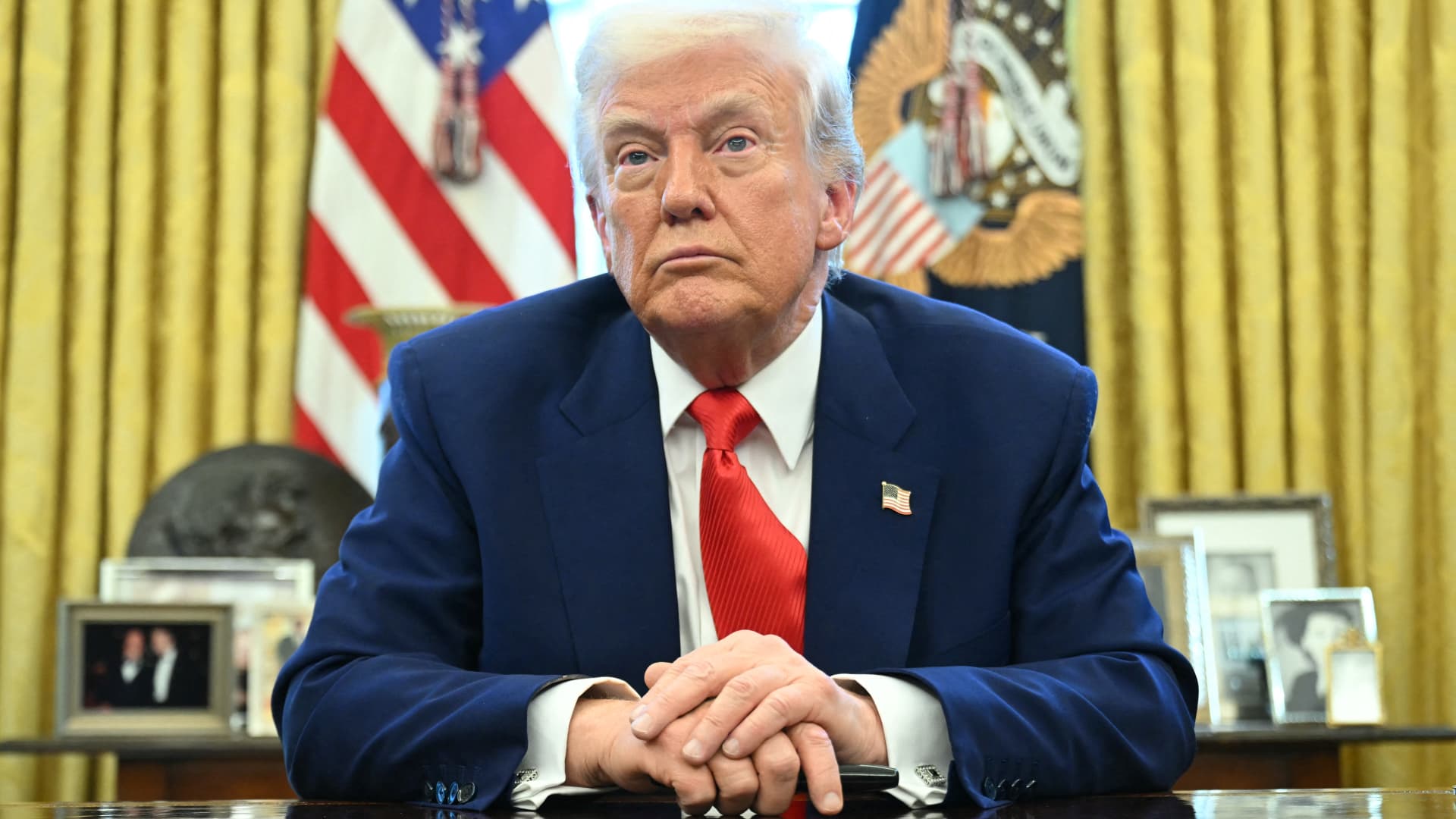
Core Insights - TikTok and its parent company ByteDance have established agreements with Oracle, Silver Lake, and MGX to create a new U.S. joint venture, ensuring the app's continued operation in the United States [1] - The transaction is expected to close on January 22, as stated by TikTok CEO Shou Zi Chew [2] Joint Venture Structure - The U.S. joint venture will be majority owned by American investors, governed by a seven-member board of directors, and will include provisions to protect American data and national security [3] - A consortium of new investors will hold 50% of the joint venture, with Oracle, Silver Lake, and MGX each holding 15%, while existing ByteDance affiliates will hold 30.1%, and ByteDance will retain 19.9% [4] Data Protection and Operations - The joint venture will manage data protection, algorithm security, content moderation, and software assurance, with U.S. user data stored in the U.S. by Oracle [5] - TikTok Global's U.S. entities will oversee global product interoperability, eCommerce, advertising, marketing, and other commercial activities [5] User Experience and Legislative Context - The joint venture aims to ensure that over 170 million Americans can continue using the platform without changes to their experience, while advertisers can still reach global audiences [6] - A law signed by former President Joe Biden in April 2024 mandated that TikTok would be banned unless ByteDance divested its stake within a year [6] - The law faced legal challenges and delays, particularly after the election of Trump, as various potential buyers sought to finalize a deal [7] - Trump's executive order in September deemed the joint venture framework a "qualified divestiture" that would address national security concerns [8]