医疗AI

Search documents
对话蚂蚁集团张俊杰:AI 如何重塑医疗健康产业?
3 6 Ke· 2025-08-01 07:25
Core Insights - The third wave of artificial intelligence (AI) is reshaping the global economy, with China emerging as a significant player due to its vast application scenarios and advancements in chip technology and open-source algorithms [2] - The World Artificial Intelligence Conference (WAIC 2025) highlighted AI's evolution from an "industrial variable" to a "civilizational constant," showcasing its integration into various sectors [2] - Ant Group's digital healthcare division is leveraging AI to enhance user experience and productivity in the medical field, transitioning from traditional internet solutions to AI-driven services [3][10] Company Overview - Ant Group's digital healthcare segment focuses on improving user convenience in medical payments, with 800 million users activating health insurance codes on Alipay [5] - The company offers a comprehensive healthcare channel on Alipay, connecting users with nearly 3,600 public hospitals for services like appointment booking and consultations [5] - In 2023, Ant Group began exploring AI in healthcare, aiming to provide users with an AI health manager to facilitate medical services and assist healthcare professionals [5][10] AI Integration and User Experience - The AI health manager is designed to address user needs by providing professional answers and facilitating service access, such as scheduling appointments and managing health records [6][10] - Ant Group has seen significant user engagement, with nearly 100 million users utilizing the AI health manager since its launch, particularly among middle-aged and elderly users [10] - The AI system is capable of offering proactive health management suggestions based on user data and interactions with healthcare providers [6][10] Challenges and Solutions - The integration of AI in healthcare faces challenges, including establishing standards, ensuring data privacy, and collaborating with medical professionals [7][8] - Ant Group emphasizes the importance of deep collaboration with healthcare institutions and experts to enhance AI capabilities and meet user expectations [7][12] - The company is actively working on developing authoritative evaluation standards for AI models in the medical field, ensuring their effectiveness and compliance [11][12] Future Outlook - The AI-driven transformation in healthcare is expected to significantly enhance productivity and user experience, particularly in underserved regions [10] - Ant Group aims to maintain user trust while navigating challenges related to data privacy and the integration of AI with existing healthcare systems [12] - The company believes that AI will play a crucial role in the future of healthcare, providing substantial social value and warranting long-term investment [10][12]


港股异动 智云健康(09955)午前涨超4% 近日公司生成式医疗AI大模型研究项目入选杭州市重点科研计划
Jin Rong Jie· 2025-08-01 05:11
Core Viewpoint - Zhiyun Health (09955) has demonstrated its strong capabilities in the medical AI sector by successfully entering a key research project focused on generative medical AI models, which is expected to enhance remote decision-making support in healthcare [1] Company Summary - Zhiyun Health's stock rose over 4%, reaching 1.55 HKD with a trading volume of 3.1421 million HKD [1] - The company has been recognized by the Hangzhou Science and Technology Bureau for its project on "Construction of Generative Medical AI Models and Key Technology Research in Remote Decision Support," highlighting its expertise in the medical AI field [1] - The generative medical AI model developed by Zhiyun Health is currently being demonstrated in multiple hospitals across the country, with plans for further expansion in coverage and application depth [1] Industry Summary - The generative medical AI model utilizes IoT perception technology and precise data routing algorithms for medical information transmission, focusing on dynamic data collection for chronic disease patients [1] - The system includes a smart diagnostic assistance system with self-optimizing parameters, enhancing the accuracy and timeliness of remote diagnoses for conditions such as diabetes, cardiovascular diseases, and chronic obstructive pulmonary disease [1] - The overall framework established by the company consists of a closed-loop medical assistance system that integrates data collection, secure transmission, and intelligent decision-making [1]
港股异动 | 智云健康(09955)午前涨超4% 近日公司生成式医疗AI大模型研究项目入选杭州市重点科研计划
智通财经网· 2025-08-01 04:04
Core Viewpoint - Zhiyun Health (09955) has demonstrated its strong capabilities in the medical AI sector by successfully entering a key research project focused on generative medical AI models, which is expected to enhance remote decision-making support in healthcare [1] Group 1: Company Developments - Zhiyun Health's stock rose over 4%, reaching HKD 1.55 with a trading volume of HKD 3.1421 million [1] - The company’s project titled "Research on Key Technologies for Constructing Generative Medical AI Models and Their Application in Remote Decision Support" has been officially recognized by the Hangzhou Science and Technology Bureau as part of the 2025 key research plan [1] - The generative medical AI model developed by Zhiyun Health is already being demonstrated in multiple hospitals across the country, with plans for further expansion in coverage and application depth [1] Group 2: Technology and Innovation - The generative medical AI model utilizes IoT perception technology and precise data routing algorithms for medical information transmission [1] - It features a dynamic data collection system for chronic disease patients, establishing a secure transmission channel and data cleaning mechanism for remote healthcare [1] - The intelligent diagnostic assistance system developed by the company employs deep reinforcement learning to optimize decision model parameters in real-time, aiming to improve the accuracy and timeliness of remote diagnoses for conditions such as diabetes, cardiovascular diseases, and chronic obstructive pulmonary disease [1]
智云健康午前涨超4% 近日公司生成式医疗AI大模型研究项目入选杭州市重点科研计划
Zhi Tong Cai Jing· 2025-08-01 04:03
Core Viewpoint - Zhiyun Health (09955) has demonstrated its strong capabilities in the medical AI sector by successfully entering a key research project focused on generative medical AI models, as announced by the Hangzhou Science and Technology Bureau [1] Group 1: Company Developments - Zhiyun Health's stock rose over 4%, reaching 1.55 HKD with a trading volume of 3.1421 million HKD [1] - The company’s project titled "Research on Key Technologies for Constructing Generative Medical AI Models and Remote Decision Support" has been officially recognized, highlighting its expertise in the medical AI field [1] Group 2: Technology and Applications - The generative medical AI model developed by Zhiyun Health utilizes IoT perception technology and precise data routing algorithms for medical information transmission [1] - The model has been implemented in several hospitals across the country, with plans for further expansion in coverage and application depth to benefit more medical institutions and patients [1] - The system includes a smart diagnostic assistance feature that optimizes parameters in real-time through deep reinforcement learning, aiming to enhance the accuracy and timeliness of remote diagnoses for chronic diseases such as diabetes, cardiovascular diseases, and chronic obstructive pulmonary disease [1]
鹰瞳Airdoc于WAIC世界人工智能大会荣获本土创新全球化奖
Xin Lang Zheng Quan· 2025-07-31 02:46
Core Insights - The 2025 World Artificial Intelligence Conference (WAIC) was held in Shanghai from July 26-28, attracting global attention in the AI field [1] - Chinese Premier Li Qiang attended the opening ceremony and delivered a significant speech, setting the development direction for the conference [3] - The conference featured 12 Nobel Prize and Turing Award winners, along with over 80 academicians, highlighting the importance of collaboration in the AI era [5] Company Highlights - Airdoc's AI innovations made it a focal point in the medical sector at WAIC, earning recognition as a representative of "local innovation globalization" [5] - The National AI Medical Health Application Base was unveiled, aiming to support the "AI + healthcare" national strategy through collaboration between Beijing Tongren Hospital, China Unicom, and Airdoc [6] - Airdoc's AI Chronic Disease Health Risk Assessment System is the first approved software for AI-assisted diagnosis of retinal diseases, capable of identifying 55 eye diseases and major chronic conditions [8] Industry Developments - The "Research Report on the Development Trends of AI Large Models in Healthcare" was released at WAIC, showcasing Airdoc's applications in various healthcare areas [8] - Airdoc's large model technology is expected to shift healthcare services from passive treatment to proactive prevention, creating a comprehensive smart healthcare ecosystem [10] - Airdoc received the "Local Innovation Globalization" award at WAIC for its contributions to equitable healthcare resource distribution and global green development [11] Product Innovations - Airdoc's CEO emphasized the importance of effective AI applications with clinical value, highlighting the company's impact on 30 million patients over the past decade [13] - The company showcased three AI product lines, including a microvascular examination device and an AI pressure detection instrument, which provide rapid and accurate health assessments [15][17] - Airdoc's AI-powered vision rehabilitation device has received regulatory approvals and accolades, offering sustainable solutions for managing myopia and other health issues [19] Future Outlook - Airdoc aims to continue its mission of making health accessible everywhere, focusing on innovation in the medical AI field to contribute to global healthcare development [20]

2025WAIC:大厂回归,医疗AI爆火出圈
3 6 Ke· 2025-07-30 00:55
Core Insights - The article highlights the resurgence of medical AI at the WAIC, with major tech companies and startups re-engaging in the sector, indicating a shift in focus towards healthcare applications [1][2] Group 1: Medical AI Landscape - Major tech companies like Tencent, Alibaba, and ByteDance are refocusing on medical AI as a core business area, showcasing advanced AI solutions at WAIC [1] - Key topics discussed include AI drug development, clinical applications, and the democratization of healthcare, with participation from pharmaceutical and medical device companies [1] Group 2: Pathways of Medical AI Development - Pathway One: Fragmented AI is beginning to systematically empower healthcare, moving from isolated applications to integrated solutions that address broader healthcare needs [2][3] - The emergence of intelligent agents allows for proactive, goal-driven interactions in healthcare, enhancing the efficiency of medical processes [3][4] Group 3: Intelligent Agents and User Engagement - Intelligent agents like Tencent's "Health Management Assistant" integrate various health tools, enabling continuous user engagement and proactive health management [3][4] - Startups are also leveraging AI to enhance low-digitalization scenarios, such as simulating patient interactions for training purposes [5] Group 4: Clinical Applications and Specialized Models - Pathway Two: The focus is shifting from general applications to specialized clinical models, with companies like JD Health leading the way in developing tailored AI solutions for specific medical fields [6][7] - JD Health's "京医千询2.0" aims to enhance AI capabilities in clinical settings, focusing on evidence-based data and interactive simulations [6][7] Group 5: AI in Medical Imaging - Union Medical is noted for its advancements in medical imaging AI, showcasing a unique intelligent agent capable of detecting multiple chest abnormalities with high accuracy [8][9] - The intelligent agent demonstrates significant efficiency improvements in diagnostic processes, highlighting the potential of AI in enhancing clinical workflows [9] Group 6: Standardization and Regulation - The need for a comprehensive regulatory framework for medical AI is emphasized, with initiatives like the "AI Doctor" standard being introduced to ensure quality and safety in AI applications [11][12] - The establishment of standards is seen as a crucial step towards systematic and regulated development in the medical AI sector [12] Group 7: Future Outlook for Medical AI - Despite challenges in monetization and ethical considerations, there is optimism about the potential for medical AI to become an integral part of the healthcare ecosystem [13][14] - Collaborative efforts among government, healthcare institutions, and tech companies are paving the way for a more robust medical AI landscape, with the possibility of achieving viable business models in the near future [14]

联影智能WAIC分论坛:医疗AI赋能肿瘤诊疗,智能体走进医疗多场景
IPO早知道· 2025-07-29 09:07
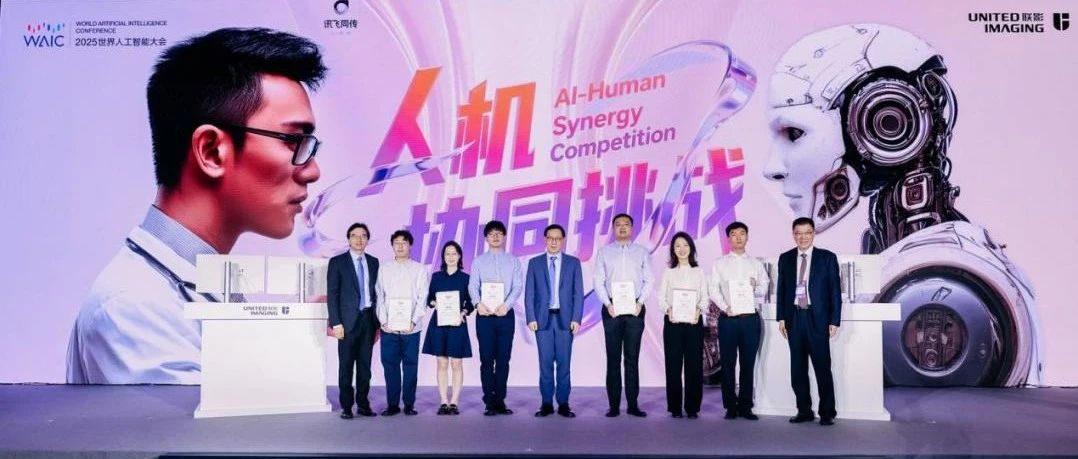
Core Viewpoint - Union Medical and AI technology is advancing in the healthcare sector, with a focus on enhancing diagnostic efficiency and accuracy through intelligent systems [2][12]. Group 1: AI Applications in Healthcare - Union Medical is collaborating with various medical institutions to develop intelligent systems for diagnosing multiple body parts, including the abdomen and brain [2][13]. - The AI application for cancer metastasis has been implemented in over 400 hospitals, indicating a significant expansion of its reach [3][5]. Group 2: Collaboration and Achievements - Since 2018, Union Medical has partnered with Sun Yat-sen University Cancer Center to develop important AI applications, including online adaptive radiotherapy and AI for metastatic tumors [4][5]. - The AI systems for brain and bone metastases have been successfully deployed nationwide, improving the efficiency and precision of cancer care [5][6]. Group 3: Enhancing Patient Experience - The collaboration has led to the creation of a smart consultation solution that streamlines patient information collection and reduces the burden of manual record-keeping for doctors [6][7]. - The AI pre-consultation system allows patients to describe their symptoms interactively and upload previous examination reports, enhancing the overall patient experience [6][7]. Group 4: Efficiency in Imaging Diagnosis - A human-machine collaboration challenge demonstrated that the chest multi-check AI system improved diagnostic efficiency by 25%, allowing for quicker identification of abnormalities [8][9]. - The chest multi-check AI system can automatically detect 73 common chest abnormalities with an average AUC value of 94%, showcasing its diagnostic accuracy [11][12]. Group 5: Future Developments - Union Medical plans to continue developing intelligent systems for various body parts in collaboration with medical institutions, aiming to provide stronger support for clinical diagnosis [13].
产研医等业内人士共话医疗AI普惠路径
Zheng Quan Shi Bao Wang· 2025-07-28 16:45
Core Insights - The forum focused on the inclusive path of medical AI and the construction of a global health ecosystem, featuring key figures from various sectors including medicine, research, and investment [1] - The collaboration between Sun Yat-sen University Cancer Center and United Imaging since 2018 has led to significant advancements in AI applications for cancer treatment, including online adaptive radiotherapy and AI for metastatic tumors [1][2] Group 1: AI Applications in Oncology - The AI applications for detecting brain and bone metastases have been implemented in over 400 hospitals nationwide, enhancing the efficiency and precision of cancer care for more patients [2] - A practical test demonstrated that AI-assisted doctors completed image diagnosis and report writing 25% faster than those without AI support, showcasing the technology's effectiveness in complex cases [2][3] Group 2: Impact on Grassroots Healthcare - The collaboration between United Imaging and Shache County People's Hospital has led to the development of an AI for rapid detection of suspected tuberculosis, improving screening efficiency and accessibility for local residents [3] - The integration of AI technology into healthcare systems is part of a broader initiative supported by national policies aimed at enhancing medical capabilities in rural areas [3]

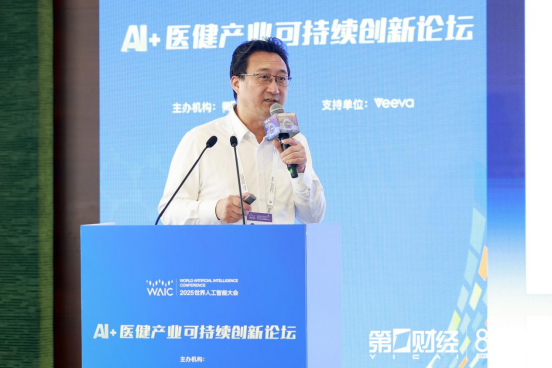
飞利浦大中华区总裁刘令:以人为本,推动医疗AI真正落地
Di Yi Cai Jing· 2025-07-28 12:14
Core Insights - The development of AI in healthcare is at a significant turning point, transitioning from technological exploration to clinical application [2] - The healthcare industry faces common challenges such as physician overload, uneven distribution of quality resources, and weak grassroots capabilities, necessitating structural transformation [2] - Philips invests nearly 10% of its global revenue in R&D, with over half allocated to AI, data, and software, focusing on four key areas: operational efficiency, clinical decision support, expanding healthcare accessibility, and health management [2] Group 1 - AI is seen as a means to enhance productivity for doctors, allowing them to spend more time with patients [2] - The principle behind Philips' AI implementation is centered on being human-centric, trustworthy, and sustainable [2] - AI has the potential to improve healthcare accessibility, exemplified by a remote surgery completed by doctors in Shanghai and a hospital in Tibet [3] Group 2 - Philips aims to transition healthcare AI from being merely "available" to "trustworthy" and from "isolated breakthroughs" to "system integration" [3] - The focus is on leveraging technology as a bridge and collaboration as a foundation to drive advancements in medical AI [3]

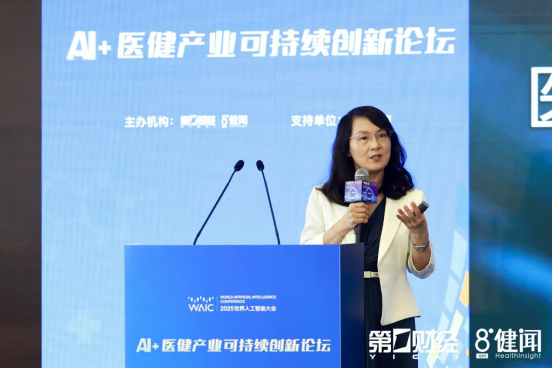
上海申康医院发展中心党委书记赵丹丹:打造“新基建”式医疗AI生态,重塑价值底座
Di Yi Cai Jing· 2025-07-28 12:14
Core Insights - The global medical AI sector is becoming a competitive arena, with significant advancements in technology and application integration in China [2] - The development of AI in healthcare has transitioned from pilot scenarios to ecosystem restructuring, emphasizing the need for a new infrastructure for medical data [2] - Challenges remain in the supply of high-quality data samples and the translation of clinical research into practical applications [2] Group 1: Current State of Medical AI in China - Medical AI in China is experiencing a new wave of integration between technology and practical scenarios, aiming for breakthroughs in efficiency, value, and equity [2] - Over the past decade, China has progressed from the popularization of electronic medical records to AI-assisted diagnosis and intelligent treatment platforms [2] - Shanghai has established itself as a core training base for AI, driven by data [2] Group 2: Challenges in Medical AI Development - There is a shortage of high-quality data samples available for AI training [2] - The proportion of research-oriented hospital beds in China is still low, indicating a gap in achieving research goals [2] Group 3: Practical Applications of AI in Healthcare - AI applications in pediatrics have effectively alleviated the pressure on doctors during consultations [2] - Digitalization of the entire process in oral imaging diagnosis has been achieved [2] - Remote diagnosis for skin diseases is rapidly gaining popularity, along with advancements in smart payment, triage, and follow-up services [2] Group 4: Future Directions for Medical AI - The company suggests promoting interdisciplinary multimodal data integration [3] - Exploration of automated surgical systems is recommended [3] - Development of digital therapies and personalized treatments is encouraged [3] - Strengthening the AI risk governance framework across technology, ethics, and regulations is essential [3]