
医学人工智能

Search documents
“改革创新”——推动医学科技创新和医药产业融合发展
Xin Hua Ri Bao· 2026-02-03 21:30
Core Insights - The government report emphasizes the need for Jiangsu to lead in integrating technological innovation with industrial innovation in the healthcare sector [1] - The focus is on establishing a comprehensive, intelligent health service system centered on health, utilizing AI to enhance multi-disciplinary medical services [1][2] - There is a call for the establishment of a provincial-level "Future Medicine" major technology initiative to advance in cutting-edge fields such as cell and gene therapy, regenerative medicine, and AI-assisted drug development [1] Group 1 - The implementation of a multi-disciplinary diagnostic wisdom platform aims to improve accessibility, precision, and collaboration in medical services [1] - The integration of healthcare data is seen as a core resource for future competition, with a proposal to create a provincial health data authorization mechanism to unlock the potential of dormant data [2] - The need for optimizing talent cultivation is highlighted, with suggestions to attract top scientists and encourage interdisciplinary collaboration to develop composite talents [2] Group 2 - The importance of breaking down barriers between medicine, research, and industry is emphasized to facilitate high-quality development in the pharmaceutical sector [2] - The establishment of innovation joint bodies and concept validation centers between universities, research hospitals, and local biopharmaceutical companies is recommended to create a seamless transition from research to market application [2] - The role of hospitals in the innovation ecosystem is being redefined, with a focus on becoming a source of medical technology innovation and a testing ground for high-end medical equipment [2]


朗玛信息:2025年全年预计净利润1000万元—1450万元
2 1 Shi Ji Jing Ji Bao Dao· 2026-01-30 08:28
Core Viewpoint - The company, Langma Information, has released its performance forecast for 2025, expecting a net profit attributable to shareholders of between 10 million and 14.5 million yuan, with a net profit excluding non-recurring gains and losses estimated between 6.5 million and 9.5 million yuan [1] Group 1: Performance Forecast - The company anticipates a net profit of 10 million to 14.5 million yuan for 2025, with a net profit excluding non-recurring items projected at 6.5 million to 9.5 million yuan [1] - The financial department estimates that, excluding goodwill impairment, the net profit for 2025 could range from 13 million to 18 million yuan [1] Group 2: Reasons for Performance Changes - In 2024, the company recorded a goodwill impairment of 56.648 million yuan due to the acquisition of its wholly-owned subsidiary, Guangzhou Qisheng Information Technology Co., Ltd., leading to a net loss of 51.20997 million yuan [1] - The decline in revenue from the medical information services operated by Qisheng Information and the mobile resale business of its subsidiary, Guiyang Langma Communication Technology Co., Ltd., was influenced by changes in market demand [1] - The company plans to recognize an additional goodwill impairment of approximately 3.6 million yuan based on cautious assessment of future performance and profitability of the related asset group [1] Group 3: Strategic Adjustments - The company is actively adjusting its development strategy, focusing on the research and development of medical artificial intelligence technologies and products [1] - The "39AI Doctor" has been launched, featuring modules for disease diagnosis, case analysis, doctor notes, medical consultations, and voice quick inquiries, targeting the TOB market for medical institutions [1] - The company is implementing strict cost control measures and optimizing its business structure to enhance profitability [1] Group 4: Non-Recurring Gains and Losses - The impact of non-recurring gains and losses on the company's net profit for the current period is estimated to be around 4.29 million yuan, compared to 6.27 million yuan in the same period last year [1]

做好医疗“消费文章” 海南将深化“医、旅、居”多业态融合
Xin Lang Cai Jing· 2026-01-17 03:19
Core Viewpoint - Hainan is set to promote the development of a "licensed medical + health management + rehabilitation" industry chain in 2026, enhancing the integration of medical, tourism, and residential sectors to boost health consumption [1][2] Group 1: Health Industry Development - Hainan will implement the "Three-Year Action Plan for Promoting the Development of the Health Industry" from 2025 to 2027, with significant progress in foreign-funded hospitals, including one signed and two approved for construction [1] - The Boao Lecheng International Medical Tourism Pilot Zone aims to introduce over 100 types of international innovative drugs and medical devices, with 865,300 medical tourists and 123,300 licensed drug and device users expected in 2026 [1] Group 2: Healthcare System Enhancement - Hainan plans to improve grassroots disease prevention and health management capabilities, focusing on public hospital reforms guided by public welfare [1] - The province will enhance the reception capacity of medical institutions for foreign patients, establishing international medical departments in major hospitals to provide efficient services [1] Group 3: Integrated Health Services - A unified comprehensive service platform for the health and wellness industry will be established, promoting integrated management and service upgrades across medical, wellness, and tourism sectors [2] - Hainan will focus on attracting landmark projects in areas such as sports rehabilitation, medical aesthetics, high-end elderly care, and health management through coordinated招商 efforts [2] Group 4: Digital Health Initiatives - The province will advance a new model of digital health in the free trade port, emphasizing information technology, digital support, intelligent development, and international expansion [2] - Hainan aims to strengthen its medical artificial intelligence capabilities and promote the application of large models in various healthcare fields, including remote diagnosis and public health [2] Group 5: International Collaboration - Hainan will enhance international cooperation in suitable medical technologies and wellness industries with ASEAN, the Shanghai Cooperation Organization, and Belt and Road Initiative countries [2] - The province plans to collaborate with top international pharmaceutical companies and research institutions for studies on active ingredients of medicinal plants, new drug development, and clinical trials [2]
金域医学20260115
2026-01-16 02:53
Key Points Summary of 金域医学 Conference Call Company Overview - **Company**: 金域医学 (Kingmed Diagnostics) - **Industry**: Medical Diagnostics and AI in Healthcare Core Insights and Arguments - **AI Medical Model Launch**: 金域医学 launched China's first medical testing industry AI model "小医医", serving over 370,000 doctors with nearly 200,000 active users, indicating its leadership in AI healthcare [2][3] - **Digital Transformation**: The company is actively exploring digital transformation to enhance operational efficiency and develop new business growth points, collaborating with hospitals like 中山三院 and local health authorities [2][5] - **Market Potential**: The AI healthcare market is projected to reach 5-6 trillion RMB, with revenue from AI and data-related businesses expected to exceed 100 million RMB from May to December 2025, and a forecasted revenue range of 50 million to 200 million RMB for 2026 [2][3] - **Strategic Partnerships**: Collaborations with hospitals and pharmaceutical companies are crucial, with hospitals being the main revenue source and pharmaceutical partnerships providing higher profit margins [11][12] Financial Performance and Projections - **Data as Core Asset**: In 2025, data revenue accounted for nearly 30% of total income, with a significantly higher profit margin compared to other AI-related businesses [3][17] - **Profitability Goals**: The company aims for a net profit margin of 6% to 8% in the short term, with strategies to improve efficiency and reduce costs amid hospital fee control pressures [3][20] - **Revenue Growth**: Expected positive revenue growth in 2026, with a focus on expanding into the pharmaceutical market to complement hospital business [20][11] Industry Dynamics - **Government Strategy**: The Chinese government aims for a 70% AI coverage in medical institutions by 2027, indicating strong demand for AI solutions in healthcare [7] - **Market Spending Trends**: Information technology spending in hospitals is expected to rise from 3% to 5% of revenue in the AI era, with the overall healthcare market potentially reaching 5-6 trillion RMB [9][10] - **Cost Control Trends**: Ongoing pressure on hospital testing fees is expected, with strategies in place to enhance efficiency and reduce costs through centralized procurement and digital transformation [19][24] Future Directions - **Product Development**: A detailed product line plan for 2026 includes quarterly releases of new products tailored to various hospital needs, focusing on standardized products and specialized AI applications [13] - **Collaboration Expansion**: Plans to increase partnerships with over 30 pharmaceutical companies, emphasizing the importance of high-quality data and rapid delivery [18][11] - **Focus on Smart Healthcare**: The company aims to become a preferred partner in smart healthcare, leveraging accumulated data and AI technology to support hospitals and related industries [6][28] Additional Important Insights - **Revenue from AI Products**: Hospital demand for AI products varies, with project costs typically ranging from 500,000 to 1 million RMB, and diverse pricing models including one-time fees and revenue-sharing [10] - **Impact of AI Models**: The "遇见医眼" and "小医医" models are foundational for AI applications, with plans to enhance their capabilities for both doctors and patients [15][16] - **Market Trends**: The trend towards outsourcing in large hospitals is expected to grow, driven by cost awareness and improved policy environments, which may lead to rapid revenue increases [24]

家庭医生“找不到、约不上”咋办?
Hang Zhou Ri Bao· 2026-01-09 02:32
Core Insights - The article discusses the evolution of family doctor services in China, emphasizing the transition from passive signing to proactive service delivery through the "Family Doctor Appointment" platform, leveraging the "Internet + Healthcare" model [3][4]. Group 1: Online Interaction and Accessibility - Residents can now interact with their family doctors through WeChat, allowing for easy access to health consultations and services, with over 1.22 million residents engaging in this manner and more than 34.42 million health interactions recorded [4]. - The platform supports various forms of online consultations, including text, voice, and video, enabling residents to receive guidance for common health issues [4]. - The system generates personalized health profiles based on residents' health records, providing targeted health reminders and preventive care information [4]. Group 2: AI Integration in Healthcare - The introduction of the "Anzhener 3.0" AI family doctor assistant offers 24/7 online consultations, capable of multi-turn interactions and basic medical reasoning, while also facilitating referrals to human doctors for complex cases [5]. - This AI integration aims to enhance the efficiency and professionalism of healthcare responses, making family doctors more accessible to residents [5]. Group 3: Home Care Services - The article highlights the importance of providing tangible services, particularly for vulnerable populations such as the elderly and those with chronic illnesses, through home visits by healthcare professionals [7]. - Family doctors can issue long prescriptions for chronic conditions and utilize internet hospital services for home delivery of medications, ensuring continuous care for patients with mobility issues [7]. - Mobile medical units and smart diagnostic equipment are deployed to deliver healthcare services directly to remote areas, with over 93,300 visits conducted in the past year, serving approximately 132,400 residents [7]. Group 4: Referral and Coordination - Family doctors can initiate "cloud referrals" for patients needing specialist care, facilitating priority appointments and insurance benefits, thereby promoting a habit of seeking care through family doctors first [8]. - The "Family Doctor Appointment" platform ensures a closed-loop service process, coordinating care among various healthcare professionals, including nurses and pharmacists, to provide integrated and continuous care [8]. - The increasing engagement metrics suggest a trend towards family doctors becoming an integral part of residents' daily lives, addressing previous challenges in accessibility and appointment scheduling [8].
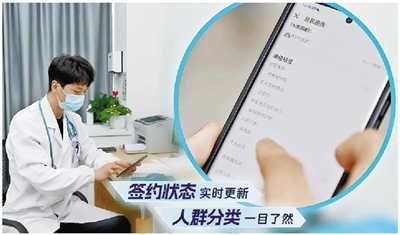
朗玛信息:“39AI 医生”已开发上线疾病诊断等功能模块
Zheng Quan Ri Bao Wang· 2026-01-06 09:11
Core Viewpoint - The company, Langma Information, has strategically focused on the development of medical artificial intelligence based on its accumulated medical data resources and technological foundation [1] Group 1: Company Strategy - The company has developed the "39AI Doctor" platform, which includes features such as disease diagnosis, in-depth case analysis, doctor notes, medical documentation, medical consultation, and voice quick consultation [1] - Currently, the company is primarily promoting its services in the TOB (business-to-business) market, targeting medical institutions [1] Group 2: Future Focus - The company plans to further concentrate on research and innovation in the field of medical artificial intelligence [1] - Stakeholders are encouraged to monitor the company's announcements for updates on the development of related business activities [1]
上海“项目实践计划”培养年轻干部
Xin Lang Cai Jing· 2026-01-06 09:10
Group 1 - The core focus is on building a high-quality, professional cadre team suitable for a socialist modern international metropolis in Shanghai, through the implementation of the "Project Practice Plan" starting in 2024 [1] - The project scope has expanded to include key areas such as economic trade, urban construction planning, legal services, and livelihood development, with a total of 26 projects set up [1] - The plan addresses the issues of young cadres having single experiences and insufficient composite training by selecting projects that require multi-field collaboration to tackle key reform challenges [1] Group 2 - The "Project Practice Plan" serves as a vital channel for identifying and discovering outstanding young cadres, with comprehensive discussions and meetings held to track and cultivate professional cadres [2] - A "four-party collaborative management" mechanism has been established to enhance coordination among the municipal organization department, project leading units, receiving units, and dispatching units for better management and guidance [2] - By 2025, the plan aims to match 83 young cadres through a dual selection process, with 70% coming from state-owned enterprises and 47% being professional technical cadres [1]
浙江推出全球参数最大的开源医疗大模型
Xin Lang Cai Jing· 2025-12-20 13:56
Core Insights - The Zhejiang Artificial Intelligence Application Pilot Base (Medical) has officially opened its industrial park, showcasing significant advancements in AI healthcare technology [1][3] - The AntAngelMed medical model, developed by Ant Group, is the largest open-source medical model globally, featuring a total of 100 billion parameters and utilizing a mixed expert architecture [1][3] Group 1: Model Development and Features - AntAngelMed supports various domestic chips and employs a fully domestic technology route for model development, ensuring data security and system control [1] - The model is capable of deep reasoning and can handle complex clinical scenarios with incomplete information, aiding in precise diagnosis and treatment [3] Group 2: Collaborations and Applications - The model has facilitated innovative services in hospitals, such as the "Jack Anxin Intelligent Agent" developed with Zhejiang University School of Medicine, which provides health analysis and abnormal alerts for heart valve patients [3] - Collaboration with Hangzhou Seventh People's Hospital led to the creation of the "Cloud Mist Spirit" intelligent agent, focusing on psychological counseling and support for adolescents [3] Group 3: Community and Ecosystem Development - The establishment of the "Anzhener" open-source community aims to provide global developers, research institutions, and innovative enterprises with access to open-source medical models and common development tools [3] - This initiative is intended to build a collaborative ecosystem for medical AI, promoting open communication and innovation in the field [3]
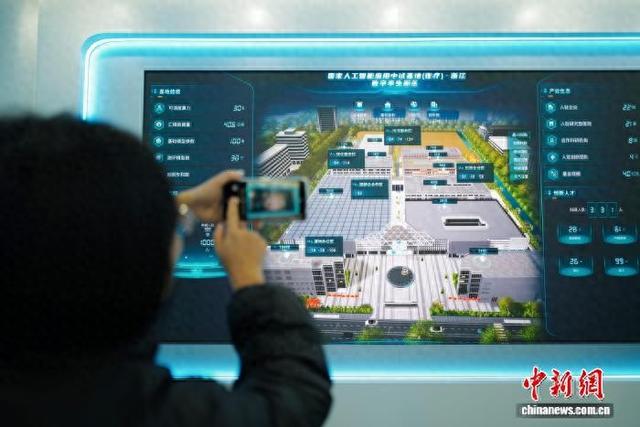
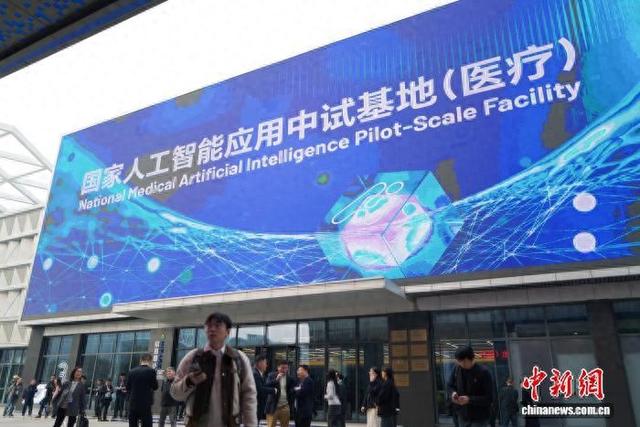
国家人工智能应用中试基地(医疗)·浙江发布年度成果
Xin Lang Cai Jing· 2025-12-20 12:56
Core Insights - The Zhejiang Artificial Intelligence Application Pilot Base (Medical) has officially opened its annual achievements and service operations, marking a significant milestone in the development of medical AI in China [1] Group 1: Base Operations and Services - The Zhejiang base has launched its pilot services, integrating five core capabilities: computing power, data, models, evaluation and verification, and transformation and promotion, providing comprehensive support for medical AI innovation [2] - The "Anzhener" medical intelligent system version 3.0 has been released, enhancing services for both doctors and residents, with 42 service offerings and over 1,800 registered users, serving more than 130 million people since its initial launch in 2023 [2] Group 2: Infrastructure and Collaboration - The Zhejiang base is located in Xiaoshan District, covering an area of 119,000 square meters and has attracted 20 enterprises to settle in [2] - Collaborations have been established with prominent institutions such as Zhejiang University and the Chinese Academy of Medical Sciences to create a medical AI industry academy and a graduate training base, partnering with 30 leading companies for ecosystem cooperation [2] Group 3: Policy Support and Data Resources - The base has introduced a "Five Needs, Five Provides" policy to support enterprises, addressing challenges in resource assurance, scenario validation, and market promotion [2] - The base has accumulated 30 EFlops of computing power and gathered 40 billion health and medical data records, providing services for data collection, cleaning, labeling, cataloging, secure circulation, and compliant trading [3] Group 4: Future Vision and Collaboration - The base aims to establish itself as an "international first-class" facility, focusing on the "1+5+6+N" framework to create high grounds for pilot verification, industry applications, and industrial ecology in medical AI [3] - The base invites talents from the medical, technology, and industrial sectors to form a broad "innovation alliance" to share development opportunities and create a prosperous future [3]
江苏推出医院大模型“定制神器”
Xin Hua Ri Bao· 2025-12-16 21:55
Core Insights - The integration of artificial intelligence (AI) in healthcare is advancing, with a focus on enabling grassroots hospitals to develop their own AI models for precise diagnosis, particularly for rare diseases [1][2]. Group 1: AI Model Development - The "AI-assisted diagnosis and treatment model generation and reasoning integrated system" was launched by the Suzhou Institute of Biomedical Engineering and Technology, allowing hospitals to create tailored AI models using their own data [2]. - This system serves as a one-stop platform for hospitals, integrating core algorithms, data governance, intelligent annotation, model training, and validation testing [2]. - Hospitals can quickly establish screening, diagnostic, or prognostic models for specific diseases, adapting to regional patient characteristics [2]. Group 2: Clinical Applications - The system has shown effectiveness in pediatric applications, improving diagnostic accuracy for conditions like pediatric megacolon from 77% to 87% by incorporating various parameters [3]. - In critical care scenarios, the system can rapidly identify pneumonia pathogens, aiding in timely treatment decisions [3]. - Pilot applications of the system have been implemented in several hospitals, including Huashan Hospital and Jiangsu Provincial Cancer Hospital, with ongoing optimizations based on clinical feedback [3]. Group 3: AI as a Decision Partner - AI is evolving from a mere tool to a decision-making partner in clinical workflows, with advancements in surgical robotics and multimodal perception technologies [4]. - The integration of AI into every stage of healthcare, from prevention to rehabilitation, is emphasized as essential for enhancing clinical practices [4][5]. - The development of cost-effective AI diagnostic systems for grassroots healthcare institutions is crucial for improving diagnostic capabilities and patient satisfaction [5]. Group 4: Industry and Policy Support - Jiangsu province is fostering a collaborative ecosystem for medical AI, supported by local universities and policies that promote technological implementation [5][6]. - The focus is on creating a value cycle that connects basic algorithm innovation, clinical application, and product deployment to enhance the national medical AI industry [6].