电信网络诈骗

Search documents
白家犯罪集团案一审宣判 5名被告人被判死刑
Zhong Guo Xin Wen Wang· 2025-11-04 09:29
Core Points - The Shenzhen Intermediate People's Court sentenced five members of the Bai family crime group to death for their involvement in various criminal activities, including telecom fraud and murder [1][2] - The court found that the crime group, led by Bai Suocheng and Bai Yingcang, engaged in organized crime that resulted in over 29 billion RMB in illegal funds and multiple fatalities [2] Group 1 - The Bai family crime group utilized their influence in the Kokang region of Myanmar to establish various businesses and attract investors, providing armed protection for their operations [2] - The group was involved in a range of criminal activities, including telecom fraud, gambling, murder, and drug trafficking, with significant financial implications [2] - The court's decision reflects the severity of the crimes committed, with the sentences based on the nature and impact of the offenses on society [2]
白所成、白应苍、杨立强、胡小姜、陈广益,被判死刑
券商中国· 2025-11-04 06:53
Core Points - The Shenzhen Intermediate People's Court sentenced members of the Bai family crime group, with five defendants receiving the death penalty and others receiving varying sentences for their involvement in serious crimes including fraud, murder, and drug trafficking [1][2]. Group 1 - The Bai family crime group, led by Bai Suocheng and Bai Yingcang, utilized their influence in the Kokang region of Myanmar to establish various businesses and engage in criminal activities, resulting in over 29 billion yuan in illegal funds [1]. - The group was involved in multiple criminal activities including telecommunications fraud, operating casinos, murder, assault, kidnapping, extortion, forced prostitution, and human trafficking, leading to the deaths of six Chinese citizens and injuries to others [1][2]. - Bai Yingcang was also implicated in the production and trafficking of approximately 11 tons of methamphetamine [1].

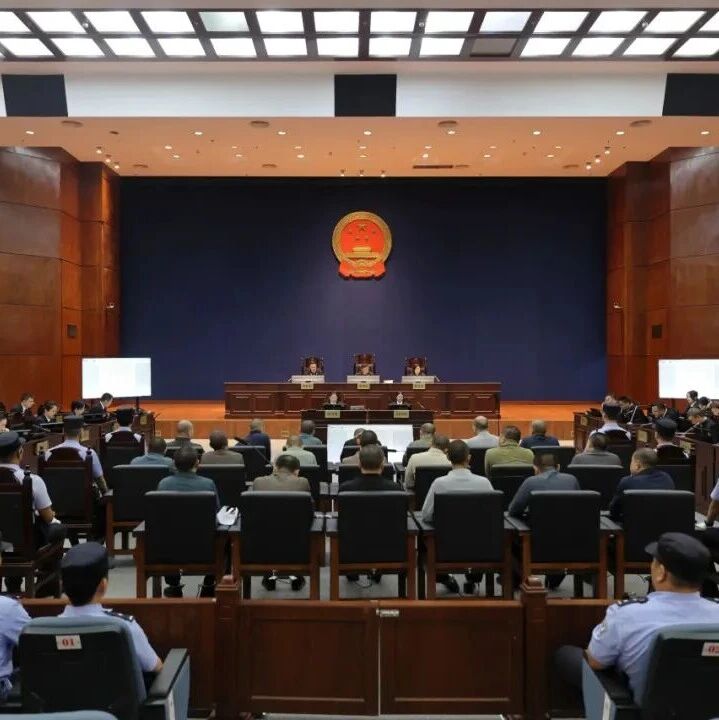
白所成、白应苍、杨立强、胡小姜、陈广益,被判死刑!白家犯罪集团涉赌、诈等资金290余亿,造成6名中国公民死亡、1名中国公民自杀
Zhong Guo Ji Jin Bao· 2025-11-04 06:13
Core Points - The Shenzhen Intermediate People's Court publicly announced the verdict of the Bai family criminal group case on November 4, 2025, sentencing five defendants to death and others to varying prison terms [1][2] - The Bai family criminal group, led by key members Bai Suocheng and Bai Yingcang, was involved in various criminal activities including telecom fraud, gambling, murder, and drug trafficking, with financial implications exceeding 29 billion yuan [1][2] Summary by Category Criminal Activities - The Bai family criminal group engaged in multiple criminal activities such as telecom network fraud, operating illegal casinos, intentional homicide, and drug trafficking, resulting in significant social harm [1][2] - The group was responsible for the deaths of six Chinese citizens and injuries to several others, alongside the suicide of one individual [1] Legal Proceedings - The court found the defendants guilty of 12 different charges, including fraud and intentional homicide, based on the severity and nature of their crimes [2] - Sentences included death penalties, life imprisonment, and various prison terms ranging from 20 years to 3 years, along with fines and asset confiscation [1][2]
白家犯罪集团案一审宣判
证券时报· 2025-11-04 04:54
Group 1 - The Shenzhen Intermediate People's Court sentenced members of the Bai family crime group, with five defendants receiving the death penalty and others receiving varying sentences, including life imprisonment and long-term imprisonment [1][2] - The Bai family crime group, led by Bai Suocheng and Bai Yingcang, was involved in various criminal activities, including telecom fraud, murder, and drug trafficking, with financial damages exceeding 29 billion yuan [2] - The court found that the defendants committed multiple crimes, including fraud, intentional homicide, and organized prostitution, reflecting the severity of their actions and the impact on society [2] Group 2 - The trial was attended by representatives from the National People's Congress, members of the Chinese People's Political Consultative Conference, family members of the victims, and the public [3]

5人死刑!白家犯罪集团案一审宣判
21世纪经济报道· 2025-11-04 04:23
Core Viewpoint - The Shenzhen Intermediate People's Court has publicly pronounced the verdict on the Bai family criminal group case, highlighting the extensive criminal activities and severe penalties imposed on the key members of the group [1][2]. Group 1: Criminal Activities - The Bai family criminal group, led by Bai Suocheng and other core family members, engaged in various criminal activities including telecommunications fraud, operating casinos, intentional homicide, and drug trafficking, resulting in over 29 billion yuan in illicit funds [2]. - The group utilized their influence in the Kokang region of Myanmar to establish multiple business ventures, such as hotels and technology parks, which served as fronts for their criminal operations [2]. Group 2: Court Verdict - The court sentenced five key defendants, including Bai Suocheng and Bai Yingcang, to death, while two others received death sentences with a two-year reprieve [3]. - Additional defendants received life sentences or varying terms of imprisonment, along with fines and asset confiscation as part of the penalties [3].

白家犯罪集团案一审宣判:5人被判死刑
财联社· 2025-11-04 04:15
Core Viewpoint - The Shenzhen Intermediate People's Court sentenced members of the Bai family crime group for various serious crimes, highlighting the extensive criminal activities and the significant social harm caused by organized crime in the region [1][2]. Summary by Sections Criminal Activities - The Bai family crime group, led by Bai Suocheng and Bai Yingcang, engaged in a range of criminal activities including telecommunications fraud, operating illegal casinos, murder, assault, kidnapping, extortion, forced prostitution, and human trafficking, with financial involvement exceeding 29 billion yuan [1][2]. - The group utilized their influence in the Kokang region of Myanmar to establish various businesses and attract investors, providing armed protection for their operations [1]. Court Sentencing - The court sentenced five key members to death, two to death with a two-year reprieve, and others to life imprisonment or varying terms of imprisonment, reflecting the severity of their crimes and the impact on society [2]. - The court's decision was based on the nature and circumstances of the crimes, as well as the degree of harm caused to society [2]. Public Involvement - The sentencing was attended by representatives from various sectors, including NPC deputies, CPPCC members, and family members of the victims, indicating the public interest and concern regarding organized crime [3].

男子进金店豪购黄金,店员当场报警,民警一查发现……
Sou Hu Cai Jing· 2025-10-29 13:11
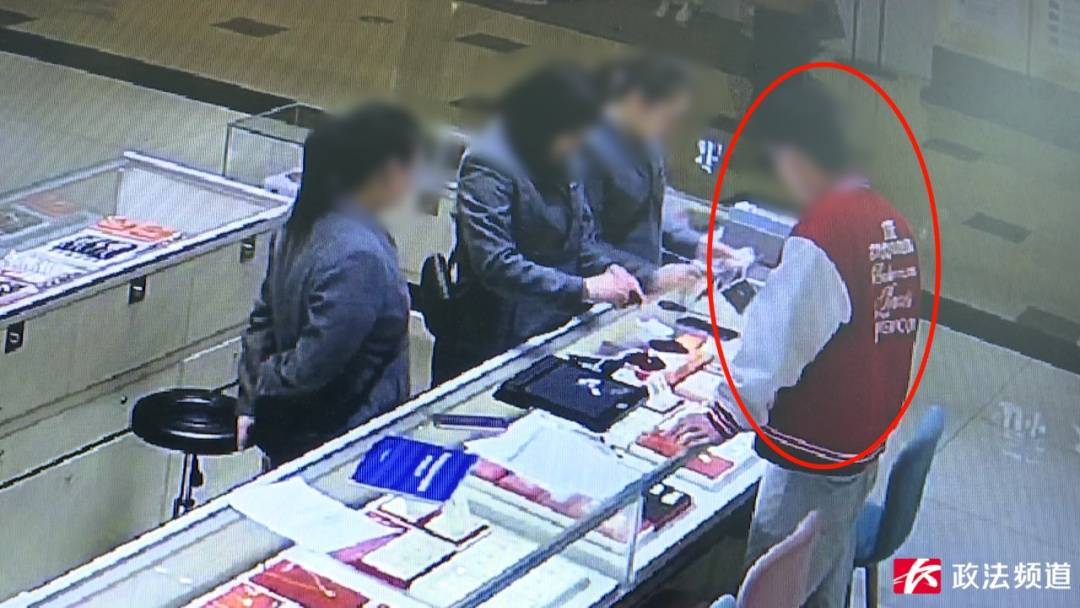
Core Points - A suspicious individual purchased 82.5 grams of gold worth 88,000 yuan in a jewelry store, raising alarms among staff who reported the incident to the police [1] - The individual was found to be from another province with no prior activity in Changsha, and his identification information did not match the purchase details, indicating potential fraud [1][3] - The police discovered that the suspect was involved in a money laundering scheme for a telecom fraud gang, using a shopping card to buy large amounts of gold to "clean" the illicit funds [3] Summary by Sections - **Incident Description** - A man purchased 82.5 grams of gold for 88,000 yuan, which triggered suspicion among the jewelry store staff [1] - The police were alerted and found discrepancies in the suspect's identity and behavior during the purchase [1] - **Investigation Findings** - The suspect had no previous records in Changsha and exhibited unusual behavior during the transaction [1] - Upon further investigation, 150 grams of gold were recovered from the suspect's location [3] - **Criminal Activity** - The suspect was aiding a telecom fraud gang by transferring funds and concealing criminal proceeds [3] - The police issued a warning to the public about the risks of large cash withdrawals or gold purchases directed by others, emphasizing the legal implications of assisting in money laundering [3]
接个电话就中招?详细拆解电诈“引流”套路
Qi Lu Wan Bao· 2025-10-23 08:19
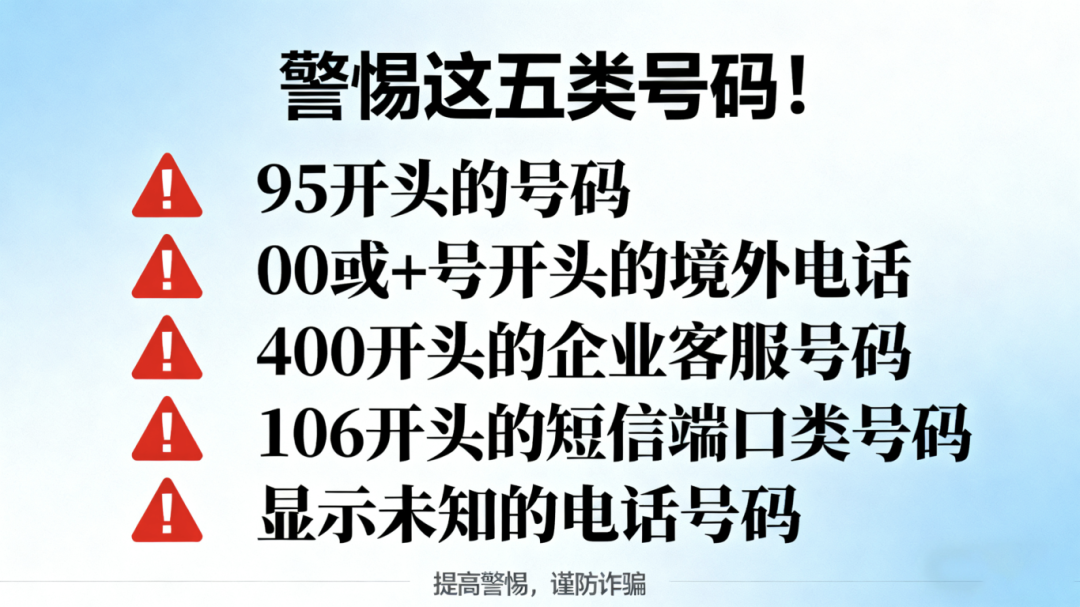
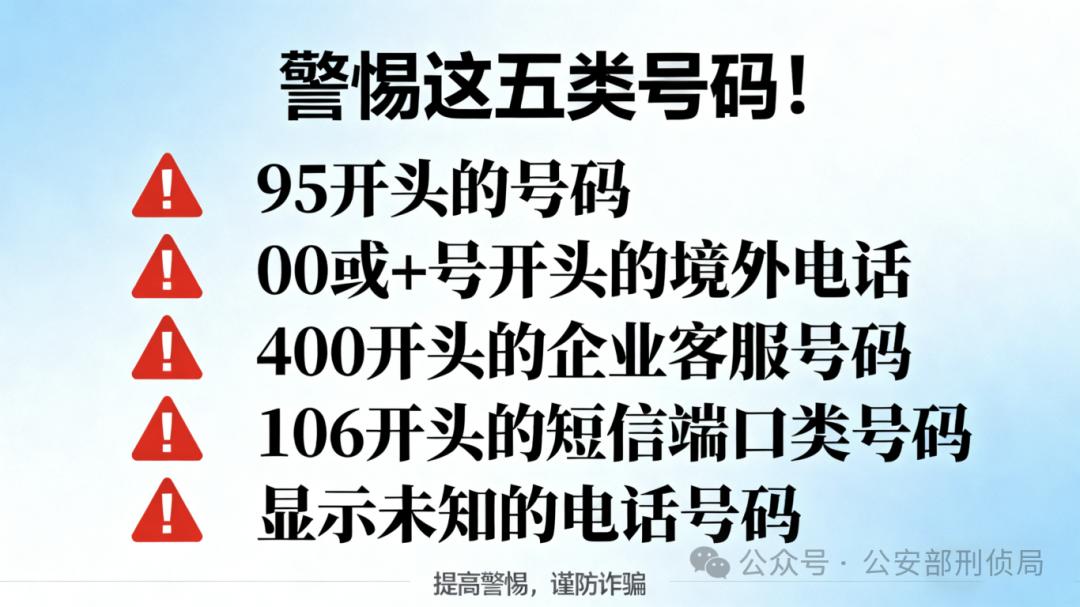
Core Viewpoint - The article discusses the three main stages of telecom network fraud: the lead generation stage, the fraud stage, and the money laundering stage. It emphasizes the importance of vigilance in recognizing and avoiding potential scams. Group 1: Lead Generation Methods - The lead generation methods can be categorized into three types: phone and SMS leads, online network leads, and offline physical leads [1] - Common phone and SMS lead types include: 1. Numbers starting with 95, which may indicate overseas scam calls [3] 2. Numbers starting with 00 or +, which are likely international calls [3] 3. 400 numbers, typically used for customer service, which may also be scams [3] 4. 106 numbers, often used for mass SMS, which can contain phishing links [3] 5. Unknown numbers, which should be hung up immediately [3] - Scammers are using advanced technologies like GOIP and VOIP to disguise their calls as local numbers, making it easier for them to deceive victims [5] Group 2: Online Network Leads - Scammers utilize social media and live streaming platforms to promote investment courses, no-threshold part-time jobs, and high-paying overseas work opportunities [8] - They lure victims into private groups under the guise of investment guidance, often taking months to build trust before executing the scam [8] Group 3: Offline Physical Leads - Scammers may send unsolicited packages containing items with QR codes, enticing victims to scan them to receive more gifts [12] - Street vendors may offer free gifts in exchange for scanning QR codes, which can lead to scams [14] - Special QR codes on yellow cards, often associated with illicit services, are also used to attract victims [16] - All these methods aim to lead victims to scam groups or fraudulent platforms, where they may be manipulated into downloading scam apps or engaging in fraudulent activities [18] Group 4: Prevention Tips - The article provides a mnemonic for fraud prevention: do not trust unknown calls, do not click unknown links, do not disclose personal information, and verify before transferring money [18]
大连警方公布4起电信网络诈骗典型案例
Zhong Guo Xin Wen Wang· 2025-10-22 11:26
Group 1 - Dalian police announced four typical cases of telecom network fraud, highlighting that these cases, while seemingly unrelated to fraud itself, play a crucial role in facilitating telecom fraud as part of a larger criminal chain [1][2] - In one case, five suspects illegally bought and sold 50,000 pieces of personal information, using this data for telecom fraud and earning over 50,000 RMB. They were apprehended in Ganjinzi District [1] - Another case involved a group that lured individuals into obtaining phone cards under the pretext of "gifts for card applications," later selling the information to fraudsters for illegal gains exceeding 100,000 RMB [1] Group 2 - A suspect named Chen rented out his bank cards for telecom fraud, leading to over 1 million RMB in fraudulent activities. He was detained by police for his involvement [2] - Another individual, Zhang, sold a newly activated phone card for 300 RMB, which was subsequently used in a telecom fraud scheme that defrauded victims of over 30,000 RMB. He faced administrative detention and a fine [2] - Dalian police emphasized the importance of not falling for the temptation of easy money and maintaining a zero-tolerance policy towards such illegal activities, aiming to dismantle the fraud-related black and gray industry chains [2]
公安部刑侦局详解:你是如何被诈骗团伙盯上的?
Yang Shi Wang· 2025-10-22 10:08
Core Viewpoint - The article discusses the three main stages of telecom network fraud: the lead generation stage, the fraud stage, and the money laundering stage. It emphasizes the importance of recognizing and avoiding various deceptive tactics used by fraudsters to protect personal and financial information. Group 1: Lead Generation Tactics - The lead generation stage involves fraudsters selecting targets through various deceptive methods, such as phone calls, text messages, and online interactions [1]. - Common lead generation methods include three categories: phone and text message leads, online network leads, and offline physical leads [1]. - Phone and text message leads can involve suspicious numbers, such as those starting with 95, 00, or 400, which may indicate potential scams [3][4]. Group 2: Online Network Leads - Fraudsters utilize social media and live streaming platforms to promote investment courses, easy jobs, and other enticing offers to attract victims [10]. - They often lure victims into private groups under the guise of investment guidance, which can lead to scams after a period of trust-building [10]. Group 3: Offline Physical Leads - Offline tactics include sending unsolicited packages with QR codes that lead to fraudulent platforms or groups [13][17]. - Street promotions offering free gifts in exchange for scanning QR codes can also be a method to draw individuals into scams [15]. - Special QR codes found on cards in public places may appear innocuous but are often linked to fraudulent activities [17]. Group 4: Prevention Tips - The article provides a mnemonic for fraud prevention: do not trust unknown calls, do not click on unknown links, do not disclose personal information, and verify before transferring money [19].