Autonomous driving

Search documents
Tesla Cleared To Test Self-Driving Robotaxis In Arizona, Expanding Ambitions Beyond Austin - Alphabet (NASDAQ:GOOG), Amazon.com (NASDAQ:AMZN)
Benzinga· 2025-09-20 07:13
Core Insights - Tesla Inc. has received approval to test self-driving robotaxi cars in Arizona, marking a significant step in its ride-hailing service rollout across the U.S. [1][2] - The approval follows Tesla's initial robotaxi trials in Austin, Texas, where approximately a dozen vehicles were tested with safety monitors [3]. - Tesla aims to launch its autonomous ride-hailing services to reach about half of the U.S. population by the end of 2025 [3]. Regulatory Environment - The Arizona Department of Transportation confirmed the approval for testing in the Phoenix Metro area, with safety drivers on board [2]. - Recent announcements from Transportation Secretary Sean Duffy indicate that the National Highway Traffic Safety Administration (NHTSA) will ease regulations on autonomous driving, benefiting Tesla's ambitions [4]. - However, there are mixed signals regarding regulation, as some officials are calling for stricter oversight of autonomous driving [4][5]. Competitive Landscape - Tesla faces increasing competition in the robotaxi market from established players such as Waymo (Alphabet Inc.) and Zoox (Amazon.com Inc.) [5]. - The stock price of Tesla closed at $426.07, reflecting a 2.21% increase [5]. Performance Metrics - Tesla's Momentum score is 91.28 and its Growth score is 75.57, indicating a positive price trend across short, medium, and long-term periods [6].


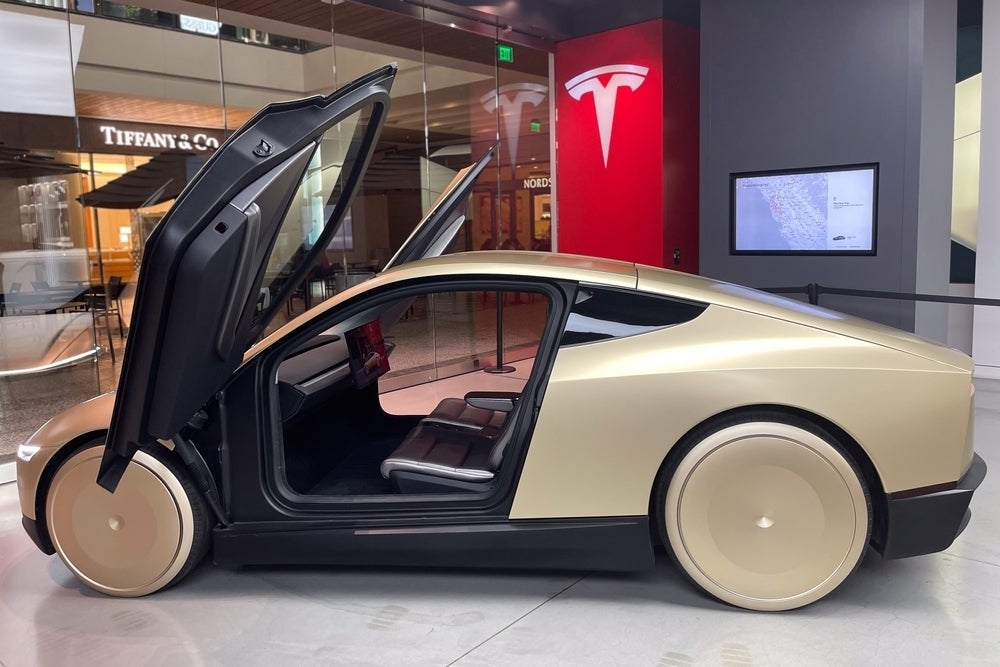
Waymo, Via to Offer Autonomous Public Transit Rides in Arizona
Insurance Journal· 2025-09-19 05:00
Core Insights - Via Transportation Inc. has partnered with Waymo to launch autonomous shared rides in Chandler, Arizona, starting this fall [1][2] - The initiative aims to enhance the existing Flex service, allowing users to book driverless rides during high demand periods [1][2] Group 1: Company Developments - Via Transportation Inc. went public last Friday and is focusing on expanding its public transit software capabilities [1] - Waymo, a self-driving unit of Alphabet Inc., is expanding its public partnerships to introduce autonomous services in new cities [2] Group 2: Service Details - The driverless rides will be available during the same operating hours and at the same price of $2 per ride as the city's Flex program [3] - Waymo's integration into Chandler's transit program aims to improve vehicle utilization while providing affordable transportation options [3] Group 3: Technology and Compliance - Via has implemented demand-matching and routing technology for the Flex service since the partnership began in 2022, allowing city officials to monitor performance and meet federal compliance requirements [2]

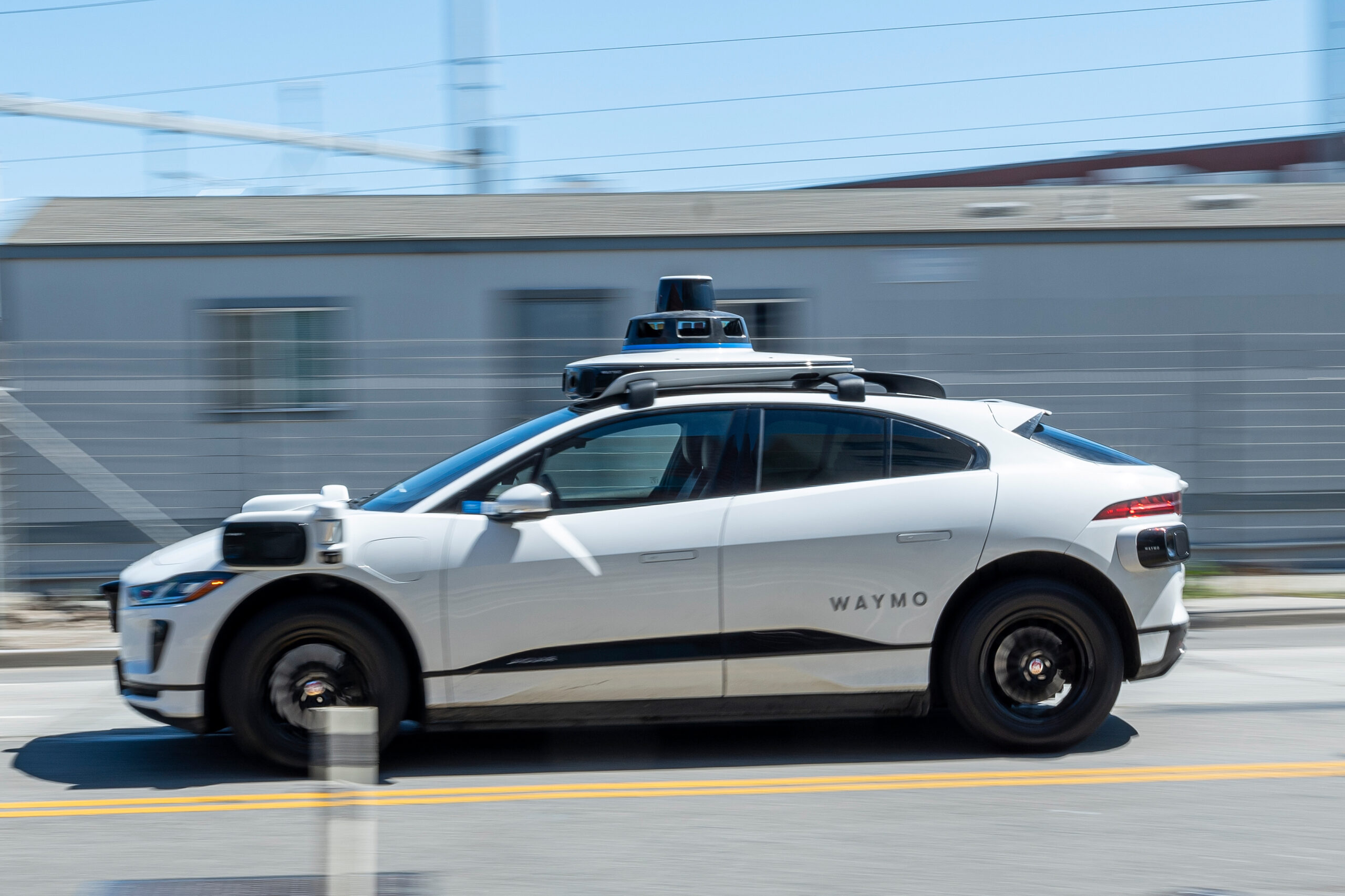
Via, Waymo Partner on Autonomous Public Transit Rides in Arizona
Youtube· 2025-09-18 19:03
Core Insights - Waymo is leveraging advanced technology to enhance local transit systems, particularly during peak demand times, by integrating autonomous vehicles into existing services [2][4] - The partnership with local governments aims to provide efficient transportation solutions for underserved communities, including low-income individuals, seniors, and people with disabilities [4][10] - The collaboration with Lyft and other companies signifies a growing trend in the adoption of autonomous vehicles and robo-taxi services, which could lead to significant expansion opportunities in various cities [10][12] Group 1: Technology and Efficiency - Waymo's mission focuses on using advanced algorithms and autonomous vehicles to improve public transportation efficiency, especially in cash-strapped municipalities [6][8] - The integration of autonomous vehicles is expected to reduce operational costs while maintaining or enhancing service quality for residents [9][10] - The company aims to facilitate rapid adoption of these technologies by local governments, which traditionally lag in technological advancements [7][8] Group 2: Market Expansion and Partnerships - There is a significant opportunity for Waymo to expand its services to hundreds of cities globally through partnerships with various autonomous vehicle providers [12][13] - The collaboration with Lyft and potential partnerships with other companies like Uber highlight the competitive landscape and the need for strategic alliances in the autonomous vehicle market [10][11] - Educating consumers, particularly those from underserved communities, about the benefits and safety of autonomous vehicles will be crucial for market acceptance [13][14]

Lyft (LYFT) Rockets to New Record High on Nashville Autonomous Driving Launch
Yahoo Finance· 2025-09-18 14:46
Group 1 - Lyft, Inc. achieved a new all-time high share price of $23.50 during intra-day trading, closing at $22.84, reflecting a 13.13% increase [1] - The surge in Lyft's stock price is attributed to its partnership with Waymo to launch autonomous driving services in Nashville, Tennessee [1][2] - Under the partnership, Lyft will manage vehicle maintenance, infrastructure, and depot operations for the Nashville fleet through its subsidiary Flexdrive [2] Group 2 - Lyft will construct a dedicated facility for managing the autonomous vehicle fleet, which will include charging and vehicle service capabilities [3] - Lyft's CEO, David Risher, emphasized the synergy between Waymo's autonomous technology and Lyft's customer service and fleet management expertise [3]
Is Elon Musk Already Giving Up on Tesla's Robotaxis?
The Motley Fool· 2025-09-18 08:37
Core Viewpoint - Elon Musk's recent focus on the Optimus robot suggests a shift away from the previously hyped robotaxi initiative, raising questions about the future of Tesla's autonomous vehicle strategy [4][5]. Group 1: Robotaxi Development - Tesla launched a small robotaxi fleet in Austin, expanding from 10 to 30 vehicles between June and late August [3]. - Musk previously claimed that a robotaxi network could make Tesla the most valuable company globally, with projections of a $5 trillion valuation from supporters [2]. - Despite initial enthusiasm, Musk has been quiet about the robotaxi business since its launch, indicating a potential shift in focus [3][4]. Group 2: Future Projections - Musk stated that "80% of Tesla's value will be Optimus," suggesting that he believes the robot will surpass the value of both Tesla's core EV business and the robotaxi initiative [4][5]. - The timeline for Optimus's impact remains unclear, but Musk's comments indicate a belief in its future significance [5]. Group 3: Market Position and Competition - Tesla's market share in EVs has fallen to 38%, the lowest since 2017, indicating a potential loss of its previously defined market position [9]. - Competitors like Alphabet's Waymo and Amazon's Zoox are also entering the robotaxi space, highlighting the competitive landscape [11]. Group 4: Financial Performance and Stock Valuation - Tesla's stock has seen recent gains, partly fueled by Musk's purchase of $1 billion in stock and ongoing promises about robotics [9]. - The company currently trades at a high price-to-earnings ratio close to 200, with expectations of falling revenue and profits this year [12].
Lyft stock surges 13% on Waymo robotaxi deal in Nashville
Yahoo Finance· 2025-09-17 20:07
Core Insights - Lyft's stock surged 13% following the announcement of a partnership with Alphabet's Waymo to launch an autonomous ride-hailing service in Nashville next year [1][6] - The initial phase allows riders to hail driverless cars through the Waymo app, with plans for integration into Lyft's platform by 2026 [2] - The partnership positions Lyft to better compete with rivals like Uber and Tesla without the need to develop autonomous technology in-house [5] Industry Overview - The robotaxi market is rapidly evolving, with major players like Tesla and Zoox also testing their services in various locations [3] - Waymo is currently leading the market, offering paid robotaxi rides in cities such as San Francisco, Phoenix, Los Angeles, and Austin [3] - Goldman Sachs estimates the traditional ride-hailing market in the US is valued at approximately $58 billion, with projections of over $330 billion by 2030, driven by robotaxi services [4] Competitive Landscape - Waymo's collaboration with Lyft is significant as it also has partnerships with Uber for robotaxi services in Atlanta and Austin, impacting Uber's stock which fell about 5% post-announcement [2] - Lyft's year-to-date stock performance shows a 70% increase, compared to Uber's 48%, although Uber's market cap of $195 billion significantly overshadows Lyft's $9 billion valuation [5]
Lyft Shares Boom 14% As Rideshare Firm Announces Waymo Partnership
Forbes· 2025-09-17 19:50
Group 1 - Lyft shares increased by as much as 14%, reaching a three-year high after announcing a partnership with Waymo [1][2] - The partnership will introduce Waymo's robotaxi service to Nashville, expanding its existing services in several major cities [2] - Lyft will be responsible for vehicle maintenance, infrastructure, and depot operations as part of the agreement [2] Group 2 - Lyft's stock has risen significantly since its second quarter earnings report in August, despite missing revenue and earnings expectations [5] - The company reported $4.5 billion in gross bookings, marking a 12% year-over-year increase [5] - Waymo aims to expand its autonomous ride services to additional cities, with plans to offer around one million rides per week by the end of next year [5]
Lyft's Risher calls Waymo partnership 'just the start' (LYFT:NASDAQ)
Seeking Alpha· 2025-09-17 18:21
Core Insights - Lyft's CEO David Risher emphasized that the partnership with Waymo for autonomous ride-sharing in Nashville is just the beginning for the company [2] - Risher stated that Lyft has sufficient demand to keep Waymo's autonomous vehicles operational [2]
'Daddy Is Very Much Home,' Says Elon Musk, Reiterating Commitment To Tesla Amid $1 Billion TSLA Stock Buy
Yahoo Finance· 2025-09-17 18:01
Core Insights - Tesla Inc. CEO Elon Musk has reaffirmed his commitment to the company amid a stock rally, which was further boosted by his recent $1 billion share purchase [1] - The stock price of Tesla crossed the $400 mark on NASDAQ, indicating strong market performance [2] - Musk is actively involved in various technical and operational aspects of Tesla, including AI chip design and production plans for the Optimus robot and vehicles [4] Group 1 - Musk's recent activities include deep technical reviews for the Tesla AI5 chip design and overseeing progress at the Colossus II data center [4] - He has been engaged in extensive meetings focusing on AI/Autopilot, Optimus production plans, and vehicle production and delivery [4] - Investor Dan Ives from Wedbush Securities noted that Musk is in "Wartime CEO mode," highlighting the significant market opportunities in autonomous driving and artificial intelligence, estimated at $1 trillion for Tesla [5]
Chart of the Day: Uber and Lyft
Youtube· 2025-09-17 17:05
Core Viewpoint - Lyft shares have surged over 13% following the announcement of a partnership with Alphabet's Whimo to launch a robo-taxi service in Nashville, while Uber shares have declined by about 5% [1][12]. Company Performance - Lyft's stock has increased nearly 80% year-to-date and is up 133% from its April low, indicating strong market performance [3]. - Uber's market capitalization is approximately $194 billion, while Lyft's is around $9 billion, highlighting the significant size difference between the two companies [2][5]. Partnership Impact - The partnership with Whimo is Lyft's first and is seen as a critical development for the company, potentially allowing it to regain visibility in the market [4][10]. - The competitive dynamics between Lyft and Uber may shift due to this partnership, as it could limit Uber's pricing power in certain markets [6][11]. Market Positioning - Despite the positive news for Lyft, there are concerns about its ability to compete effectively with Uber, which has a more established infrastructure and partnerships in various cities [9][10]. - Lyft's model is perceived as cheaper than Uber's, but the overall competitive balance remains in favor of Uber due to its larger market share and operational scale [8][11].