
以台制华

Search documents
高市早苗妄图“以台制华”不会得逞
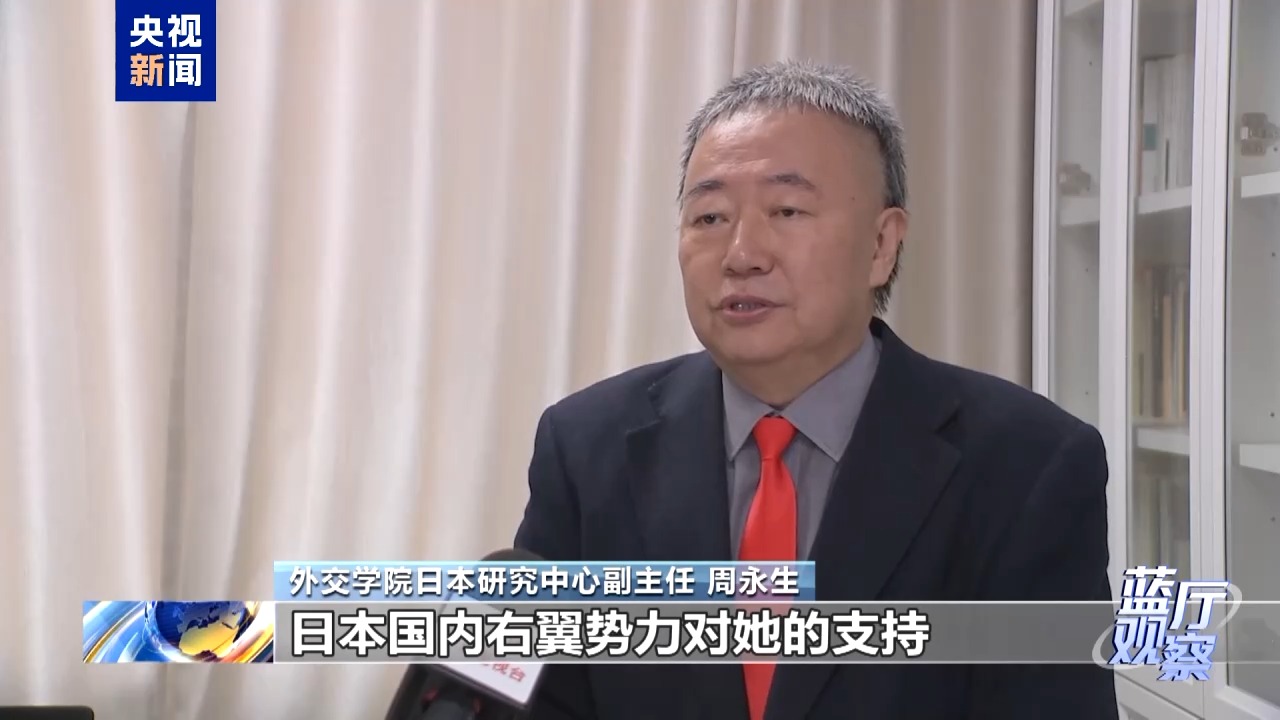
Yang Shi Xin Wen Ke Hu Duan· 2025-11-19 05:46
Core Viewpoint - The recent provocative remarks by Japanese Prime Minister Sanae Takaichi regarding Taiwan have elicited strong responses from Chinese diplomatic and defense authorities, highlighting the tensions in cross-strait relations and Japan's historical insensitivity [1][8]. Group 1: Strategic Intentions - Experts suggest that Takaichi's comments are aimed at using Taiwan as a strategic leverage point in geopolitical games, reflecting a series of underlying strategic intentions [1]. - The remarks are seen as an attempt to deter China and assert Japan's dominance in East Asia, while also catering to domestic right-wing factions that support her [3]. - Takaichi's statements are perceived as providing encouragement to pro-independence forces in Taiwan, further complicating the regional dynamics [3]. Group 2: Challenges to Sino-Japanese Relations - Takaichi's remarks pose a serious challenge to the political foundation of Sino-Japanese relations, which are governed by four key political documents that affirm commitments regarding Taiwan [5]. - The comments are viewed as a violation of Japan's political commitments and international legal obligations, which could exacerbate existing economic and cultural barriers between the two nations [7]. - The situation underscores the need for Japan to adhere to its political promises and international law to maintain regional peace [7]. Group 3: Reactions from Taiwan - Takaichi's statements have been met with widespread condemnation from various sectors in Taiwan, with over 30 organizations publicly protesting against her remarks [8]. - Taiwanese commentators argue that Takaichi's rhetoric reflects a persistent desire among Japanese right-wing factions to revive militarism, which poses a threat to Taiwan's sovereignty [10]. - The backlash indicates a strong rejection of any attempts to involve Taiwan in Japan's military ambitions, emphasizing that pro-independence movements will not succeed [10].

起底高市早苗黑历史
财联社· 2025-11-19 03:19
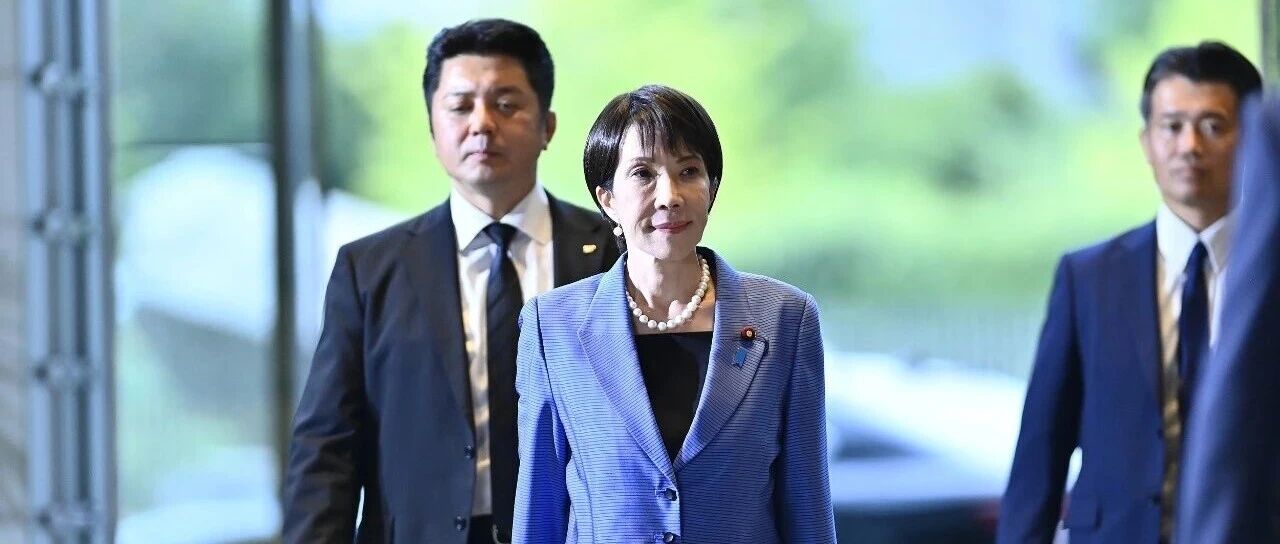
Core Viewpoint - The article discusses the political trajectory of Takashi Sanae, highlighting her extreme right-wing views and controversial actions throughout her career, particularly regarding Japan's historical issues and Taiwan relations [1][2]. Group 1: Political Background - Takashi Sanae became Japan's 104th Prime Minister under a strong right-wing conservative coalition, indicating a shift towards extreme conservatism in Japanese politics [2]. - Her political career began in 1993 when she was elected to the House of Representatives as an independent candidate, showcasing her early involvement in politics [2]. Group 2: Historical Stance - Sanae publicly questioned former Prime Minister Murayama Tomiichi's acknowledgment of Japan's wartime aggression, criticizing the "Murayama Statement" for lacking specificity and emotional bias [4]. - She has denied the existence of "comfort women" and criticized the "Kono Statement," which acknowledged Japan's wartime actions [4]. Group 3: Military and Nationalism - After joining the Liberal Democratic Party in 1997, Sanae became closely associated with former Prime Minister Shinzo Abe, who is known for his nationalist policies [5]. - She has been a frequent visitor to the Yasukuni Shrine, a site controversial for its association with Japan's militaristic past, and was the only member of Abe's cabinet to visit the shrine in 2007 [6]. Group 4: Constitutional and Defense Policies - Throughout her political career, Sanae has advocated for constitutional changes to abolish the war-renouncing clause and reclassify the Self-Defense Forces as a "National Defense Force," pushing for significant increases in defense spending [8]. - Her stance aligns with Abe's policies, emphasizing a more aggressive military posture for Japan [8]. Group 5: Taiwan Relations - Sanae's recent visit to Taiwan in April, where she promoted stronger Japan-Taiwan security cooperation, reflects her commitment to a hardline stance on Taiwan, suggesting a potential "quasi-alliance" [10]. - She has expressed views that a crisis in Taiwan could pose an existential threat to Japan, indicating her alignment with right-wing sentiments in Japan regarding Taiwan [10].

国防部:“以武助独”引火烧身,“以台制华”不会得逞
Zhong Guo Xin Wen Wang· 2025-11-18 06:16
Core Viewpoint - The Chinese Ministry of National Defense strongly opposes the recent U.S. arms sale to Taiwan, emphasizing that such actions violate the One China principle and interfere with China's internal affairs, while also sending a dangerous signal to pro-independence forces in Taiwan [1] Group 1: U.S. Arms Sale to Taiwan - The U.S. State Department has approved an arms sale to Taiwan valued at approximately $330 million, which includes non-standard aircraft parts and maintenance services [1] - The Chinese government has expressed strong dissatisfaction and firm opposition to this arms sale, stating that it undermines China's sovereignty and security interests [1] Group 2: Responses and Warnings - The spokesperson for the Chinese Ministry of National Defense warned that "using weapons to assist independence" will lead to self-harm, and that attempts to "use Taiwan to contain China" will not succeed [1] - The Chinese government urges the U.S. to cease its military support for Taiwan to avoid negatively impacting the development of bilateral military relations [1] - The spokesperson also cautioned the Democratic Progressive Party in Taiwan that spending taxpayer money on weapons is a futile effort, and that relying on foreign support for independence will ultimately fail [1]
国防部新闻发言人就美对台军售答记者问
Xin Hua She· 2025-11-17 14:36
Core Viewpoint - The Chinese Ministry of National Defense strongly opposes the recent U.S. arms sale to Taiwan, which is valued at approximately $330 million, asserting that it violates the One China principle and undermines China's sovereignty and security interests [1][1][1] Group 1: U.S. Arms Sale to Taiwan - The U.S. State Department has approved an arms sale to Taiwan, including "non-standard aircraft parts" and maintenance services, totaling around $330 million [1] - The Chinese government views this action as a serious interference in China's internal affairs and a dangerous signal to pro-independence forces in Taiwan [1][1] Group 2: Chinese Government's Response - The Chinese Ministry of National Defense has expressed strong dissatisfaction and firm opposition to the arms sale, stating that it has lodged a serious diplomatic protest with the U.S. [1] - The spokesperson emphasized that attempts to support Taiwan's independence through military means will ultimately fail and warned the Taiwanese authorities against wasting public funds on weapons [1][1]
已向美方提出严正交涉!国防部回应美对台军售
券商中国· 2025-11-17 13:49
Group 1 - The article discusses the recent approval by the U.S. government for arms sales to Taiwan, valued at approximately $330 million, which includes "non-standard aircraft parts" and maintenance services [1] - The Chinese Ministry of Defense strongly opposes the arms sales, stating it violates the One China principle and undermines China's sovereignty and security interests [1] - The spokesperson emphasizes that supporting Taiwan's independence through military means will lead to negative consequences and warns the U.S. to cease its actions that could impact Sino-U.S. military relations [1] Group 2 - The article highlights the Chinese government's stance that Taiwan's reliance on foreign military support is a misguided strategy that will ultimately fail [1] - It mentions that the Chinese government will take all necessary measures to safeguard national sovereignty and territorial integrity in response to the arms sales [1]

国防部回应美国对台3.3亿美元军售:已向美方提出严正交涉!“以武助独”只会引火烧身,“以台制华”不会得逞
Mei Ri Jing Ji Xin Wen· 2025-11-17 13:12
Core Viewpoint - The U.S. arms sale to Taiwan, valued at approximately $330 million, is seen as a serious violation of the One China principle and the three joint communiqués between China and the U.S., which undermines China's sovereignty and security interests [2]. Group 1 - The arms sale includes "non-standard aircraft parts" and maintenance services, which indicates a significant military support to Taiwan [2]. - The Chinese government expresses strong dissatisfaction and resolute opposition to the U.S. actions, having lodged formal representations to the U.S. [2]. - The Chinese spokesperson warns that "using weapons to support independence" will lead to self-harm, and that attempts to "use Taiwan to contain China" will not succeed [2]. Group 2 - The Chinese government urges the U.S. to immediately cease its actions of arming Taiwan to avoid impacting the development of bilateral military relations [2]. - The spokesperson criticizes the Democratic Progressive Party (DPP) for wasting the Taiwanese people's hard-earned money on weapons, labeling such actions as a futile attempt to seek independence through external support [2]. - The Chinese government asserts that it will take all necessary measures to firmly defend national sovereignty and territorial integrity [2].

国防部:将采取一切必要措施
财联社· 2025-11-17 13:05
Core Viewpoint - The article discusses the recent approval by the U.S. government for arms sales to Taiwan, emphasizing China's strong opposition and the implications for U.S.-China relations [2]. Group 1: U.S. Arms Sales to Taiwan - The U.S. State Department has approved arms sales to Taiwan valued at approximately $330 million, which includes "non-standard aircraft parts" and maintenance services [2]. - This action is viewed by China as a serious violation of the One China principle and the three joint communiqués between China and the U.S., constituting a severe interference in China's internal affairs [2]. Group 2: China's Response - China expresses strong dissatisfaction and resolute opposition to the arms sales, having lodged formal representations with the U.S. [2]. - The Chinese government warns that "using weapons to support independence" will lead to self-harm, and that attempts to "use Taiwan to contain China" will not succeed [2]. - The article highlights a warning to the Democratic Progressive Party (DPP) in Taiwan, stating that spending taxpayer money on weapons is a futile effort and that reliance on external forces for independence will ultimately fail [2].

国防部:已向美方提出严正交涉!
第一财经· 2025-11-17 12:50
Core Viewpoint - The article discusses the recent approval by the U.S. government for arms sales to Taiwan, valued at approximately $330 million, and the strong opposition from the Chinese Ministry of Defense, emphasizing the violation of the One China principle and the potential negative impact on Sino-U.S. relations [1]. Group 1 - The U.S. arms sale to Taiwan includes "non-standard aircraft parts" and maintenance services, which China views as a serious interference in its internal affairs [1]. - The Chinese Ministry of Defense expresses strong dissatisfaction and resolute opposition to the arms sale, stating that it sends a dangerous signal to pro-independence forces in Taiwan [1]. - The Ministry warns that attempts to use arms to support Taiwan's independence will ultimately backfire and that the strategy of using Taiwan to contain China will not succeed [1]. Group 2 - The Chinese government urges the U.S. to immediately cease its actions of arming Taiwan to avoid damaging the development of bilateral military relations [1]. - The Ministry of Defense criticizes the Taiwanese authorities for spending taxpayers' money on weapons, labeling it as a futile effort that will lead to failure [1]. - The Chinese government asserts that it will take all necessary measures to firmly defend national sovereignty and territorial integrity [1].

“日本被首相拖入国家危机”
第一财经· 2025-11-17 00:58
Core Viewpoint - The article discusses the recent controversial statements made by Japanese Prime Minister Kishi Sanae regarding Taiwan, which have sparked protests and criticism within Japan, highlighting the potential risks to regional stability and Japan's own diplomatic relations [3][4][5]. Group 1: Political Context - On November 7, during a budget committee meeting, Kishi stated that a military conflict involving Taiwan could constitute a "survival crisis" for Japan, which could trigger Japan's collective self-defense rights under the new security law [4][6]. - Kishi's remarks have been criticized by various political figures, including former Prime Minister Noda Yoshihiko, who described her statements as reckless and damaging to Japan-China relations [5][6]. Group 2: Historical and Legal Implications - Kishi's statements are seen as a continuation of the right-wing ideology associated with former Prime Minister Abe Shinzo, who advocated for military expansion and constitutional revision [6][7]. - Legal experts argue that Kishi's interpretation of a "survival crisis" lacks a solid legal foundation, as Taiwan is not recognized as a sovereign state by Japan, thus complicating the application of the new security law [9][10]. Group 3: Regional and International Reactions - The article notes that Kishi's comments have provoked strong reactions from regional leaders and experts, who view her statements as a provocation that could escalate tensions in the Taiwan Strait [13][14]. - Critics emphasize that Japan's involvement in Taiwan-related military actions would be seen as aggression and could severely damage Japan's international standing and relations with China [11][12]. Group 4: Economic Consequences - The potential deterioration of Japan-China relations could have significant economic repercussions, as China is Japan's largest trading partner, with trade totaling $308.3 billion in 2024 [15][16]. - Experts warn that if relations worsen, the Japanese public will bear the brunt of the consequences, including reduced trade and tourism from China [15][16].
董军同美国国防部长视频通话
Xin Hua She· 2025-09-10 11:53
Core Viewpoint - The conversation between Chinese Defense Minister Dong Jun and U.S. Defense Secretary Lloyd Austin emphasizes the importance of maintaining open communication and building a stable military relationship based on mutual respect and peaceful coexistence [1] Summary by Relevant Categories Military Relations - Both parties agreed on the necessity of respecting each other's core interests and maintaining communication to foster a positive military relationship [1] Regional Stability - China is committed to working with regional countries to maintain peace and stability in the South China Sea, opposing provocations and interference from certain countries [1] National Interests - The Chinese side reiterated its focus on self-development and the defense of its legitimate rights, stating that attempts to contain or interfere with China will not succeed [1]