
伊朗核计划

Search documents
以色列摊牌,美以“谈不拢” 伊朗局势何去何从丨国际识局
Zhong Guo Xin Wen Wang· 2026-02-13 05:21
Core Viewpoint - The meeting between US President Trump and Israeli Prime Minister Netanyahu on February 11 failed to reach a consensus on Iran, with Trump advocating for continued negotiations while Netanyahu emphasized Israel's security needs [1][2]. Group 1: US-Iran Negotiations - Trump insists on continuing negotiations with Iran regarding its nuclear program, despite considering military options against Tehran [2][5]. - Iran has expressed willingness to negotiate but has not received specific proposals from the US, condemning Israel for attempting to disrupt the negotiation process [3][4]. Group 2: Military Actions and Regional Tensions - The US is preparing for potential military action against Iran, with plans to deploy a second aircraft carrier strike group to the Middle East [5][6]. - Israel is enhancing its military readiness, having completed complex tests of the "David's Sling" missile defense system, which is based on lessons learned from previous conflicts [6].
内塔尼亚胡提前访美见特朗普
Xin Lang Cai Jing· 2026-02-11 04:18
Core Viewpoint - Israeli Prime Minister Netanyahu's upcoming meeting with President Trump is primarily focused on discussing Iran, emphasizing the need for negotiations to include restrictions on Iran's ballistic missile program and its support for regional proxies [1][2]. Group 1: Meeting Details - Netanyahu is scheduled to meet Trump on November 11 in Washington, marking his seventh visit to the U.S. since Trump took office [1]. - The meeting is not expected to be open to the media, and there are no plans for a joint press conference, although this could change [2]. - Netanyahu's visit is tightly scheduled, arriving in the U.S. on November 10 and returning on November 12 after the meeting [3]. Group 2: Israeli Concerns - Netanyahu aims to persuade Trump not to sign any agreement that does not address Israel's core interests, particularly regarding Iran's missile capabilities and support for militant groups [2][4]. - There are concerns that Iran's missile program could eventually threaten not only Israel but also the U.S. [2]. - Netanyahu plans to present the latest intelligence on Iran's nuclear and missile programs, as well as its support for terrorist organizations [3]. Group 3: Diplomatic Context - Iran has warned that Netanyahu's visit could negatively impact the diplomatic process, accusing Israel of undermining peace efforts [2]. - Netanyahu's direct dialogue with Trump may stem from doubts about the effectiveness of Trump's advisors in handling negotiations related to Hamas and Palestine [4]. - The meeting is seen as a strategic move for Netanyahu, allowing him to either take credit if Trump decides to take action against Iran or to show that he has made efforts if no action is taken [4].
国际观察|美伊谈判能否解除中东“战争警报”
Xin Hua She· 2026-02-07 10:21
Core Viewpoint - The indirect negotiations between Iran and the United States in Muscat, Oman, on February 6, 2023, signal a continuation of dialogue, but deep-seated differences regarding Iran's nuclear program and U.S. sanctions remain unresolved, keeping the "war alert" in the Middle East active [1][5]. Group 1: Negotiation Dynamics - The Iranian delegation was led by Foreign Minister Zarif, while the U.S. delegation included special envoy Jared Kushner and military representatives, with Oman facilitating communication [2]. - Both sides expressed a willingness to continue negotiations, with Iran emphasizing the need for respect and dignity in discussions, while the U.S. maintained a stance of pressure, reiterating that Iran must not possess nuclear weapons [2][3]. Group 2: Key Issues and Divergences - The U.S. demands include prohibiting Iran from developing nuclear weapons, enriching uranium, and limiting missile capabilities, while Iran insists on its right to peaceful nuclear energy and opposes discussions on missile capabilities and regional issues [3][4]. - The lack of mutual trust is a significant barrier to progress, as evidenced by the indirect nature of the talks and the contentious selection of the negotiation venue [3][4]. Group 3: Current Situation and Future Outlook - The negotiations are viewed as a tactical de-escalation rather than a strategic shift, primarily driven by heightened military tensions and mutual threats [5][6]. - Despite the talks, the U.S. has intensified sanctions against Iran, indicating that the negotiations have not led to a substantial reduction in tensions [6]. - Israel's role as a key ally of the U.S. adds uncertainty to the negotiations, with potential for interference in the dialogue process [7].
伊朗最高领袖政治顾问:可降低浓缩铀丰度 但不会转至国外
Yang Shi Wang· 2026-02-05 09:02
Core Viewpoint - Iran's political advisor to the Supreme Leader, Shamkhani, stated that while Iran can reduce the enrichment level of uranium, it will not transfer enriched uranium abroad, emphasizing the peaceful nature of Iran's nuclear program [1][4]. Group 1 - Iran can lower the enrichment level of uranium from 60% to 20% and can dilute the enriched uranium, but this requires a cost that the U.S. must bear [1]. - Shamkhani reiterated Iran's consistent position in negotiations, asserting that Iran does not seek nuclear weapons now or in the future and will not store them, but expects corresponding returns from the other party [4]. - The specific quantity of Iran's enriched uranium is currently unclear, as some is buried under rubble and has not been retrieved due to high risks [5]. Group 2 - Iranian President Pezeshkian has instructed Foreign Minister Araqchi to engage in "fair and just negotiations" with the U.S., with talks expected to take place on the 6th of this month [5].

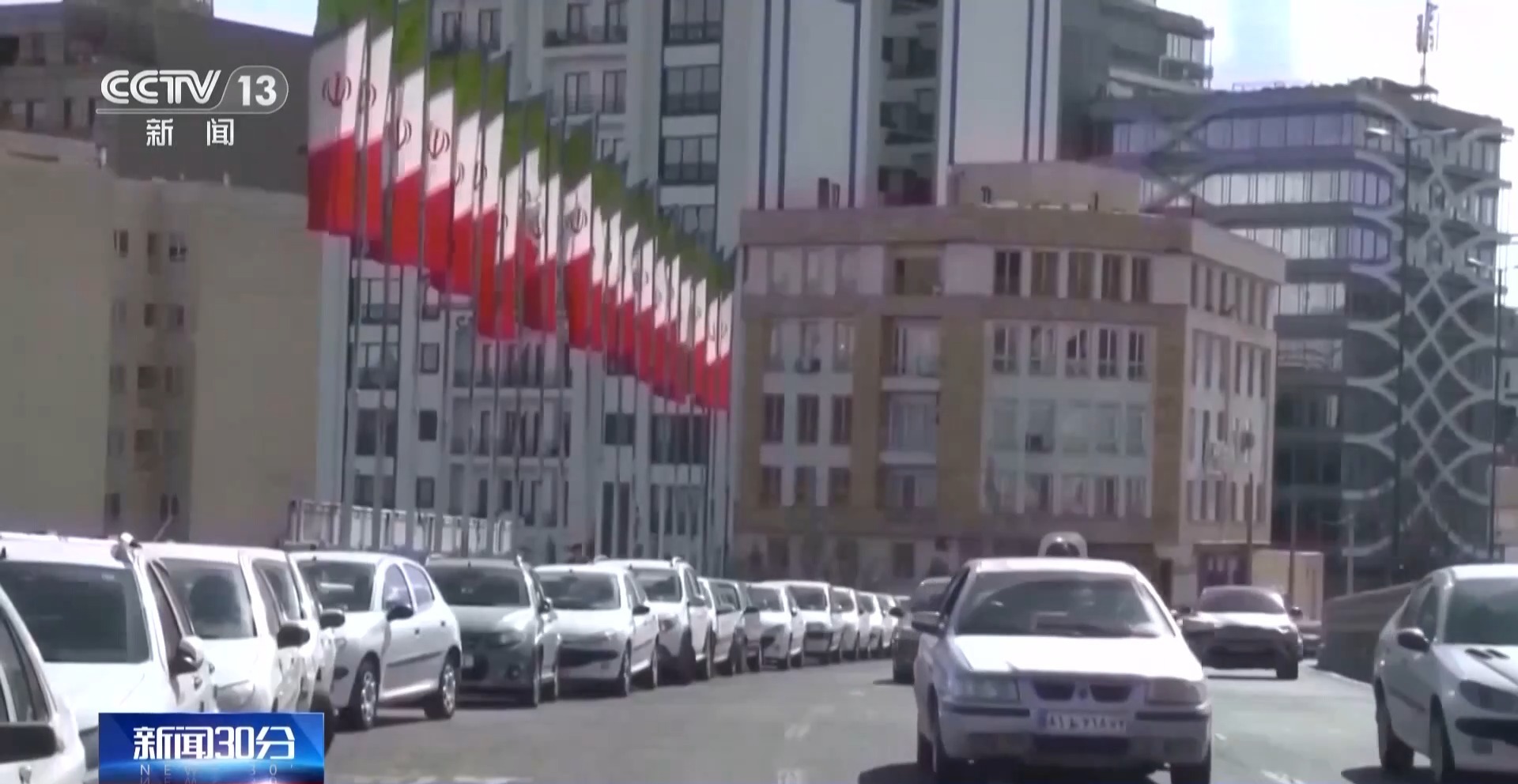
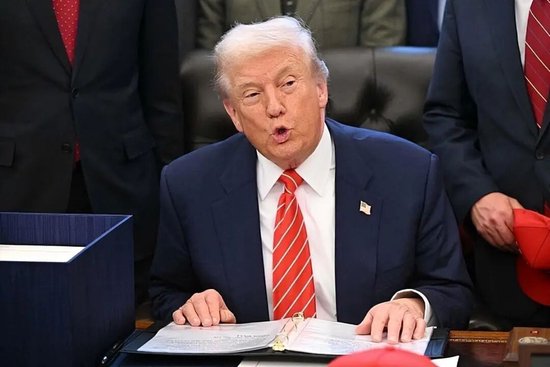
特朗普再对伊朗发出“动武”威胁:若试图重启核计划,美军将再次发动军事打击
Xin Lang Cai Jing· 2026-02-05 00:36
Core Viewpoint - President Trump threatened military action against Iran if it attempts to restart its nuclear program, indicating heightened tensions in U.S.-Iran relations [1][3]. Group 1 - Trump stated that Iran is considering establishing new nuclear facilities elsewhere, claiming "we found out about this" [1][3]. - The President warned that if Iran proceeds with these plans, the U.S. will take action, suggesting a proactive military stance [1][3]. - Trump emphasized that Iran's Supreme Leader, Khamenei, "should be very worried" about the potential consequences of their actions [1][3]. Group 2 - Trump also mentioned that Iran is currently negotiating with the United States, indicating ongoing diplomatic discussions despite the threats [1][3].
视频丨伊朗最高领袖政治顾问:伊朗可降低浓缩铀丰度 但不会转至国外
Yang Shi Xin Wen Ke Hu Duan· 2026-02-04 06:31
Core Viewpoint - Iran's political advisor, Shamkhani, stated that Iran can reduce the enrichment level of uranium but will not transfer it abroad, reiterating the peaceful nature of Iran's nuclear program [1][3]. Group 1 - Iran can lower the enrichment level of uranium from 60% to 20% and can dilute the enriched uranium, but this requires a cost to be paid by the U.S. [3] - Shamkhani emphasized that Iran does not seek nuclear weapons now or in the future and will not store them, but expects corresponding returns from the other party [5]. - The exact quantity of Iran's enriched uranium is currently unclear, as some is buried under rubble and has not been extracted due to high risks [6]. Group 2 - Iranian President Pezeshkian has instructed Foreign Minister Araqchi to engage in "fair and just negotiations" with the U.S. [6]. - A meeting is expected to take place on the 6th of this month between U.S. Special Envoy Wittekopf and Iranian Foreign Minister Araqchi [6].
伊朗高级将领:若遭美国攻击,以色列将成为首要报复目标!美媒:特朗普政府已同意伊朗要求
Xin Lang Cai Jing· 2026-02-04 06:04
Group 1 - Iranian military leader Daghighi stated that if the U.S. launches a military strike against Iran, Israel will be the primary target of Iran's retaliation, emphasizing that Iran is prepared for any aggression despite not seeking war [1] - Iranian Supreme Leader's political advisor Shamkhani indicated that Iran could reduce uranium enrichment from 60% to 20% but will not transfer enriched uranium abroad, reiterating the peaceful nature of Iran's nuclear program [3][5] - Shamkhani emphasized that while Iran is willing to dilute enriched uranium, it requires the U.S. to pay a price for this concession, maintaining Iran's consistent position of not seeking nuclear weapons now or in the future [5] Group 2 - Reports indicate that the Trump administration has agreed to hold negotiations with Iran in Oman, following Iran's request to change the negotiation location from Turkey [5] - Trump mentioned that multiple meetings between the U.S. and Iran are planned, highlighting that previous failures to reach an agreement led to military actions against Iranian nuclear facilities [5]
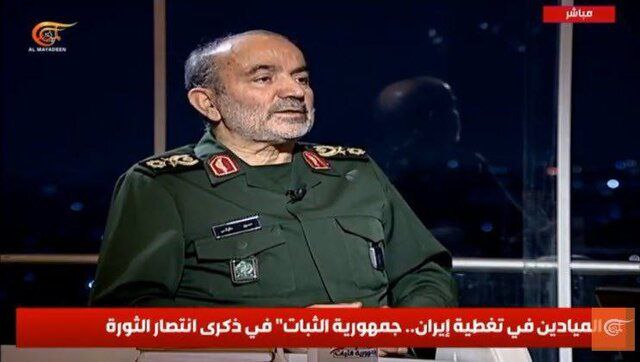
伊朗最高领袖政治顾问:伊朗可降低浓缩铀丰度 但不会转至国外
Yang Shi Xin Wen· 2026-02-04 05:15
Group 1 - The core viewpoint is that Iran can reduce the enrichment level of uranium but will not transfer it abroad, emphasizing the peaceful nature of its nuclear program [1] - Iran can lower the enrichment level from 60% to 20% and can dilute the enriched uranium, but this requires a price to be paid by the United States [1] - Iran's political advisor reiterated that Iran does not seek nuclear weapons now or in the future and will not store them, but expects corresponding returns from the other party [2] Group 2 - The specific quantity of Iran's enriched uranium is currently unclear, as some of it is buried under rubble and has not been extracted due to high risks [3] - Iranian President Pezeshkian has instructed Foreign Minister Araqchi to engage in "fair and just negotiations" with the United States, with talks expected to take place on the 6th of this month [3]
伊朗称无意将浓缩铀转移至国外
Ren Min Ri Bao· 2026-02-04 03:56
据黎巴嫩"广场"电视台2日报道,伊朗最高领袖哈梅内伊的政治顾问沙姆哈尼表示,伊朗不会将其 浓缩铀转移至国外,并再次强调伊朗核计划的和平性质。 沙姆哈尼在接受黎巴嫩"广场"电视台采访时说,伊朗的核计划"是和平的,且在其能力范围之 内","如果外界对此感到担忧,伊朗可以将浓缩铀浓度从60%降低至20%,但他们必须有所回报"。沙姆 哈尼重申伊朗在历轮谈判中的一贯立场,即伊朗不寻求核武器,现在不会寻求,将来也不会寻求,也不 会储存核武器,但对方必须为此作出相应回报。 ...
美伊密集表态释放谈判信号,焦点为伊朗核计划
Zhong Guo Ji Jin Bao· 2026-02-04 01:46
Group 1 - The core point of the article revolves around the ongoing negotiations between the US and Iran regarding a potential nuclear agreement, with discussions about the location and format of the talks [1][2] - Iran's President has instructed the Foreign Minister to engage in "fair and just negotiations" with the US, emphasizing that the talks should align with Iran's national interests [2] - The US administration, while pursuing diplomatic efforts, has indicated that military options remain on the table if negotiations fail, highlighting the tense atmosphere surrounding the talks [3] Group 2 - Israel has set forth three conditions for any agreement with Iran: no development of nuclear programs, no ballistic missile development, and no support for regional proxies [4] - The focus of the negotiations is primarily on Iran's nuclear program, with Iran expressing no intention to transfer enriched uranium abroad, despite potential concessions [5][6] - There are indications that the US may also seek to address Iran's missile capabilities in the negotiations, although Iran insists that discussions should be limited to nuclear issues [6][7] Group 3 - Recent military tensions have escalated, with the US military shooting down an Iranian drone in the Arabian Sea and Iranian vessels approaching a US-flagged oil tanker in the Strait of Hormuz [8][10] - The US military reported that the drone was approaching the USS Abraham Lincoln, and there were no injuries or damage to US equipment during the incident [9] - Iran has claimed that a vessel entered its territorial waters illegally, asserting that it requested navigation permits from the ship, which did not comply [10]