
美国对伊制裁

Search documents
中东的“战争警报”解除了吗?
Xin Lang Cai Jing· 2026-02-07 15:36
Core Viewpoint - The indirect negotiations between Iran and the United States in Muscat, Oman, signal a continuation of dialogue, but deep-rooted differences regarding Iran's nuclear program and U.S. sanctions remain unresolved, keeping the "war alarm" in the Middle East active [1][8]. Group 1: Negotiation Dynamics - The Iranian delegation was led by Foreign Minister Zarif, while the U.S. delegation included special envoy Jared Kushner and General Cooper from the U.S. Central Command, with Omani Foreign Minister Badr mediating the talks [1][6]. - Both sides expressed a willingness to continue negotiations, with Zarif stating that the talks had a good start and consensus on further discussions, emphasizing that avoiding threats and pressure is essential for dialogue [3][4]. - U.S. President Trump described the talks as "very good" but reiterated that Iran must not possess nuclear weapons, warning of severe consequences if an agreement is not reached [3][4]. Group 2: Key Issues and Divergences - The U.S. demands include prohibiting Iran from developing nuclear weapons, enriching uranium, and limiting missile range, as well as stopping support for regional proxy forces [4][6]. - Iran maintains that it does not seek nuclear weapons but insists on its right to peaceful nuclear energy, opposing discussions on missile capabilities and regional issues [6][8]. - A significant lack of mutual trust hampers progress, as evidenced by the indirect nature of the talks and the contentious selection of Muscat as the negotiation venue [6][7]. Group 3: Regional Context and Military Posturing - The negotiations are seen as a tactical de-escalation rather than a strategic shift, prompted by heightened military tensions and mutual threats that risk direct conflict [8][10]. - The U.S. has increased military presence in the region, deploying the USS Abraham Lincoln carrier strike group and additional aircraft, while Iran showcased its missile capabilities [8][10]. - Analysts suggest that the current talks serve more as a "safety valve" to reduce miscalculations rather than addressing the underlying structural issues, with the potential for Israeli actions to disrupt future negotiations [10][11].

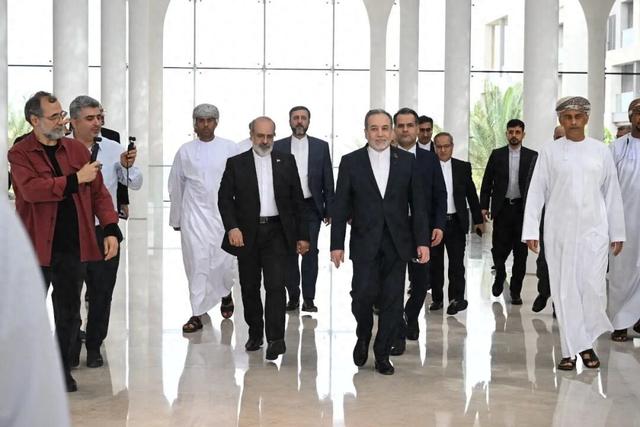
国际观察丨美伊谈判能否解除中东“战争警报”
Xin Lang Cai Jing· 2026-02-07 11:30
Core Viewpoint - The indirect negotiations between Iran and the United States in Muscat, Oman, on February 6, 2023, signal a continuation of dialogue, but deep-rooted differences regarding Iran's nuclear program and U.S. sanctions persist, keeping the "war alarm" in the Middle East active [1][2]. Group 1: Negotiation Dynamics - The Iranian delegation was led by Foreign Minister Amir-Abdollahian, while the U.S. delegation included special envoy Jared Kushner and military representatives, with Oman facilitating communication [2]. - Both sides expressed a willingness to continue negotiations, with Iran emphasizing the need for dialogue without threats, while the U.S. maintained a stance of pressure, reiterating that Iran must not possess nuclear weapons [2][3]. Group 2: Key Issues and Disagreements - The U.S. demands include prohibiting Iran from developing nuclear weapons, enriching uranium, and limiting missile capabilities, while Iran insists on its right to peaceful nuclear energy and opposes discussions on missile capabilities and regional issues [3][4]. - The lack of mutual trust is a significant barrier to progress, as evidenced by the indirect nature of the talks and the contentious selection of the negotiation venue [3][4]. Group 3: Current Situation and Future Outlook - The negotiations are viewed as a tactical de-escalation rather than a strategic shift, with both sides ramping up military posturing prior to the talks [5][6]. - The U.S. has increased military presence in the region, while Iran showcased its missile capabilities, indicating a desire to deter U.S. aggression [6]. - Analysts suggest that the ongoing tensions and core disagreements over nuclear capabilities and sanctions will continue to hinder meaningful progress in U.S.-Iran relations [6][7].
国际观察|美伊谈判能否解除中东“战争警报”
Xin Hua She· 2026-02-07 10:21
Core Viewpoint - The indirect negotiations between Iran and the United States in Muscat, Oman, on February 6, 2023, signal a continuation of dialogue, but deep-seated differences regarding Iran's nuclear program and U.S. sanctions remain unresolved, keeping the "war alert" in the Middle East active [1][5]. Group 1: Negotiation Dynamics - The Iranian delegation was led by Foreign Minister Zarif, while the U.S. delegation included special envoy Jared Kushner and military representatives, with Oman facilitating communication [2]. - Both sides expressed a willingness to continue negotiations, with Iran emphasizing the need for respect and dignity in discussions, while the U.S. maintained a stance of pressure, reiterating that Iran must not possess nuclear weapons [2][3]. Group 2: Key Issues and Divergences - The U.S. demands include prohibiting Iran from developing nuclear weapons, enriching uranium, and limiting missile capabilities, while Iran insists on its right to peaceful nuclear energy and opposes discussions on missile capabilities and regional issues [3][4]. - The lack of mutual trust is a significant barrier to progress, as evidenced by the indirect nature of the talks and the contentious selection of the negotiation venue [3][4]. Group 3: Current Situation and Future Outlook - The negotiations are viewed as a tactical de-escalation rather than a strategic shift, primarily driven by heightened military tensions and mutual threats [5][6]. - Despite the talks, the U.S. has intensified sanctions against Iran, indicating that the negotiations have not led to a substantial reduction in tensions [6]. - Israel's role as a key ally of the U.S. adds uncertainty to the negotiations, with potential for interference in the dialogue process [7].
伊朗官员称美伊谈判“开端良好”后,美国对伊新一轮制裁落地
Xin Lang Cai Jing· 2026-02-07 04:15
Core Points - The U.S. and Iran engaged in indirect talks in Muscat, Oman, signaling a willingness to pursue diplomatic solutions despite ongoing tensions and new sanctions imposed by the U.S. on Iran's energy sector [1][7] - The talks, which lasted for eight hours, were the first since military actions against Iran's nuclear facilities and political leaders began last June [1][4] - Both sides expressed intentions to continue discussions, with Iran's Foreign Minister describing the meeting as a "good start" focused solely on nuclear issues [1][4] Group 1: Negotiation Details - The talks were mediated by Oman, with U.S. representatives including Special Envoy Steve Wittecoff and Jared Kushner, while Iran was represented by Foreign Minister Abbas Araghchi [4] - U.S. military presence was highlighted by the attendance of U.S. Central Command Admiral Brad Cooper, indicating the integration of military leverage in diplomatic efforts [4] - The core positions of both sides remained largely unchanged, with the U.S. demanding an end to uranium enrichment and Iran insisting on its right to enrich nuclear materials under the Non-Proliferation Treaty [4][5] Group 2: Sanctions and Economic Impact - Following the talks, the U.S. imposed new sanctions targeting Iran's energy sector, including 14 oil tankers and 15 trading companies, freezing their assets within U.S. jurisdiction [7] - An executive order was signed by President Trump, potentially imposing tariffs of up to 25% on countries purchasing oil from Iran, although the specifics of implementation were not detailed [7] - The sanctions are part of a broader strategy to maintain pressure on Iran amid ongoing negotiations, with skepticism about the likelihood of reaching an agreement [7]
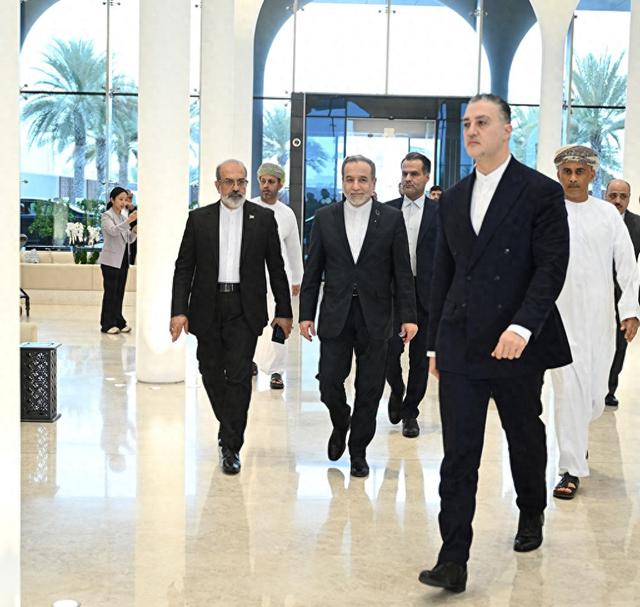
特朗普:希望与伊朗达成协议
财联社· 2026-02-01 22:38
Group 1 - The article discusses the ongoing tensions between the United States and Iran, highlighting President Trump's comments on the possibility of reaching an agreement with Iran regarding its nuclear program [1] - Iran's Foreign Minister Zarif expresses confidence in the potential for a nuclear agreement with the U.S., emphasizing productive communication through regional allies [1] - The U.S. has increased military presence in the Middle East, including deploying aircraft carriers, as a show of strength and a potential threat of military intervention against Iran [2] Group 2 - The U.S. unilaterally withdrew from the Iran nuclear deal in 2018 and has since reimposed and added sanctions against Iran, leading to a series of indirect negotiations between the two countries [2] - The sixth round of negotiations, originally scheduled for June 15, 2025, was canceled due to an Israeli attack on Iran, which escalated into a direct military conflict between Israel and Iran [2] - The article notes that U.S. military actions, including bombings of Iranian nuclear facilities, have contributed to the breakdown of negotiations between the U.S. and Iran [2]
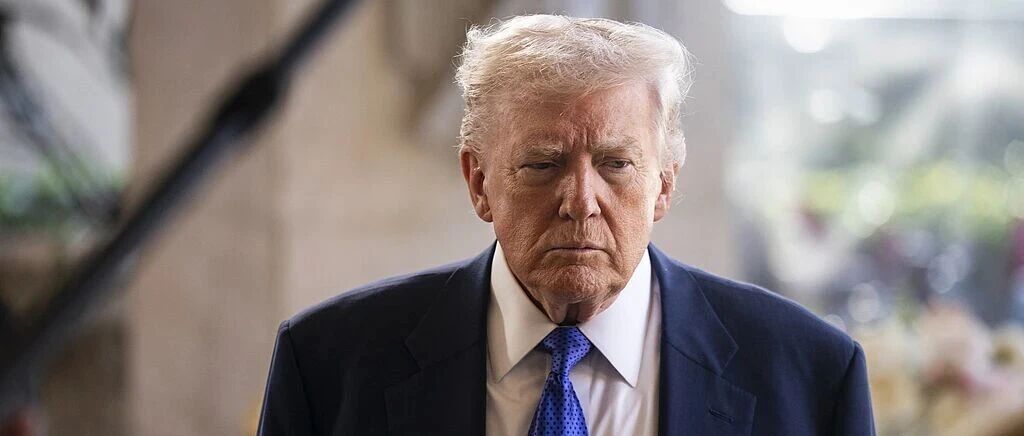
特朗普称希望与伊朗“能够达成协议”
Yang Shi Xin Wen· 2026-02-01 18:15
Core Viewpoint - The ongoing diplomatic efforts between the United States and Iran regarding nuclear issues are marked by both hope for an agreement and significant military tensions in the region [1] Group 1: Diplomatic Developments - U.S. President Trump expressed a desire to reach an agreement with Iran on nuclear issues [1] - Iranian Foreign Minister Zarif stated that Iran remains confident in reaching a deal with the U.S. and described the ongoing negotiations as productive [1] - Zarif emphasized Iran's demand for the lifting of long-standing sanctions and the right to continue uranium enrichment under peaceful nuclear energy frameworks [1] Group 2: Military Tensions - The U.S. has been increasing pressure on Iran by deploying multiple naval vessels, including aircraft carriers, in the Middle East, indicating potential military intervention [1] - Israeli Defense Forces Chief of Staff held intensive talks with U.S. officials to discuss possible military strikes against Iran and tactical coordination between the U.S. and Israel [1] Group 3: Historical Context - The U.S. unilaterally withdrew from the Iran nuclear deal in 2018 and subsequently reinstated and added a series of sanctions against Iran [1] - Since April 2025, five rounds of indirect negotiations have taken place regarding Iran's nuclear issues and the lifting of U.S. sanctions, with a sixth round planned but canceled due to Israeli strikes on Iran [1] - A direct military conflict occurred between Israel and Iran from June 13 to June 24, 2025, during which the U.S. bombed Iranian nuclear facilities, leading to a halt in negotiations [1]
伊朗外交部就美干涉主义立场发表声明
Yang Shi Xin Wen Ke Hu Duan· 2026-01-07 22:24
Core Viewpoint - The Iranian Foreign Ministry condemned U.S. officials for their interventionist and deceptive remarks regarding internal developments in Iran, asserting that these statements reflect the U.S. government's ongoing animosity towards Iran [1] Group 1: U.S. Actions and Iranian Response - The Iranian government claims that U.S. actions are not merely an economic war but also involve psychological warfare, misinformation campaigns, military intervention threats, and incitement of violence and terrorism, all of which violate the UN Charter and international law [1] - Iran acknowledges the right to peaceful protests in accordance with constitutional principles and aims to address the legitimate demands of its people within the legal framework [1] Group 2: Economic Impact and Sanctions - The Iranian Foreign Ministry highlighted that most economic issues faced by the country are a result of comprehensive economic and financial warfare initiated by the U.S. through illegal and oppressive sanctions [1] - The Ministry emphasized the inhumane nature and illegality of U.S. unilateral sanctions, which directly target the human rights, livelihoods, and daily lives of the Iranian people [1] Group 3: International Responsibility - The Iranian Foreign Ministry called on the UN and other international bodies to uphold the fundamental principles of international law, particularly respecting national sovereignty and avoiding destructive interference in the internal affairs of independent nations [1]
美媒爆:为推动伊朗重返核谈判,美国考虑放松对伊制裁,并助其获得一项高达300亿美元投资
Huan Qiu Wang· 2025-06-27 03:54
Group 1 - The Trump administration is considering multiple measures to encourage Iran to return to nuclear negotiations, including easing sanctions and facilitating up to $30 billion in investments for Iran's civilian nuclear program [1][3] - A proposal is under discussion that includes a non-enriched uranium nuclear program investment of approximately $20 billion to $30 billion, with funding expected to come from Arab partners rather than directly from the U.S. [3] - Other incentives being considered include the potential lifting of some sanctions on Iran and allowing access to $6 billion in restricted funds currently held in foreign bank accounts [3] Group 2 - President Trump stated that the U.S. and Iran would hold talks the following week, with a possibility of signing an agreement, while maintaining a firm stance against Iran's nuclear activities [4] - Iranian Foreign Minister Zarif indicated that Iran has not yet decided on resuming negotiations with the U.S. and outlined conditions for any potential agreement, including the continuation of uranium enrichment and the lifting of sanctions [4] - Since April, there have been five rounds of indirect talks between the U.S. and Iran regarding the nuclear issue and sanctions relief, with a sixth round planned but canceled due to an Israeli attack on Iran [5]
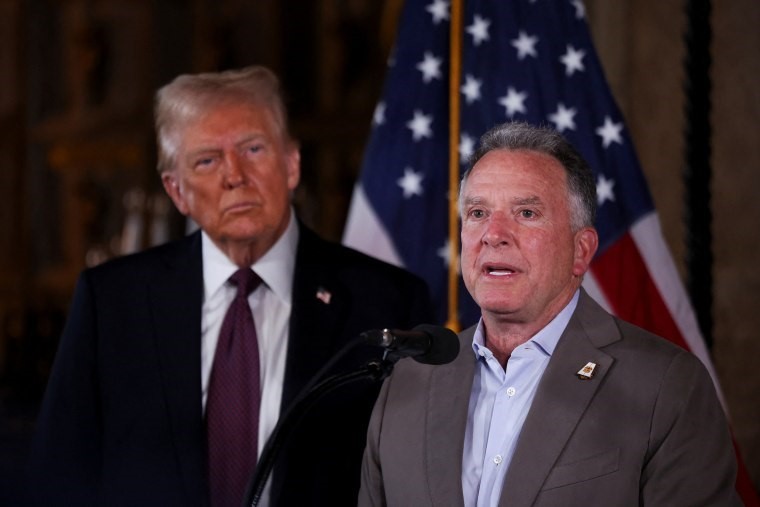
180度转变?美国被爆考虑放松对伊朗制裁、让伊获高达300亿美元建民用核计划
Hua Er Jie Jian Wen· 2025-06-26 23:33
Core Viewpoint - The U.S. government is considering easing sanctions on Iran and potentially assisting Iran in funding a civilian nuclear program to facilitate negotiations regarding Iran's nuclear capabilities [1][2]. Group 1: U.S. Government Actions - The Trump administration is reportedly discussing proposals that include incentives for Iran, contingent upon Iran halting all uranium enrichment activities [2]. - The U.S. is contemplating the release of billions of dollars in restricted Iranian funds and easing sanctions to encourage Iran to return to the negotiating table [1][2]. - U.S. officials have indicated that the funding for Iran's civilian nuclear program, estimated to be between $20 billion and $30 billion, would not come directly from the U.S. but rather from Arab partners [1] Group 2: Military Actions and Assessments - Recent assessments from U.S. intelligence suggest that military strikes did not completely destroy Iran's nuclear capabilities, only delaying their progress by a few months [2]. - Reports indicate that while some infrastructure was damaged, key underground facilities remain intact, and Iran could potentially restart its nuclear program within one to two months [2][3]. - U.S. Defense Secretary has stated that the assessment of military actions is preliminary, and there is no evidence that Iran has moved enriched uranium from its facilities [3][4]. Group 3: Iran's Response - Iran's Foreign Ministry has confirmed that its nuclear facilities have been severely damaged due to multiple attacks from Israel and the U.S., although specifics on the extent of damage remain unclear [4].
特朗普意外发帖称“中国可继续购买伊朗石油”,中方回应
Huan Qiu Shi Bao· 2025-06-25 22:48
Group 1 - Trump's recent statement on allowing China to purchase Iranian oil after a ceasefire between Israel and Iran surprised oil traders and U.S. officials [1][2] - The White House clarified that this does not indicate a relaxation of U.S. sanctions on Iran, emphasizing that sanctions will continue [2] - Trump's comments may be seen as an attempt to encourage cooperation from China and Iran in upcoming negotiations, despite previous strict measures against Iranian oil exports [2] Group 2 - The U.S. has imposed sanctions on hundreds of vessels involved in transporting Iranian oil and targeted Chinese entities purchasing Iranian oil [2] - Trump's earlier warnings required all nations to cease purchasing Iranian oil or face secondary sanctions, indicating a tough stance on Iranian oil imports [2] - A senior White House official suggested that Trump's remarks were aimed at promoting U.S. oil imports instead of Iranian oil, highlighting the ongoing enforcement of sanctions [2]