
传统村落保护

Search documents
鹤壁:法护古村留住乡愁
He Nan Ri Bao· 2025-08-19 06:30
Core Viewpoint - The revitalization of traditional villages in Henan province is being driven by legal frameworks that protect cultural heritage while promoting economic development through tourism and community involvement [2][3][4][10]. Group 1: Legal Framework and Community Involvement - The introduction of the "Xinyang Traditional Village Protection Regulations" in 2016 marked a significant step in providing legal support for the preservation of traditional villages, allowing for community participation in decision-making processes [2][3]. - Villagers are now actively involved in the protection and development of their traditional villages, transforming from passive observers to key stakeholders in the preservation efforts [3][4]. Group 2: Economic Impact and Tourism Development - Traditional villages like Xihe Village have seen a surge in tourism, with over 500,000 visitors annually and a total tourism revenue exceeding 300 million yuan [4]. - The implementation of a "Five-in-One" mechanism in Pingdingshan City aims to enhance the management and protection of traditional villages, integrating resources across various sectors to boost tourism [4][6]. Group 3: Cultural Heritage and Digital Preservation - The establishment of digital archives for traditional villages is underway, allowing for better preservation and restoration of historical buildings, ensuring that traditional craftsmanship is maintained [11][12]. - The integration of cultural storytelling into tourism experiences, such as immersive historical reenactments, enhances visitor engagement and promotes local heritage [9][10]. Group 4: Collaborative Development and Resource Sharing - The formation of traditional village protection alliances facilitates resource sharing among multiple villages, creating a cohesive tourism experience that attracts more visitors [6][7]. - Collaborative efforts in areas like Guangshan County have led to the restoration of historical streets and the promotion of local cultural performances, further enhancing the appeal of traditional villages [7].
法护古村 留住乡愁
He Nan Ri Bao· 2025-08-14 23:24
Core Viewpoint - The article highlights the successful integration of traditional village preservation with tourism development in Henan, showcasing how legal frameworks and community involvement have revitalized local economies while preserving cultural heritage [1][5][14]. Group 1: Traditional Village Preservation - Traditional villages in Henan, such as Xihe Village, have been recognized for their cultural significance and have seen a revival through tourism, generating significant income for local residents [1][6]. - The implementation of the "Xinyang Traditional Village Protection Regulations" in 2016 has provided a legal basis for the preservation of traditional architecture and has empowered local communities to participate actively in the protection and development processes [5][6]. - The regulations emphasize the importance of community involvement in decision-making regarding the preservation and development of traditional villages, transforming villagers from passive observers to active participants [5][6]. Group 2: Economic Impact - Xihe Village has reported over 50,000 annual visitors and generated more than 30 million yuan in tourism revenue, demonstrating the economic benefits of preserving traditional culture [6]. - The article mentions the establishment of a digital museum project in Gya County, which aims to document and preserve traditional village architecture, further enhancing the economic potential of these areas through digital tourism [16][17]. - The collective efforts in traditional village protection have led to the creation of numerous jobs and have stimulated local economies, with some villages seeing significant increases in visitor numbers and income [11][13]. Group 3: Cultural Heritage and Community Engagement - The article emphasizes the importance of storytelling and cultural experiences in attracting tourists, with villages like Dingliwan offering immersive historical experiences that connect visitors to the local heritage [13][14]. - Community-led initiatives, such as the performance of traditional plays and the establishment of local eateries, have enriched the cultural landscape and provided additional revenue streams for villagers [10][11]. - The integration of modern amenities with traditional architecture in villages like Xiding has catered to contemporary tourist preferences while maintaining cultural authenticity [9][10].

人民日报看新疆丨火焰山下土村美(文化中国行·走进传统村落)
Ren Min Ri Bao· 2025-07-31 15:02
Core Viewpoint - The article highlights the rapid development of the cultural tourism industry in Shanshan County, Turpan City, Xinjiang, driven by the integration of traditional villages into a historical and cultural experience tourism area, resulting in significant increases in tourist numbers and revenue [9][17]. Group 1: Traditional Villages and Cultural Heritage - Shanshan County has eight villages listed in the national traditional village directory, focusing on preserving and promoting cultural tourism [9]. - The county features 952 traditional earthen buildings, which are significant to local architecture and culture, earning it the title of "Earthen Building Museum" [13]. - The unique earthen structures are well-suited to the local climate, providing thermal comfort due to their thick walls [13]. Group 2: Tourism Growth and Economic Impact - In 2024, Shanshan County received 13.01 million tourists, a year-on-year increase of 24.6%, with total tourist spending reaching 6.8 billion yuan, up 28.47% [17]. - The integration of traditional villages into the tourism framework has made them a new highlight in cultural tourism, enhancing local economic development [17]. Group 3: Local Crafts and Non-Material Cultural Heritage - The traditional craft of making mulberry paper, once a staple in local life, has been revitalized through tourism, with visitors eager to participate in the production process [15]. - The production of Aydalisi silk, a traditional textile, has also gained popularity among tourists, showcasing ancient dyeing techniques [15]. - The local music tradition, "Tuyugun Mukam," is being preserved and innovated, with performances attracting attention and awards [16][17].

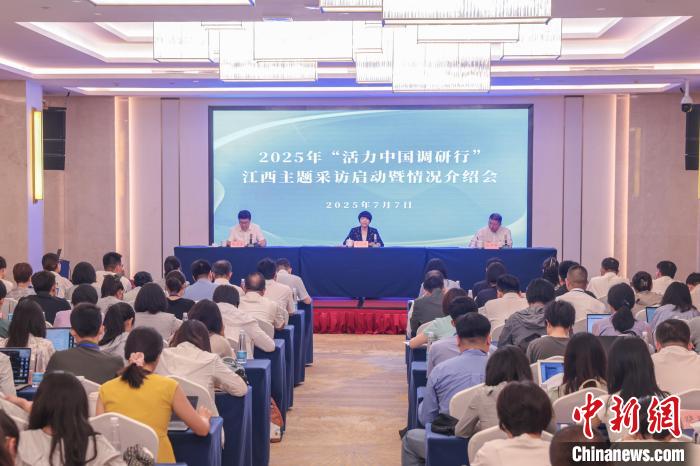
(活力中国调研行)“十四五”以来 江西实施城市更新项目近1.3万个
Zhong Guo Xin Wen Wang· 2025-07-07 14:14
Core Viewpoint - Since the beginning of the "14th Five-Year Plan," Jiangxi has implemented nearly 13,000 urban renewal projects with a total investment exceeding 1.2 trillion yuan [1][2]. Group 1: Urban Renewal Projects - Jiangxi has actively promoted the renovation of shantytowns, old urban communities, and the upgrading of municipal infrastructure and public parking facilities [2]. - A total of 5,643 old communities have been renovated, benefiting 1.94 million households, while 450,000 shantytown units have been transformed, allowing approximately 1.25 million people to move into new homes [2]. - The province has also completed the first-level A standard upgrades for all urban sewage treatment plants at the county level and above, achieving a coverage rate of 95.8% for sewage treatment facilities in towns [2]. Group 2: Economic Development Initiatives - Jiangxi has established a credit support mechanism for the protection of traditional villages, encouraging projects with a total proposed loan amount exceeding 7.5 billion yuan [2]. - The province is leveraging its VR industry advantages to create digital platforms for traditional village protection, including online museums and digital archives [2][3]. Group 3: Community Revitalization - By revitalizing idle resources and enhancing infrastructure, Jiangxi has transformed many old streets, factories, and communities into vibrant living and working spaces [3]. - The province has developed 267 traditional villages with unique industries, such as "Brush Village," "Lotus Village," and "Honey Orange Village," with an average annual income of 280,000 yuan for village collectives [3].
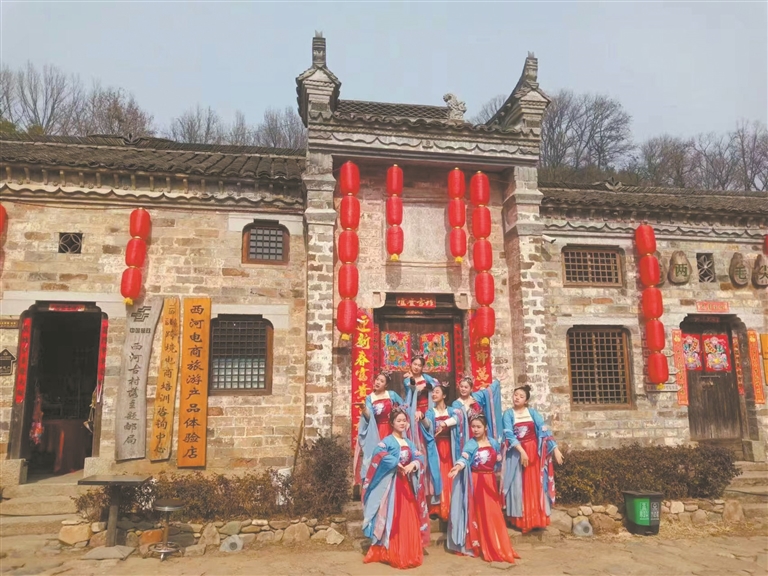
保护传统村落 留住历史文脉
Zhong Guo Jing Ji Wang· 2025-03-12 00:54
Core Viewpoint - Jiangxi Province has a rich historical and cultural heritage with numerous traditional villages, and efforts are being made to protect and utilize these resources effectively [2]. Group 1: Traditional Villages and Cultural Heritage - Jiangxi Province has a total of 413 traditional villages, ranking eighth in the country, along with 157 provincial-level traditional villages [2]. - The province has strengthened the protection of ancient villages, registering over 20,000 ancient buildings and establishing 51 rural museums [2]. - Five demonstration sites for concentrated protection and utilization of traditional villages have been identified, enriching the protection catalog and deeply exploring historical and cultural resources [2]. Group 2: Successful Case Studies - Jizhou's Diaoyuan Village, dating back to the Tang Dynasty, has revitalized through professional management, showcasing ancient charm and attracting 591,400 visitors in 2024 [2]. - Hongguan Village in Wuyuan has developed a study tour around the traditional Huizhou ink, combining ink products with tourism, gaining popularity among visitors [2]. - Youdian Village in Fuzhou has presented traditional culture in innovative ways and enhanced collaboration with universities to improve the tourism experience [2]. Group 3: Challenges and Future Directions - There are ongoing challenges in balancing protection and development of traditional villages, indicating a need for further exploration [4]. - Increasing organization and training for villagers to enhance recognition and protection of traditional villages is essential [4]. - Exploring new models like "finance + cultural tourism" is encouraged, with financial institutions developing specialized loan products to support social capital involvement [4].