冻雨

Search documents
“四九”冻雨、降温齐至!中央气象台解秘今年首场大范围寒潮
2 1 Shi Ji Jing Ji Bao Dao· 2026-01-16 08:21
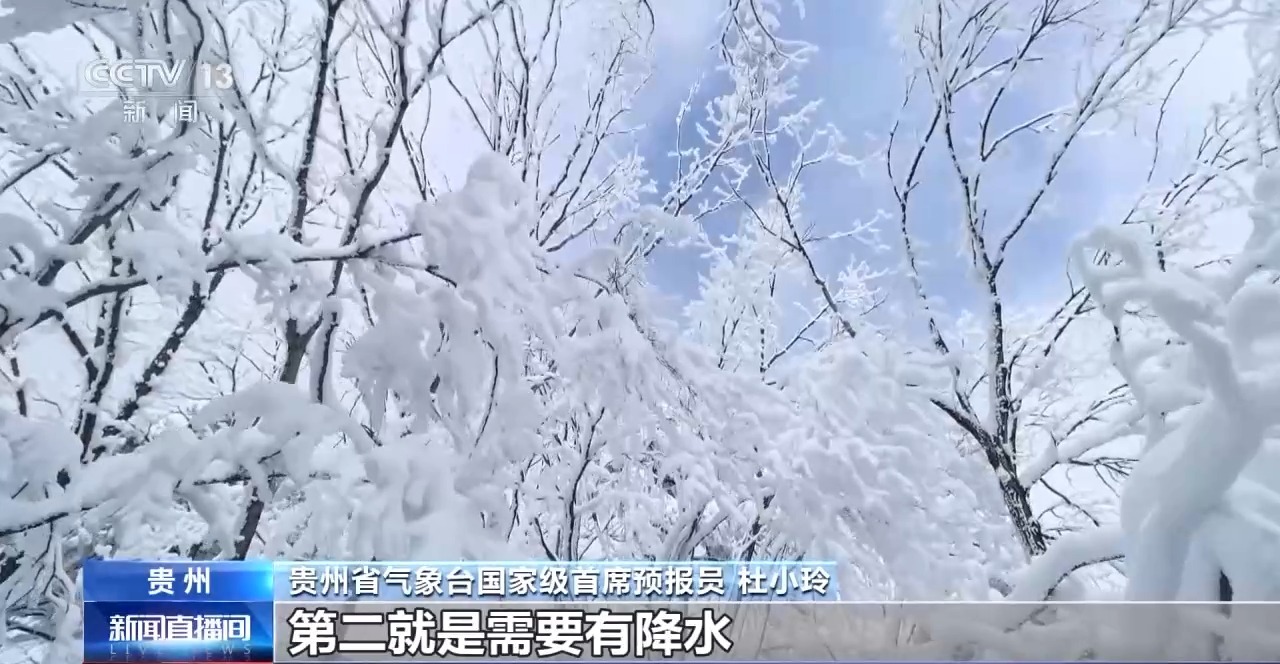
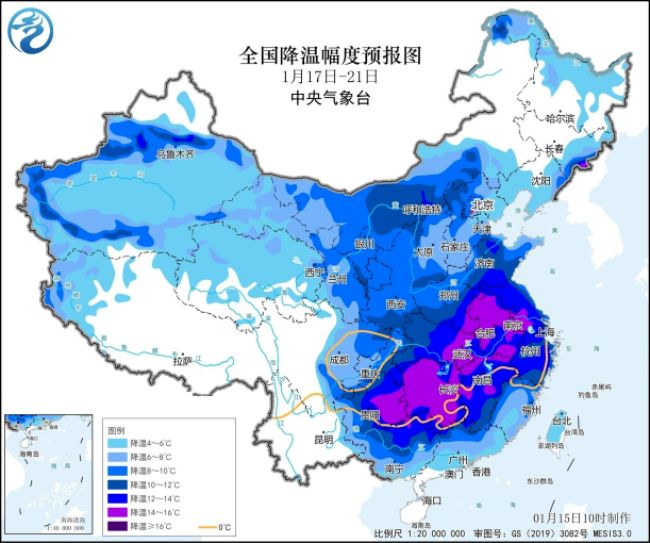
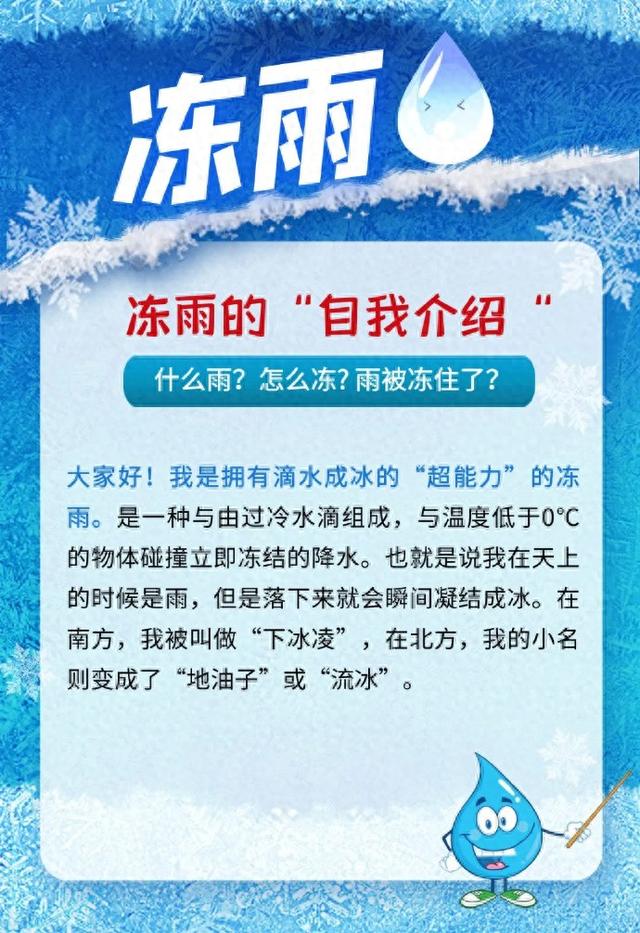
21世纪经济报道记者卢陶然 北京报道 1月16日,中国气象局召开寒潮通气会。中央气象台首席预报员张涛介绍,1月17日至1月21日,我国将 有一次寒潮和大范围的雨雪冰冻天气过程,陕西、山西、山东、河南、湖北、湖南、安徽等地部分地区 有暴雪和低温雨雪冰冻灾害风险。 中央气象台预计,1月17日至1月21日,受寒潮影响,我国大部地区气温将下降6到10℃,其中新疆北 部、内蒙古中部、黄淮东部、江淮、西南地区东部、江南北部和西部等地降温幅度可达12℃以上;1月 21日早晨,最低气温0℃线将南压至贵州到江南南部一带;上述地区并伴有4到6级偏北风,阵风7到9 级。 寒潮影响进程为:17日影响新疆中北部、甘肃中西部和内蒙古西部;18日影响西北地区东部、内蒙古中 部和华北地区;19日继续影响中东部;20日至21日影响贵州及华南等地。另外,受补充冷空气影响,23 日前南方地区将维持低温天气。 五是冻雨风险显著高于暴雪,为此次过程致灾性最强的核心风险点。 什么是冻雨?冻雨又叫"凝冻"或"凌冻",是一种由过冷水滴组成、与温度低于0℃的物体碰撞立即冻结 的降水。公路交通可能因地面结冰而受阻,农作物和果树可能被冻伤,冻雨大量冻结积累后能压 ...

三九不冷四九冷!这些地方将迎暴雪、强降温!多地需防冻雨
Huan Qiu Wang· 2026-01-15 02:20
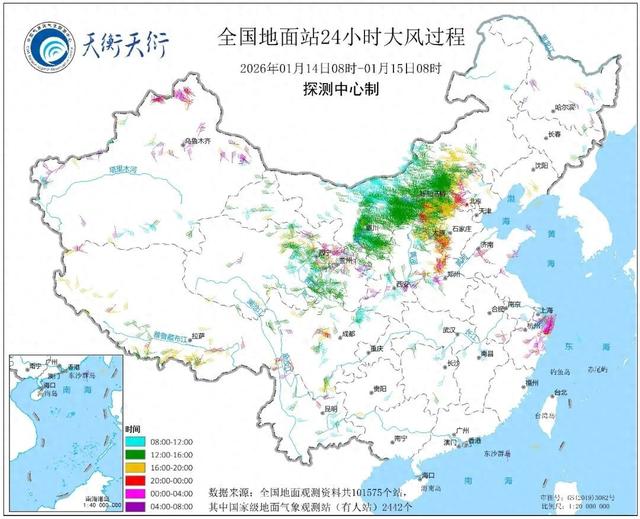
来源:中国气象局 昨日 吉林局地出现中到大雪 西北地区等地出现大风降温 预计15日至16日 新疆北部、内蒙古东南部局地 有大到暴雪 需关注对农牧业、交通运输的影响 先后有雨雪冰冻 请关注对城市运行、能源供应 交通运输等影响 具体来看 ↓↓↓ 预计,15日至16日,受冷空气影响,东北地区中南部、新疆北部、内蒙古中西部、甘肃西部、华北西部 和北部等地气温先后下降4至8℃,局地降温超过10℃;新疆北部、内蒙古中西部、辽宁、山东等地部分 地区有4至6级、阵风7至9级的大风。 17日至20日 强冷空气将自西向东影响我国大部地区 黄淮、江汉、江淮 江南北部和西部及贵州等地 新疆北部、内蒙古中东部、东北地区等地有小到中雪,其中,新疆北部、内蒙古东南部局地有大到暴 雪。 17日至20日,新一股强冷空气将影响新疆、西北地区及中东部地区,大部地区气温将下降4至8℃、局地 12℃以上,长江中下游及其以北将有4至6级风,阵风7至8级;西北地区东部、华北、黄淮、江淮、江 汉、江南北部和西部等地有小到中雪或雨夹雪,陕西南部、河南中南部、湖北、安徽中北部、湖南北部 等地有大到暴雪。 此外,需要注意的是,河南西部、湖北西部、贵州、湖南、重庆 ...
影响出行的冻雨是种什么雨?
Xin Lang Cai Jing· 2026-01-03 02:48
Group 1 - The article discusses the ongoing rain and snow weather in the southwestern region of China, particularly highlighting the occurrence of light to moderate snow or sleet in western Guizhou and freezing rain in the mountainous areas of northwestern Guizhou [1] Group 2 - The article provides preventive measures against freezing rain, suggesting that agricultural fields with young seedlings should be covered with plastic shelters to avoid direct contact with freezing rain [2] - It advises wrapping the branches of fruit trees with plastic film to prevent ice accumulation and emphasizes the importance of timely repairs and reinforcements of vegetable greenhouses and livestock pens to enhance their cold resistance [2]
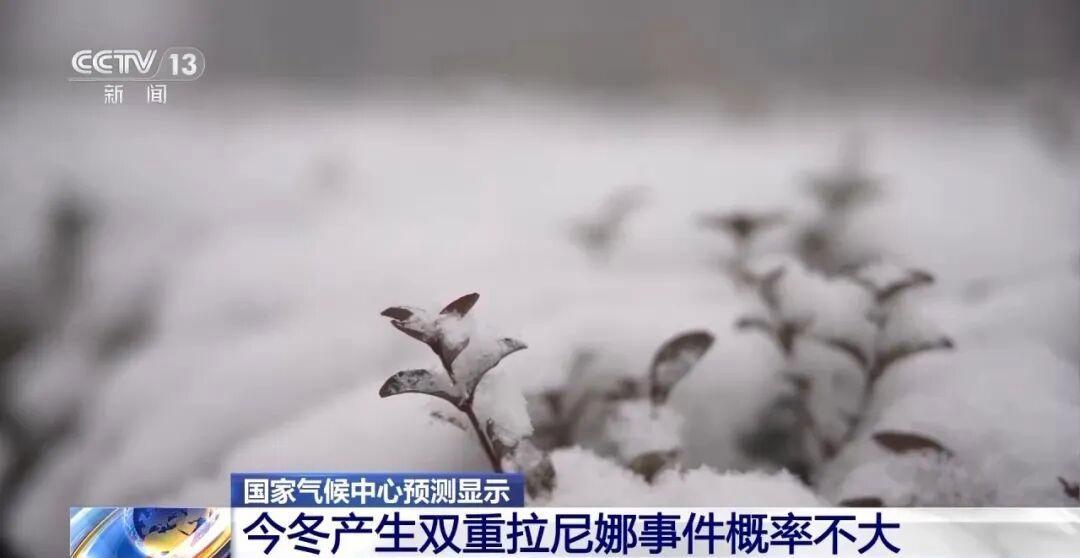
今年10月,我国已经进入拉尼娜状态
Yang Shi Xin Wen· 2025-12-15 08:01
Group 1: La Niña Phenomenon - The La Niña phenomenon refers to the significant and sustained cooling of sea surface temperatures in the eastern and central equatorial Pacific Ocean, with China entering a La Niña state in October this year [1] - La Niña state does not equate to a La Niña event; a La Niña event is defined by the NINO 3.4 index remaining below -0.5 degrees Celsius for five consecutive months [2] - The probability of a double La Niña event occurring this winter is low, despite the ongoing La Niña state having some impact on China's climate [2] Group 2: Impact on Weather Patterns - La Niña directly influences weather by generating a cyclonic circulation anomaly over the Northwest Pacific and South China Sea, leading to prevailing northeast winds that suppress moisture transport to eastern and southern China, potentially causing drought conditions [4] - The expected winter conditions in regions like East and South China may lead to prolonged dry spells, particularly in the winter-spring period [4] Group 3: Freezing Rain and Its Effects - Freezing rain is a hazardous winter weather phenomenon where liquid rain freezes upon contact with surfaces below 0 degrees Celsius, posing risks to transportation, power supply, and daily life [5] - The formation of freezing rain requires two key conditions: sufficiently low temperatures (between -8 to 0 degrees Celsius near the ground) and the presence of precipitation [7] - Freezing rain can lead to the formation of ice layers on power lines and trees, increasing the risk of power outages and damage to vegetation [10] Group 4: Regional Analysis of Freezing Rain - Guizhou province experiences the highest frequency of freezing rain in China, with the winter months from December to February being the peak period for such weather [13] - This winter, the probability of widespread freezing rain in Guizhou is expected to be lower than usual, with average temperatures projected at 7.1 degrees Celsius [15] - The distribution of freezing rain in Guizhou shows a pattern where western regions experience more occurrences due to higher altitudes and stable weather systems [16][18]
冻雨:天上是雨 落地为冰
Yang Shi Xin Wen· 2025-12-15 02:36
Group 1 - The article discusses the phenomenon of freezing rain, where rain falls from the sky but freezes upon contact with the ground, creating icy conditions [2]
我国已经进入拉尼娜状态
财联社· 2025-12-15 02:35
Group 1 - The core viewpoint of the article discusses the current La Niña state in China, which is characterized by a significant and sustained cooling of sea surface temperatures in the eastern and central equatorial Pacific. The article highlights that while China has entered a La Niña state as of October, this does not equate to a La Niña event, which requires the NINO 3.4 index to remain below -0.5 degrees Celsius for five consecutive months [1][4][19] - The article explains that a "double La Niña" refers to the occurrence of La Niña events in consecutive winters, rather than two events within the same year. The probability of a double La Niña event occurring this winter is considered low, although the ongoing La Niña state will still impact China's climate [4][19][21] - The direct impact of La Niña includes the development of a cyclonic circulation anomaly over the Northwest Pacific and the South China Sea, leading to prevailing northeast winds that suppress moisture transport. This is expected to result in below-average precipitation in eastern and southern China, with predictions of winter-spring droughts in regions like East and South China [6][19] Group 2 - The article provides a detailed explanation of freezing rain, a common winter weather phenomenon that occurs when supercooled water droplets freeze upon contact with surfaces below 0 degrees Celsius. The formation of freezing rain requires two key conditions: sufficiently low temperatures near the ground and the presence of precipitation [7][11] - It distinguishes between freezing rain and rime ice, noting that while freezing rain is a specific type of precipitation, rime ice is a result of freezing rain. The potential for freezing rain to cause damage is significantly higher than that of rime ice due to its weight and the conditions under which it forms [12][14] - The article identifies Guizhou as the province most affected by freezing rain in China, with the highest frequency and severity of occurrences. It notes that the winter months from December to February are peak periods for freezing rain, and despite the La Niña state, the probability of widespread freezing rain in Guizhou this winter is expected to be relatively low [16][21]

拉尼娜状态下今冬气候如何?专家:可能出现冬春连旱
Yang Shi Xin Wen Ke Hu Duan· 2025-12-15 02:17
Group 1: La Niña Phenomenon - The La Niña phenomenon refers to the significant and sustained cooling of sea surface temperatures in the eastern and central equatorial Pacific Ocean, with China entering a La Niña state in October this year [1] - A La Niña state does not equate to a La Niña event; a La Niña event is recognized only when the NINO 3.4 index remains below -0.5 degrees Celsius for five consecutive months [1] - The probability of a double La Niña event occurring this winter is low, despite the ongoing La Niña state having some impact on China's climate [1] Group 2: Impact on Weather Patterns - La Niña directly influences weather by generating a cyclonic circulation anomaly over the Northwest Pacific and South China Sea, leading to prevailing northeast winds that suppress moisture transport to eastern and southern China [2] - This suppression may result in below-average precipitation in regions such as East and South China, with predictions indicating potential winter-spring droughts in these areas [2] Group 3: Freezing Rain and Its Effects - Freezing rain is a hazardous winter weather phenomenon where liquid rain freezes upon contact with surfaces below 0 degrees Celsius, creating ice that poses risks to transportation, power supply, and daily life [3] - The formation of freezing rain requires two key conditions: sufficiently low temperatures near the ground and the presence of precipitation, typically occurring when a warm layer exists above freezing temperatures [5] - Freezing rain can lead to significant hazards, including power line breakage and damage to vegetation, with rain ice (凇) being more destructive than fog ice (雾凇) due to its weight [7] Group 4: Regional Analysis of Freezing Rain - Guizhou Province experiences the highest frequency of freezing rain in China, with the peak season from December to February, although this winter's probability of widespread freezing rain is relatively low [10] - The average temperature in Guizhou is expected to be 7.1 degrees Celsius this winter, with a lighter incidence of freezing disasters compared to historical averages [10] - The distribution of freezing rain in Guizhou is influenced by its unique topography and stable weather systems, with higher occurrences in the western and central regions due to lower temperatures at higher altitudes [11]