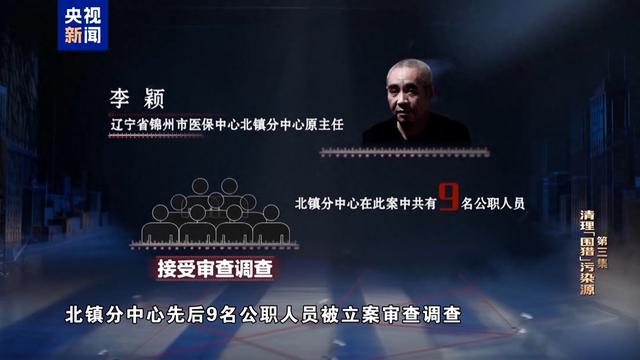
医保骗保

Search documents
媒体报道襄阳有精神病院假诊断、假治疗、假出院骗保,当地回应
Xin Lang Cai Jing· 2026-02-03 04:22
Group 1 - The core issue involves allegations against mental health hospitals in Xiangyang City for illegally admitting patients and fraudulently obtaining medical insurance funds, prompting local authorities to initiate thorough investigations [1][2] - A joint investigation team has been established by the Yiling District, including health, medical insurance, and civil affairs departments, to address the media reports of fraudulent practices in mental health facilities [1] - The investigation aims to ensure strict legal compliance and transparency in handling the situation, with a commitment to publicly disclose findings and respond to public concerns [1] Group 2 - Reports indicate that some mental health hospitals in Xiangyang are luring patients with promises of free hospitalization and transportation, leading to an oversaturation of facilities [2] - Investigations revealed that these hospitals exploit patient information to fabricate treatment projects, thereby increasing their revenue through inflated patient numbers and extended stays [2] - Many patients admitted do not have actual mental health issues, while those in need of treatment often receive inadequate care, highlighting a significant ethical concern within the industry [2]

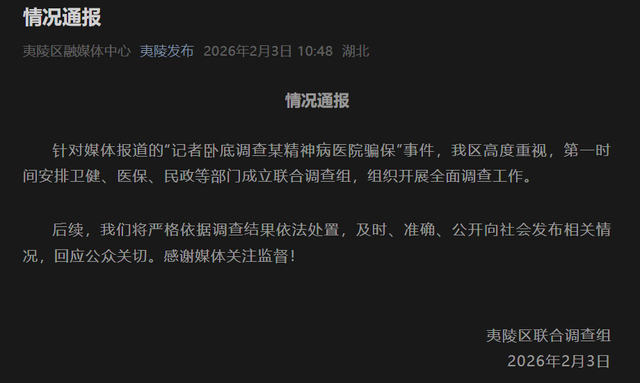
精神病医院涉嫌骗保:承诺免费住院,入院容易出院难!官方通报
Mei Ri Jing Ji Xin Wen· 2026-02-03 03:33
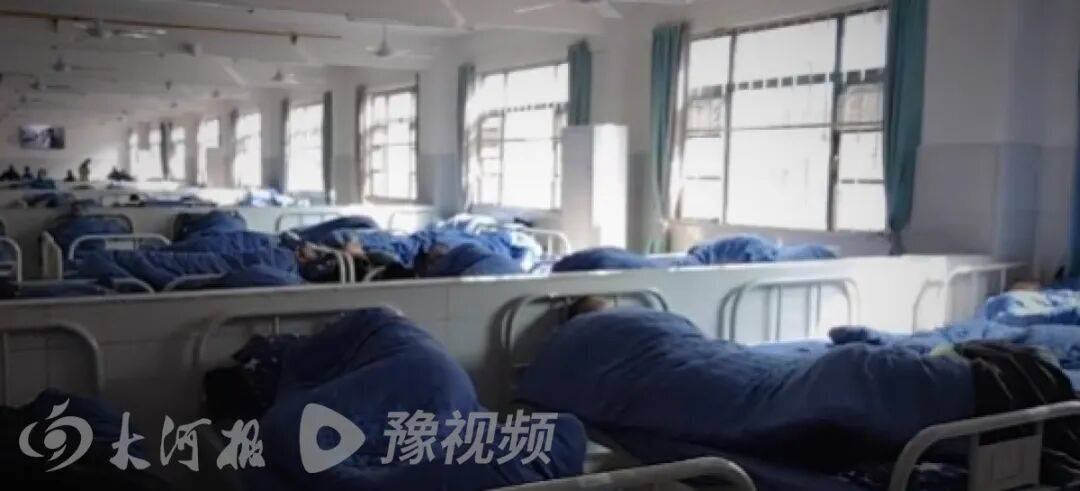
2月3日,湖北襄阳市卫健委发布情况通报: 2月3日上午,媒体报道我市存在精神病院违规收治患者、涉嫌套取医保资金等问题后,我市高度重视, 立即成立工作专班,在全市开展起底式排查调查,一旦核实相关问题将依法从严从速处理。 图片 此前报道: "不要钱,医药费和生活费全免,可以常年住!"在湖北省襄阳市的一家精神病医院,一名医生面对病人 家属给出了这样的承诺。不只是这一家医院,新京报记者走访发现,襄阳市多家精神病医院都对外承 诺"免费住院、免费接送"。 而这些医院为了争抢病人,不仅打出免费的旗号,甚至组织员工下乡宣传招揽病人,一些病人家属也不 胜其扰,"一个襄阳市,居然有二十多家精神病医院,跟我们这儿的牛肉面馆一样,开得到处都是。" 自动播放 2025年12月,新京报记者以应聘护工的名义,先后卧底进入湖北襄阳宏安精神病医院和湖北宜昌夷陵康 宁精神病医院。在这两家精神病医院,记者发现许多住院病人看起来并无明显精神异常,其中还有不少 老年人。有医护人员直言有些人住进来就是为了养老。更让人匪夷所思的是,原本只在医院工作的护 工、保安,也办理了住院手续,成为所谓的"精神病人"。 图片 ▲2025年12月17日早晨,襄阳宏安精神 ...

湖北襄阳市、宜昌市医疗保障局回应“精神病院骗保”报道:正在核查,将依法依规处理
Sou Hu Cai Jing· 2026-02-03 02:54
Core Viewpoint - The investigation reveals that multiple psychiatric hospitals in Xiangyang and Yichang are involved in fraudulent practices to exploit medical insurance funds, promising free hospitalization while making it difficult for patients to leave, leading to severe consequences for patients [1][2]. Group 1: Fraudulent Practices - Several psychiatric hospitals in Xiangyang are luring patients with promises of free hospitalization and transportation, with reports indicating over twenty such facilities in the area [1]. - The investigation found that normal individuals can be admitted to these hospitals, with doctors willing to fabricate mental health conditions to facilitate this [2]. - Hospitals employ tactics to ensure patients remain hospitalized for extended periods, including staging "fake discharges" to evade insurance checks [2]. Group 2: Patient Treatment and Conditions - Patients in these hospitals often do not receive effective treatment and are subjected to harsh management practices, including physical abuse from staff [2]. - Many patients, despite recovering, are coerced into staying for years, creating a fear of these institutions among the local population [2]. Group 3: Regulatory Response - The Xiangyang Medical Insurance Bureau is currently investigating the reported issues and will take legal action as necessary, with further updates to be provided [3]. - The Yichang Medical Insurance Bureau has acknowledged the reports and is conducting its own investigation [3].
“每月每个病人套5000”,借精神病诊疗骗保须严查
Xin Jing Bao· 2026-02-03 00:59
Core Insights - The article reveals a widespread insurance fraud scheme in mental health hospitals in Hubei province, where hospitals promise free hospitalization and care while exploiting patients for insurance claims [1][2][3] - The fraudulent practices include fabricating treatment plans and charging for services that are not rendered, leading to significant financial gains for the hospitals involved [1][2][3] Summary by Sections Fraudulent Practices - Hospitals in Hubei are offering "free hospitalization" and "free medical expenses," which contradicts standard insurance policies that require patient co-payments [1] - The hospitals are fabricating treatment procedures, such as claiming psychological therapy when patients are only receiving medication, to extract funds from insurance [1][2] - A reported case indicates that one hospital could generate 6 million yuan annually by exploiting 100 patients, with each patient yielding 60,000 yuan [1] Patient Exploitation - There are reports of individuals being recruited to find patients, including those who are not mentally ill, to fill hospital beds for profit [2] - Patients often face abuse, with reports of physical violence and coercion to prevent them from leaving the hospital [2][3] - Some patients have been reported to die in these facilities, highlighting the severe neglect and mistreatment [2] Regulatory Response - Authorities have intensified efforts to combat insurance fraud, with new guidelines issued in 2024 to clarify legal consequences for such crimes [2][3] - The National Medical Insurance Administration has identified mental health facilities as high-risk areas for fraud, with significant cases reported, including one hospital in Chongqing that charged for treatments never provided [3][4] - The need for better oversight and reporting mechanisms is emphasized to prevent these institutions from operating in secrecy [3][4] Future Directions - The article suggests that addressing these issues requires thorough investigations into the practices of mental health facilities and the establishment of transparent reporting channels for patients and staff [4][5] - The focus is on reducing existing fraud and preventing new cases, ensuring the protection of public funds and maintaining fairness in healthcare [4][5]
“每月每个病人套五千”,借精神病诊疗骗保必严查重罚
Xin Jing Bao· 2026-02-03 00:12
正是在这种扭曲的牟利逻辑下,发生了一连串不可思议的荒诞。比如,有人专门"跑市场",负责"下乡 寻找病人";有的老人明明没病,却虚构了一个"精神病"进来养老;甚至医院的护工、保安,也办理了 住院手续,一边住院一边上班。为了规避医保部门的检查,不少病人每隔一段时间还会被医院安排"假 出院"。 更恶劣的,则是涉嫌对病人的虐待。因为医院的主业不是"治病",病人遭脚踹扇耳光已是家常便饭。一 些医院"舍不得"病人,便千方百计阻止病人出院,有些常年住院的病人直言"住院如同坐牢",有些住到 去世,甚至还发生过病人自杀事件,可见性质之恶劣。 近些年,相关部门对骗保行为的打击不断加码,专项检查更是日趋密集。2024年,多部门还联合下发 《关于办理医保骗保刑事案件若干问题的指导意见》,进一步明确医保骗保犯罪定罪处罚、法律适用 等;同时公布的典型案例中,就有以免费治病、免费接送、免费吃饭、免费住院为噱头的骗保犯罪。 然而,当地这些精神病院何以成了"漏网之鱼"?这或许和精神病院的特殊情形有关。精神病医院基本是 封闭运行,外界监督困难。加之很多患者,要么是真的精神病患者,要么是老人,认知能力有限,难以 准确表达处境和诊疗过程,这也给问题 ...
实控人涉诈骗、业绩断崖下滑,睿昂基因陷入双重危机
Xin Lang Cai Jing· 2026-01-30 06:49
Core Viewpoint - Ruiang Gene is facing a significant crisis due to the legal troubles of its controlling shareholders, which has led to a drastic decline in revenue and a loss of investor trust [1][2][3]. Governance Crisis - The turmoil began with a healthcare fraud investigation related to the lung cancer drug "Taris" in July 2021, where a subsidiary was implicated in altering genetic test results for insurance fraud [1][2]. - Despite the legal issues, the governance structure remains largely unchanged, with family control persisting, raising concerns about the effectiveness of internal controls [2][8]. Performance Collapse - The company anticipates a revenue drop of 27.36% to 29.84% in 2025, with a projected net loss nearing 60 million yuan [1]. - In the first half of 2025, revenue fell by 22.29%, and net profit decreased by 61.46%, with significant declines in both molecular diagnostic reagent sales and testing services [3][9]. - The financial strain has led to increased accounts receivable impairment and asset write-downs, further eroding profitability [3][9]. Future Challenges - The outcome of the legal proceedings against the controlling shareholders could impact the stability of control within the company [4][11]. - Rebuilding trust will be a lengthy process, and the company faces fundamental challenges such as customer attrition and financial strain [4][11]. - The case of Ruiang Gene serves as a warning for the entire precision medicine industry, emphasizing the importance of integrity and trust in maintaining public confidence [5][11].

造假、巨亏、实控人涉刑:睿昂基因诈骗迷局下的精准医疗之困
Tai Mei Ti A P P· 2026-01-27 02:21
Core Viewpoint - Ruian Gene (688217.SH) faces dual setbacks as its actual controllers are sued for fraud, and the company forecasts a significant revenue drop for 2025, indicating a severe decline in financial performance and trust [2][10]. Group 1: Company Background - Ruian Gene was founded by actual controllers Xiong Hui and Xiong Jun, who have impressive academic backgrounds and initially developed a clinical HBV drug resistance testing kit, filling a technological gap in the market [5]. - The company went public on the STAR Market in May 2021, becoming a star in precision medicine due to its technological advantages in leukemia detection, with the controlling family holding over 30% of the shares [5][6]. Group 2: Fraud Allegations and Investigation - The fraud investigation began in July 2021 when the Shenzhen Medical Insurance Bureau received reports of employees from AstraZeneca allegedly altering cancer patient gene test results to fraudulently obtain insurance reimbursements [6][9]. - Ruian Gene was implicated as a key player in the fraud chain, with its subsidiary Wuhan Sitai being mentioned in court proceedings regarding the manipulation of test results [9][10]. Group 3: Financial Performance and Forecast - The company forecasts a revenue of only 170 million to 176 million yuan for 2025, representing a year-on-year decline of 27.36% to 29.84%, with net losses expected to widen to between 39.91 million and 59.86 million yuan [2][12]. - The core business of molecular diagnostic reagent sales has been severely impacted, with a nearly 20% decline in revenue in the first half of 2025, and the testing service business experiencing a 30.2% drop in revenue [13][15]. Group 4: Governance and Management Response - Following the legal troubles of the actual controllers, the company's governance structure has not changed significantly, with Xiong Hui resigning from her positions in September 2025 but her husband quickly taking over [10][18]. - Despite ongoing financial losses and the legal issues, the company approved a cash dividend of 1.7 yuan per 10 shares, reflecting a disconnect between management decisions and financial realities [17][18]. Group 5: Industry Implications - The situation at Ruian Gene serves as a cautionary tale for the precision medicine industry, emphasizing the importance of trust and integrity in maintaining market position and customer relationships [20].

反腐大片披露:医保监管人员遭围猎,医院将骗保当主业
Xin Lang Cai Jing· 2026-01-13 14:35
专题片介绍,"围猎"不仅是政治生态污染源,还直接侵害人民群众切身利益,在医疗保障、医药卫生领 域,这一点表现得非常典型。 中新网1月13日电 13日,反腐专题片《一步不停歇 半步不退让》第三集《清理"围猎"污染源》开播,辽 宁省锦州市医疗保障服务中心北镇分中心原主任李颖出镜忏悔,北镇市一起医保基金管理领域腐败案的 细节也随之披露。 尝到甜头的徐红梅,索性把医院的经营策略整体扭转,看病治病成了次要的,骗保成了真正的主营业 务。 医保分中心9名公职人员 "病人是找的,病例是编的,手术是假的" 医院竟将骗保当主营业务 专题片披露,2020年4月,李颖刚调到北镇医保分中心,心曙光医院负责人徐红梅就向他围拢过来。 心曙光医院是一家民营医院。经营过程中,徐红梅逐渐动了歪脑筋,觉得骗取医保资金是更快的生财之 道。从2014年开始,她设计了一整套骗保方案,给所有医护人员都布置了拉人头的任务,让他们四处招 揽患者。 专题片披露,心曙光医院大多打着免费体检、免费就餐、免交住院押金等看似公益的幌子,重点到农 村、养老院等地招揽患者。这些被他们瞄准的患者人群大多在不知情的情况下被利用。 病人是找的,病历是编的,手术是假的,整场骗局里 ...
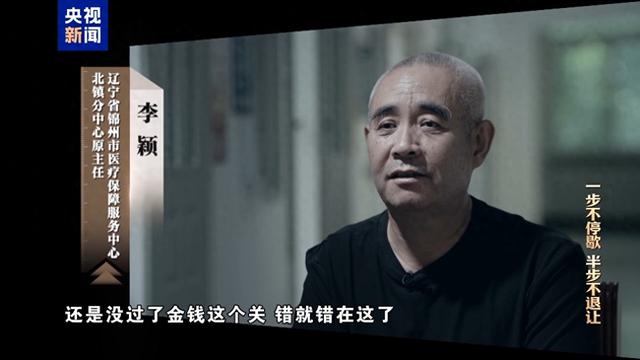
民营医院为骗取医保设“围猎”专款 9名公职人员沦陷
Xin Lang Cai Jing· 2026-01-13 13:36
Group 1 - The article discusses the issue of corruption and malpractice in the medical insurance sector, particularly focusing on the "hunting" behavior that undermines the political ecology and harms public interests [1][3] - The Central Commission for Discipline Inspection and the National Supervisory Commission are intensifying efforts to address corruption related to medical insurance fund management, emphasizing accountability among public officials [3][25] - A case in Liaoning Province highlights the collusion between public officials and private medical institutions, leading to significant losses in medical insurance funds [5][29] Group 2 - The investigation revealed that the North Town Medical Insurance Service Center's former director, Li Ying, was a key target of "hunting" by private hospital representatives, leading to collective corruption among public officials [5][6] - The private hospital, Xin Shuzguang Hospital, employed various deceptive practices to defraud the medical insurance system, including creating fictitious medical records and unnecessary hospitalizations [12][16] - The fraudulent activities resulted in substantial financial losses for the medical insurance fund, with Li Ying reportedly receiving bribes totaling 685,000 yuan while causing significant losses to the fund [29][25] Group 3 - The article emphasizes the importance of maintaining the integrity of the medical insurance system to protect public health and ensure that funds are used appropriately [27][39] - Measures are being implemented to enhance oversight and accountability within the medical insurance sector, including regular monitoring of risk indicators and public reporting of issues [35][37] - The ongoing efforts aim to create a fair and transparent environment for medical services, ultimately benefiting the public and restoring trust in the healthcare system [39][41]
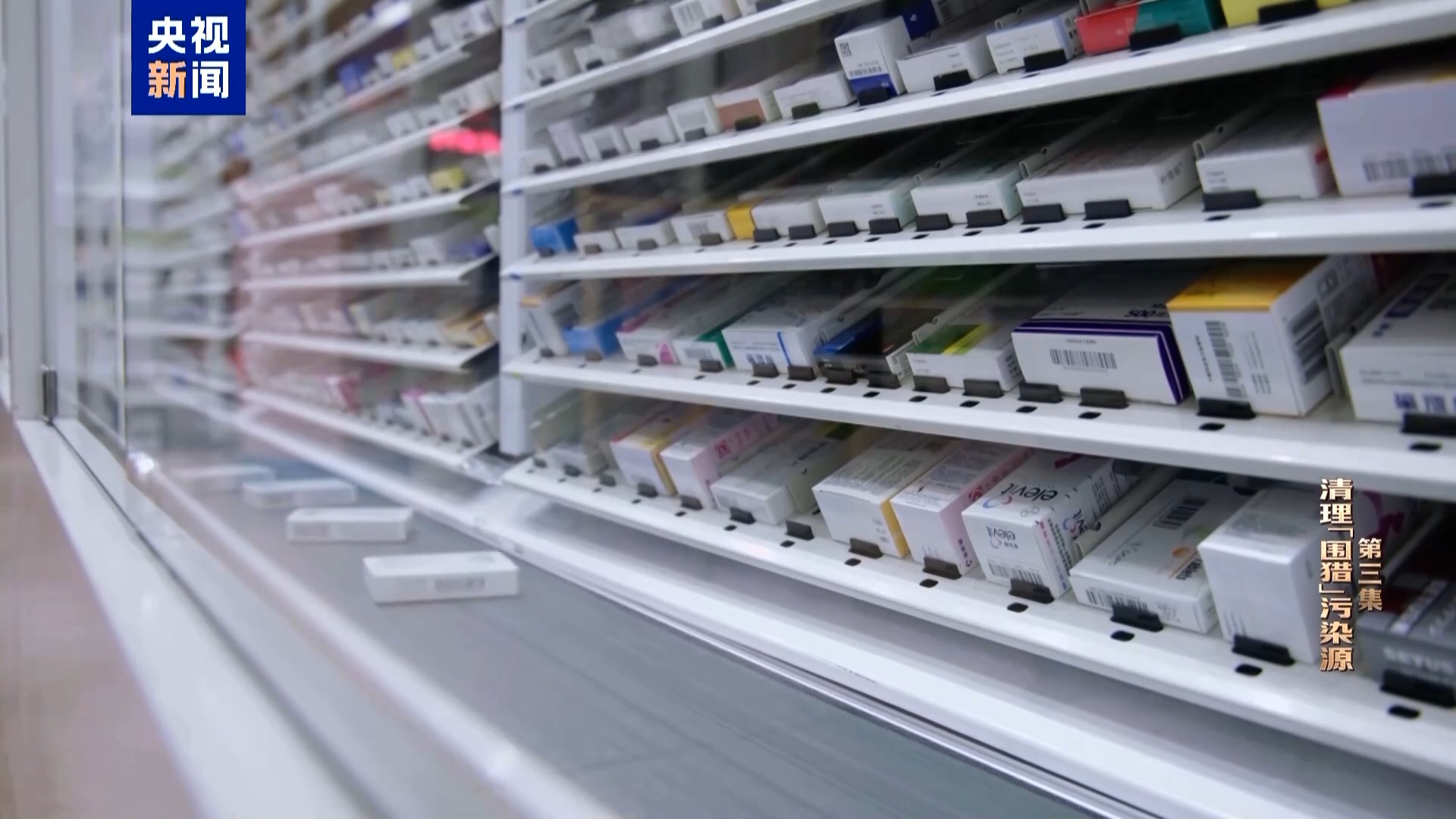
医保监管人员被金钱“拿下”,骗保竟成某民营医院主业
Xin Lang Cai Jing· 2026-01-13 13:35
Core Viewpoint - The documentary highlights the issue of corruption in the medical insurance sector, particularly focusing on how certain private medical institutions engage in fraudulent activities that harm public interests and undermine the integrity of the medical insurance system [1][21]. Group 1: Corruption in Medical Insurance - The documentary reveals that some private medical institutions have organized schemes to "hunt" officials in charge of medical insurance, leading to significant financial losses for the medical insurance fund and directly affecting public health rights [1][3]. - A specific case in Jinzhou, Liaoning Province, involves the North Town branch of the Medical Insurance Service Center, where nine public officials were investigated for colluding with a private hospital to defraud the medical insurance fund [3][5]. Group 2: Methods of Fraud - The fraudulent activities included creating "shadow accounts" with fixed percentages of medical insurance payouts (2% to 5%) designated for bribing public officials [5][18]. - The private hospital, Xin Shuzguang Hospital, employed various deceptive tactics, such as fabricating patient records and conducting unnecessary procedures to claim reimbursements from the medical insurance fund [11][13]. Group 3: Role of Officials - Key officials, including Li Ying, the former director of the North Town Medical Insurance Center, were targeted for bribery, with payments escalating from simple gifts to a fixed commission agreement of 1% to 2% of the funds received [7][20]. - The collusion between the hospital and public officials facilitated a system where fraudulent claims were processed without proper oversight, allowing the hospital to prioritize profit from insurance fraud over legitimate medical services [16][20].