
民营医院

Search documents
ASCOGU大会召开在即,板块波动中持续看好低估创新标的
BOCOM International· 2026-02-27 05:58
Industry Rating - The report rates the pharmaceutical industry as "Leading" [1] Core Insights - The upcoming ASCO GU conference is expected to showcase significant data from over 70 studies led by Chinese experts, which may catalyze market performance for innovative pharmaceutical companies [4][5] - The report suggests a stable outlook for the sector in 2026, despite potential short-term volatility, emphasizing the importance of fundamental analysis and valuation in stock selection [4] Valuation Summary - The report provides a detailed valuation overview of various companies, with all listed companies rated as "Buy" except for Heng Rui Pharmaceutical and Bristol-Myers Squibb, which are rated as "Neutral" and "Sell" respectively [3] - Notable target prices and current prices include: - AstraZeneca (AZN US): Target Price 93.30, Current Price 203.98 - BeiGene (6160 HK): Target Price 231.00, Current Price 194.40 - Innovent Biologics (1801 HK): Target Price 105.00, Current Price 84.35 [3] Market Performance - During the Spring Festival period (February 10-24, 2026), the Hang Seng Index fell by 2.2%, while the Hang Seng Healthcare Index decreased by 1.5%, ranking 8th among 12 industry indices [4][6] - Sub-industry performance varied, with prescription drugs increasing by 3.4% and internet medicine declining by 5.3% [4][6] Institutional Holdings - As of February 24, 2026, domestic institutional holdings through Hong Kong Stock Connect slightly decreased to 22.2%, while foreign institutional holdings increased to 40.0% [31] - The report highlights a trend of increased foreign investment in innovative pharmaceutical and CXO companies, aligning with domestic investment strategies [35] Investment Recommendations - The report recommends focusing on undervalued innovative drug companies such as Sanofi, Hengrui Medicine, and others with clear long-term growth logic [4] - It also suggests looking into CXO leaders benefiting from high downstream demand and improving financing conditions [4]
医药行业周报:1-8批国采平稳接续扰动有限,机构加仓创新,持续看好低估创新标的
BOCOM International· 2026-02-12 12:24
Industry Rating - The report rates the pharmaceutical industry as "Leading" [1] Core Insights - The report highlights that the recent national procurement has been stable, with limited disruptions, and institutions are increasing their positions in innovative companies, maintaining a positive outlook on undervalued innovative targets [1][4] - The overall market sentiment has improved, driven by significant business development transactions, and the pharmaceutical sector is expected to continue its steady growth in 2026, despite potential short-term volatility [4][5] Summary by Sections Market Performance - The Hang Seng Index rose by 1.3% and the Hang Seng Healthcare Index increased by 5.0%, ranking second among 12 industry indices [4][6] - Sub-sectors such as biopharmaceuticals and CXO both saw a growth of 7.4% [6] Institutional Holdings - Since Q4 2025, the proportion of domestic capital holding pharmaceutical stocks through Hong Kong Stock Connect has slightly decreased, while foreign capital holdings have increased [32] - As of February 10, 2026, domestic holdings were at 22.2%, down 0.2 percentage points, while foreign holdings rose to 39.7%, up 0.9 percentage points [32] Sales Performance - In 2025, China's pharmaceutical market sales decreased by 1% year-on-year, with public hospitals accounting for the largest market share at 10,977 billion RMB, down 2.1% [5] - Retail pharmacy sales reached 5,878 billion RMB, growing by 2.4%, with online pharmacies seeing a significant increase of 13.6% [5] National Procurement - The recent national procurement round had a high selection rate of 93%, with 1,020 products from 1,091 participating companies expected to be implemented by the end of March 2026 [5] - The procurement process has seen increased participation and a diverse range of selected products, ensuring stability in clinical demand [5] Investment Recommendations - The report recommends focusing on innovative drugs, particularly companies like Sanofi and Hengrui Medicine, which have rich catalysts and clear long-term growth logic [4] - It also suggests looking into CXO companies benefiting from high downstream demand and improving financing conditions, such as WuXi AppTec [4]
医药行业周报:1-8批国采平稳接续扰动有限,机构加仓创新,持续看好低估创新标的-20260212
BOCOM International· 2026-02-12 11:21
Industry Rating - The report rates the pharmaceutical industry as "Leading" [1] Core Insights - The report highlights that the recent national procurement has been stable, with a high selection rate of 93%, indicating a positive outlook for innovative companies in the sector [4][5] - The market sentiment has improved, driven by significant business development (BD) transactions, suggesting a continuation of the positive trend in 2026 despite potential short-term volatility [4] - The report emphasizes the importance of focusing on fundamentals and valuations when selecting stocks, particularly undervalued innovative companies that have been overlooked during market fluctuations [4] Summary by Sections Market Performance - The Hang Seng Index rose by 1.3% and the Hang Seng Healthcare Index increased by 5.0%, outperforming the broader market [4][6] - Sub-sectors such as biopharmaceuticals and CXO both saw a growth of 7.4% [6] Institutional Holdings - As of February 10, 2026, domestic institutional holdings through Hong Kong Stock Connect slightly decreased to 22.2%, while foreign holdings increased to 39.7%, indicating a shift towards more positive sentiment among foreign investors [32] - Key increases in holdings were noted in leading CXO companies benefiting from demand recovery, such as Tigermed and WuXi AppTec [37][38] Valuation Overview - The report provides a valuation summary for various companies, with notable buy ratings for AstraZeneca, BeiGene, and others, indicating strong growth potential [3] - The average price-to-earnings (P/E) ratio for the healthcare sector is reported at 28.4 times, with specific segments like biopharmaceuticals at 13.1 times [16] Sales Trends - The report notes a 1% year-on-year decline in China's pharmaceutical market sales for 2025, with significant variations across different sales channels [5] - Public hospitals accounted for the largest market share but experienced a 2.1% decline, while retail pharmacies saw a 2.4% increase, driven by online sales growth [5] Procurement Insights - The recent national procurement round involved 316 commonly used drugs, with a high participation rate and diverse product offerings, ensuring stable clinical supply [5] - The procurement process has been refined to enhance quality and reliability, with stricter requirements for participating companies [5]
“伪优惠”真骗保 某民营医院三人获刑
Xin Lang Cai Jing· 2026-02-09 17:11
Core Viewpoint - The case highlights the importance of safeguarding public healthcare funds and the legal consequences of fraudulent activities in the medical sector, emphasizing the commitment of judicial authorities to protect these funds [1][2]. Group 1: Case Details - In April 2022, an individual named Chen established a dialysis center and engaged in fraudulent activities by offering low-cost treatments and incentives to attract patients, specifically targeting low-income dialysis patients [2]. - The center's staff, under Chen's direction, inflated treatment claims and falsified medical services, resulting in the illegal acquisition of over 118,000 yuan from the healthcare fund [2]. - Chen had a prior conviction for similar fraudulent activities, having previously defrauded the healthcare fund of 201,000 yuan while managing another private hospital [2]. Group 2: Legal Interpretation - The court ruled that the defendants' actions constituted fraud under Article 266 of the Criminal Law of the People's Republic of China, as they aimed to illegally possess public healthcare funds by fabricating medical services [3]. - The judgment not only addressed the crime of defrauding public property but also rejected the defendants' business model that relied on illegal competition and disrupted the normal order of the healthcare market [3]. Group 3: Regulatory Implications - The case serves as a reminder for regulatory bodies to enhance oversight of healthcare fund usage, particularly focusing on institutions that engage in suspiciously low pricing strategies [4]. - It emphasizes the need for a collaborative approach to prevent fraudulent activities disguised as competitive practices, ensuring the integrity and safety of healthcare funds [4].
李亚鹏:一夜卖了1.6亿元普洱茶背后
Sou Hu Cai Jing· 2026-02-02 15:21
Group 1 - The core point of the article highlights the transformation of Li Yapeng from a "dishonest person" to a public figure with a positive image, driven by his recent success in live streaming sales and charitable efforts [2][6][9] - Li Yapeng achieved a record sales figure of 1.62 billion yuan during a live stream event, breaking his previous record of 1 billion yuan just a week prior [1][2] - The surge in popularity and sales was catalyzed by the announcement of the impending closure of the Beijing Yanran Angel Children's Hospital, which Li Yapeng co-founded, leading to significant public support and donations [5][8][27] Group 2 - The Yanran Hospital has faced operational challenges, including a significant debt of over 30 million yuan, primarily due to rising rental costs and declining patient numbers [13][14][27] - Despite the hospital's charitable mission, it has struggled to maintain financial sustainability, highlighting the difficulties faced by non-profit medical institutions in a competitive healthcare environment [14][17][30] - Li Yapeng's past business ventures have also faced challenges, reflecting a pattern of financial difficulties and the need for a more robust operational strategy for the hospital [23][24][30] Group 3 - The article discusses the need for Yanran Hospital to establish a sustainable revenue model beyond donations, emphasizing the importance of diversifying services to ensure long-term viability [28][30] - Li Yapeng's recent fundraising efforts have garnered over 20 million yuan in donations, but the funds are restricted in their use, complicating the hospital's immediate financial needs [27][28] - The article concludes with a call for Li Yapeng to develop a self-sustaining operational framework for the hospital, moving away from reliance on public sentiment and donations [30][31]


李亚鹏一夜卖了1.6亿元普洱茶
36氪· 2026-02-02 09:39
Core Viewpoint - The article discusses the transformation of Li Yapeng from a "discredited" figure to a successful live-streaming seller, highlighting the impact of his charity work and the challenges faced by his associated charity hospital, the Yanyuan Angel Children's Hospital [4][10][24]. Group 1: Li Yapeng's Live-Streaming Success - Li Yapeng achieved a record sales figure of 1.62 billion yuan in a single live-streaming event on January 30, 2026, breaking his previous record of 1 billion yuan [5][6]. - The live-stream attracted over 40.28 million viewers, with high-end tea products selling out within seconds, indicating a strong consumer interest [5][6]. - Following a public appeal regarding the financial struggles of his charity hospital, Li Yapeng's popularity surged, leading to a significant increase in his follower count from 600,000 to over 1 million in just ten days [7][12]. Group 2: Challenges Faced by Yanyuan Angel Children's Hospital - The Yanyuan Angel Children's Hospital is facing severe financial difficulties, with reported debts exceeding 30 million yuan due to unpaid rent and operational costs [9][16][25]. - The hospital's patient volume has significantly declined, with outpatient visits dropping from over 63,000 in 2018 to just 27,900 in 2020, reflecting operational challenges [16][18]. - Despite the recent surge in donations exceeding 20 million yuan following Li Yapeng's appeal, the funds cannot be used for operational costs due to legal restrictions, necessitating the need for sustainable revenue generation [25][26]. Group 3: Li Yapeng's Business and Charity Dynamics - Li Yapeng's previous business ventures have faced failures, leading to a public perception of him as a "failed businessman" prior to his recent success in live-streaming [22][24]. - The article emphasizes the need for Li Yapeng to establish a sustainable operational model for the hospital, as relying solely on public goodwill and donations is insufficient for long-term viability [26]. - The hospital's operational model has been criticized for lacking a comprehensive medical system and revenue-generating capabilities, which are essential for its survival [21][24].

李亚鹏一夜卖了1.6亿元普洱茶|一周人物
Xin Lang Cai Jing· 2026-02-01 04:54
Core Insights - Li Yapeng has successfully transitioned from a "dishonest" label to a prominent figure in live commerce, achieving a record sales figure of 1.62 billion yuan in a single night on Douyin [2][3] - His recent success is attributed to a surge in public support following the announcement of financial difficulties faced by the Beijing Yanran Angel Children's Hospital, which he co-founded [5][8] - Despite the recent financial windfall, the long-term sustainability of the hospital remains uncertain, as it struggles with operational costs and a lack of a self-sustaining revenue model [20][22] Group 1: Sales Performance - On January 30, 2026, Li Yapeng's live stream generated 1.62 billion yuan in sales within six hours, breaking his previous record of 1 billion yuan set just a week earlier [2] - The live stream attracted over 40.28 million viewers, with high-end tea products selling out in seconds, including a single product that sold for 12.88 thousand yuan [2][3] - Following the announcement of the hospital's financial issues, Li's Douyin account gained over 1.32 million new followers in just seven days, with average sales per live stream increasing to around 25 million yuan [8] Group 2: Hospital Financial Struggles - The Yanran Angel Children's Hospital is facing severe financial difficulties, with reported debts exceeding 30 million yuan, primarily due to unpaid rent [12][21] - The hospital's patient volume has significantly declined, with outpatient visits dropping from over 63,000 in 2018 to just 27,900 in 2020, indicating a 58% decrease [12] - Li Yapeng has publicly acknowledged the hospital's operational challenges, stating that it may not survive without substantial financial support [17][20] Group 3: Public Perception and Brand Image - Li Yapeng's image has shifted from a "commercial failure" to a "philanthropist," as public sentiment has turned in his favor due to his charitable efforts [3][11] - The public's emotional support has translated into financial contributions, with over 20 million yuan raised for the hospital in just five days following the announcement of its financial troubles [8] - However, there are concerns that the reliance on public goodwill and donations may not be a sustainable solution for the hospital's long-term viability [20][22]

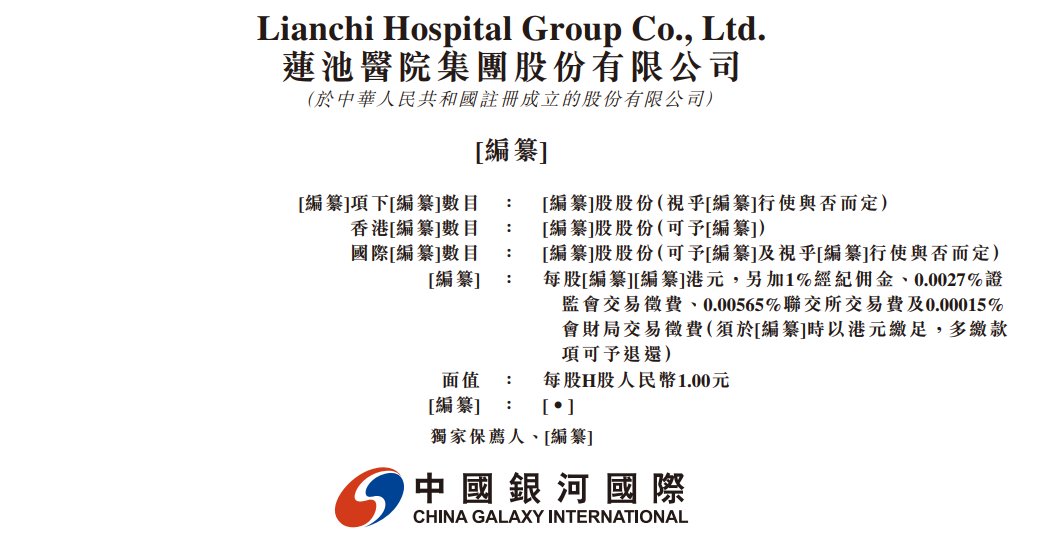
莲池医院冲击港股背后:曲折上市路与扩张中的风险考量
Xin Lang Cai Jing· 2026-01-15 10:08
Core Viewpoint - Lianchi Hospital is shifting its focus to the Hong Kong Stock Exchange (HKEX) after unsuccessful attempts to list on various domestic capital markets, aiming to secure financing for its expansion in maternal and child healthcare and orthopedic services [1][4]. Group 1: Listing Path Changes - The hospital's journey towards capitalization has faced multiple challenges, having explored listings on different platforms including the New Third Board, the Selected Layer, the ChiNext, the Shenzhen Main Board, and the Beijing Stock Exchange, but none have succeeded [2]. - The frequent adjustments in listing strategy reflect the company's adaptation to varying regulatory environments across capital markets, raising concerns about the stability of its long-term capital strategy [2]. Group 2: Business Expansion and Potential Pressures - To strengthen its position in the "elderly and children" healthcare sector, Lianchi Hospital has accelerated external expansion through acquisitions, which have increased its hospital network and revenue but also raised funding needs [3]. - The company has faced regulatory penalties and issues related to compliance, highlighting the ongoing challenge of maintaining service quality and regulatory adherence during rapid expansion [3]. - The concentration of revenue sources and the complexities arising from acquisitions, such as increased accounts receivable and goodwill, complicate the financial landscape during this expansion phase [3]. - The funds raised from the upcoming IPO are intended for upgrading existing facilities, expanding operations, and enhancing research and development, indicating a strategic focus on leveraging capital for core business consolidation [3].
新股消息 | 莲池医院递表港交所 为中国特色精品专科医疗集团
智通财经网· 2026-01-13 23:23
Company Overview - Lianchi Hospital Group Co., Ltd. is a specialty medical group in China, operating five hospitals and one elderly care institution under a group management structure as of September 30, 2025 [3] - The company emphasizes a "patient-first" core value and implements a "human-centered medical" management model, creating a well-known medical brand called "Lianchi Medical" [3] - As of September 30, 2025, the total building area of the hospitals is approximately 117,893.06 square meters, with a total of 786 registered beds and a team of 341 practicing physicians and assistant doctors [3] Financial Performance - The company recorded revenues of approximately RMB 356.43 million, RMB 418.41 million, and RMB 358.57 million for the years ending December 31, 2023, December 31, 2024, and the nine months ending September 30, 2025, respectively [5][6] - The net profit for the same periods was RMB 56.73 million, RMB 67.59 million, and RMB 55.51 million [7] - Gross profit figures were approximately RMB 117.23 million, RMB 151.14 million, and RMB 127.63 million, with gross profit margins remaining stable at 35.0% for the nine months ending September 30, 2024, and 35.6% for the nine months ending September 30, 2025 [8] Industry Overview - The Chinese healthcare service market has been steadily improving, driven by increasing health awareness, expanded public health insurance coverage, and the rise of chronic diseases [9] - Total healthcare expenditure in China increased from RMB 6.58 trillion in 2019 to RMB 9.76 trillion in 2024, with a compound annual growth rate (CAGR) of 8.2% from 2019 to 2024 [9] - The number of private hospitals in China is projected to grow from 22,424 in 2019 to 26,956 by 2024, with a CAGR of 3.8% [15] Competitive Position - Lianchi Hospital's Zibo Lianchi Orthopedic Hospital ranks first in Shandong Province and third nationally in terms of private hospital knee surgery volume for 2024 [4] - The Chongqing Great Wall Orthopedic Hospital is ranked first among private orthopedic specialty hospitals in Southwest China based on revenue for 2024 [4]
“病人是找的,病历是编的,手术是假的”
Xin Lang Cai Jing· 2026-01-13 16:41
Core Viewpoint - The documentary reveals a corruption case in the medical insurance fund management in Beizhen City, Liaoning Province, highlighting the collusion between public officials and a private hospital to defraud the medical insurance fund [1][5]. Group 1: Corruption Details - Nine public officials from the Beizhen Medical Insurance Center were investigated for collusion with the private hospital, Xinzhuguang Hospital, to defraud the medical insurance fund [1]. - The investigation began after public reports indicated that officials were colluding with the hospital to misappropriate funds, leading to the discovery of "yin-yang" accounts with fixed ratios of 2% to 5% for medical insurance expenditures [1][3]. - The hospital's fraudulent activities included creating fictitious medical records and procedures, with a significant number of false cataract surgeries reported in 2020, which did not align with local healthcare realities [3][4]. Group 2: Methods of Fraud - The hospital employed various deceptive tactics, such as offering free health check-ups and meals to lure patients, while using their identities to fabricate medical records for reimbursement [2][4]. - The hospital's management, led by Xu Hongmei, shifted focus from genuine medical care to fraudulent practices, with a structured plan to incentivize staff for patient recruitment [2][4]. - The fraudulent scheme was facilitated by bribing public officials, including Li Ying, who received a total of 685,000 yuan in bribes, resulting in significant losses to the medical insurance fund [5][6]. Group 3: Impact on Healthcare System - The corruption undermines the integrity of the healthcare system, leading to a loss of public trust and potential harm to patient health due to over-medication and unnecessary procedures [5]. - The involvement of public officials in corrupt practices compromises the intended benefits of including private hospitals in the medical insurance system, ultimately harming the public interest [5]. - The case illustrates the broader implications of corruption in healthcare, where personal gains lead to substantial losses in public resources meant for community health [5].